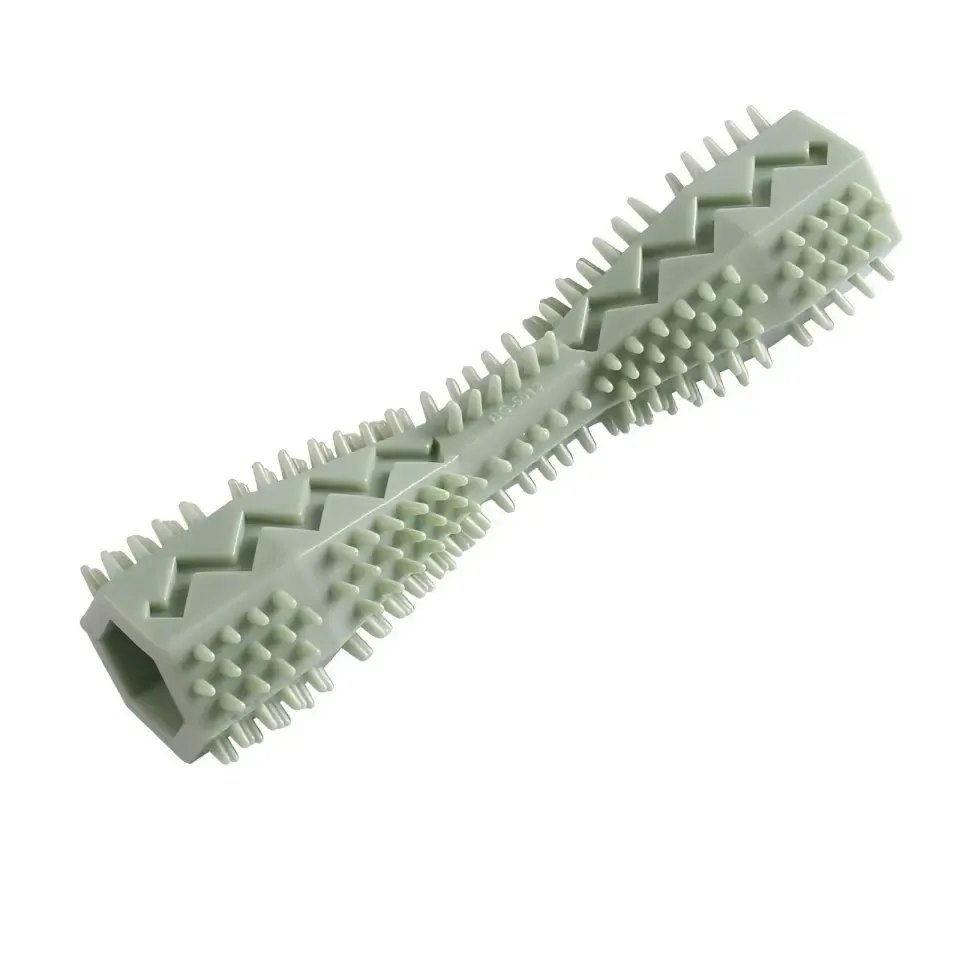
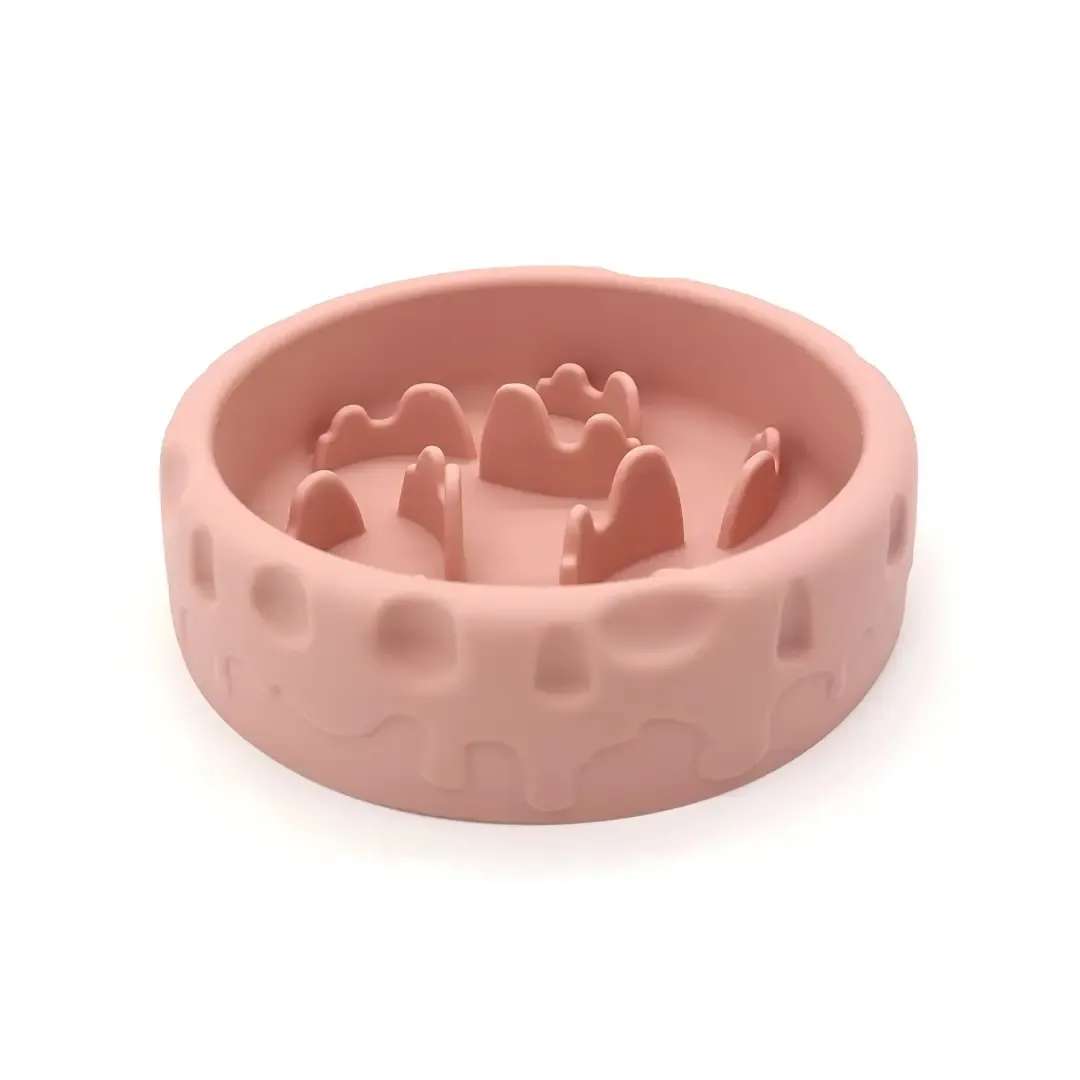
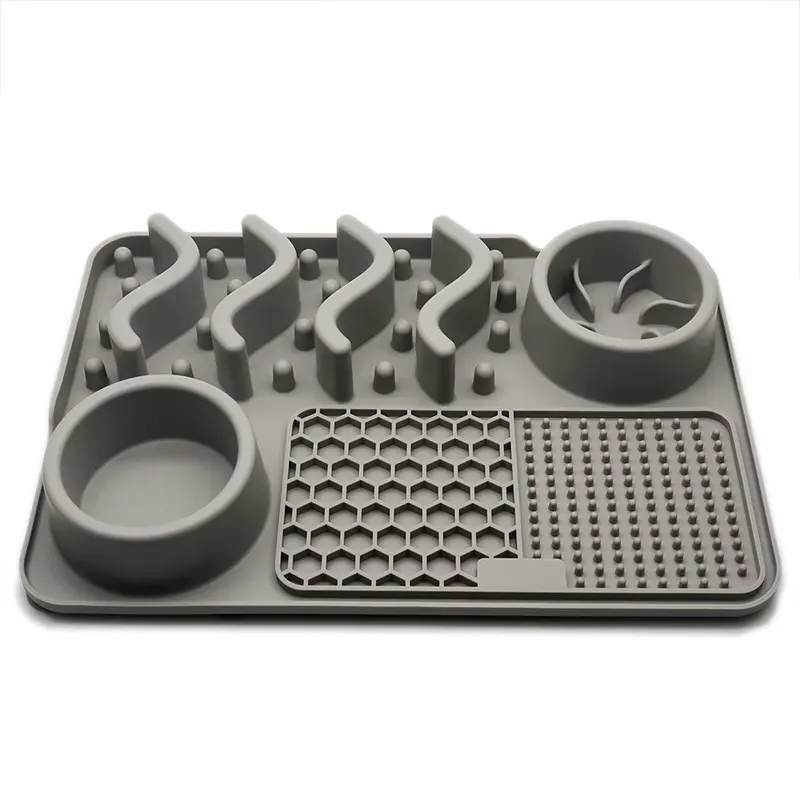
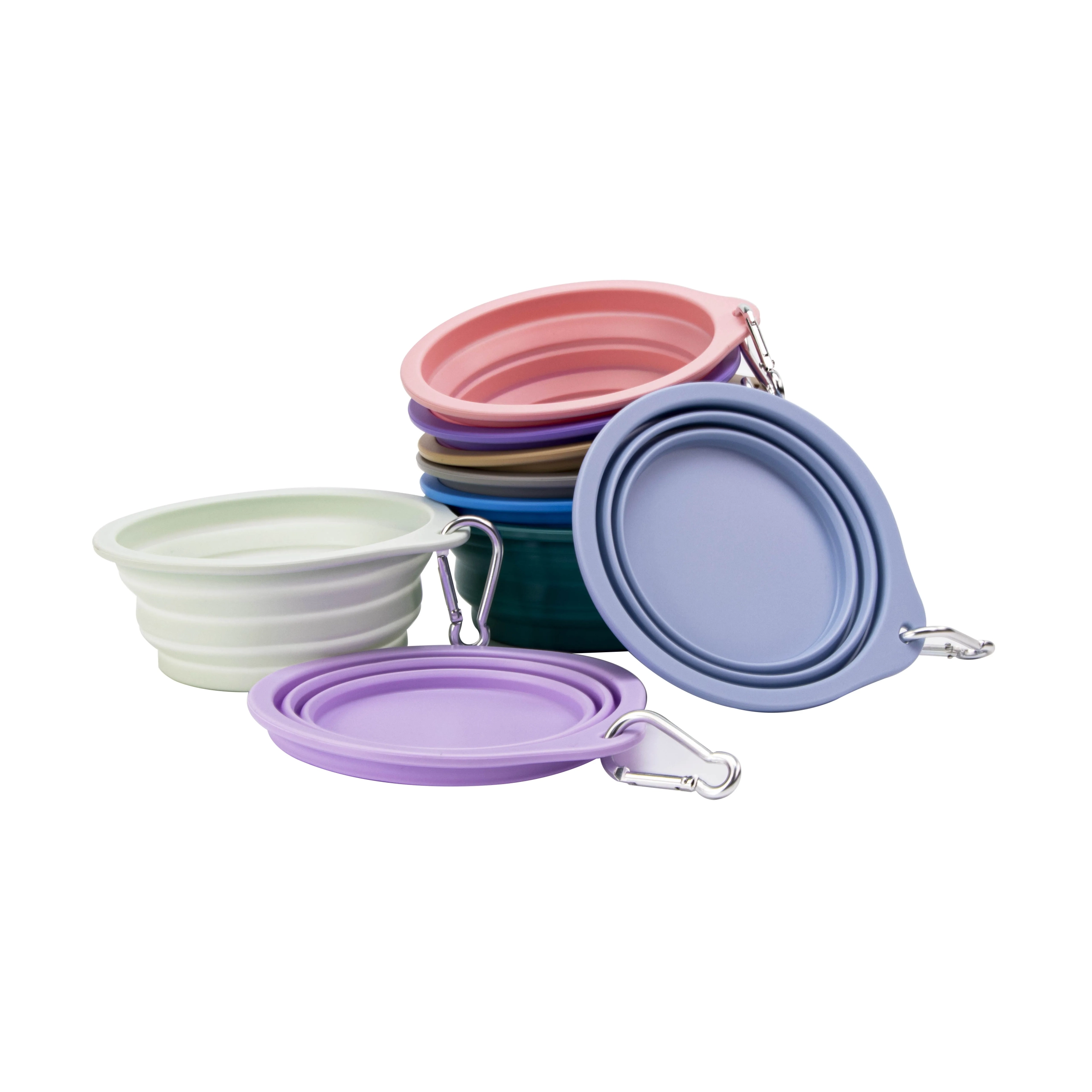
We’re thrilled to invite you to connect with NEWTOP SILICONE at PSC – Pet Sourcing Fair China 2025. If you design, source, or retail pet products, this is the perfect chance to see—and feel—what’s new in premium silicone.
Get hands-on with our newest food-grade silicone innovations for dogs and cats—designed for real use, real durability, and real retail results.
Materials that matter: BPA-free, food-grade silicone; soft yet durable; heat/cold resistant; dishwasher safe; anti-odor and easy to sanitize.
Hands-on demos that highlight comfort, safety, and thoughtful user experience—for pets and their people.
Why partner with NEWTOP SILICONE
OEM/ODM expertise: custom molds, private-label programs, and packaging solutions
Brand-perfect looks: Pantone color matching and logo decoration options
Quality you can scale: consistent production, tight tolerances, and reliable timelines
Retail-ready thinking: consumer-tested designs with clear value props and merchandising ideas
Let’s talk business
Whether you’re a global brand, a fast-growing e-commerce seller, or a specialty pet retailer, we’d love to plan time for a focused discussion on assortment, customization, and margins.
Book a meeting: visit our contact page at www.newtopsilicone.comand tell us your preferred date/time during the show. Walk-ins are welcome at Booth 1-518, but scheduled meetings help us prepare samples and proposals specific to your needs.
About NEWTOP SILICONE
NEWTOP SILICONE designs and manufactures high-performance silicone products for the pet industry. Our mission is simple: better materials, better experiences—for pets, their people, and the planet.
https://www.newtopsilicone.com/wp-content/uploads/2025/10/NEWTOP-SILICONE-at-PSC-2025-scaled.jpg12841920Enriquehttps://www.newtopsilicone.com/wp-content/uploads/2022/06/newtop-logo-300x138-2.pngEnrique2025-10-23 16:47:562025-10-23 16:47:56You’re Invited: Meet NEWTOP SILICONE at PSC 2025!
Vaginal dilator sets (left), illustrating various sizes and shapes used in progressive therapy.
Vaginal dilatorsare tube-shaped medical devices made of plastic or medical-grade silicone that are inserted into the vagina to gently stretch the vaginal tissue. They typically come in sets of graduated sizes – from very small (about the size of a finger) to larger sizes comparable to a penis – allowing a person to progressively increase the diameter and length over time. Most dilators range roughly from 2 to 7 inches in length and 0.5 to 1.5 inches in diameter, with tapered cylindrical shapes for comfortable insertion. In form they often resemble a smooth dildo or vaginal “trainer”, sometimes called a stent or expander, designed specifically for therapeutic use rather than pleasure. By gradually stretching the vaginal canal and desensitizing the pelvic floor muscles, dilators help improve vaginal flexibility and reduce pain with penetration. They are non-invasive therapy tools that can be used at home or under guidance of a clinician to restore comfort and capacity for intercourse, exams, or other activities.
Therapeutic Applications
Vaginal dilators have wide-ranging therapeutic uses in gynecological and pelvic health. They are commonly recommended in pelvic floor physical therapy and by gynecologists for conditions that cause vaginal tightness or pain during penetration. Key applications include:
Vaginismus and Dyspareunia: In cases of vaginismus (involuntary muscle spasms that close the vaginal opening) or chronic dyspareunia (painful intercourse), dilators allow gradual desensitization. By starting with a very small dilator and slowly increasing size, patients can learn to relax the vaginal muscles and overcome the cycle of fear and pain. This gentle training can break the conditioned muscle guarding and restore tolerance for penetration over time. Dilators are considered a first-line, effective treatment for vaginismus and pelvic floor hypertonicity, helping women regain control and comfort with insertion.
Menopause and Atrophy: Hormonal changes in menopause often lead to vaginal dryness, reduced elasticity, and atrophy of tissues, which can make intercourse painful. Using dilators with lubricant can improve vaginal elasticity and blood flow, easing pain from vaginal atrophy. They essentially provide a stretching exercise for the vaginal tissue, counteracting the tightening or shortening that can occur post-menopause or after long periods of abstinence.
Post-Surgical or Post-Radiation Healing: After gynecologic surgeries (such as vaginal reconstructive surgery, prolapse repairs, or hysterectomy) or pelvic radiation therapy for cancer, scar tissue and fibrosis can cause vaginal stenosis (narrowing/shortening of the vagina). Dilators are often prescribed to prevent scar contracture and maintain vaginal flexibility during healing. For example, cancer survivors who had brachytherapy or pelvic radiation may use dilators to gently reopen and soften the vagina, restoring comfort and function. Similarly, after surgeries or procedures that involve the vagina (e.g. repair of septum or hymenotomy), dilators assist in keeping the vaginal passage open during recovery.
Pelvic Floor Dysfunction: Individuals with generalized pelvic floor dysfunction or tight pelvic floor muscles (sometimes accompanying conditions like vulvodynia or endometriosis) may benefit from dilator therapy as well. The dilator provides a fixed, gentle stretch that can help down-train overactive muscles and improve pelvic floor relaxation. Over time, this can reduce pain with penetration and even improve the patient’s ability to tolerate gynecological exams or tampon use.
Congenital Conditions (Vaginal Agenesis or MRKH): In some cases, dilators are used as a non-surgical method to create or expand a vagina for those born with vaginal agenesis (such as Mayer-Rokitansky-Küster-Hauser syndrome) or other anatomical differences. Regular dilation can gradually increase the vaginal opening and depth, offering an effective therapy to achieve a functional vaginal canal without surgery. In these protocols (often called the Frank dilator method for MRKH), patients start with very small dilators and systematically stretch the vaginal space over weeks or months.
Gender-Affirming Care (Post-Vaginoplasty): Vaginal dilators play a critical role in gender-affirming surgery aftercare for transgender women. Following a vaginoplasty (surgical creation of a neovagina), patients must dilate frequently to maintain the depth and width of the newly formed vaginal canal and prevent it from closing. A dilator (or vaginal stent) is inserted to full depth for a prescribed duration multiple times per day in the initial months post-op. Over time the frequency can be reduced, but some level of lifelong dilation is typically required to ensure the neovagina remains open and supple. These medical-grade dilators help keep the tissue from scarring or contracting and are an essential part of post-operative care for gender affirmation.
Beyond these, vaginal dilators can also be useful to maintain vaginal capacity during extended periods without intercourse (preventing discomfort when sexual activity is resumed), or to retrain the body’s response to penetration through controlled exposure (reducing anxiety and improving confidence). In all cases, dilator therapy should be guided by a healthcare provider’s instructions. When used consistently and correctly, dilators are a safe and effective tool to rehabilitate the vagina, as evidenced by positive outcomes across many conditions and patient populations.
Material Selection: Silicone vs. ABS vs. TPE
One of the most important considerations in dilator design is the material. Vaginal dilators are typically made from either rigid plastics (such as ABS or medical-grade polycarbonate) or flexible elastomers like silicone. As a manufacturer, NEWTOP Silicone emphasizes the use of platinum-cured medical silicone for vaginal dilators due to its superior safety and performance profile. Below is a comparison of common materials:
Platinum-Cured Medical Silicone: This is considered the gold standard for vaginal wellness products. Platinum-cured silicone (an addition-cure silicone) is a high-purity, inert elastomer that is non-porous, hypoallergenic, and biocompatible. Medical-grade silicone contains no harmful plasticizers or leachable chemicals, and it can meet stringent biocompatibility standards (e.g. ISO 10993, USP Class VI). For users, this means silicone dilators are body-safe and gentle on sensitive tissues – they won’t cause irritation or allergic reactions in the vast majority of people. Silicone’s texture is soft yet firm: it has a bit of flex and “give,” which many find far more comfortable than hard plastic. It also feels closer to natural body tissue, which can ease the psychological comfort of dilation. Another advantage is temperature adaptability – silicone dilators can be warmed or cooled (for instance, warmed in water) to soothe muscles during therapy, and they retain temperature better than plastic. Silicone is also highly durable and easy to disinfect: it can be boiled, autoclaved, or cleaned with 10% bleach solution without degrading. Because it’s non-porous, it doesn’t harbor bacteria and can be fully sterilized between uses. The only caution is to use water-based lubricants, as silicone-based lubes can interact with silicone products. Overall, platinum-cured silicone offers an ideal balance of safety, comfort, and longevity – which is why many top brands now use medical silicone dilators and market them as “body-safe” and FDA-compliant.
ABS Plastic (Hard Plastic): ABS (acrylonitrile butadiene styrene) is a rigid engineering plastic that has historically been used for many medical dilators and dilator sets. High-quality ABS plastic is non-porous, phthalate-free, and body-safe, meaning it won’t leach chemicals and is easy to clean with soap and water or alcohol wipes. In fact, some respected dilator brands still use medical-grade ABS plastic for their products. ABS offers excellent structural rigidity – it holds its shape and can exert firm pressure to stretch the tissue. It’s also inexpensive and easy to mold in high volumes, which can make ABS dilators more affordable. However, the downside of plastic dilators is their rigidity: they are completely inflexible and quite hard. Some users find the unyielding nature of plastic uncomfortable or intimidating, especially at larger sizes. Plastic dilators provide a strong stretch but lack the gentle cushioning of silicone, which can increase risk of minor bruising or irritation in sensitive individuals. To mitigate this, good plastic dilators are designed with very smooth, rounded surfaces and often a tapered tip and flared base for safety. They are safe to use (as long as the surface is smooth with no rough seams), but many patients today prefer the softer, “gentler” feel of silicone over ABS. In practice, ABS dilators can be effective – and they are completely non-porous and sterilizable – but comfort is lower. As a result, some manufacturers use ABS as a core and over-mold a silicone layer on top, combining rigidity with a soft outer feel. In summary, ABS is sturdy, hygienic, and economical, but yields a more rigid dilator that may not be as inviting for nervous or sensitive users.
TPE or “Jelly” Rubber: Thermoplastic elastomer (TPE) is a soft rubbery plastic sometimes found in cheaper dilator or sex toy products as a silicone substitute. While TPE is soft and flexible (often very squishy or “gel-like”), it is an inherently porous material and thus not ideal for vaginal dilators from a safety standpoint. TPE contains microscopic pores that can trap fluids and bacteria, meaning no matter how well you clean it, you cannot fully sterilize TPE components. Over time, bacteria can accumulate inside, raising risks of infection. TPE also often includes additives or oils to make it soft, which can leach out or degrade – causing the product to become sticky or break down after repeated use. Many “jelly rubber” dilators or inserts (typically made of PVC or TPE blends) have a limited lifespan and may emit a chemical odor from plasticizers. Due to these issues, medical professionals strongly prefer silicone or hard plastic over TPE for dilator therapy. While some medical-grade TPEs exist (used in catheters, etc.), they are usually employed for short-term use devices. For a product that will have repeated, long-term vaginal contact, platinum silicone is far superior. NEWTOP Silicone does not use TPE or low-grade “jelly” materials in vaginal wellness products – we stick to tested, medical-grade materials like silicone (or ABS if a rigid part is needed) to ensure safety. The only potential “pro” of TPE is a lower cost and very soft feel, but any cost savings are outweighed by the safety and durability concerns in a vaginal dilator context.
In summary, medical silicone dilators offer the highest degree of safety and patient comfort, combining a gentle feel with robust cleanliness. ABS plastic dilators are also non-porous and body-safe, but much harder. And TPE or jelly dilators should generally be avoided for vaginal therapy tools due to porosity and potential chemical hazards. As a professional OEM manufacturer, NEWTOP Silicone prioritizes platinum-cured silicone for custom vaginal dilators, often working with clients to select the exact silicone grade that meets FDA and ISO standards. This ensures the final product is hypoallergenic, free of harmful leachables, and capable of withstanding thorough sterilization – all critical for a device intended for intimate, therapeutic use.
Manufacturing Process at NEWTOP Silicone
Designing and producing a high-quality vaginal dilator involves a precise, controlled manufacturing process. At NEWTOP Silicone, we specialize inliquid silicone rubber (LSR) injection molding to create dilators that meet strict medical and wellness specifications. Our production is often done in an ISO Class 8 cleanroom environment, which minimizes dust, microbes, and other contaminants during molding and post-processing. Below is an overview of how vaginal dilators are made in our facility, from raw material to finished product:
Design & Tooling: Every project starts with careful design of the dilator shape and the steel mold. We use CAD modeling and in-house CNC machining to craft precision molds with the desired cavity shape and surface finish. For a smooth dilator, the mold might be highly polished; for a silky matte feel, we can apply a fine texture or sandblasting to the mold surface. Importantly, we engineer the mold to position any parting lines (where mold halves meet) in non-critical areas to avoid sharp seams on the insertable surface. In fact, for one custom dilator project, our client’s priority was a seamless finish – no noticeable parting line on the product. We innovated a special injection technique and mold design to achieve a truly smooth, one-piece feel with no flashing or edges that could cause discomfort. This level of tooling refinement ensures the dilator will be comfortable and safe for end users.
Material Prep: We select a platinum-cure LSR silicone of the appropriate medical grade and Shore hardness for the dilator. Silicone comes in various durometers (softness levels); for example, a dilator might use a mid-range Shore A ~20 for a balance of flexibility and firmness. Our technicians can adjust the silicone formulation to dial in the exact softness the client requests, since user comfort is directly affected by the silicone’s firmness. The two-part liquid silicone components (Part A and B plus any color pigment) are kept in closed, hygienic containers. Prior to molding, we thoroughly mix the silicone components with precise ratios, often using automatic dosing systems for consistency. If a custom color is required, medical-grade pigment is blended in at this stage. (Notably, we ensure any pigments or additives are biocompatible and do not inhibit the silicone cure.) In one case, to achieve an even, deep color for dark-colored dilators, we had to adjust pigment proportions and the curing profile to eliminate any flow marks or color streaks – demonstrating the fine control we have over material aesthetics and quality.
Injection Molding: The mixed liquid silicone is injected into the preheated mold cavities using an LSR injection molding machine. In our cleanroom, the injection molding press clamps the multi-cavity mold shut and automatically injects the silicone under controlled pressure and temperature. The silicone fills the mold and cures (vulcanizes) in seconds to minutes at high temperature, taking on the exact shape of the dilator. Because LSR is an addition-cure system, there are no byproducts – the silicone crosslinks into a solid elastomer. We carefully optimize parameters like injection speed, temperature, and venting to prevent defects. For example, we may incorporate tiny vent holes in the mold to let air escape, avoiding air bubbles. In one project, we encountered slight flashing (excess silicone along seams) initially; we solved this by fine-tuning the mold temperature and shot size to ensure complete fill without overflow. By calibrating the process, we achieve clean parts right out of the mold, often with no trimming needed if the mold fit is perfect. Our machines are capable of high consistency, producing identical dilators in each cycle with minimal variation.
Demolding and Post-Curing: Once cured, the dilators are removed from the mold cavities. Any minor flash or sprues (from the injection gates) are carefully deburred or trimmed by our operators (often under magnification to ensure a smooth result). At this stage, we conduct an initial quality check on each part, inspecting for surface finish, complete curing, and absence of defects. Depending on the medical requirements, parts may then undergo a post-curing process – typically a heat oven bake for several hours. Post-curing further drives off any trace volatiles or catalyst residues and helps the silicone reach its final stable properties. For instance, we often bake medical silicone parts to ensure they meet FDA and ISO chemical safety thresholds (like total organic volatile content). In the aforementioned project, we did a baking cycle after molding to eliminate any volatile compounds and ensure absolutely no residual odors. After post-cure, the silicone dilators have no detectable residues and are odorless, ready for use.
Finishing and Polishing: If a matte finish is desired for a soft touch, we have multiple ways to achieve it. Ideally, the mold surface itself is textured to impart matte finish directly. Additionally, we can apply a specialized matte finish oil or surface treatment as a post-process to enhance the tactile feel. This treatment gives the silicone a silky, skin-like touch and removes any tackiness on the surface. The products may then be gently tumbled or wiped to remove any particles. Because our molding process was optimized to avoid parting lines, typically no extensive polishing is required on the product surface. However, if any parting line is present or an edge, our team will carefully polish or buff it out by hand to ensure the dilator surface is completely smooth. The end result is a dilator with an even finish and seamless form, ready for comfortable insertion.
Quality Control: Throughout manufacturing, NEWTOP maintains rigorous quality assurance protocols. We perform in-process inspections during molding – checking shot weight, mold temperature, and periodically measuring parts – to catch any issues early. Every dilator batch undergoes comprehensive QA testing, including dimensional checks (length, diameter must meet spec), Shore hardness testing to verify the correct softness, and visual/microscopic inspection for surface quality. We also perform tensile and tear tests on sample pieces to ensure the silicone’s strength is within acceptable range (important so that the dilator won’t crack or tear during use). For medical orders, we can provide full QA reports and even assist with any necessary biocompatibility testing documentation, since we use medical-grade materials. Our quality control measures ensured that a recent large-volume dilator order had zero part rejections by the client, thanks to our strict adherence to specifications and continuous improvement feedback loops. By the time our dilators are packed, each has been examined to guarantee it meets safety, comfort, and durability standards.
Cleanroom Packing: As a final step, products destined for clinical or medical use are often packaged in the cleanroom to avoid contamination. We offer sterile packaging if required – for example, sealing dilators in medical-grade pouches that can be sterilized (EtO or gamma sterilization) before end use. In other cases, we package the dilators in a discreet, hygienic retail package per the client’s branding (see next section). All packaging components (bags, boxes, inserts) are first cleaned or sterilized as needed. Our cleanroom environment and careful handling give clients confidence that the dilators will arrive to end users clean and safe, ready to use out of the box.
Through this controlled manufacturing process – from LSR injection molding in a cleanroom to thorough post-curing and quality checks – NEWTOP Silicone ensures that each vaginal dilator is produced to the highest quality standards. Our experience in medical silicone molding allows us to tackle challenging requirements, such as producing seamless, comfortable dilators with precise softness and color. We are proud that our manufacturing solutions have enabled brands to deliver vaginal therapy tools that clinicians and patients trust for safety and effectiveness.
OEM/ODM Customization Capabilities
One of NEWTOP Silicone’s strengths as an OEM/ODM manufacturer is our ability to customize vaginal dilators to meet specific brand or clinical requirements. We understand that wellness product brands and medical device developers often have unique design concepts or target demographics in mind. Our engineering team works closely with clients to tailor every aspect of the dilator product, including:
Size and Shape: We can produce dilators in virtually any length or diameter needed, from very slim trainers for beginners to larger sizes for advanced therapy. The shape can be adjusted – whether a straight cylinder, gently curved profile (to follow natural vaginal anatomy), or a special tip design. Tapered tips, for example, can be made more pronounced or more gradual according to client preference. We can also create full kits with progressive sizes, determining the ideal increment between each size (e.g. increasing by ~2-3 mm diameter per step) based on therapeutic goals. All sizing is precision-controlled by our molds to ensure consistency across production.
Softness (Durometer): Depending on the application, a brand may want a softer, more flexible dilator or a firmer one. We can customize the Shore durometer of the silicone to achieve the desired firmness. For instance, a company might request a very soft, pliable feel for a dilator intended for women with severe vaginismus, or a slightly firmer feel for a dilator meant to provide stronger stretch. Using different silicone formulations (or adjusting cure parameters), we are able to deliver products ranging from soft “gel-like” Shore A 5-10 up to firmer Shore A 50+, all while keeping the material 100% body-safe. Our case study with a client highlighted the importance of hitting the right Shore hardness for user comfort, and we succeeded through precise adjustments and testing during development.
Colors and Finishes: NEWTOP offers full color customization using safe, approved pigments. Brands often want dilators in specific colors – whether to align with brand identity or to color-code different sizes in a set. We have produced dilators in everything from medical white and pastel tones to vibrant custom colors. Our process ensures uniform color with no streaks (achieved by thorough pigment dispersion and process tuning). Surface finish is another customizable feature: we can deliver a high-gloss smooth surface (which some find easier to insert and clean) or a matte, satin finish which many users feel is “silkier” and less sticky. By texturing the mold or applying a post-mold matte treatment, we fulfill the desired finish. For example, one client requested a matte finish to enhance comfort, and we accomplished that through careful mold surface treatment and a matte coating. We can even incorporate subtle design elements like a slight texture or pattern on the external handle if desired for aesthetic or functional reasons.
Handles and Accessories: If an ergonomic handle or grip area is needed, we can integrate that into the mold design. Some dilator designs include features such as a flared base, a ring pull, or an attachable handle to help users control insertion. We have the tooling capability to create dilators with an enlarged base or a loop at the end, all molded in one piece. Additionally, we can overmold different materials if a hard internal handle with a soft silicone exterior is required. Beyond the dilator itself, we can supply accessories like storage pouches or custom lubricant packets to bundle with the product as part of an OEM kit.
Private Label Branding: As part of our customization service, we assist clients in establishing their brand identity on the product. We can do debossed or embossed logos directly in the silicone mold – for instance, placing a small debossed brand logo on the base of each dilator (so it’s permanent yet subtle). Our CNC mold engraving ensures even intricate logos can be molded with high fidelity at no extra production cost. For a more visible logo, we also offer laser marking or printing on silicone, using biocompatible inks or laser etching to add brand names, size indicators, or instructions on the product. All branding is done to the client’s specifications and vetted to ensure it doesn’t impact the product’s safety or use (e.g., logos are placed only on non-insertable portions).
Packaging Solutions: NEWTOP Silicone provides complete packaging design and production for OEM clients, which is a big advantage for private-label programs. We can create packaging that ranges from simple clear poly bags to high-end retail boxes with custom printing. Our packaging solutions are tailored to the client’s needs, covering everything from branded boxes, user instruction leaflets, and labels to specialized inserts like foam trays or thermoformed plastic holders to display the dilators. For example, we can supply eco-friendly paper boxes of various sizes and finishes with your artwork, complete with printed labels or sleeves that carry your logo and product info. We also handle adding barcodes, hangtags, and custom bags or pouches if needed. By offering packaging in-house, we save our clients the hassle of coordinating with a separate packager, and we ensure the dilators are presented professionally and securely. All packaging is done in a clean environment to keep the products sanitary. Whether the dilators are destined for clinic supply or retail shelves, we make sure the packaging meets both regulatory requirements (labeling, lot traceability if needed) and the client’s marketing vision.
In essence, we serve as a one-stop OEM partner for vaginal dilator projects. With our extensive experience in silicone mold-making and product development, we guide clients through material selection, optimal sizing, and design enhancements. For instance, if a client approaches us wanting an ODM vaginal therapy tool with a unique shape or feature, our engineers can provide design and engineering support to ensure the concept can be molded and will perform as intended. We often prototype initial samples for clients to evaluate and can iterate the design rapidly thanks to our in-house tooling capabilities (our “micromold” prototyping can produce sample molds in as fast as one week). Once the design is finalized, we move to efficient mass production, whether it’s a small batch or a large volume order.
Throughout the customization process, safety and quality are never compromised – we stick to medical-grade silicones, validate any custom features, and maintain high QC standards. Our goal is to provide brands and healthcare companies with vaginal dilators that not only meet their exact specifications for size, color, and branding, but also embody the quality and trustworthiness that end users (patients) and clinicians expect from a therapeutic product. NEWTOP’s success in producing private-label vaginal wellness tools for clients around the globe is a testament to our technical expertise and collaborative approach.
Functional Design Considerations for Dilators
Designing an effective vaginal dilator involves more than just choosing the right size. There are several functional design considerations that NEWTOP Silicone and our clients weigh to ensure the final product is both effective in therapy and user-friendly:
Tapered Ends for Easy Insertion: Most dilators feature a gradually tapered tip at the insertion end. This conical tip makes the initial insertion much more comfortable by gently opening the vaginal entrance without a blunt edge. A well-designed taper will have a smooth, rounded point that can be inserted with minimal discomfort, even for users with significant tightness or vaginismus. Both our silicone and ABS dilator designs incorporate tapered ends specifically to “lead in” the dilator gradually. This is crucial because a sudden change to full diameter can be painful or triggering – the taper allows the vagina to accommodate the dilator’s width slowly and reduces fear. We ensure the transition from tip to full diameter is long enough to be gentle but not so long that it reduces the effective stretching length of the dilator. The angle of the taper might be adjusted depending on the size (smaller dilators often have a more pronounced pointed tip, while larger ones may have a slightly blunter taper since the user is more accustomed by then).
Progressive Sizing and Set Configuration: Vaginal dilators are almost always used in progressive sets – multiple sizes that increase in small increments. When designing a dilator line, we consider the number of sizes and the step-up between each size. Clinically, a set of at least 4–6 dilators is common, ranging from the smallest (often about 1–1.5 cm in diameter) to the largest (which might be around 3–4 cm, roughly equivalent to average penis girth). We ensure that intermediate sizes are evenly graduated so that users can progress at a reasonable pace without any single step being too large. Typically, diameter increases of about 2-4 mm per step are used. In terms of length, smaller dilators may be shorter (since insertion depth might initially be limited), whereas the larger ones are longer to allow full depth training. NEWTOP can customize the exact dimensions to align with a particular therapeutic protocol or regional market preference. Additionally, for user convenience, many sets color-code the dilators by size, or label them with numbers. We can implement such features by molding in a number or using distinct colors for each size as requested. Progressive sizing is core to dilator therapy, so we design sets that feel manageable and encouraging – small victories as the user moves up sizes, ultimately reaching their target size comfortably.
Ergonomic Grip and Safety Features: Another design aspect is how the user will hold and control the dilator. Because dilators may need to be inserted to a certain depth and even gently maneuvered, having a good grip area is important. Many dilators include a flared base or a widened end that serves both as a handle and a safety stop (preventing the dilator from accidentally slipping in too far). At NEWTOP, we typically incorporate a flange or ring at the end of silicone dilators to ensure they cannot be over-inserted beyond a safe point. This flared base also gives the user (or clinician) something to hold onto and apply gentle pressure or twisting during use. Some designs go further and have an actual handle or an attachment for a handle. We’ve manufactured dilators with a finger loop or hook, as well as ones that can snap into an extension wand for people with limited mobility. These user-centric features make dilation more accessible and comfortable. Additionally, any edges on the handle or base are smoothed out in the mold so they don’t dig into skin or cause discomfort when the dilator is being held. User control and safety are paramount – a good dilator should feel secure in hand and never risk getting “lost” or causing trauma due to lack of a stopper.
Sterilizability and Hygiene: Vaginal dilators are often used on a regular basis (daily or multiple times weekly), so they must be easy to clean and sterilize. This is both a material consideration (as discussed, silicone and ABS are non-porous and can be sterilized, whereas TPE cannot) and a design consideration. We design dilators with simple, seamless geometry – no deep grooves, moving parts, or rough surfaces that would trap bacteria or be hard to wash. The dilators we produce are typically one-piece solid constructions with a uniform surface. This allows users to wash them thoroughly with mild soap and warm water after each use (and perhaps boil them occasionally for a deeper sanitization, in the case of silicone). In clinical settings, dilators might be disinfected between patients (though often patients have their own set). NEWTOP’s silicone dilators can withstand common disinfection protocols (e.g. autoclave, ethanol wiping) without damage. We ensure that any additives or colorants we use do not diminish the product’s ability to be sterilized. For example, certain pigments could potentially make silicone slightly less heat-tolerant, so we choose only those proven in high-temperature environments. Another element is storage hygiene: we sometimes design a case or include a storage pouch that keeps the dilators clean when not in use. For instance, one of our ODM projects included a custom storage case with slots for each dilator, made of antibacterial plastic. From a design standpoint, making the dilator waterproof (solid silicone) and non-porous means users can confidently clean them thoroughly, an absolute must for a product that comes into intimate contact with mucosal tissue.
Clinical Considerations: We also incorporate feedback from pelvic health professionals into our designs. For example, some physical therapists prefer dilators with a slightly curved shape to better follow the natural curvature of the vaginal canal – this can make insertion more comfortable and help the dilator stay in place without needing to press straight back towards the tailbone. We have produced dilators with an anatomical curve based on such input. Another consideration is the transition at the base: if the dilator will be inserted fully, a sudden flared base could press against the vulva uncomfortably, so we sometimes taper the base or make the flare soft. The dilator’s weight is also noted – silicone dilators are heavier than plastic ones; we optimize the core (sometimes by making them slightly hollow or using a lightweight core) if weight is a concern for larger sizes. All these design tweaks serve to make the dilator more effective in practice: easier to insert, more comfortable to hold, and suited to therapeutic techniques (some therapists, for instance, teach patients to do gentle side-to-side stretches or “clock face” pressure with the dilator to target specific tight areas – a good grip and smooth surface facilitate that).
Compatibility and Durability: Finally, we consider the use environment of the dilator. It should be compatible with lubricants (we always recommend water-based lubes for silicone dilators), so our silicone is tested not to react with common water-based lubricants or vaginal moisturizers. The dilator should also withstand repeated use without wear – silicone by nature is very durable and doesn’t appreciably wear out, but we ensure there are no thin sections or stress points in the design that could tear. If the dilator is inflatable (a less common design, primarily used in certain post-surgery cases), that introduces other design elements like a balloon and pump, but for solid dilators, durability is straightforward. We have had products in the field for years with no reported degradation – a testament to robust material choice and design. Additionally, our quality control (as described earlier) double-checks that each unit meets design specs, so things like diameter accuracy and surface smoothness are guaranteed.
In summary, the functional design of vaginal dilators is all about maximizing therapeutic benefit while ensuring user comfort and safety. Features like tapered ends, progressive sizing, ergonomic grips, and sterilizable one-piece construction are hallmarks of a well-designed dilator set. NEWTOP Silicone leverages its experience in the field to advise on and implement these design considerations. We collaborate with pelvic health experts and client feedback to refine each detail – from the slope of the taper to the texture of the surface – so that the final product is not just a generic insertable, but a truly optimized vaginal therapy tool.
Conclusion
Vaginal dilators are indispensable tools in women’s health and transgender care, serving to gently rehabilitate and accommodate the vagina in various medical scenarios. We at NEWTOP Silicone are proud to contribute our expertise to this field by manufacturing safe, effective dilator products for private-label wellness brands and clinical providers. We have seen first-hand how thoughtful design and high-quality materials can improve patient compliance and outcomes – for example, how a seamless silicone dilator with the right softness can turn a painful, anxiety-filled process into a manageable and eventually empowering experience for the user.
By using platinum-cured medical silicone, we ensure that the dilators we produce are of the highest biocompatibility standards – non-porous, hypoallergenic, and free of harmful chemicals. Through advanced LSR injection molding in a cleanroom, we achieve precision shapes (even complex or custom ones) with consistent quality, meeting the rigorous demands of medical devices. Our process innovations (like eliminating parting lines and perfecting surface finishes) directly translate to a better experience for end users in terms of comfort and ease of use. Furthermore, our OEM/ODM capabilities mean we can offer clients a full-service solution: from initial concept and material selection to tooling, mass production, and attractive packaging, all under one roof. This streamlines the path for wellness brands or healthcare companies to bring a superior vaginal dilator product to market with confidence in its safety and effectiveness.
https://www.newtopsilicone.com/wp-content/uploads/2025/10/ScreenShot_2025-10-20_173221_382.png615976Enriquehttps://www.newtopsilicone.com/wp-content/uploads/2022/06/newtop-logo-300x138-2.pngEnrique2025-10-20 17:47:142025-10-20 18:05:57Vaginal Dilators: Uses, Materials, and How They’re Made
A pessary is a removable medical device inserted into the vagina to support pelvic organs in cases of prolapse or stress urinary incontinence. Historically made of rubber or plastic, modern pessaries are almost exclusively medical-grade silicone pessaries. Silicone is preferred because it is durable, non-absorbent, and hypoallergenic – it won’t absorb odors or secretions and stands up to repeated cleaning. In short, silicone is a biocompatible material (tested per ISO 10993 standards) that provides long-term comfort and safety for patients. By avoiding latex or other materials, silicone pessary manufacturing has virtually eliminated allergy concerns and improved device lifespan. Pessaries offer a non-surgical solution for pelvic support, and the use of soft, flexible silicone makes them easier to insert, remove, and wear for extended periods without irritation.
Design Fundamentals of Silicone Pessaries
Designing a silicone pessary requires balancing anatomical fit, retention, and patient comfort. Pessary design begins with an understanding of vaginal anatomy and the specific condition being treated. Devices must be sized correctly: a pessary that is too small may fall out, while one too large can cause discomfort. For example, ring pessaries come in diameters from about 50 mm up to 100 mm (in ~5 mm increments) to accommodate different patients. Clinicians aim to fit the largest comfortable size – large enough to stay in place during activities like walking or coughing, but not so large that it causes pressure or pain. The device’s shape and size work together for an anatomical fit that supports organs (like the uterus or bladder) while remaining unnoticed by the user during daily activities.
Common Form Factors: Silicone pessaries are available in a variety of shapes, each suited to particular clinical needs. The simplest is the silicone ring pessary, an O-shaped ring (with or without an internal support membrane) used for mild prolapse and stress incontinence. A thicker variant is the donut pessary, which has a doughnut-like cross-section to provide bulk support for more advanced prolapse. Space-filling designs include the Gellhorn pessary – a disk with a central stem or knob – often chosen for advanced prolapse because it not only supports but also occupies the vaginal space to prevent organ descent. Another space-filling type is the cube pessary, a soft silicone cube with concave sides that create suction against the vaginal walls to stay in place. There are many other designs as well (e.g. the Shaatz, an knob-less disk similar to Gellhorn, or the Gehrung, a U-shaped pessary with a flexible support useful for uterine prolapse), but ring, donut, Gellhorn, and cube pessaries are among the most common. Each form factor presents unique design considerations – for instance, a cube pessary needs drainage holes to allow airflow and ease removal, while a ring pessary may incorporate an internal spring for added stiffness.
Ergonomics and User Considerations: A well-designed pessary prioritizes ease of insertion, removal, and wear. Silicone’s flexibility allows even large devices to be folded for insertion; many pessaries have minor design features to assist with this. For example, ring and donut pessaries often have notches or finger holes to help fold and guide the device during insertion, and to hook a finger for removal. The edges and surfaces of all pessaries are made smooth and rounded to prevent irritation or tissue damage during use. Some ring pessaries embed a thin steel spring within the silicone – this gives the ring a gentle rigidity to spring open once in place while still allowing it to be squeezed for insertion. The Shore A durometer (hardness) of the silicone is carefully selected for ergonomics: typically around 20–50 Shore A, which is soft enough to be very flexible yet firm enough to provide support. (For context, a mid-range ~30 Shore A silicone behaves like a resilient rubber that can flex repeatedly without losing shape.)
Identification & Imaging Features: Manufacturers often include features to make pessaries easily identifiable and even visible on medical imaging. Many pessaries have size or model numbers embossed on the device, and some brands use color-coding to distinguish sizes or softness at a glance. For example, a fitting kit may have each trial pessary in a different color to simplify training and selection. This is especially helpful for clinicians to quickly grab the right size during fittings. In terms of imaging, standard silicone is not opaque to X-rays – however, if needed, radiopaque fillers like barium sulfate can be blended into the silicone so that the pessary will show up on X-ray images. Radiopacity isn’t a requirement for most pessaries, since their presence is usually confirmed by exam, but it can be useful in rare cases (for example, to locate a forgotten pessary on an abdominal X-ray). Some pessary designs with embedded metal (such as a ring pessary’s internal spring) inherently appear on X-rays as well. Overall, these identification and imaging enhancements do not interfere with the device’s softness or function – they are subtle additions to improve safety and usability.
Materials: Silicone Selection and Biocompatibility
Nearly all modern pessaries are made from medical-grade silicone elastomers, but it’s important to choose the right formulation and additives for the application. Two forms of silicone are commonly used in medical molding: Liquid Silicone Rubber (LSR) and High Consistency Rubber (HCR). Both result in a flexible, inert silicone product, but they differ in processing and properties. LSR is a two-part platinum-cured silicone that starts as a liquid; it is injected into molds and vulcanizes quickly into a non-toxic, durable elastomer. LSR flows easily into complex shapes, cures rapidly, and yields parts with excellent tear strength and elongation. This makes LSR ideal for LSR injection molding pessary production, especially for high volumes or intricate designs. HCR, on the other hand, is a more viscous, gum-like silicone that is typically molded by compression or transfer molding rather than injection. HCR silicones can offer very high tensile strength, tear resistance and longevity, sometimes outperforming LSR in those mechanical aspects. However, HCR requires more labor-intensive processing and is less suited to automation. In practice, most manufacturers prefer LSR for pessaries due to its precision and efficiency, unless a specific project calls for an HCR (for example, a very small initial production run or a unique formulation that’s only available in HCR). The choice between LSR and HCR ultimately depends on the device requirements and manufacturing strategy, but in either case the material must be biocompatible silicone intended for long-term body contact.
Beyond the base silicone type, engineers must specify the appropriate durometer and any additives. As mentioned, a medium-soft silicone (approximately 30 Shore A) is common for pessaries, providing a good balance between flexibility and support. Softer (lower durometer) might ease insertion but could lack adequate support or be prone to folding in use, whereas harder silicone could be uncomfortable. Colorants can be added to silicone without affecting its cure – in fact, LSR starts out translucent and “can be pigmented to match any color requirement”. Many pessaries are tinted a flesh-like pink or left white; others are fully transparent or use colors for coding. Any pigments or additives used must be medical grade and compatible with the silicone matrix. For instance, only USP Class VI or ISO 10993-tested colorants/fillers are chosen to ensure no leaching of harmful substances. If a radiopaque pessary is needed, the silicone can be loaded with a safe filler like barium sulfate to make it show up under X-ray. This is the same approach used in catheters and drains – the filler is dispersed in the silicone, typically giving it a pale white color and X-ray visibility. The formulation work also considers platinum-cure vs. peroxide-cure silicone: most medical LSRs are platinum-cured (addition-cure) silicones that produce no peroxide residues. Platinum-cured silicones have very low levels of extractable chemicals and generally do not require extensive post-curing to achieve biocompatibility. They are preferred for prolonged mucosal contact devices like pessaries. Suppliers often provide documentation such as ISO 10993 test reports for cytotoxicity, sensitization, and irritation, confirming the material’s safety for vaginal use. In fact, regulatory approvals (FDA 510k or CE marking) for a new pessary will demand evidence that the silicone and any additives meet biocompatibility standards. Thus, material selection is a critical step – the goal is a flexible, inert, and durable silicone that can withstand years of use and cleaning without degrading or causing tissue reactions.
Manufacturing Process of Silicone Pessaries
Designing a pessary also involves designing for efficient manufacturability. Design for Manufacturability (DFM) means the geometry should avoid problematic undercuts or thin flash-prone gaps, and accommodate mold tooling. Typically, a pessary can be molded in a two-part mold (split along a plane) – for instance, a ring or donut shape naturally has a mid-plane parting line. More complex shapes (like a cube with concave sides or a Gellhorn with a stem) may require multi-part molds or strategic gate placement to fill the part completely. Engineers will choose a mold tooling strategy that might include multiple cavities (to produce several pessaries per machine cycle for high volume) and a cold-runner system for LSR to minimize material waste. The mold surfaces are often polished or textured appropriately so the cured silicone can be removed without tearing. Because silicone is very elastic, even a part with slight undercuts can sometimes be peeled out of the mold, but excessive undercuts are avoided to prevent stress on the part. Careful consideration is given to where the parting lines and injection gates will be: the goal is to place any faint seam or flash in a non-critical area where it won’t affect patient comfort (usually along the outer perimeter of a ring, for example). The mold also may include engraved markings (for size or brand) that will appear on the pessary as raised or recessed text.
LSR Injection Molding: In production, most silicone pessaries are made by liquid injection molding. This automated process ensures consistency and high quality. It begins with drums of two-part LSR (Part A and Part B, plus any pigment or additive) which are pumped into a mixing unit. The liquid components are precisely metered and mixed, then injected into the heated mold cavities. The curing (vulcanization) happens inside the mold – typically at temperatures around 150°C – and can be very fast (often curing in 30 seconds to a few minutes depending on part size and formulation). Once the silicone is fully cured in the mold, the tool opens and the parts are ejected, either by automatic ejector pins or manually picked out if they tend to stick. The result coming out of the mold is a fully cured silicone pessary, but usually it has a thin flash – a feather-like excess material where the mold halves met. Silicone’s low viscosity and high injection pressures mean flash as thin as a few thousandths of an inch can occur along the parting line or around any inserts. Removing this flash is a key post-molding step.
Deflashing and Finishing: Traditionally, operators could trim flash with scissors or blades in a manual process, but this is labor-intensive and can be inconsistent. A more advanced solution for silicone parts is cryogenic deflashing, which is “an automated, computer-controlled batch process that removes flash from tens to thousands of molded parts simultaneously”. In cryogenic deflashing, batches of pessaries are tumbled in a chamber that is cooled with liquid nitrogen to a temperature below the silicone’s glass transition point. At these ultra-low temperatures, the thin flash becomes rigid and brittle, while the thicker actual pessary remains rubbery. A blasting medium (often tiny polycarbonate beads) is then applied to knock off the brittle flash without damaging the part. This method can rapidly clean up edges without affecting part dimensions or surface finish. It’s especially useful for complex shapes like a cube pessary with holes or a ring with an internal support, where manual trimming in crevices would be difficult. The result is a smooth, flash-free device. After deflashing, any additional finishing steps are minimal – typically just a visual inspection and perhaps a quick surface polish or washing. The final texture of the pessary is determined by the mold (many are glossy-smooth for easy cleaning, while some may have a matte finish to hold vaginal muscle tissue slightly better). Overall, the combination of precision molding and automated deflashing produces a clean, consistent product ready for use.
Post-Curing and Cleaning: Depending on the silicone used, a post-cure bake may be performed next. Post-curing involves heating the parts in an oven (for example, 2–4 hours at 150°C) to drive off any residual volatiles or catalysts. High-quality platinum-cured LSR often has little to no residual chemicals, so post-curing might be skipped or kept short. However, if required by the material specs or to meet outgassing standards, the manufacturer will post-cure the pessaries to ensure they have very low extractables and compression set (post-curing can improve silicone’s compression set and reduce outgassing to near-zero levels). After any heat treatment, the pessaries are allowed to cool and then go through a thorough cleaning process. Cleaning typically occurs in an ISO-class cleanroom environment to maintain bioburden control. Parts may be washed with deionized water and a mild detergent, or ultrasonically cleaned, to remove any particles from the molding and deflashing steps. They are then dried completely. At this stage, each pessary is visually inspected under good lighting to ensure no remaining flash, particles, or defects are present.
Sterilization and Packaging: Silicone is a robust material that is compatible with common sterilization methods. Most often, manufacturers deliver pessaries sterile or advise sterilization before initial use. The industry standard is ethylene oxide (EtO) sterilization, as it effectively sterilizes silicone devices at low temperatures without degrading the material. Manufacturers validate their sterilization cycle to ensure effective microbial kill and residual gas levels within safe limits. Silicone pessaries can also withstand steam sterilization (autoclaving) – in fact, products like the Milex pessary line are made of “soft yet sturdy autoclavable medical grade silicone”, meaning clinics can disinfect them in a steam autoclave between uses. Repeated autoclaving may eventually age the silicone (slight loss of elasticity over a long time), but generally silicone tolerates the 121°C steam cycles quite well. Gamma radiation is another method sometimes used for single-use silicone devices; silicone will turn slightly yellow and could become a bit firmer after high-dose gamma exposure, but many medical-grade silicones are formulated to handle gamma if needed. Regardless of method, the sterilization compatibility of the chosen silicone is confirmed during material selection and testing.
After cleaning (and typically post-sterilization if done by the manufacturer), the pessaries are sealed in medical packaging to keep them clean until use. If the product is sold sterile, a common approach is packaging in a heat-sealed pouch made of a plastic film and a medical-grade paper that is gas-permeable for EtO. The packaging process follows strict protocols – for example, ISO 11607 standards ensure that sterile barrier packaging is validated for integrity and shelf life. Many sterile medical devices have a 2- to 5-year shelf life, so the packaging materials and seals must maintain sterility for that duration. Each package is labeled with the device type, size, lot number, expiration date, and sterilization method. Some manufacturers also offer pessaries as non-sterile devices (especially those intended for one patient’s repeated use rather than one-time sterile implantation). In such cases, the devices are still packaged individually to keep them clean and protected; the clinician is responsible for high-level disinfection or sterilization before initial placement. The choice of sterile vs. non-sterile packaging often comes down to regulatory strategy and end-user preference. In either case, packaging is designed to protect the silicone device (no crushing or deformation) and often includes an insert with instructions for use, cleaning instructions, and warnings.
Quality Assurance and Testing
Manufacturing silicone pessaries to high quality standards requires a comprehensive Quality Assurance (QA) program. Medical device producers typically operate under an ISO 13485-certified quality management system, which provides a structured framework for process control, risk management, and traceability. Throughout production, multiple checkpoints and tests are implemented to ensure each batch of pessaries meets specifications and is safe for use.
In-Process and Final Inspections: One of the simplest yet crucial QA steps is a thorough visual inspection of each pessary. Trained technicians inspect for any molding defects such as tears, excessive flash, incomplete fills, or surface deformities. Silicone parts are pliable, so they also check that the device can be flexed and folded without cracking. The dimensions of the pessary (outer diameter, thickness, etc.) are verified using calibrated gauges or optical measurement systems to ensure they fall within the design tolerances. For example, a size “3” ring pessary should meet its specified diameter within a small tolerance, otherwise fitting could be impacted. Consistent dimensions are especially important since pessaries come in incremental sizes – a mix-up or an out-of-tolerance part could lead to a poor fit. Mold cavities are often steel-engraved with cavity numbers, and QA may sample parts from each cavity to ensure uniformity across multi-cavity molds.
Material and Hardness Testing: Each batch of silicone material comes with a material certificate confirming its properties and biocompatibility. QA maintains these certs to prove that only approved medical-grade silicone was used. After molding, one key property checked is the durometer hardness of the cured silicone. Using a Shore A durometer gauge, technicians can confirm the hardness is as specified (for instance, ~35 ± 5 Shore A). This ensures that the curing process was correct and that the parts will perform as expected in terms of flexibility. If radiopaque filler or pigment was added to the silicone, the mix ratio and lot are recorded, and sometimes a sample part is X-rayed to confirm the radiopacity or checked for uniform color dispersion. Manufacturers also often retain retain samples from each lot – a few pessaries stored for future reference or additional testing if needed.
Functional Testing: Beyond visual and dimensional checks, pessaries can undergo functional tests to simulate usage. A compression/retention test is one example: the pessary may be compressed (folded) a set number of times or kept under a compressive strain for an extended period, then examined to see if it returns to shape and retains its supporting force. Silicone’s nature is to have an excellent memory (especially platinum-cured silicones with low compression set), so the device should not deform permanently. If a design includes an internal support (like a ring with an embedded spring or a Gellhorn’s stem), tests ensure these features withstand expected forces. Some manufacturers perform tensile or tear testing on sample parts (or test slabs molded from the same material) to verify the silicone’s tear strength meets requirements – important because a torn pessary could pose a risk if it fragments during removal. Aging tests are also common: accelerated aging (e.g. heating parts at 50–70°C for several weeks) can simulate years of use, and the aged samples are then checked for any hardening, tackiness, or loss of strength. These tests give confidence that the pessary will remain safe and effective over its intended lifespan.
Sterilization and Biocompatibility Assurance: If the pessary is provided sterile, the QA process includes sterilization validation and routine monitoring. Biological indicators or chemical integrators may be used in sample packages to confirm that the sterilization cycle (e.g., EtO gas exposure) has penetrated and achieved the required lethality. Residual EtO levels in the product are measured to ensure they fall below allowable limits. For gamma-sterilized products, dosimetry is used to confirm the dose. Additionally, manufacturers often conduct biocompatibility testing on the final device (not just the raw material) to account for any manufacturing residues. For long-term vaginal contact devices, tests might include cytotoxicity, sensitization, and irritation on the finished pessary, confirming there are no adverse effects – these tests are done per ISO 10993 standards and documented in the device’s regulatory file. Every lot of product is assigned a lot number and accompanied by a Device History Record (DHR) that compiles all production and inspection data for that lot, as required by quality systems. Traceability is critical: if any issue is discovered, the lot number allows tracking back to raw material lots, machine settings, and QC results. Manufacturers maintain meticulous documentation at every step, from mold maintenance logs to training records for personnel, to comply with ISO 13485 and FDA Good Manufacturing Practices. This ensures that the silicone pessaries delivered to healthcare providers are consistent, safe, and effective. As one industry guide notes, robust QA processes include everything from material certificates and sterilization validation to in-process controls and final testing – all aimed at defect prevention and patient safety.
Overview of Common Pessary Types
Silicone pessaries come in many shapes and sizes to address different anatomical needs. Below is an overview of some common pessary types and their typical uses (all are usually made from soft silicone):
Ring Pessary: A simple ring-shaped device (looks like a flexible silicone O-ring). Rings are often the first-line choice for mild to moderate pelvic organ prolapse and for stress urinary incontinence. They are easy to insert and remove, and can be used with or without a central support membrane. Use case: Supports the vaginal walls and bladder neck; often recommended for first- or second-degree prolapse. Available in many sizes (50 mm up to 100+ mm diameters) to fit patients of varying anatomies.
Gellhorn Pessary: A space-filling pessary shaped like a round disk or “cap” with a small knob or stem in the center. The stem extends upward to sit against the cervix. Use case: Typically used for more advanced prolapse (third-degree or beyond) when a ring pessary isn’t sufficient. The Gellhorn’s broad disk supports the vaginal apex and prevents the uterus or vaginal vault from descending, while the knob helps keep it in position. Insertion and removal usually require a healthcare provider due to its size and shape.
Donut Pessary: A thick torus (doughnut shape) that provides substantial support by its bulk. It’s basically a ring pessary with a much thicker cross-section. Use case: Often used as an alternative to the Gellhorn for advanced prolapse, especially in women who cannot retain a ring pessary. The larger body of the donut can help it stay in place in a wide vaginal space. Despite its size, the donut pessary compresses for insertion and is quite soft due to the silicone’s flexibility.
Cube Pessary: A cube-shaped device with concave sides and usually perforations (holes) on each face. The cube is compressed and inserted, and once in place, it creates a gentle suction against the vaginal walls. Use case: Another option for severe prolapse, particularly when other types have failed. The suction effect helps the cube hold itself in position even in women with very weak pelvic floor tone. However, cubes generally must be removed daily or a few times a week to relieve pressure and prevent ulceration of the vaginal walls (their suction can cause irritation if left too long).
Shaatz Pessary: A Shaatz pessary is similar in appearance to a Gellhorn (round disk) but without a central knob. It has a concave shape. Use case: Used for moderate prolapse; the concave side is placed upward toward the vaginal apex to create a slight suction and support, much like a Gellhorn but with a less pronounced central support.
Gehrung Pessary: This pessary has a U-shaped or horseshoe configuration, often with malleable wires embedded in silicone which allow it to be manually shaped. Use case: It’s particularly useful for prolapse in combination with a significant cystocele or rectocele, or in cases of a retroverted uterus. The Gehrung can be bent to accommodate unusual anatomies and provide support both posteriorly and anteriorly. It is usually fitted by a specialist due to its adjustable nature.
There are other specialized pessaries (e.g., the Incontinence Dish which is a ring with a support and a knob to help with urinary incontinence, the Marland pessary which is an oval shape, and inflatable pessaries), but the ones above are the most widely used. The choice of type and size is highly individual – clinicians often try different shapes during fitting. All these devices share the common theme of being made from soft, flexible silicone that can be folded for insertion and is resilient inside the body. The variety of shapes underscores why working with knowledgeable manufacturers and having access to many sizes is important in pessary provision.
OEM/ODM Collaboration and Support
For medical device companies or healthcare providers looking to develop or source a silicone pessary, partnering with an experienced medical-grade silicone manufacturer is invaluable. Whether you are modifying an existing design or inventing a new type of pessary, an OEM/ODM (Original Equipment/Design Manufacturer) can provide end-to-end support – from initial prototyping through scaling up to mass production – all while ensuring regulatory compliance.
Prototyping and Design Iteration: Early in development, a good manufacturing partner will assist with design feasibility and rapid prototyping. This might involve creating prototype pessaries using single-cavity aluminum molds or even 3D printing molds to cast silicone for quick samples. These prototypes let you evaluate the fit, function, and patient comfort of the design. An experienced silicone molder can offer feedback on how to adjust features for better moldability or durability (Design for Manufacturability). For example, they may suggest slight geometry changes to reduce stress points or improve how the part fills in injection molding. Many contract manufacturers emphasize “early supplier involvement” – meaning they help refine the design before expensive production tooling is made. This collaboration can save time and cost by catching potential issues early. Some manufacturers have in-house tool-making and can quickly turn around LSR prototype molds, allowing real injection-molded samples of the pessary to be evaluated in clinical trials or cadaver tests. During this phase, the OEM partner also helps select the exact silicone formulation and any color or radiopaque additives, drawing on their material expertise.
Scaling Up to Production: Once the design is finalized and tested, the focus shifts to scaling up manufacturing. The OEM/ODM will design and build high-precision multi-cavity steel molds for volume production. Process engineers develop optimized molding processes (temperature, injection speed, cure time) and then perform process validation (IQ/OQ/PQ – Installation, Operational, and Performance Qualification) to ensure the process consistently produces in-spec parts. If demand is expected to be large, they might implement automation like robotic part handling or vision systems for inspection. An experienced manufacturer will also plan for capacity scaling – for instance, having additional molding machines or duplicate tooling ready if your product demand grows. Throughout, ISO 13485 quality system protocols are followed so that every step is documented and controlled. For you as the product owner, having a manufacturing partner with this infrastructure removes a huge burden. As one molding company noted, the “secret to a successful project” is working with a capable supplier that guides you from material selection and design all the way to full production, ensuring the required expertise at each step.
Regulatory and Documentation Support: Medical devices like pessaries require significant documentation for regulatory compliance (FDA, CE Marking, etc.). An OEM/ODM experienced in medical products can greatly assist here. They will provide documentation such as the material’s biocompatibility certificates (ISO 10993 test results), the manufacturing process validation reports, and sterility validation reports – all of which may be needed in your regulatory submissions. They also maintain the Device Master Record (DMR) for the product, which includes the drawings, specifications, and work instructions for manufacturing. If design or process changes are needed down the line, they’ll follow proper change control. Many manufacturers also have ISO 13485 certification, which you can leverage to show that the production is done under an accredited quality system. Some offer assistance with packaging design (ensuring it meets ISO 11607 for sterile packaging) and can manage sterilization processes for you. In essence, the right partner doesn’t just make the part – they become an extension of your development team, providing expertise in DFM, tool design, material science, and quality control. This collaboration shortens development time and helps avoid costly mistakes, ultimately getting a safe, effective pessary to market faster.
Finally, OEM/ODM manufacturers can offer flexible production models to suit your business – for example, initial low-volume production for clinical evaluation, then ramping up to high volume when you launch. They can also accommodate customization (such as unique colors or branding on the pessary) and even design custom fitting kits or accessories if needed. Throughout the partnership, clear communication is key. Regular design reviews, prototype evaluations, and feedback loops will ensure that the final product meets both your specifications and the end-users’ needs. By leveraging the experience of a contract manufacturer specialized in silicone medical molding, you gain not only manufacturing capacity but also peace of mind that all technical and regulatory aspects are being handled professionally. In summary, collaborating with a qualified medical-grade silicone manufacturer means you have support from concept to production to post-market, which is essential for a successful pessary product launch.
Pessary FAQs
What is a silicone pessary used for?
A silicone pessary is a removable device placed in the vagina to support pelvic organs and relieve symptoms of pelvic organ prolapse; some designs also help stress urinary incontinence.
What is the best pessary for a prolapsed bladder?
Most clinicians start with a ring pessary (often a ring with support) for mild–moderate anterior prolapse (cystocele); more advanced prolapse may need a space-occupying option like a Gellhorn—choice is individualized by fitting.
How long does a silicone ring pessary last?
With proper cleaning and checks, a silicone ring pessary can be reused for several years; clinics typically remove/inspect and, if needed, change it every 4–12 months.
How to insert a silicone pessary ring?
Wash hands → fold the ring at its flexible points → apply water-based lubricant → gently insert, aiming back toward the tailbone, until it sits comfortably behind the pubic bone. (Your provider should teach and confirm the fit.)
Who is not a good candidate for a pessary?
People unable to attend follow-up or self-manage, and those with active vaginal/pelvic infection, unexplained vaginal bleeding, known genital tract cancer, severe untreated vaginal atrophy, or prior pelvic radiation are generally poor candidates.
Liquid Silicone Rubber (LSR) injection molding and compression molding are two primary processes for manufacturing silicone components used in medical devices. Each method has unique advantages and considerations. This article provides a comprehensive comparison of LSR injection molding versus compression molding for silicone medical parts, focusing on capabilities, tolerances, automation, cycle times, material properties, cost structure, and part complexity. We also discuss which process is better suited for Class I and Class II medical devices (with examples like nasal cannula cushions, feeding tube components, surgical drains, and wound dressing parts), and address cleanroom compatibility, traceability, and validation (ISO 13485, ISO 10993, ISO 11135, ISO 17665).
LSR Injection Molding Process (Liquid Silicone Rubber)
LSR injection molding is an automated process where liquid silicone rubber, a two-part platinum-cured silicone, is mixed and injected under pressure into a closed, heated mold. The two liquid components (Part A and Part B) are precisely metered (often at a 1:1 ratio) and combined just before injection, initiating a curing reaction. The mixture is injected into the mold cavity, which is maintained at elevated temperature (typically 150–200°C), causing the silicone to vulcanize (cure) quickly into a solid elastomeric shape. Because LSR starts as a low-viscosity liquid, it can flow into very thin or intricate mold features, producing complex, high-precision parts with consistent wall thickness. Once the silicone is cured (often in seconds or a few minutes, depending on part size), the mold opens and the part is ejected, often fully automated by the machine.
Key characteristics of LSR injection molding:
Automation and Cleanliness: LSR molding is usually highly automated and can be run in a closed system. Material mixing, injection, and part demolding can all be mechanized, requiring minimal direct labor. This closed material delivery system helps keep products clean and contaminant-free, an important factor for medical components. The process is well-suited to cleanroom manufacturing (often ISO Class 7 or 8), as the closed system and automation reduce human contact and particulate contamination.
Precision and Tolerances: LSR injection molding offers tight tolerances and high precision. Typical dimensional tolerances for molded LSR parts range around ±0.1 mm to ±0.2 mm for standard designs. The high injection pressures and precise tooling allow fine details and consistent replication of complex geometries. Properly tooled LSR molds often yield minimal flash and parting lines, eliminating most secondary trimming operations. In fact, with an optimized mold, LSR parts can come out nearly flash-free, which is critical for medical devices where flash or burrs could irritate patients or interfere with assembly.
Cycle Time and Throughput: LSR injection generally has fast cycle times. The combination of rapid curing silicone and the ability to run multi-cavity molds means large volumes of parts can be produced quickly. Once the mold is built and the process tuned, injection molding can produce parts in rapid succession (often a new cycle every few seconds to a couple of minutes, depending on part size and curing time). This makes it ideal for high-volume manufacturing of medical disposables or components where consistency and speed are required.
Material Properties: LSR is a high-purity, medical-grade silicone. It is typically platinum-catalyzed, resulting in a material with extremely low levels of residual chemicals and byproducts. The cured parts are biocompatible, non-toxic, hypoallergenic, and stable, meeting strict medical standards (compliant with FDA and ISO 10993 for biocompatibility). LSR parts have excellent mechanical and thermal properties – they remain flexible from approximately -50°C up to +250°C and resist water, chemicals, and UV exposure. Because the curing is an addition reaction, no curing byproducts are generated, often eliminating the need for any post-curing bake (unless required to drive off volatiles for extremely sensitive applications). LSR’s purity and consistency make it a top choice for biocompatible silicone parts used in medical devices.
Tooling and Upfront Investment: LSR injection molds are typically made of high-precision steel and can be complex (with cold-runner systems, vacuum vents, etc.). The upfront tooling cost is higher than compression molding tools. However, these molds are durable and capable of very high production volumes, which spreads out the cost per part over large quantities. The higher initial investment is justified when manufacturing large runs of parts with tight tolerances, and the per-part cost becomes very low at scale.
LSR injection molding is widely used for medical device components that demand precision and quality. Examples include seals and gaskets in surgical tools, silicone valves for IV or respiratory devices, infant care products like bottle nipples and pacifiers, and complex geometries like nasal cannula prongs or mask cushions where a smooth finish and exact fit are crucial. The process also supports overmolding – for instance, molding silicone seals directly onto plastic parts for devices – with excellent bond strength. Overall, LSR injection is the go-to method for high-volume, high-precision silicone medical components.
Compression Molding Process for Silicone
Compression molding is a more traditional process for molding silicone (typically using high-consistency silicone rubber, HCR, which is a gum-like solid). In compression molding, a pre-measured piece of uncured silicone (often a softened HCR silicone preform or “slug”) is placed directly into the open mold cavity. The mold is then closed, and heat and pressure are applied. As the mold closes, the material is squeezed and flows to fill the cavity; with elevated temperature (around 150–180°C for silicone), the rubber cures into the mold’s shape. After sufficient curing time, the mold opens and the part is removed manually or with simple ejection. Any excess material that flowed into mold parting lines (flash) is trimmed off, and sometimes a post-curing oven bake is done to ensure full cure (especially if a peroxide catalyst was used in the silicone).
Key characteristics of silicone compression molding:
Simplicity and Tooling: Compression molds are typically simpler in design than injection molds. They often consist of a heated cavity and a matching heated plug or top force. There are no runners or sprues as in injection; the material is placed directly in the cavity. This simplicity means lower tooling costs upfront – compression mold tools are less expensive to fabricate, making this process attractive for smaller production runs or when budget is a concern. For prototype or limited-volume production of medical parts, a compression mold can be a cost-effective choice.
Labor Intensity and Automation: Compression molding is generally less automated than LSR injection. It often requires an operator to hand-load the silicone preform into the cavity and to remove the molded part. Some semi-automation is possible (e.g. using pre-cut silicone “cookies” and perhaps a mechanical loader), but overall it’s more labor-intensive. This open handling means the process is somewhat more exposed to the environment, so maintaining a cleanroom operation requires careful procedure (operator gowning, frequent mold cleaning, etc.). While compression molding can be done in a cleanroom, it is not as inherently closed-system as injection molding.
Cycle Time:Cycle times for compression molding are typically longer than for injection molding. Each cycle includes placing the material, heating and curing (which might take minutes, depending on part thickness), cooling slightly, and demolding the part. An additional factor is that the mold often needs to cool down sufficiently before reloading for the next cycle, to prevent the next silicone charge from prematurely curing before the mold closes. This heating and cooling adds to the cycle time. Therefore, the output (parts per hour) for compression molding is generally lower than what can be achieved with a multi-cavity injection setup. For smaller production volumes or very large parts, the slower cycle may be acceptable, but it’s a limitation for high-volume manufacturing.
Precision and Tolerances: Compression molding can produce good dimensional accuracy, but it typically cannot match the tight tolerances achievable with injection molding. Because the material is manually loaded and flows under pressure, there can be slightly more variation in how the cavity fills each time. Features like sharp edges, fine details, or very thin walls are more challenging with compression molding. Compression is best suited for parts with relatively simple geometries: think flat or gently contoured parts, thick-walled sections, or simple hollow shapes. It is not ideal for extremely intricate designs with micro-features or elaborate undercuts (those are better served by injection). Also, compression molded parts tend to have more flash around the parting line that must be trimmed, which inherently limits how tight a tolerance on the edges can be held (excess flash removal can slightly alter dimensions). For context, a typical compression molded silicone part might hold tolerances on the order of ±0.3 mm or more, whereas injection could hold closer to ±0.1–0.2 mm on a similar part.
Material and Waste: Compression molding commonly uses High Consistency Rubber (HCR) silicone, which is a solid rubber that can be peroxide-cured or platinum-cured. HCR has a high viscosity, meaning it doesn’t flow as readily as LSR; it must be physically pressed into shape. There is usually some excess material (flash and sprue) that is trimmed and discarded after molding, leading to a bit more material waste compared to the exact-shot usage in injection molding. If peroxide cure HCR is used, the molded parts often require a post-curing oven bake to drive off peroxide decomposition byproducts and improve biocompatibility. (In critical medical applications, platinum-cured HCR can be used in compression to avoid these byproducts, but platinum-cured HCR still lacks the easy flow of LSR.) Modern medical silicone compression molding often uses preforms cut to size to minimize flash and waste. Still, trimming and finishing are typically needed, adding labor. On the positive side, compression molding can accommodate inserts or fabric layers in the mold (e.g. bonding silicone to a substrate) similarly to injection, albeit with more manual steps.
Ideal Part Types: Compression molding is especially useful for larger silicone parts or lower-volume needs. It excels at making parts that are too big or not efficient to mold in small injection machines. For example, large silicone sheets or mats, thick cushioning pads, or oversize gaskets can be compression molded more easily than injection molded (in injection, large parts would require very big presses and molds). Compression is also a go-to for some silicone prototyping and custom pieces, since you can sometimes repurpose an existing mold or use a faster-to-fabricate tool. In the medical field, compression molding might be found making things like silicone sheets for wound dressings, large-diameter sealing rings, or components with built-in fabric where the process of laying material in a mold is necessary. It’s also historically been used for items like medical-grade stoppers or plungers, and certain implantable parts, when volumes were modest.
Despite being an older process, medical silicone compression molding remains important. Notably, many medical-grade silicones (HCR) are available for compression/transfer molding and extrusion, and they are used in critical applications. For instance, high-consistency silicone is used to manufacture implantable shunts, pacemaker lead insulation, pump diaphragms, and catheters via compression or extrusion processes. These tend to be highly specialized parts where perhaps the geometry or manufacturing setup favored HCR processing, or initial volumes were low. With advances in LSR injection, some products have migrated to injection molding for better efficiency, but compression molding continues to serve niche and large-part needs in the medical device sector.
Comparing LSR Injection vs. Compression Molding
LSR Injection Molding
Compression Molding
Comparison of silicone LSR injection molding vs. compression molding. Liquid injection molding uses mixed liquid silicone injected into a closed, heated mold, enabling high precision and automation. Compression molding places a preformed silicone piece in an open mold which is then pressed and heated to cure the part. Each process has distinct advantages in a medical manufacturing context.
When deciding between LSR injection molding and compression molding for a medical device component, engineers must consider several factors: part design complexity, required tolerances, production volume, cost, and regulatory requirements. Both processes can produce high-quality, biocompatible silicone parts, but their capabilities and trade-offs differ significantly. Below is a breakdown comparing key aspects of LSR injection vs. compression molding:
Part Complexity & Design Flexibility: LSR injection molding is better suited for complex part geometries. Intricate shapes with fine details, sharp corners, thin walls, and even undercuts (with proper mold design) are achievable with injection molding. The high flow of liquid silicone can fill tiny features, and multi-cavity tools can incorporate sophisticated actions (like core pulls or inserts) if needed. In contrast, compression molding is generally limited to simpler shapes. It works best for parts with smooth contours and avoids extremely sharp edges or complex internal features. While compression molds can include features like threads or holes by using mold cores, the overall design rules are simpler. If your medical part has a complex geometry (for example, a small valve with micro-features or a part with varying wall thickness), LSR injection is likely the more reliable method. Compression can handle large or moderately complex designs (it’s even said to accommodate some intricate shapes), but in practice those shapes must still be compatible with a pressing process and may result in more flash or uneven areas if too intricate.
Precision and Tolerances:Injection molding excels in precision. It consistently produces parts with tight tolerances and minimal variation between cycles. For example, medical LSR parts can often be held to ±0.1–0.2 mm tolerance as noted earlier. The clamping force and rigid molds ensure repeatable dimensions. Compression molding, by comparison, has moderate precision. It can produce accurately shaped parts, but there is typically more variability, and fine tolerance control is harder. Compression molded parts almost always have a parting line flash that must be trimmed, and this trimming itself introduces slight variance. If extremely tight fits or dimensions are critical (say, a sealing ring that must fit a groove with little play), injection molding is the preferred choice. Compression molding is acceptable where a bit more dimensional variation can be tolerated or compensated (e.g. a silicone cushion where slight size variation doesn’t impede function).
Surface Finish and Flash: A well-made injection mold will yield parts that are clean, with a smooth surface finish, and very little flash or excess material. The automated injection and precise cavity fit contribute to minimal parting lines. This is particularly important for medical devices – for instance, nasal cannula prongs made via LSR injection have a smooth surface and minimal parting line, improving patient comfort. Compression molding, in contrast, tends to produce more noticeable parting lines and flash that must be removed. Not only is flash removal an extra step, but if any flash remains it could be a sanitary concern (flaps of material can trap bacteria or break off). In critical medical applications, injection’s ability to produce flash-free parts is a big advantage. One Reddit discussion on silicone molding noted that injection molding provides a more “sanitizable” product, whereas compression could leave small seam lines that harbor bacteria if not carefully trimmed. In summary, injection molding yields a cleaner finish out-of-mold, whereas compression parts usually require finishing work to meet medical-grade surface requirements.
Production Speed and Efficiency:Cycle time per part is generally much shorter with LSR injection molding, especially for small parts and high-cavitation molds. Injection molding machines can crank out dozens or hundreds of parts per hour (depending on cavitation and cure time), making it highly efficient for large batches. The process can be fully automated – parts can even be designed to self-degate (automatically separate from runners) and be collected by robots, enabling lights-out manufacturing. Compression molding has slower throughput. Each part (or small batch of cavities) takes a full heating cycle, plus loading/unloading time. It is difficult to achieve the same volume output without either running many presses in parallel or using multi-cavity compression molds (which become large and cumbersome to handle). Thus, for high-volume production, LSR injection molding is usually far more cost-effective and timely. Compression molding is better suited to low or medium volumes, or scenarios where the part size/shape limits how fast it can be molded.
Automation and Labor: LSR injection molding is a hands-free, automated process once set up. One operator can potentially oversee multiple machines, and the material feed, mixing, and injection are all done by the equipment. This reduces labor costs and also improves consistency (less human variation). Compression molding is often manual or semi-automated. Each cycle might require placing material and removing parts by hand, which increases labor input and the chance of human error. From a quality standpoint, automation also means each shot of LSR is metered accurately, reducing material inconsistency or contamination risk. In a medical manufacturing context where traceability and reproducibility are paramount, the automated nature of injection molding aligns well with robust process control.
Material Utilization and Waste: In injection molding, the material is injected in a controlled way, and if a cold-runner system is used for LSR, waste is minimal (no cured sprue to throw out, as cold runners keep material uncured until the cavity). This leads to low material waste – nearly all the silicone ends up as good parts. Compression molding typically involves some extra material beyond the net shape (flash and overflow grooves) to ensure the cavity is completely filled. That excess cured silicone is trimmed off and often cannot be reused, resulting in higher waste. While not a huge cost driver for inexpensive materials, waste can add up when using high-end medical-grade silicone. Injection’s efficient material usage is an advantage for both cost and environmental considerations (plus less material sticking out of molds means less cleaning).
Tooling Cost and Lead Time:Compression mold tools are simpler and cheaper, as noted, often made of aluminum or simple steel without complex runners. They also tend to have shorter lead times for fabrication. This makes compression molding attractive for initial prototyping or small-scale production – you can get a mold made and start molding parts with less capital. Injection mold tooling is more complex and costly. It often requires precision machining, possibly multiple cavities, and integration with injection nozzles or cold runner plates. Lead times are longer and cost is higher (sometimes by a factor of 3-5× more than an equivalent compression tool). Thus, the economic crossover is important: for a large number of parts, injection molding becomes more cost-effective in the long run due to its efficiency, whereas for a very limited number of parts, compression might remain cheaper overall. A rule-of-thumb: if you anticipate very high volumes or long-term production, investing in an injection mold pays off; if you need just a few thousand parts total or are still in the R&D phase, a compression mold might suffice initially.
Part Size and Weight: As mentioned, compression molding can accommodate larger parts more easily. The physical limitation of injection machines (clamping force, shot volume) means extremely large silicone components might not be feasible or would require expensive large machinery. Compression molding a large flat sheet or a bulky shape is often easier – you just need a press and a big mold. For example, a large silicone wound dressing pad or a thick surgical pad could be molded in a simple flat compression mold. Conversely, very small or micro-scale parts can be done by either process, but injection molding shines with micromolding of silicone since it can precisely inject tiny amounts into micro-cavities (with the right equipment). Compression might struggle with micro parts because placing a tiny preform and controlling flash at that scale is challenging.
Typical Uses in Medical Devices: Both processes cover a range of medical applications, but there are trends. LSR injection molding is widely used for high-volume, high-precision components: examples include nasal cannula prongs and cushions (Class I device for oxygen delivery) which benefit from minimal flash and high purity, infant pacifiers and bottle nipples (Class I, needing cleanliness and consistency), syringe stoppers and plunger tips, seals in connectors for catheters or IV sets, and valves/membranes for respiratory or infusion devices. LSR is also ideal for complex parts like one-way valves (e.g. duckbill valves) that are small but critical in performance. Compression molding is often chosen for larger or specialty parts: e.g. silicone sheets used in wound care (Class I external device) which might be compression molded as a big sheet and then die-cut to size; silicone reservoir discs or pump diaphragms in certain surgical instruments; or components that integrate other materials (perhaps a fabric mesh) where manual layup in a compression mold is convenient. Compression is also common for silicone tubing and profiles, but those are typically made by extrusion (a different process) rather than molding. In summary, use LSR injection molding for small, intricate, or high-volume parts, and consider compression molding for very large, simple, or low-volume parts – though both methods can overlap in the mid-sized, mid-complexity range depending on project needs.
Summary Comparison Table
To summarize the differences, the table below compares LSR injection molding and compression molding side-by-side on key attributes for medical silicone manufacturing:
Aspect
LSR Injection Molding
Compression Molding
Silicone Material
Liquid Silicone Rubber (two-part platinum-cured liquid) – flows easily. Purity is very high (medical grade LSR).
High Consistency Rubber (solid gum-like silicone), platinum or peroxide cured. Higher viscosity, must be pressed to flow. Medical grade available but may need post-cure if peroxide.
Process
Silicone is mixed and injected under pressure into heated closed mold; cures in mold, then part is ejected.
Silicone preform is placed in open mold, then mold is closed and heated under pressure to cure the part. Part removed and flash trimmed after curing.
Automation
High – process can be fully automated (metering, injection, and demolding) with minimal human contact. Ideal for cleanroom production.
Low to medium – often manual loading/unloading. Some automation (pre-cut blanks, basic ejectors) but typically labor-intensive. More operator involvement in cleanroom needed.
Cycle Time
Fast – short cure times (seconds to minutes) and multi-cavity molds enable high throughput. Suited for high-volume manufacturing.
Slow – each cycle can be longer (minutes) due to heating/cooling and manual handling. Not as efficient for large volumes (best for low/moderate volume).
Part Complexity
High – can mold very intricate designs, thin walls, undercuts (with proper tool design). Excellent for small, detailed parts.
Moderate – best for simpler shapes, smooth contours, and thicker sections. Struggles with sharp details or very complex geometries. Good for large or flat parts.
Precision & Tolerances
Very High – tight tolerances (often ~±0.1–0.2 mm) achievable with minimal flash. Consistent part-to-part repeatability.
Medium – decent accuracy but generally looser tolerances (e.g. ±0.3 mm or more). More variation due to manual process and necessary flash trimming.
Surface Finish
Smooth finish with minimal parting lines or flash when molds are well-made. Little to no secondary finishing needed for most parts.
Visible parting lines and flash that require trimming. Finish is good on main surfaces, but edges may need post-mold processing for a clean result.
Tooling Cost
High – precision multi-cavity steel molds with injection systems are expensive. Justified by large production runs.
Low – simpler mold design (often single or few cavities) costs less to produce. Suitable for prototypes or small runs.
Scalability
Excellent – after initial tool build, easily scales to millions of parts with consistent quality. Lower marginal cost at high volume.
Limited – can make thousands of parts, but scaling up often requires multiple tools or presses. Higher labor content makes very large scale less practical.
Post-Processing
Minimal – well-molded LSR parts have little flash, often no trimming needed. No post-curing required if using addition-cure LSR (no byproducts). Parts are ready to use after molding (after appropriate cleaning/packaging).
Necessary – requires trimming of flash/overflow. If peroxide-cured silicone is used, a post-cure oven bake is usually needed to remove volatiles for medical use. Additional inspection to ensure no residual flash for critical parts.
Cleanroom Compatibility
Excellent – closed system and automation mean fewer contamination sources. Commonly done in ISO 7–8 cleanrooms for medical production.
Feasible – molds and presses can be set up in cleanrooms, but manual handling introduces more contamination risk. Meticulous procedures needed to maintain ISO class.
Typical Medical Uses
High-precision, high-volume parts: e.g. nasal cannula prongs, respirator valves, syringe seals, catheter connectors, pacifier nipples, implantable device components where consistency is critical. Also multi-shot or overmolded parts (e.g. silicone bonded to plastic).
Larger or specialty parts and low-volume needs: e.g. silicone sheets or pads for wound dressings, pump or drainage bulbs, large gaskets/seals, or legacy products like shunts, diaphragms, catheter tubes made from HCR. Useful for custom or initial runs before scaling up.
(Table: Side-by-side comparison of Liquid Silicone Rubber (LSR) injection molding vs. silicone compression molding in the context of medical device manufacturing.)
Class I vs Class II Medical Devices – Which Molding Process to Use?
Medical devices are classified by risk (with Class I being low-risk and Class II moderate-risk), and the appropriate manufacturing process for silicone parts can differ based on the device’s requirements. Both LSR injection and compression molding can produce components for Class I or Class II devices, but there are some typical trends:
Class I Devices (Low Risk): These include simpler devices or those with minimal potential to harm users. Examples from our list are things like nasal cannula cushions/prongs and certain wound dressing components. For Class I devices, regulatory demands are somewhat lower (often exempt from premarket notification), and production volumes might also be moderate (depending on the product). In these cases, manufacturers have flexibility in choosing the process primarily based on cost and part design. Compression molding may be suitable for Class I parts that are straightforward in design and produced in smaller batches. For example, a silicone wound dressing pad or a simple external cushion can be compression molded if the quantities are not enormous. The lower tooling cost is attractive when one is not expecting millions of units. However, LSR injection molding is often still preferred even for Class I when the part is small or needs high consistency, or when volumes are high. Take the nasal cannula prong cushion: this is typically a Class I accessory, but it’s frequently produced via LSR injection molding to achieve high quality (smooth, comfortable finish with minimal flash) and to meet the large volume demand of hospitals. In general, for Class I devices that are mass-produced (like consumer health products or disposables), injection molding ensures each part meets quality standards uniformly. For lower-volume or very simple Class I components, compression molding can adequately deliver the needed performance at lower cost.
Class II Devices (Moderate Risk): These devices require stricter controls and typically involve more critical functions or contact with the body. Examples include feeding tubes, surgical drains (e.g. JP drains or wound drainage bulbs), and certain catheter or tubing assemblies. Class II devices often go through 510(k) clearance, and manufacturers must follow stringent quality systems. Process consistency, traceability, and part performance are paramount. In many Class II applications, LSR injection molding is favored for its precision and process control. For instance, a silicone component of a feeding tube system (such as a molded silicone Y-connector or enteral feeding tip) would benefit from injection molding to ensure a precise fit with mating parts and a flash-free lumen for fluid flow. Similarly, the bulb of a surgical drain (a squeeze reservoir) might be produced by injection molding to achieve uniform wall thickness and a reliable one-way valve integration. Injection molding’s closed, clean process aligns well with the quality requirements for Class II devices, reducing the bioburden and contamination risk prior to sterilization. That said, compression molding can and is used for some Class II components, especially if the part is large or if the production volume doesn’t justify an expensive mold. For example, an uncommon size of silicone surgical drainage tube plug or a custom gasket in a device might be compression molded in limited quantities for a specific device. However, any compression-molded part for Class II use must still be produced under a robust quality system, and often the parts will undergo additional inspection and finishing to ensure they meet the higher standards.
In summary, Class I device silicone parts can be made by either method depending on complexity and volume; the decision may lean on cost (compression for lower volumes) versus efficiency (injection for high volume). Class II device parts more often leverage LSR injection molding because these parts demand top-tier consistency, and the devices are often life-sustaining or invasive, leaving less room for manufacturing variation. Even so, if a Class II part is simple and low volume, compression molding remains a viable option – what matters is that the chosen process can be validated to meet all specifications. It’s not the class of device alone that dictates the process, but the risk and complexity profile of the part: higher risk or more complex = injection recommended; lower risk or simple and niche = compression might suffice. In all cases, whether Class I or II, ensure the manufacturing process is documented and validated according to regulatory guidelines.
Cleanroom, Traceability, and Validation Considerations
Both LSR injection molding and compression molding can be performed in controlled environments suitable for medical manufacturing, but there are notable differences in how they align with cleanroom production, traceability requirements, and validation standards:
Cleanroom Molding: Medical device components, especially those that will contact patients or be used in sterile environments, are often produced in cleanrooms (typically ISO Class 7 or 8 for molding operations). LSR injection molding is very compatible with cleanroom production, as the material is enclosed from the moment it leaves its packaging to the moment it becomes a finished part. The closed mixer and injection unit prevent outside contaminants (dust, fibers, microbes) from contacting the silicone. Moreover, since injection molding can be fully automated, human presence in the cleanroom is minimized, which greatly cuts down particle generation. In contrast, compression molding in a cleanroom requires careful control: operators must load each charge of silicone by hand, so strict gowning protocols and operational discipline are needed to avoid contamination. Molds must be kept clean of any debris that could be pressed into the part. It’s certainly possible – many silicone compression operations for medical parts exist – but the risk of contamination is inherently higher due to open handling. This is why some OEMs perceive injection molding as a cleaner process, and indeed one manufacturer notes that overseas (lower-cost) production often uses compression which “isn’t as clean or controlled” as domestic injection molding in a white room. For critical applications (like implantable devices or very sensitive components), the cleanliness and closed-system nature of injection molding provide an extra level of assurance.
Traceability: Medical manufacturing demands full traceability of materials and processes. This means tracking lots of silicone material, molding parameters for each batch, and equipment maintenance records, among other things. Both injection and compression molding systems can be set up to provide traceability, but injection molding equipment often has integrated data logging – recording temperatures, pressures, cycle times, etc., for each shot. This makes it easier to maintain comprehensive production records. In compression molding, some data (like press temperature and cure time) can be logged, but variables like the exact pressure achieved or the consistency of manual loading can be harder to capture. Nonetheless, a well-run compression molding operation can implement work instructions and batch records to ensure each part is accounted for. Many medical silicone manufacturers, whether doing injection or compression, maintain ISO 13485 certified quality management systems, which enforce traceability and documentation. For example, Extreme Molding (a silicone molder) highlights that they are ISO 13485:2016 certified and perform process validations for medical components, ensuring that every part and material can be traced. The takeaway is, if traceability is paramount (as it is for Class II devices and any critical component), injection molding provides more automated support for it, but compression molding must be buttressed by rigorous manual quality control to achieve the same.
Regulatory Validation (IQ/OQ/PQ): No matter the process, when making medical device parts you will conduct Installation Qualification (IQ), Operational Qualification (OQ), and Performance Qualification (PQ) on the molding process and equipment. Both injection and compression molding processes must be validated to consistently produce parts meeting specs. LSR injection molding typically has less process variability once tuned, which can simplify OQ/PQ – for instance, you establish the acceptable window of injection pressure, cure time, etc., and the machine will reliably hit those targets each cycle. Compression molding validation might have to account for operator-dependent steps (ensuring each operator uses the same loading technique, etc.). It’s achievable, but the process capability (Cpk) might be inherently higher with the repeatability of injection equipment. In terms of regulatory standards: ISO 13485 is the quality system standard that any good silicone manufacturer will follow (covering design controls, production, traceability, risk management). ISO 10993 series covers biocompatibility of the materials – medical silicones used should be tested for cytotoxicity, sensitization, irritation, etc., regardless of molding method. The molding process should avoid contamination that could compromise biocompatibility (for example, avoiding use of certain mold release agents that aren’t biocompatible). Both LSR and HCR can be made in medical grades that pass ISO 10993 tests; platinum-cured LSR is generally very safe in this regard.
Sterilization Compatibility: Many Class II (and some Class I) medical devices will be sterilized before use. Two common sterilization methods are Ethylene Oxide (EtO) and Steam Autoclave, corresponding to standards ISO 11135 (EtO sterilization validation) and ISO 17665 (moist heat sterilization). Silicone is a material that generally tolerates both EtO and steam sterilization well – it can handle autoclave temperatures (121°C or even 134°C) without significant degradation, and it’s permeable enough for EtO gas to penetrate and outgas. From a molding process perspective, it’s important that no substances that interfere with sterilization are present on the parts. For example, if a compression molding process uses a talc or powder on the rubber to prevent sticking, that residue would be unacceptable as it could reduce sterility or cause particles. Injection molding usually avoids the need for external mold releases or powders since the molds are high polish and can be self-releasing or coated (e.g., a PTFE coating on an LSR mold makes demolding easier). This is another subtle advantage of injection for medical parts: a clean process with less foreign material involved means the parts are basically ready for sterilization after molding (often just requiring a cleaning or rinsing step). For EtO sterilization (ISO 11135), one consideration is that LSR injection parts typically have less surface area of flash or micro-crevices where EtO residuals could linger, whereas compression parts with more flash might need careful trimming and cleaning to ensure all surfaces are sterilized and outgassed properly. Both processes can produce sterile-ready components, but injection’s consistency again simplifies downstream steps.
Environmental Control and Consistency: Meeting standards like ISO 13485 also involves controlling environmental factors and ensuring the equipment is qualified. Injection molding machines can be validated to keep temperature and pressure within a tight band shot-to-shot. Compression presses might have more temperature variation across a large platen, for instance. Modern presses are quite capable, but the process engineer must account for these factors. Ultimately, both injection and compression can be validated to medical standards, but injection molding offers a more robust and repeatable platform for manufacturing, which often means fewer headaches in maintaining compliance over long production runs.
Supplier Qualification: If you are choosing a partner for manufacturing, you might find that LSR injection molding suppliers are more commonly specialized in medical manufacturing with ISO certifications, whereas some compression molding suppliers might be more general rubber manufacturers. For a Class II device, you’d likely choose a partner with proven medical device experience and relevant certifications, whether they mold by injection or compression. Always ensure your supplier (or your facility) follows proper Good Manufacturing Practices (GMP) and has a strong quality system. Keywords like “ISO 13485 silicone manufacturer” often indicate a supplier dedicated to medical-grade production.
In conclusion, cleanroom production, traceability, and validation can be achieved with either LSR injection or compression molding, but LSR injection provides a more straightforward path due to its closed automation and consistency. Compression molding requires more vigilant controls and perhaps more frequent monitoring to maintain the same level of assurance. From a regulatory standpoint, neither process is inherently unacceptable – it comes down to how well the process is controlled and documented.
https://www.newtopsilicone.com/wp-content/uploads/2023/02/application-of-silicone-overmolding.webp600800Enriquehttps://www.newtopsilicone.com/wp-content/uploads/2022/06/newtop-logo-300x138-2.pngEnrique2025-10-16 16:03:132025-10-16 17:54:48LSR Injection vs Compression for Medical Parts
Pet-brand developers know that lick mat pattern design is more than just decoration – the texture (ridges, pockets, channels, etc.) directly controls how long pets lick and how satisfied they are. Shallow ridges (small bumps) let a dog or cat slurp up treats quickly, while deep grooves or honeycomb wells hide more food and stretch out licking time. For example, one trainer observed that a mat with only shallow nubs let her dog “eat most of the food… quickly” and only took extra time for “leftover bits,” making cleanup easy. By contrast, mats with deeper patterns and mixed textures require pets to work harder. In short, pattern depth and complexity set the licking pace: shallow textures mean faster licks (shorter treat duration), while deeper or more intricate textures slow pets down.
Shallow Ridges vs Deep Grooves
Shallow ridges or bumps: Treats sit on top or in minimal grooves, so pets can access them easily. This gives a quick reward and is less frustrating, but the main treats can disappear fast. As noted above, mats with only shallow bumps were very easy to clean because food didn’t cling in deep crevices. Shallow textures tend to be easier for dogs and cats to clear, which means licking sessions end sooner.
Deep grooves and wells: Deeper channels or honeycomb pockets trap more food. This makes pets lick longer to get every bit, stretching out the treat time. However, it can also slow pets down more, providing a stronger slow-feeder effect. The tradeoff is cleaning: deeper channels may require a brush or rinse to remove stuck-on treats.
In practice, brands often balance these: some mats use medium-depth textures so dogs get some quick reward plus some challenge. The pattern design choice directly influences licking time: deeper patterns equal longer-lasting engagement, while shallow patterns give a quick, satisfying lick and are dishwasher-friendly.
Pockets and Cells (Honeycomb, Dots)
Some mats feature pocketed cells or dots (think honeycomb or polka-dot molds) that act like little wells. These are often deeper than ridges and can hold chunky treats or larger amounts of spreadable food. For example, the “Honeycomb” lick mat design has two deep honeycomb sections where you can tuck kibble or raw/wet food, while the flat lickable areas around them hold smeared spreads. This design cleverly combines both hide-and-seek and spreadable elements: the pet must lick out the spread on the flat areas (slowing them down) and forage in the pockets for kibble.
Example: a dual-texture lick mat (from NEWTOP) has honeycomb pockets on one side and ripple grooves on the other, combining two textures to extend licking time. The pockets can hold chunks or thick spreads, while the grooves encourage slow licking.
In general, dot and pocket patterns hold more treat material per area. Small round “dots” are usually shallow indentations ideal for very soft spreads, whereas larger cells or wells (like honeycomb or hexagon pockets) are deeper. Treats in deep cells can last much longer, especially if the mat is frozen first. However, deep pockets also collect drool and require scrubbing. Shallow dot patterns (or tiny nubs) are easier to scrape clean, but they won’t add as much challenge.
Channels and Spirals
Some designs use maze-like channels or spiral patterns to guide the pet’s tongue through a winding path. A spiral lick mat (or slow-feeder bowl insert) forces the pet to follow a curved track from the outside to the center. This layout means your pet can’t lick the whole surface at once – they must methodically drag the tongue through twists and turns. In effect, the spiral acts like a one-way track: pets might start at the edge and work inward, which naturally slows consumption.
Channels and spirals are a powerful way to control licking time because they divide the treat into a path. Pets focus on one small section at a time, rather than one big open bowl. This not only prolongs feeding but also provides extra mental stimulation as the pet figures out how to reach each segment of food. In short, linear channels or spirals are an advanced lick mat pattern design that maximizes foraging time.
Multi-Texture and Zoned Mats
Many lick mats use mixed patterns and zones to combine the effects of different textures. A common approach is a square mat divided into four quadrants, each with its own pattern. This lets you apply different treats to each section – peanut butter on the easy ridges, dry kibble or crunchy treats in a deeper maze – catering to varied licking styles.
Other mats mix textures in one shape. The NEWTOP Dual-Texture Mat (shown above) splits a single mat into honeycomb pockets on one side and ripple grooves on the other. This dual-texture design offers “longer-lasting engagement”: one side has shallow ripples for easier licking, and the other has deeper cells for a tougher challenge.
Key benefits of multi-pattern mats include:
Variety & progression: Pets start with easy treats and textures, then move to harder areas, extending interest and preventing frustration.
Custom feeding: Brands can instruct owners to use different foods in each zone (e.g. soft paste in one, dry kibble in another) to make each lick session unique.
Stimulates mental foraging: Switching patterns mid-task engages pets’ curiosity and learning, which boosts enrichment and helps calm an anxious pet by keeping them absorbed in a complex task.
Licking Time, Enrichment & Calming Effects
Every pet product developer knows that time spent licking isn’t just about the treat – it’s a self-soothing, enrichment behavior. Research and experience show that licking triggers endorphin release, so a well-designed lick mat can have a calming, anti-anxiety effect on dogs and cats. As one review explains, “licking is naturally soothing” and “the gentle, repetitive motion of licking releases endorphins… promoting well-being and relaxation”. In practice, a more challenging pattern means longer licking time and more relaxation.
Extended licking sessions also provide mental stimulation. Slow feeders and lick mats “invite your dog to forage for their food,” giving them a problem-solving task that tires the mind just like a puzzle. This focused activity can prevent boredom-based behaviors (chewing furniture, barking, etc.) by occupying the dog’s instincts. For pet owners and trainers, these benefits make lick mats ideal for grooming or vet visits: having the pet lick slowly through a complex pattern keeps them calm and distracted.
Finally, slower eating has health perks. A lick mat doubles as a slow feeder: pets must lap at small amounts, which prevents gulping and encourages saliva production for better digestion. Slowing a fast eater reduces the risk of bloating and vomiting, especially in deep-chested breeds. Some designs even scrape the tongue: NEWTOP notes that its ridges help clean the tongue and teeth as dogs lick, providing mild oral hygiene. Overall, thoughtful dog licking mat texture design directly ties into pet well-being – a gentle lick-mat session can soothe anxiety, extend feeding time, and give pets a calming, tongue-cleaning workout.
Treat Spreadability and Texture Compatibility
The geometry of the mat affects not only licking speed but also what kinds of foods work best. Spreadable treats (peanut butter, yogurt, pâté, pureed pumpkin, etc.) adhere differently to each texture. Ridges and shallow patterns are best for thick, creamy spreads. For example, the NEWTOP mat instructs users to “spread peanut butter, yoghurt, or wet food across the surface” of its silicone bristles. Such shallow ridges and nubs grab onto sticky spreads so they don’t slide off, making every lick satisfying. However, if the ridges are too fine, very runny liquids may just pool in the valleys; in that case, a waffle-like texture or dots pattern can hold thin liquids better.
On the other hand, chunky and dry treats (kibble, frozen berries, bite-size meat bits) need deep channels or cells. You can fill pockets or twist kibbles into grooves so the pet must unearth them. One creative example: NEWTOP suggests you could “spread peanut butter” over a ridged section and then “pour dry kibble” into a maze-like area. This dual approach keeps pets engaged with two treat types at once. Similarly, honeycomb wells naturally hold small kibbles or vegetable sticks.
In practice, brands often recommend freezing mixed treats in advanced patterns to further slow licking. Many silicone mats are freezer-safe – designers encourage “pop[ping] them in the freezer to increase meal time even longer”. In summary, match the food consistency to the pattern: soft spreads on flat ridges for easy licks, and chunky or liquid fills in deep pockets for extended licking.
Cleaning, Dishwasher Safety, and Materials
For pet product sourcing, cleanability and safety are top concerns. Luckily, most high-quality lick mats are made from food-grade silicone or pet-safe TPE, materials that are dishwasher-safe and non-toxic. Brands emphasize that silicone mats “are easy to clean” and can be rinsed or tossed in a dishwasher. For example, the NEWTOP mat (made of 100% food-grade silicone) notes “easy to clean – dishwasher safe” as a key feature.
Designers must remember that complex patterns hold more debris, so they often advise a quick pre-soak or brush. In one hands-on review, a trainer found that shallow nubs “didn’t hold onto much food” and cleaned easily, whereas mats with “deeper grooves” benefited from a cleaning brush. But generally, silicone’s nonporous surface means saliva and food won’t absorb or mold. Leading manufacturers certify their materials (often FDA and LFGB certified) to ensure no BPA, PVC, phthalates, or other toxins. Pet brands should look for suppliers who guarantee FDA/FDA/LFGB-compliant silicone or natural rubber to meet health and safety standards.
Material & Manufacturing Considerations
When developing a custom lick mat, material choice and tooling are key. Silicone (often 100% platinum-cured silicone) is the industry standard: it’s durable, flexible, heat-resistant (freezer and microwave safe), and can capture fine detail in molds. An alternative is a sturdy TPE/rubber (used by some big brands like KONG) which also meets food-safety specs. In all cases, the material must be BPA-free, odorless, and rated for pet use. Colorants should be safe for food contact as well.
From a tooling perspective, lick mats are usually made by silicone molding. Compression molding is common, as it yields high-precision, repeatable textures. Manufacturers often provide proven mold designs (like honeycomb or swirl patterns) that brands can OEM. Working with an experienced silicone lick mat manufacturer (OEM/ODM) can drastically cut development time – many already offer catalogs of lick mat designs ready for private labeling. For truly unique designs, custom metal molds can be made to any shape (bone, paw, circle, etc.) and printed with logos or brand names. High-volume facilities (some run 4+ production lines) can output hundreds of thousands of mats per month with consistent quality.
Pet product designers should also check that the supplier runs a strict quality process (ISO 9001, BSCI, or similar) and inspects every mat. For example, one leading silicone manufacturer boasts FDA and LFGB compliance on all mats, along with a 6-step QC inspection. Finally, cost and MOQ: intricate patterns may raise mold costs, but established manufacturers can often reuse pattern molds to keep per-unit price low. Working early with tooling engineers ensures your design has the right wall thickness and flexibility for durability (so mats aren’t too floppy or too stiff under cold treats).
For pet brands and product developers, choosing the right lick mat pattern geometry is a blend of art and science. If you’re designing a new slow-feeding pet mat or enrichment toy, consider sampling multiple textures to see how dogs or cats interact. Contact your silicone lick mat manufacturer (or our team) to request sample mats or discuss custom mold designs: from proprietary ridge patterns to multi-zone combinations, a good OEM partner can create a lick mat that fits your brand’s needs. Whether it’s a simple square mat or a multi-textured feeding puzzle, a well-designed lick mat will control licking time, enhance enrichment, and fit seamlessly into your product line.
Ready to innovate your lick mat line? Ask about custom lick mat patterns, multi-texture prototypes, and low-MOQ molding solutions. Our silicone lick mat experts can help you pick or craft a pattern (ridges, pockets, channels, or any mix) that maximizes licking time and meets all safety standards. Request free samples and start designing your next-generation slow feeding pet mat today!
https://www.newtopsilicone.com/wp-content/uploads/2025/09/lick-mat-6.webp19201920Enriquehttps://www.newtopsilicone.com/wp-content/uploads/2022/06/newtop-logo-300x138-2.pngEnrique2025-09-18 11:33:392025-09-19 14:50:56Lick Mat Pattern Geometry 101: How Ridges, Pockets, and Channels Control Licking Time
When designing molded liquid silicone rubber (LSR) products, choosing the right surface finish is crucial. Surface texture directly affects how a silicone part feels in the hand, how it looks (glossy vs. matte), how easily it releases from the mold, and even the cost and speed of production. This post explores common LSR mold finish options – from standard SPI-polished grades to EDM and laser textures to custom “matte skin” finishes – and how each influences tactile grip, aesthetics, demolding performance, and cost. By understanding these options, product designers and engineers in consumer goods (baby products, pet items, kitchenware, wellness accessories, etc.) can make informed decisions to get that perfect soft-touch or sleek look for their silicone parts.
Why LSR Mold Surface Finish Matters
In injection molding, the mold’s surface directly imparts its texture onto the molded silicone part. A polished mold yields a smooth, shiny part, whereas a rough or etched mold produces a matte or textured part. The chosen LSR surface finish impacts multiple aspects of the final product’s performance:
Tactile Feel: Is the silicone grippy, silky, or slick to touch? Surface roughness alters how much friction or “soft touch” the user feels.
Aesthetics: The level of gloss or matte affects the visual appeal – high gloss surfaces are shiny and reflective, while matte or textured surfaces appear duller but hide fingerprints and imperfections.
Demolding & Cycle Time: Some finishes make it easier for parts to release from the mold, while others can cause sticking or require more draft angle. Easy release can shorten cycle times, whereas sticky surfaces slow down production.
Cost & Tooling Complexity: Achieving certain finishes (like a mirror polish or intricate laser texture) adds time and cost to mold fabrication. Designers must balance cosmetic goals with tooling budget and manufacturing efficiency.
In short, surface finish is more than just cosmetics – it’s a design parameter that can influence a product’s feel, function, and manufacturability. Let’s dive into the primary finish types for LSR and their characteristics.
SPI Mold Finish Grades (A1–D3): From Mirror Gloss to Matte
Most mold makers use the SPI standard to specify finish, ranging from A1 (ultra-high gloss) through D3 (coarse matte) on steel molds. The Society of the Plastics Industry defined these grades so designers and molders have a common language for surface roughness. In practice, we group them into four categories:
SPI Grade A (A1, A2, A3):Glossy diamond-polish finishes. Achieved by hand polishing with fine diamond paste, these are mirror-like surfaces (roughness ~0.012–0.10 µm Ra). An A1 finish is literally mirror-polished steel. Appearance: yields a very smooth, shiny part surface – ideal for transparent or high-gloss silicone parts. Tactile feel: extremely smooth; can feel slick. However, on silicone the perfectly smooth surface might create a “tacky” sensation because it maximizes contact with skin. Demolding: Here a paradox arises – while smooth surfaces have low friction, in LSR they can cause vacuum suction against the mold. In fact, highly polished molds (A1–A3) often make silicone adhere to the mold, making demolding difficult. The tight surface contact creates suction, especially on larger areas with no venting. Production impact: parts may stick and require manual peeling or air jets, increasing cycle time. Cost: Diamond polishing is labor-intensive; A-grade finishes are the most expensive to produce on a mold.
SPI Grade B (B1, B2, B3):Semi-gloss/satin finishes. These use fine sandpaper or emery cloth (e.g. 600-grit for B1) to polish the mold. They are slightly less shiny than A grades – a satin sheen without a mirror reflection. Appearance: smooth with a mild gloss; hides minor machining marks better than A-grade. Tactile: still quite smooth to touch, but a bit more “velvety” than mirror polish. Demolding: Satin finishes are often a sweet spot for LSR – they are smooth enough for a clean look but not so polished that they vacuum-stick. For example, an SPI B-2 finish (medium grit paper) gives a balanced surface feel and easier demolding, and it comes at moderate cost since extensive diamond buffing isn’t needed. Many silicone parts use a B1 or B2 finish to reduce sticking while maintaining a relatively smooth appearance. Cost: Polishing with sandpaper is cheaper than diamond; B-grades are lower cost than A, though still involve skilled hand work.
SPI Grade C (C1, C2, C3):Matte stone finishes. Mold is finished with grinding stones (600-grit stone for C1, etc.), resulting in a dull matte texture (roughness ~0.35–0.70 µm Ra). Appearance: low gloss, diffused matte look. This finish can hide fingerprints and is often used for non-cosmetic surfaces. Feel: a slight texture can be felt – a very fine “tooth” to the touch, which can impart a soft matte feel on silicone parts (no sticky feel). Demolding: Generally good. The slight roughness breaks the vacuum effect and allows air to seep in as the mold opens, assisting release. Silicone’s flexibility lets it peel easily off matte finishes, especially if adequate draft angles are present. Production: Less risk of parts suction-sticking means potentially faster demolding. However, designers should still include draft (even though LSR parts are manually pulled, texture on vertical walls could cause drag if undercut). Cost: Stone polish is another step but not as fine as a gloss polish, so cost is moderate. Often C-grade finish is chosen when aesthetics call for a matte look without costly processes.
SPI Grade D (D1, D2, D3):Textured blast finishes. These are made by abrasive blasting (glass beads for D-1 satin, or aluminum oxide for D-2/D-3 for heavier texture). The result is a coarse matte or frosted surface (roughness from ~0.8 up to 18 µm Ra for the roughest D3). Appearance: very matte, visibly textured to the eye and touch. This can range from a fine eggshell texture (D1) to a rough sandblasted look (D3). Such finishes hide surface flaws and fingerprints extremely well and give a uniform dull appearance. Tactile feel: noticeably grippy or gritty, especially with D2/D3. This provides excellent non-slip grip – great for handles, grips, or pet toys that shouldn’t feel slippery. For instance, a dull blasted finish like SPI D-2 yields a textured, non-slip surface that enhances grip, and the dullness also conceals scratches over time. Demolding: Textures help by preventing large-area suction, and micro recesses can allow air pockets. In fact, using a dry-blast matte finish can enhance release because it limits total contact area between part and steel and lets air in. One expert noted that micro-textures can be tailored to promote easy demolding, reducing cycle times by limiting the polymer’s adhesion to the tool surface. However, if the texture is very deep or coarse, there’s a risk of mechanical interlock – silicone can cure into the tiny valleys, so sufficient draft angle (often 3–5° or more for heavy textures) is recommended to avoid tearing or snagging when the part is pulled out. Silicone’s elasticity often compensates, but it’s a consideration. Cost: Blasted/textured finishes are usually cheaper than high polishes. They can be applied relatively quickly (or even left as the default EDM finish – see next section). There may be a small extra cost for professional texturing (some molds are sent to texture specialists for consistent patterns). Overall, though, D-grade finishes avoid the labor of mirror polishing. Designers often choose a D1–D3 finish when function (grip, non-glare) is more important than a glossy look, and to keep tooling costs reasonable.
Key takeaways: Glossy SPI A finishes give a sleek look but are costly and can cause silicone to stick, slowing molding. Matte/Textured SPI C/D finishes give a soft, grippy feel, hide fingerprints, and generally release easier, with lower tooling cost – at the expense of a duller appearance. SPI B satins often offer a good compromise of smooth feel, nice look, and manageable demolding. Always match the finish to the product’s needs: for example, a baby bottle nipple or clear valve might require a polished mold for clarity, whereas a silicone grip on a sippy cup or a pet toy might be better with a matte or textured mold for slip-resistance and a “soft-touch” feel.
EDM Spark Textures: Uniform Sandblasted Feel
Beyond manual polishing or blasting, mold makers can also create texture via the machining process itself. Electrical Discharge Machining (EDM) is often used to shape hardened steel molds, and it inherently leaves a fine pitted surface finish. Rather than polishing those pits away, the toolmaker can control EDM parameters to produce a uniform spark texture on the mold cavity. The effect is similar to a gentle sandblasting – a very even, fine-pebbled texture across the surface.
Characteristics: EDM spark finish tends to be non-directional and uniform. It looks like a consistent matte grain. Many standard textures (like the VDI texture scale) are based on EDM finishes. For LSR parts, an EDM finish will result in a satin-matte part surface with no obvious directional lines. Visually, it’s a dull, matte look (often comparable to an SPI C2 or D1 finish in gloss level). Tactile feel: smooth but with a slight drag, providing a soft grip. It’s not as rough as a heavy blast; rather, it feels like a very fine sandpaper or egg-shell – enough texture to reduce the tacky feel of silicone without feeling coarse.
Benefits for LSR:
Improved Grip & Feel: An EDM finish imparts a light texture that can make silicone feel less sticky and more silky. Because LSR is naturally a bit tacky, giving it a micro-texture breaks the suction-like smoothness. As one manufacturer notes, a dry-blast or spark texture improves grip and hides surface flaws on silicone parts. This is great for products like spatula handles, game controller skins, or wearable bands where a touch of texture improves comfort and slip resistance.
Aesthetics: The matte finish from EDM is uniform and professional-looking. It hides fingerprints, smudges, and minor scuffs much better than a glossy surface – a practical advantage for consumer products handled frequently. The uniform grain can also hide flow marks or imperfections from molding. While it doesn’t have the high-end shine of a polish, many consumer products actually favor a matte look. (In fact, many “premium” silicone goods use a matte, skin-like finish for a subtle, quality appearance.)
Demolding Performance: EDM textures typically aid demolding. The micro-pitted surface allows tiny air gaps when the mold opens, preventing a strong vacuum seal. Silicone parts on an EDM-textured mold often pop out more easily or can be peeled off without tearing. As long as the texture is not extremely deep, LSR’s flexibility handles the texture well. In some cases, manufacturers choose an EDM/spark finish specifically to avoid the sticking issues of a high polish. By limiting adhesion, such textures can reduce cycle time – less fighting to remove the part means faster turnaround. Additionally, EDM surfaces are usually robust and don’t wear smooth easily, so the release properties remain consistent over many cycles.
Cost Factors: Using an EDM finish can be cost-effective. If the mold cavity is already being formed by EDM, leaving the textured EDM finish means little extra work – no hand polishing afterward. This can save significantly on mold manufacturing cost and time. Even if a specific EDM texture is required, it’s achieved by adjusting machine settings or using a fine electrode surface, which is often cheaper than manual texturing processes. In contrast, achieving the equivalent texture via bead blasting or etching is another step; EDM can do it in-process. Thus, EDM spark finishes offer a relatively low-cost way to get a uniform matte surface on LSR molds.
One consideration: with any texture (EDM or blast), draft angle is important. For very fine EDM grain (like VDI 30+ equivalent), draft can be minimal, but for deeper spark erosion textures, providing a few extra degrees of draft ensures the silicone part won’t snag on the roughness during removal. Fortunately, LSR parts can often tolerate generous draft without functional issues, and their flexibility helps in demolding even from textured molds.
Use cases: Many industrial and consumer silicone parts use EDM or blasted finishes by default. For example, a silicone baking mat or ice tray might have an EDM matte finish for a frosted look and easy-release surface. A pet chew toy or a wearable wristband might use a medium EDM texture to give a uniform matte appearance and tactile grip. EDM textures deliver an “all-purpose” matte finish that balances feel and cost well – an attractive option for many LSR applications where ultra-gloss is not needed.
Laser-Etched Micro-Textures and Branding
Advances in laser engraving technology have opened up new possibilities for mold surface finishes. Laser texturing involves using a CNC-controlled laser to ablate the mold steel and create precise patterns or micro-textures on the cavity surface. Unlike traditional blasting (which is random) or polishing, lasers can produce deterministic designs – from fine geometric patterns and logos to complex functional micro-features. For product teams looking to differentiate their silicone parts, laser-etched textures offer a high degree of customization.
Micro-Patterned Textures: With laser engraving, you can introduce repeating patterns or intricate motifs onto a silicone part’s surface. For instance, you could texture a silicone phone case with a tiny hexagon pattern, or add a subtle carbon-fiber-like weave texture to a silicone handle grip. These patterns can be purely aesthetic or partly functional (adding a bit of grip or breaking up surface contact). Because lasers operate digitally, the pattern can be virtually anything you can draw – grids, dots, waves, even a simulated leather grain. The result on the part is a premium, custom look that standard SPI finishes can’t achieve. Visually, micro-patterns break up reflected light, yielding a matte or low-sheen look overall, but with a distinct style (for example, a honeycomb texture might catch highlights at the edges of each cell).
Branding and Logos: Laser etching is also excellent for adding branding elements directly into the mold. Company logos, product names, or even small instructional icons can be engraved in mirror-image on the mold so that they appear as raised or recessed graphics on the silicone part. This is commonly seen in high-end consumer goods – e.g., a logo embossed on a silicone watch band or the base of a pet feeding mat. The laser can achieve fine details and crisp edges that would be hard to do with manual etching. It’s an efficient way to integrate branding without secondary printing or labeling. The silicone part emerges from the mold with the logo as an inherent part of its surface finish.
Tactile and Functional Effects: Depending on the design, laser textures can also influence how the silicone feels and performs:
Touch: Very fine laser-engraved textures (on the order of tens of microns) can create a soft-touch feel. By introducing microscopic peaks and valleys, the surface breaks the flat plane of the silicone, making it feel less sticky and more “powdery” or silky. In some cases, brands aim for a micro-pebbled “matte skin” texture via laser to give a uniquely soft touch that stands out from a plain smooth surface.
Grip: If a stronger grip is needed, the laser can create a pattern with more pronounced texture – e.g. tiny bumps or a stippling effect. Unlike random blasting, a designed pattern can optimize contact friction in one direction or overall. For instance, laser-engraving a series of micro ridges or a tire-tread pattern on a pet toy might improve how easily it can be held. These engineered textures can be very effective at providing no-slip grip where needed, while still looking intentional.
Other Functional Surfaces: Lasers allow exploring advanced surface science on silicone molds. There is emerging use of micro-textures for specific purposes – such as ultra-low friction finishes, hydrophobic (water-shedding) patterns, or even antibacterial surface micro-structures. According to recent industry news, micro-engraved textures can be designed for practical benefits beyond looks – from lowering friction to self-cleaning behaviors. For example, a laser-etched “sharkskin” micro-pattern might reduce drag or make cleaning a silicone surface easier. These are cutting-edge uses, but they hint at how laser texturing can tailor not just aesthetics but performance (e.g., making a silicone seal that has micro-grooves to hold lubricant, or a medical silicone part with a textured surface for better tissue interaction). In most consumer applications, lasers are currently used more for style and branding, but the technology enables a lot of innovation in surface functionality.
Demolding considerations: Laser-etched features are usually quite fine and do not hinder demolding when designed properly. Since lasers can create texture with controlled depth and draft, mold makers will typically program a slight taper into the engraved cells or shapes so that the silicone part can release. The edges of laser-engraved patterns are usually rounded or sloped by the laser process, unlike the sharp undercuts a straight drill might leave. Additionally, silicone’s flexibility again helps – it can deform out of small engraved pits or around raised features without damage. In fact, one advantage of a laser texture is consistency: the uniform pattern avoids any random overly-deep pits that could snag the part. As long as the overall texture depth is within a safe range (and/or the mold has a little extra draft), LSR parts release well from laser-textured molds. We’ve already noted that textured surfaces can reduce sticking; this applies to laser textures too. A purpose-designed texture can even incorporate micro-vent channels or a network that further vents air, helping demolding. Of course, extremely deep or complex laser engravings (say a very deep logo with vertical walls) might still require a little mold-release or a careful peel, but those cases are rare and usually mitigated in design.
Cost and tooling impact: The main trade-off for laser texturing is tooling cost and time. Laser engraving a mold is a specialized process often done by outside vendors or with dedicated equipment. The cost depends on the area textured and the complexity of the pattern. Large-area micro-textures can be time-consuming – the laser must scan every square millimeter with a fine beam. This can add significant lead time to mold fabrication. It’s generally more expensive than a simple blast finish, but it yields a result that would be impossible to get otherwise. The good news is that laser texturing is fully digital – meaning once programmed, it’s highly repeatable and accurate, and changes are software-based. Compared to older chemical etching methods for mold textures, lasers can be quicker to iterate (no acid masks or multiple etch steps). For adding a small logo or limited pattern, the cost is quite manageable; for texturing an entire large cavity with a dense pattern, expect a noticeable uptick in tooling budget.
The investment can be worth it for premium products where surface quality is a selling point. A unique texture can set a product apart in the market. Also, laser textures are durable – they are part of the steel mold, so unlike an applied coating, they won’t wear off on the parts. This permanence means no recurring cost per part (beyond perhaps a slightly longer cycle if any effect, which is usually negligible). As one industry expert put it, these engraved textures are “permanent, non-wearing solutions” that avoid the need for temporary coatings or post-processing. In high-volume production, that reliability can justify the one-time cost.
Use cases: Laser-etched finishes are often seen in branding elements – e.g., a subtle pattern on the front of a silicone wearable device to signal quality, or the brand logo textured into a silicone phone case for a classy look. They’re also used in high-end appliance or tech accessories, where a custom texture can complement the design (imagine a silicone matte black smartwatch strap with a tiny geometric laser pattern that catches the light at certain angles – very premium). Even purely decorative touches, like a silicone coaster molded with a mandala-like pattern, are possible. For those looking at functional textures, lasers have been used to make surfaces like self-venting molds (tiny channels so that air escapes and no burn marks occur) or low-friction molds (micro-dimples to reduce surface area). While not every project needs that, it’s good to know that laser texturing offers almost limitless design possibilities for LSR surface finishes – from aesthetic flair to engineered function.
Custom “Matte Skin” Soft-Touch Finishes
In many consumer silicone products, especially those in personal care, baby, or wellness categories, there is a desire for a soft, “skin-like” feel. This refers to a very gentle matte surface that feels supple or powdery to the touch – often described as a “velvety” or silky matte finish. We call this a matte skin finish because it’s reminiscent of the softness of skin and has a low-gloss, warm appearance. Achieving this on an LSR part typically requires a custom mold texture or treatment beyond the standard grades.
What is a “matte skin” finish? It’s essentially a fine matte texture that is tuned to make silicone feel as soft and non-sticky as possible. Silicone in its natural smooth state can be very tacky and attract dust or lint. A matte skin finish breaks that surface, often on a microscopic scale, so that when you run your finger over the part, it glides rather than grabs. Visually, matte skin silicone has an opaque, diffused look. If the silicone is colored, the color may appear a bit lighter or more pastel when matte (since less light is reflected directly). If the silicone is translucent, a matte surface makes it look frosted rather than clear. Many premium brands prefer a matte, skin-like finish for products that touch the body, both for the gentle feel and the discreet, non-shiny look. Examples include high-end baby pacifiers and bottle nipples (matte to look more natural and not glaringly shiny), luxury sex wellness items (often given a silky matte touch to appear more skin-friendly), or wellness wearables like silicone massage tools or stress-relief balls that feel soft.
How to achieve it: There are a few ways to get a matte skin finish on LSR parts:
Fine Bead Blasting: One common method is to blast the mold with a very fine media, such as a glass bead at a low pressure, to create a micro-texture. This could correspond to something like a very light D-1 or even finer. The idea is to generate an evenly dull surface with no perceptible roughness grain. This often requires skill – too heavy a blast and the texture feels rough; too light and it’s still glossy. Mold makers might even do a two-step: polish to C1 (stone matte) then a light bead blast to ensure uniformity. The result is a consistent matte that’s smoother than a typical sandblast, but not shiny. It yields that soft matte skin feel on the silicone.
Chemical Etching: Another technique uses chemical etchants (acids) with photoresist patterns to create controlled micro-textures. Companies like Mold-Tech have specific texture patterns that emulate soft leather or skin. These can be applied to molds to produce a particular matte effect. An etched “matte skin” pattern would be very shallow, with maybe a controlled network of tiny etched depressions. The advantage is consistency and reproducibility on large molds. The disadvantage is the need for a texture vendor and possibly more cost for custom patterns.
Laser Micro-texturing: As discussed, lasers can also create a matte skin. A laser can be rastered over the mold surface to create a very fine pebbling or even a randomized pattern specifically tuned for touch. For instance, a laser might produce a pseudo-random micro-dimple pattern that feels ultra-smooth but breaks up surface continuity. This is a modern way to achieve a skin-like finish and can be precisely controlled or tweaked by changing the laser parameters.
Sometimes, achieving the perfect matte skin look involves trial and error – making sample mold inserts and testing how the silicone feels. Because feel is subjective, a finish that one person calls perfectly soft might feel slightly too rough to another. High-end manufacturers will often create sample plaques with different blast textures and physically compare them by touch.
Tactile and aesthetic benefits: A good matte skin finish makes silicone feel dramatically softer and drier than a straight polished finish. The part won’t have that gummy tack – it feels more like it has a very light powder on it (even though it doesn’t). This can enhance user comfort, especially for products that are gripped for long periods or contact skin (e.g. a silicone feeding spoon handle or a medical-grade wearable patch). Visually, the matte LSR look is often associated with quality – it’s subtle and modern, with no glare. It also tends to maintain its nice look in use: matte skin surfaces hide fingerprints, water spots, and dust better than glossy ones. Users will notice that a matte silicone phone case, for example, doesn’t show oily fingerprints and also doesn’t feel as sticky, so it slides into pockets easier and attracts less lint.
Demolding and manufacturing considerations: In general, matte finishes help with demolding, and the matte skin finish is no exception. Because it’s essentially a micro-textured surface, there’s less total contact area and more air ingress as the mold separates, meaning the silicone part is less likely to suction onto the mold. This can make manual demolding quicker – a gentle peel and the part is free. Some extremely fine matte finishes (almost a polish) could potentially have more surface contact, but typically any break in surface continuity aids release for LSR. One thing to watch is that if the matte skin texture is achieved by etching or blasting, maintaining uniformity is key; an inconsistent texture might have a glossy patch that sticks more. Mold maintenance is also important – if over time the mold begins to wear shiny in spots (from thousands of cycles), those spots could cause slight sticking. Regular cleaning and periodic re-blasting might be needed after long production runs to keep the matte consistent.
From a cost standpoint, getting a true matte skin finish can require an extra mold processing step (and thus extra cost and lead time) compared to a standard finish. The Newtop Silicone blog notes that a matte finish might require additional mold processing, which your manufacturing partner should plan for. This could be the cost of sending the mold out for texturing or the time to do careful blasting in-house. However, the cost increase is usually modest relative to the overall mold price – certainly less than a complex laser pattern. It’s often just a few hundred dollars for blasting or a bit more for specialized etching. Considering the payoff in product perception and tactile quality, many companies find it worthwhile. Still, it’s good for the sourcing team to be aware early: if your design calls for that soft matte look, inform the mold maker in advance so they can include the proper finishing process (and quote it). There’s nothing worse than expecting a velvety feel and ending up with a glossy part because it wasn’t specified!
Use cases:Matte skin finishes are popular in premium consumer products. For example, luxury baby products (pacifiers, bottle nipples, teething toys) often have a matte, skin-like finish to appear more breast-like or simply to look high-quality and not cheap and shiny. Pet products like cat toys or dog chewables might use a matte finish so slobber and dirt are less obvious and the toy has a nice feel when handled. In kitchenware, a silicone spatula handle or oven mitt with a matte touch feels comfortable and looks refined (plus it won’t become glossy with wear). Wellness and medical accessories – think of a reusable silicone earplug or a massage ball – frequently use matte finishes to signal cleanliness and softness. Even in tech accessories, a matte skin finish on a silicone phone case or laptop sleeve adds a touch of class and avoids glare. In short, whenever a soft-touch user experience is desired, a custom matte finish is the go-to solution in LSR molding.
Balancing Finish, Function, and Cost
Choosing the right LSR mold finish is a balancing act. Here are a few final considerations to help guide selection:
Match Finish to Function: Always consider how the product is used. If it’s a grip or handle, lean toward matte or textured finishes for better hold (a dull matte can enhance grip, while a glossy finish might slip). If it’s a decorative or display part, a gloss or fine satin might look best. For parts in contact with food or skin that need to clean easily, note that glossy surfaces can be wiped down more easily, whereas very rough textures might trap residues (though silicone is non-porous, a smoother surface has less crevices for dirt). On the flip side, a glossy silicone part will show every fingerprint and speck of dust, whereas a matte one conceals them.
Demolding & Yield: If your part has a large surface area and you’re concerned about it sticking in the mold, avoid ultra-high polishes. As the LSR molding experts at Saint-Gobain advised, “non-polished finishes are preferred” for easier demolding – they specifically recommend SPI B1 or lower polish to prevent sticking, since A-level polishes tend to make LSR parts cling to the mold. If you do need a high polish for optical reasons, work with your molder on strategies to assist release (like mold release coatings, air ejectors, or strategic venting). Conversely, if you choose a heavy texture, ensure the design has enough draft and that the mold surfaces are nitride-hardened or treated to resist wear (textured molds can be slightly harder to clean flash off without altering the texture).
Manufacturing Speed: Surface finish can subtly affect cycle time. Easy-release finishes (light matte, satin) can reduce cycle time because the operator (or automation) spends less time wrestling the part out. One study highlighted that adding micro-textures can shorten cycles by minimizing adhesion and allowing faster extraction. This is particularly relevant in high-volume production – a few seconds saved per shot adds up. If you’re on a tight cycle time requirement, err toward finishes that are known to release well (or even ask your molder about adding micro-vent textures for demold aid). On the other hand, extremely smooth parts might require a brief cooling or a spritz of release agent to come out cleanly, which slows things down.
Tooling Budget: Keep in mind the general rule: the more mirror-like or the more complex the texture, the higher the tooling cost. Aiming for an SPI A1 is justified only if you truly need that mirror surface (and in silicone, that’s uncommon except for transparent parts). If not, you can save money with a slightly lower grade polish. Similarly, ask if a standard blasted finish can achieve your desired look before commissioning an expensive laser texture. Often a simple fine bead blast gives an excellent matte skin feel without the cost of a custom laser pattern. Use expensive finishes strategically – for example, polish only the areas that need clarity or gloss, and use matte elsewhere (many molds can be split-finish, masking off different areas). This approach can optimize both appearance and cost.
Prototype and Iterate: If possible, request texture samples or prototypes. Many suppliers have SPI finish plaques or can mold sample coupons in your material. Feeling a sample of “SPI-C1 vs SPI-D2 in 50 Shore A silicone” is incredibly insightful. You might discover that C1 is already matte enough, or that you prefer the grip of D2. Prototyping with different finishes can de-risk the decision. It’s easier to adjust texture before the mold is finalized than after it’s cut. Early collaboration with your molder to discuss surface finish goals will ensure everyone is on the same page.
Conclusion & Next Steps
Surface finishes in LSR molding are a key part of product design, affecting not only how a product looks on the shelf but how it feels and performs in the user’s hands. From the high-gloss polish of SPI A-grade finishes to the velvety matte LSR look achieved by fine textures, each option has its place. Glossy finishes can impart a premium, jewel-like appearance and are easy to wipe clean, but may make parts slippery and harder to mold. Matte and textured finishes create a soft-touch user experience with better grip and hidden fingerprints, plus they tend to release from molds more easily – improving production efficiency. In between, satin semi-gloss finishes offer balanced aesthetics and manufacturability.
When selecting a liquid silicone rubber mold finish, consider the product’s end use and your priorities: Is touch and feel most important? Is a signature aesthetic (shiny vs. matte) part of your brand? Are there tight cost or timeline constraints? By weighing these factors, you can choose a finish that enhances your product’s value without undue manufacturing hassle. And remember, you don’t have to decide alone. It often helps to consult with your silicone molder or a surface finish expert early in the design phase. They can provide samples and guidance on what finishes have worked well for similar projects and how to implement them cost-effectively.
Need help determining the best SPI texture or custom finish for your silicone product? Don’t hesitate to reach out to NEWTOP silicone manufacturer or consultancies. An expert can evaluate your part’s requirements (grip, gloss, cycle time, etc.) and recommend an optimal finish – whether it’s a straightforward SPI-B2 polish or a tailored laser-etched pattern. By making an informed finish selection, you’ll ensure your molded silicone product not only looks great but also feels right and performs efficiently from the factory to the end-user’s hands.
https://www.newtopsilicone.com/wp-content/uploads/2023/08/silicone-mold-surface-process.jpg449600Enriquehttps://www.newtopsilicone.com/wp-content/uploads/2022/06/newtop-logo-300x138-2.pngEnrique2025-09-15 17:23:292025-09-15 17:37:23Surface Finish in LSR: SPI Polishes, Laser Textures, and “Matte Skin” Looks
Pet brands and sourcing managers know that timing is everything when launching new products. In the fast-growing market for pet enrichment gear, especially silicone pet mats like lick mats, being first (or fast) can make a huge difference. But designing a brand-new product from scratch takes time and money. That’s where ODM lick mats come in – a shortcut to get a private label dog licking mat on the market quickly without reinventing the wheel.
Original Design Manufacturer (ODM) in the context of silicone pet products means the manufacturer provides pre-made, proven designs (molds, patterns, etc.) that you can customize and brand as your own. Instead of starting from square one, you leverage an existing mold and pattern that’s already tested and pet-approved. The result? You drastically cut down development time, lower your costs, and can launch your product in a fraction of the time it would take with a fully custom design. This blog post will explore how ODM lick mats enable faster private-label launches, what patterns are available, customization options, and why this approach is ideal for quick Amazon launches or testing new product lines. Let’s dive in!
What Does ODM Mean for Silicone Pet Products?
ODM stands for Original Design Manufacturer – a business model where the manufacturer already has a product design developed and ready for production. In practical terms, an ODM pet product (like a lick mat) is a pre-designed item that you can purchase and brand as your own with minimal modifications. The ODM supplier acts as both designer and manufacturer, allowing you to make slight tweaks (for example, changing the color or adding your logo) to an existing design.
In the silicone pet products world, this means the factory might already have a silicone lick mat mold with a tried-and-true pattern. Unlike an OEM project – where you’d invest time into creating a unique mold and design from scratch – an ODM lick mat is ready-made. You essentially tap into a proven design that’s likely already been tested for pet safety and engagement. This not only saves development time but also significantly reduces the upfront costs and technical input required to launch a new product. In short, ODM is the “easy button” for launching a private-label pet product fast, because the heavy lifting on design and tooling is already done by the manufacturer.
Faster Time-to-Market (Using Proven Molds)
One of the biggest advantages of using an existing mold or pattern is speed. By skipping the lengthy design and tooling phase, you can shave months off your launch timeline. In fact, with an ODM design the product is essentially ready to go – many brands can start selling in just a few months rather than a year or more. Here are some of the key benefits of this head-start:
Lightning-fast launch: Production can begin almost immediately since the design is already finalized. You bypass the 4-8 weeks typically needed to develop a new silicone mold and create prototypes. An ODM lick mat lets you hit the market while the trend is hot.
Proven design reliability: The patterns and molds have been used before, meaning they’re already tried-and-tested for manufacturing. There’s less risk of unexpected design flaws or delays. (The supplier has likely worked out any kinks during earlier production runs.)
Lower development cost: No expensive R&D cycle or mold fabrication costs are needed from your side. The ODM model inherently has lower product development costs and technical input required, which is a huge relief for your budget.
Focus on branding: With the product design settled, you can focus your energy on branding, marketing, and distribution. This lets you build your private-label presence faster, without getting bogged down in product engineering details.
Speed to market can be a game-changer in the pet category. If a new dog enrichment trend emerges, an ODM lick mat allows you to capitalize on it right away, rather than missing the window due to development lead times.
Proven Pattern Styles (Honeycomb, Spiral, Bone Maze)
A silicone lick mat featuring a honeycomb texture filled with dog-friendly spread (one of many proven patterns dogs enjoy). Lick mats come in a variety of textured patterns that influence how dogs interact with them. By choosing an ODM design, you can tap into popular patterns that have already been market-tested to attract pets. Some successful lick mat pattern styles include:
Honeycomb pattern: A classic design with dozens of hexagonal cells. This pattern traps spreadable treats (like peanut butter or yogurt) in each little “cell,” encouraging dogs to methodically lick out every bit. The honeycomb texture provides an intermediate level of difficulty – engaging dogs for longer without being too frustrating.
Spiral grooves: A swirling, maze-like groove that winds toward the center of the mat. The spiral pattern creates a natural path for the tongue to follow, slowing down licking and making treat time last longer. Its continuous curve can have a calming, hypnotic effect as dogs circle around and around.
Bone-shaped maze: A fun, pet-themed pattern where raised ridges form the shape of bones or paw prints as a maze. Dogs have to navigate corners and edges with their tongue to retrieve treats. This design is visually distinctive (great for marketing photos) and adds a playful challenge.
These patterns are popular for a reason – they work. For example, established pet brands like SodaPup have used bone, honeycomb, and other creative textures in their lick mats to great success. By opting for an ODM lick mat, you can choose from tried-and-true patterns that pet owners already recognize and trust, rather than guessing at a brand new design.
Customization Options: Make It Yours
Adopting an ODM lick mat doesn’t mean you’re stuck with a generic look. On the contrary – you can customize many aspects of the product to align with your brand’s identity. Manufacturers typically offer a range of customization options even when using existing molds. For example, you can usually specify:
Colors: Pick any color or exact Pantone match to fit your brand palette. Whether you want a vibrant neon or a muted pastel, the silicone can be pigmented to your choice.
Logo branding: Add your logo or slogan to the mat. This could be an embossed logo raised on the surface, a debossed logo recessed into the pattern, or even a printed logo. Adding branding helps your private-label product stand out and reinforces brand recall.
Packaging: Customize the packaging to impress customers. ODM suppliers often provide bespoke packaging solutions – for instance, you might do a full-color card insert, a branded sleeve, or a retail box with your design. Packaging is a great place to tell your brand story and showcase instructions or benefits.
Size options: Some lick mat patterns come in multiple sizes (e.g. a smaller mat for cats or small dogs and a larger mat for big breeds). If the ODM has different mold sizes available, you can choose the one that fits your target pet size. (This way, you can even offer a “small & large” two-pack for more market coverage.)
All these custom touches are possible without the long delays of full product development. You’re essentially plugging your branding into an existing product template. The end result is a unique-to-you lick mat that looks and feels like your product, even though the core design was pre-made. This is a win-win: you get a custom-branded item with a fraction of the usual effort and cost.
Lower MOQ & Shorter Lead Times (Compared to OEM)
Another huge advantage of the ODM approach is how it lowers the barriers to entry in terms of order size and waiting time. Minimum order quantities (MOQs) are typically much lower with ODM products than with custom OEM projects. Since the design and mold already exist (and are often used for multiple customers), manufacturers can afford to produce smaller batches. For a fully custom OEM lick mat, a factory might require thousands of units to justify the new mold cost. In contrast, an ODM lick mat could have a minimum order in the low hundreds or even less, making it feasible for smaller brands or test orders.
Not only can you order fewer units, but you’ll get them faster. With OEM, the initial tooling and development can push your timeline out by several months (designing, prototyping, and refining takes time). ODM greatly accelerates this process – production can start right away on the existing mold. As one industry expert puts it, ODM products are ready to go and often have a faster turnaround, whereas custom work leads to longer lead times. In practice, that means you could have finished lick mats ready to ship weeks (or even months) sooner than if you went the OEM route. When you’re trying to catch a market trend or meet a seasonal sales window, this speed is invaluable.
Ideal Use Cases for ODM Lick Mats
ODM lick mats shine in situations where speed and flexibility are paramount. In fact, many new brands opt for ODM specifically to launch products quickly and test the market with minimal investment. Here are a few scenarios where going ODM makes perfect sense:
Fast Amazon launch: If you’re an Amazon seller or DTC e-commerce brand riding a trend, you can get a private-label dog lick mat listed for sale in record time. No need to wait on long development cycles – pick an ODM design, add your branding, and start selling. This speed lets you capitalize on trending keywords (like silicone pet mats or dog licking mat) while demand is surging. Plus, being early to market on platforms like Amazon can earn you valuable reviews and ranking before competitors catch up.
Low-risk product line test: Maybe you run a pet brand that hasn’t sold lick mats before. ODM is perfect for testing the waters. You can order a relatively small batch of mats to see how your audience responds. If they sell well, you can easily reorder (or even invest in a custom mold later); if not, your downside is limited because you didn’t sink big costs into development. It’s basically a market test with training wheels.
Easy brand expansion: Established pet companies often use ODM to quickly expand their product range. For instance, if you specialize in pet treats or toys, adding a lick mat as an accessory product can round out your lineup. The ODM route means you can have a quality silicone lick mat with your logo on it ready to go, without diverting resources from your core products. It’s an efficient way to enter a new sub-niche (like pet grooming or anxiety-relief products) under your trusted brand name.
In all these cases, ODM lick mats offer a low-risk, high-speed solution. You get to dip your toe into new opportunities without over-committing. If the product takes off, fantastic – you’ve gained a new revenue stream quickly. If it doesn’t, you haven’t lost much time or money, and you can pivot with ease.
Ready to Launch Your Lick Mat? (Request Samples & Catalog)
Now that you’ve seen the benefits, it’s time to take the next step. Ready to launch your own lick mat product? Get in touch with an NEWTOP ODM lick mat manufacturer and request their catalog of available designs. You’ll be able to see all the ready-made pattern options (honeycomb, spirals, mazes, and more) and choose what fits your brand.
Better yet, ask for samples of these silicone pet mats. Handling a sample will let you feel the quality – the thickness of the silicone, the sturdiness of the pattern, the suction cups if any – so you can be confident in what you’ll be offering to customers. Most suppliers will gladly send out sample lick mats and color swatches, especially if you’re a serious private-label client.
Don’t wait – the pet market moves fast. By partnering with an NEWTOP Silicone ODM Manufacturer and leveraging proven lick mat patterns, you can launch a new product line in weeks, not months. If you’re interested in seeing what’s available, reach out for a catalog or sample kit today. It’s the quickest way to turn your pet product idea into a reality and start delighting customers (and their pups) with your very own lick mats!
NEWTOP & YAHAA’s Baby Care Series is now beautifully displayed at our booth, ready to welcome global visitors. From silicone brushes and pacifiers to teething toys and baby feeding essentials, every product reflects the unique charm of Made-in-China innovation and strict quality standards.
📍 Visit us at Hall 11.2 – D073 to explore our baby care solutions up close and experience the safety, creativity, and reliability of our silicone products.
Introduction: Meeting the Demand for Premium Pet Products
As the owner of Newtop Silicone, I know firsthand how challenging it can be for pet product brands and retailers to find high-quality, distinctive products that appeal to modern pet owners. Many companies are offering generic pet toys and accessories in saturated markets, and consumers are demanding more – more safety, more creativity, and more value for their pet companions. Faced with stiff competition and discerning buyers, businesses like yours often struggle with limited design choices, inconsistent quality, and plain packaging that fails to excite.
When your buyers flip through catalogs or browse online, the same tired designs keep popping up. Chew toys that tear or fade, bowls that slide around, and mats that harbor bacteria – none of these help pets or your bottom line. It’s frustrating: you want to offer products that stand out on shelves or your e-commerce site, but where do you find a solution that combines premium material and endless customization?
This is exactly the kind of challenge Newtop Silicone solves. We specialize in fully customized, branded silicone pet products – from colorful chew toys and engaging lick mats to slow-feed bowls and collapsible travel bowls. Our food-grade silicone is durable, non-toxic, and hypoallergenic, so you can be confident in safety and longevity. In the following sections, I’ll dive deep into the market trends for silicone pet products in Europe and the U.S., and explain how our customization process takes your ideas from concept to reality.
Pet Market Trends in Europe and the U.S.
Pet Ownership and Spending: A Growing Opportunity
The pet market in both Europe and North America has been growing strongly as people continue to “humanize” their pets – treating them as family members who deserve quality products and healthy lifestyles. In Europe, about 50% of households own at least one pet. With 166 million pet-owning households and a total of 352 million pets, the European pet market is enormous. Pet owners in Europe spend billions annually (for example, €29.2 billion on pet food in 2022), and this spending extends to toys, bowls, and other accessories as well. A recent European industry report highlights that pet owners are willing to invest in premium and even personalized products for their pets.
Across the Atlantic, the U.S. pet market is similarly robust. Americans spend tens of billions on pets: in fact, retail sales in the U.S. pet industry are well over $100 billion per year. A major factor is sheer pet population. In the U.S., 44.6% of households own dogs (about 62 million dogs) and 26% own cats (37 million cats). Dog ownership has especially boomed – now over 50% of U.S. households have a dog (up from about 40% a decade ago). This massive pet population, combined with rising per-pet spending, translates into huge demand for pet supplies of all kinds. For example, the global pet toys market was about $8.3 billion in 2022 and is projected to more than double by 2032.
What’s driving this growth? One key trend is pet humanization. Pet owners today view their dogs and cats as family, not just animals, and they are willing to spend more on high-quality products that improve their pets’ lives. Veterinarians and pet nutritionists advocate for enrichment and health-focused products: slow feeders, dental chews, puzzle toys, etc. This has led to pet brands developing more specialty items. In short, the more we treat our pets like people, the more we buy products for them – creating a fertile market for innovative pet accessories.
Popular Silicone Pet Products: Chew Toys, Mats, Feeders, and Bowls
Within this growing pet market, several categories of silicone products have emerged as hot sellers in both Europe and the U.S.:
Silicone Chew Toys: Durable, safe chew toys are extremely popular, especially for dogs with strong jaws. Owners look for toys that can withstand aggressive chewing without breaking or splintering. Industry data shows chew toys play a crucial role in the pet toys market. For instance, in Germany alone, over 6.3 million chew toys were sold in 2023, reflecting high demand. Silicone makes an excellent chew material because it is flexible yet tough: it bends under pressure but doesn’t tear easily, unlike cheap rubber or hard plastic. We’ve designed many silicone chew toys (bones, rings, knotted ropes) that offer long-lasting play for dogs. You can position such toys as premium items – “FDA-grade silicone for safe chewing” – which stands out compared to generic dog chews.
Slow Feeder and Puzzle Mats: Preventing rapid eating has become a top concern for many pet owners. Silicone slow feeders – bowls or plates with built-in ridges, posts, or maze patterns – are booming in popularity. Pet owners use them to slow down dogs and cats during meals, which reduces choking, vomiting, and obesity issues. Vets often recommend slow feeders as a simple wellness solution. The market reflects this trend: the global pet slow feeder bowl market was valued at about $816 million in 2024 and is projected to grow to $1.7 billion by 2033, a CAGR of roughly 8.5%. North America leads this trend (about 40% of the market) while Europe holds roughly 30%. We produce silicone slow feeder plates with honeycomb patterns, fish-shaped mazes, and more, all aimed at making mealtime a healthy challenge. These items are often marketed as promoting pet wellness and digestion.
Treat/Lick Mats: A subset of enrichment products is the silicone lick mat or treat dispensing mat. These flat mats have textured surfaces with pockets for peanut butter, yogurt, or wet food. They encourage calming licking behavior (dogs & cats enjoy it) and provide mental stimulation. The pet lick mat market is relatively new but growing fast, especially among pet parents seeking boredom-busters. Leading pet brands are launching silicone lick mats (often with suction cups on the bottom) that stick to a table or floor. For example, Tall Tails recently introduced Foraging Mats made from premium food-grade silicone. These mats slow down eating, stimulate foraging instincts, and clean easily (dishwasher-safe). Demand for such enrichment items is high in both the U.S. and Europe, and we have multiple ready designs that can be customized with your branding.
Collapsible & Travel Bowls: On-the-go pet products are also trending. Silicone collapsible bowls and portable feeders are a hit with dog-walking and hiking enthusiasts. They are lightweight, flexible, and can fold flat into a bag. In fact, the broader pet bowl market (including plastic, metal, ceramic, and silicone) is expected to grow at around 5.4% CAGR from 2025 to 2032. Silicone bowls appeal to outdoor pet owners because they are durable (won’t crack or warp) and easy to clean. We produce collapsible silicone bowls that pop open for use or compress to about 0.5 inches thick for storage. These are often sold in multi-packs or as kits (for example, a travel set including a bowl, bottle, and placemat).
Across all these categories, the common thread is clear: pet owners want safe, reliable, and engaging products. And silicone checks all those boxes. As one industry report notes, premium pet products made from food-grade silicone are durable and easy to clean, offering practical benefits for pets and brands. This has opened up new opportunities for differentiation. Personalized and premium pet toys – especially those emphasizing health or enrichment – are capturing high margins.
Trends Driving Growth
Several key trends explain why customized silicone pet products are so in demand right now:
Premium Quality and Safety: Modern pet parents scrutinize products. Labels like “food-grade silicone” and certifications (FDA in the US, LFGB in Europe) carry weight. They want products that are BPA-free, phthalate-free, and hypoallergenic. Quality-conscious retailers and consumers prefer silicone because it doesn’t leach harmful chemicals and stands up to biting. Our food-grade silicone complies with strict standards. Highlighting that compliance in your marketing (e.g. “100% FDA-Certified Silicone”) can be a powerful selling point.
Customization and Personalization: Today’s shoppers love unique items. Personalized toys – anything customized with the pet’s name, a brand logo, or custom shapes – have a special appeal. Boutique pet stores and private-label brands often use OEM suppliers to create unique designs. By offering customization (in color, shape, or branding), you differentiate your product line. For example, a retailer might want chew toys in their signature color with their brand name molded in. We make that easy.
Sustainability and Eco-Consciousness: Although silicone itself isn’t biodegradable, it is durable and recyclable, which resonates with eco-minded consumers. European buyers in particular prefer long-lasting materials over single-use plastics. Positioning silicone as a sustainable choice (because it replaces products that would wear out quickly) can align with environmental values. Many of our clients emphasize recyclability and durability in their messaging, appealing to the growing market of eco-conscious pet owners.
Health and Enrichment Focus: The pet industry is increasingly focused on products that promote well-being. Veterinarians and trainers often recommend toys that combine play with enrichment. As one pet industry article notes, puzzle feeders, treat dispensers, and slow feeders offer mental stimulation and align with pets’ natural behaviors. Marketing your silicone products as “mental enrichment tools” or “tools for slower eating” taps into this health trend. For instance, Tall Tails marketed its silicone Foraging Mats as ways to “make mealtimes more enjoyable” and improve behavior.
In summary, the pet product market in Europe and the U.S. is robust and growing, with owners spending more on premium items. Dogs and cats are an integral part of the family for millions, and pet-focused retailers and brands that offer innovative solutions are thriving. Within this landscape, silicone pet products have a strong niche thanks to their combination of safety, durability, and adaptability.
Why Silicone? Advantages of the Material
Before diving into the customization details, let’s highlight why silicone is an ideal material for pet products – a fact I often use when discussing projects with clients:
Safety and Non-Toxicity: High-quality silicone (especially platinum-cured) meets all FDA (U.S.) and EU food-contact standards. It’s non-toxic, BPA-free, and odorless. This means you can confidently market a silicone toy or bowl as safe for pets to chew or eat from. Unlike some plastics, silicone won’t leach chemicals into food or onto a pet’s fur. This safety is a big selling point for brands and a relief for customers.
Durability and Flexibility: Silicone is extremely durable. It has high tear strength and excellent elasticity. In practice, this means a silicone dog bowl won’t crack if dropped, and a silicone chew toy will bounce back instead of breaking. We often highlight that our silicone slow feeders “won’t crack or break if dropped”, a feature that owners love. This longevity translates into customer satisfaction (fewer returns) and a perception of premium quality.
Wide Temperature Range: Food-grade silicone typically handles from around -50°C to +250°C. In other words, our silicone products are dishwasher-safe, freezer-safe, and even microwave-safe (if needed). For you, that means you can sell these items with those convenient features. It also simplifies customers’ lives: a silicone mat can go in the dishwasher every week without warping.
Hygienic and Easy to Clean: Being non-porous, silicone doesn’t harbor bacteria or odors easily. It can withstand scrubbing and is often disinfectant-friendly. From a marketing angle, “dishwasher-safe and easy to clean” is a strong benefit. Many of our clients emphasize in product descriptions that their silicone bowls or mats can be sanitized easily, which pet owners appreciate for hygiene.
Design Versatility: Silicone flows into molds, so we can create complex textures and shapes. For chew toys, we can mold teeth-gouging surfaces or embedded squeakers. For mats, we can sculpt intricate patterns that hold treats. The same design flexibility allows you to match your brand identity: we can make a bowl shaped like your logo, or a mat in your brand colors. This level of creative control is hard to achieve with materials like plastic.
Color Vibrancy: Silicone accepts bright, stable pigments. We can match any color (Pantone, CMYK, etc.) so your products align with your visual brand. These colors stay vivid over time and won’t rub off on pets. You can even choose to make translucent or glittery items if you want a unique effect – something not possible with many other materials.
All these advantages mean that silicone pet products tend to be easier to sell as premium items. They perform better in real use and often command higher prices than generic plastic toys. When talking with retailers, I always point out how silicone’s properties solve common pet-owner complaints (toxicity, breakage, staining, odor). It’s a material story that sells itself once explained.
Our Custom Product Development Process
Turning your pet product idea into a finished, branded silicone item involves several clear steps. Here’s how we do it at Newtop:
Concept & Design: We begin with your vision. You describe what you need (for example, a travel kit including a collapsible bowl, a water bottle, and a treat dispenser, all bearing your logo). Our design team then drafts sketches or 3D CAD models. We select the right silicone type (hardness, color, additives) and pinpoint necessary features (suction cups, clips, handles). Communication is key: we send you design proposals, and you give feedback. This stage ensures that what we plan will meet your goals (shape, size, function, cost).
Prototype & Sampling: Once the design is set, we produce a prototype. For silicone, this usually means making a small test mold (like an aluminum or 3D-printed mold) and hand-pouring a few samples. We send these physical prototypes to you for review. You can test the product firsthand: check the feel, durability, color match, logo placement, etc. If any tweaks are needed (thicker walls, different texture, color adjustment), we modify the mold or design and try again. This iterative process typically goes through one or two prototype rounds until you are satisfied.
Tooling (Production Molds): After finalizing the design, we create the production mold. For large orders, this is a steel mold crafted with CNC machining. The mold could have multiple cavities for faster output. It’s engineered to produce parts that match the prototype precisely. We decide on the molding method (injection, compression, or transfer molding) based on the product shape and production volume. The tooling step is an investment, so we make sure everything is perfect before proceeding.
Material Selection: Simultaneously, we finalize the silicone compound. We always use food-grade platinum silicone for pet products. You tell us the color and hardness (Shore A durometer) you want. We mix in pigments that comply with food-contact regulations. If the product requires special qualities (for example, anti-slip, antibacterial, or extra-soft), we adjust the formula with approved additives. All our materials meet FDA and EU (LFGB) safety standards. We document this to give you confidence in the end product.
Sample Production & Testing: With mold and material ready, we do a small production run (a few dozen or a few hundred pieces). We subject these samples to quality checks. We test mechanical properties (tear strength, hardness), inspect surface quality, and verify dimensions. We also can arrange third-party lab tests (like SGS or Intertek) if certification is needed. For example, if you need LFGB certification for selling in Germany, we can have the items tested and provide the report. This stage ensures the product is production-ready and meets all compliance needs.
Pre-Production Approval: We send you final samples – these should match the product you will receive in full production. You review and give the green light (or request last tweaks). This is your last check. Any changes after this point would require new tooling or adjustments, so it’s important to finalize everything now.
Mass Production: Now we run your full order. Our factory produces the items to the agreed quantity, with close monitoring. We maintain strict process controls: every batch of silicone is weighed and mixed consistently, mold temperatures are regulated, curing times are followed, etc. This consistency is crucial. Our operators and engineers keep an eye on each step to ensure every piece coming out of the mold matches your specifications.
Quality Control (QC): We have QC inspectors checking units from each batch. They measure dimensions, test hardness, and inspect for defects (air bubbles, flash, discoloration). For functional items like slow feeders, they also test suction strength and pattern integrity. We only ship parts that pass inspection. We prepare a QC report and share it with you. This way, you can trace quality back to our production process.
Branding & Packaging: Finally, we add the finishing touches. Logos can be embossed in the silicone, or we can do pad printing with certified inks. We pack the products as agreed – whether that’s in retail-ready boxes (which we can help design), blister packs, or bulk cartons. Many clients opt for printed hanging cards or informational inserts (care instructions, brand story, etc.). Good packaging not only protects the product but also reinforces your brand image and provides crucial information to customers.
Shipping: Once everything is packed, we handle logistics. We can ship directly to your warehouse, fulfillment center, or any destination you need. If required, we manage export documentation (certificate of origin, compliance documents). We aim for a smooth delivery so your product launch or restock goes off without a hitch.
Throughout this entire process, communication is continuous. I personally oversee major projects and ensure that from initial design to final shipment, we keep your goals front and center. We provide regular updates, photos of production, and are always available for questions. This collaborative approach sets our custom process apart – you’re never left wondering if things are going to plan.
One of the greatest benefits of working with us is the breadth of customization options. You can tailor almost every aspect of the product to match your brand identity and market needs:
Color & Finish: You pick the silicone color(s). We use only pet-safe pigments. Want your brand’s exact color on the bowl? We’ll match it. We can also produce multi-color parts (for example, a red chew toy with white tips) using multi-shot molding or painting. Finishes can be matte or glossy. Eye-catching or subtle – the choice is yours. Color consistency is important, so we tightly control pigment addition to ensure every batch of your product looks uniform.
Shape & Design: Any shape you can imagine can become a silicone product. We can design toys shaped like bones, balls, animals, or even corporate logos. Bowls can have unique silhouettes (square, star-shaped, etc.). Mats can feature custom cutouts or edge designs. For example, we once made a silicone pet placemat in the shape of a paw print that was branded for a pet charity. The only limits are your imagination (and practicality for the pet).
Textures & Features: We can incorporate various textures – ridges, bumps, grooves – directly into the mold. This can make toys more interesting or add functionality (e.g. a toothbrush texture on a chew toy). Slow feeders get maze-like protrusions; lick mats get deep crevices; bowls get non-slip rings. We can add handles, suction cups, clips, or foldable sections if needed. Every added feature serves a purpose (improving grip, function, or play value).
Branding & Logos: Your logo or text can go right on the product. For silicone, the typical method is to mold the logo as an embossment or debossment. This embeds the logo into the surface permanently. Alternatively, we can use FDA-approved ink to print logos. We often create small, unobtrusive branding on each product so that the brand is apparent but doesn’t spoil the design.
Packaging: We offer fully customizable packaging. Options include:
Custom printed boxes: With your design and text. These can be retail-ready or unbranded inner boxes for wholesale.
Blister packs or clamshells: With branded backing cards. Ideal for hanging on pegs.
Bulk packaging: Simple polybags or cartons for large orders or subscription services.
Gift-ready packaging: Premium small boxes or pouches for gift sets (often chosen for corporate or high-end markets).
We can print care instructions, usage tips, or brand stories on the packaging. For instance, a slow-feeder might come with a card explaining the benefits of slow feeding and cleaning tips. Good packaging reinforces quality and provides a complete unboxing experience to your customer.
Bundles and Kits: If you want to sell multiple silicone products together (e.g. a “puppy training set” with a bowl, toy, and poop-scoop), we can coordinate designs so they match. We’ll also handle packaging the set attractively.
Why customize all these details? Customization isn’t just a luxury; it’s strategic:
Material Grade: By using food-grade silicone (and documenting FDA/EU compliance), we ensure safety. This allows you to label the product “100% food-grade silicone” and meet retailer requirements. It also avoids any nasty surprises with regulators or consumers.
Durability: Choosing the right hardness and thickness means a durable product. For example, a premium chew toy might be made slightly thicker at the edges. These design choices come from our engineering and testing – and they make the difference between a toy that lasts and one that fails quickly.
Safety Features: Anti-slip feet or rounded corners can be added for safety. We can round off edges in the mold so there are no sharp bits. If a product is meant to hold food, we ensure it has no crevices that are impossible to clean. These considerations come from our experience and will make your product more consumer-friendly.
Certifications: If your market demands it, we guide you through the certification process. For example, in Europe we might help label the product with “LFGB certified” or provide a declaration of conformity. In the U.S. we ensure FDA compliance. Our lab partners can also do SGS test reports for heavy metals, phthalates, etc., which some big retailers request.
Packaging Sustainability: If eco-friendly packaging is important to you, we can use recyclable cardboard or printed paper instead of plastic. We’ll advise which packaging elements are most visibly eco (recycled paper, soy-based inks) while still protecting the product.
By customizing color, shape, and branding at each step, the final product is aligned with your brand and market. It’s not a one-size-fits-all commodity; it’s your product, through and through. That uniqueness is what makes it stand out and command a premium.
Technical Considerations and Rationale
Let me emphasize some of the technical reasons behind our process, so you can confidently explain the product quality to your team or buyers:
Material and Certification: We never use “industrial” silicone for pet items – only materials explicitly approved for food contact. This is critical because we want to guarantee no residual toxic substances. Food-grade silicone meets FDA 21 CFR 177.2600 (USA) and EC 1935/2004 (EU) requirements, and we maintain records of those specifications. For clients selling in Germany or other EU countries, we ensure compliance with LFGB (German food-safe standard) and can help secure the test certificates.
Shore Hardness (Durometer): Every pet product needs the right hardness. A chew bone for a puppy might be Shore A30 (soft), whereas a dish might be Shore A50 (firmer). We discuss your target pet size and use-case to pick the proper durometer. Using the wrong hardness can lead to immediate failure (too soft = bit through, too hard = discouraging to chew). Our sample stage lets you feel different hardness options. This matching process ensures usability and safety.
Mold Tolerance and Quality: The precision of our molds is typically ±0.05–0.1 mm. This high tolerance means parts fit together (if multi-part), lids seal, or pattern depths are consistent. During pre-production, we validate that the mold produces parts within these tolerances. This attention to detail yields better assembly and function. For example, an ill-fitting collapsible bowl lid would leak; we avoid that by precise tooling.
Anti-slip and Hygiene: If a product needs to grip a surface, we engineer that in. Suction cups or rubbery feet can be integrated. We often apply an extra coating on the bottom of feeding mats to prevent sliding. These small technical additions greatly improve user experience. And for hygiene, our standard silicone mix is already non-porous, but we can treat products with approved antibacterial additives for extra germ-fighting.
Testing and Durability: We run tests like tensile strength, compression set, and UV aging on new products. For example, we might simulate chewing or scrubbing to predict lifespan. These tests ensure your product won’t deteriorate under normal use. We can provide you the test results if requested – this can be useful documentation when selling to large retailers or assuring stakeholders of quality.
Regulatory Rationale: Many of our buyers operate in regulated retail environments. By adhering to FDA/LFGB guidelines, we ensure the product can legally be sold in all major markets. This proactive compliance protects you from recalls or fines. Our process (documentation, testing, consistent supply chain) is built to meet these commercial requirements.
By understanding and explaining these technical aspects, you can confidently market your product’s quality. For example, “Material: 100% platinum-cured food-grade silicone (certified LFGB/FDA)” or “Material: 100% food grade silicone” as a claim is backed by our development process. Every step we’ve taken has a clear rationale: to deliver a product that performs as promised and meets all legal and customer expectations.
How Our Custom Approach Benefits Your Business
Partnering with Newtop Silicone for custom pet products is not just about getting parts made – it’s about advancing your brand’s success. Here are some business advantages:
Differentiation: Custom designs and branding mean your products are unique to your company. This differentiation prevents a race-to-the-bottom on price. Instead of competing on commodity, you’re offering something exclusive. Retailers love carrying items that customers can’t just pick up anywhere. A branded silicone feeder or toy with distinctive design helps you stand out in catalogs and on shelves.
Premium Positioning: Because of the high quality and custom features, you can position these products at a premium price point. Silicone pet products often command higher margins than generic plastic goods. Buyers will pay extra for “certified safe silicone” and creative designs. That premium positioning translates into better margins for you and a stronger brand image.
Customer Loyalty: When a pet owner has a great experience with one of your products (say, a durable chew toy with their dog’s name on it), they are likely to become loyal customers. They remember your brand. This drives repeat sales across your product line. We’ve seen clients use one successful custom product as a springboard to launch an entire line of branded accessories.
Agility: Because we control everything in-house (design, tooling, production), we can move quickly on changes or new ideas. If you see a sudden trend or need a faster turnaround, we can often adjust production schedules or designs rapidly. This agility can be a competitive edge in the fast-moving pet market.
One-Stop Partner: From concept to shipping, we handle it all. You don’t have to coordinate multiple vendors (for design, testing, manufacturing, packaging). We have all the capabilities under one roof, saving you time and reducing miscommunication. Many of our clients appreciate that they can just send us their idea and brand assets, and we take it from there.
Ongoing Support: Our relationship doesn’t end with one order. We are eager to support you as you grow your product line or enter new markets. If regulations change, we update processes. If you want to tweak a product next season (new color, updated logo), we make it easy. We even help brainstorm new product ideas based on market trends. Think of us as an extension of your product development team.
In essence, by offering customized silicone pet products through Newtop, you turn a manufacturing partnership into a strategic advantage. You get high quality AND a tailored solution. The long-term success of your products is our priority.
Conclusion
The market for silicone pet products in Europe and the U.S. is thriving. With millions of pet-owning households and strong growth trends, there’s a huge opportunity for innovative, high-quality offerings. By choosing custom-designed, food-grade silicone products, you position your brand at the forefront of that market – offering pets safe, long-lasting, and appealing products.
At Newtop Silicone, we’re excited to help your business seize this opportunity. Our in-house design, engineering, and manufacturing capabilities mean we can handle any project – big or small – from the ground up. We invite you to explore our customization services to see examples of what we can create, and browse our product catalog for inspiration.
When you’re ready, let’s talk specifics. Contact us for a consultation. We’ll discuss your ideas, provide guidance on materials and design, and give you a detailed quote. Whether you want a single new product or a full line of branded silicone accessories, we’re committed to bringing your vision to life. Together, we can make pet products that capture market attention, delight pets and owners, and strengthen your brand’s position in the pet industry.
Let’s create something amazing for the pets and people you serve!
https://www.newtopsilicone.com/wp-content/uploads/2025/04/silicone-pet-licking-mat-manufacturing-scaled.webp25602560Enriquehttps://www.newtopsilicone.com/wp-content/uploads/2022/06/newtop-logo-300x138-2.pngEnrique2025-09-08 11:38:232025-10-09 11:32:04Custom Silicone Pet Products: Trends, Market Insights, and Our Customization Process


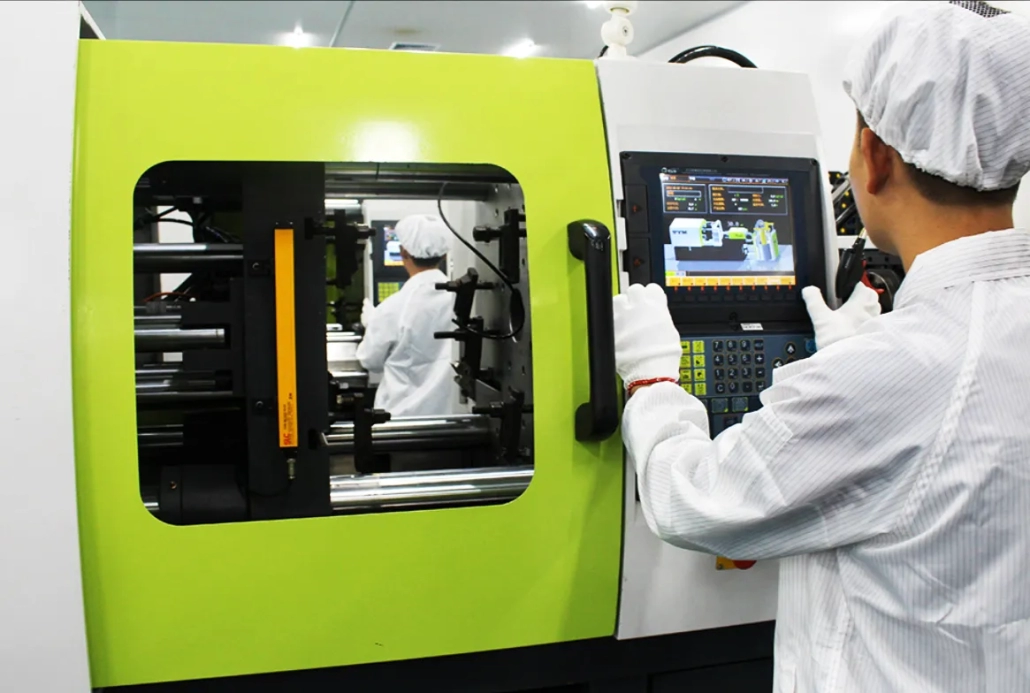


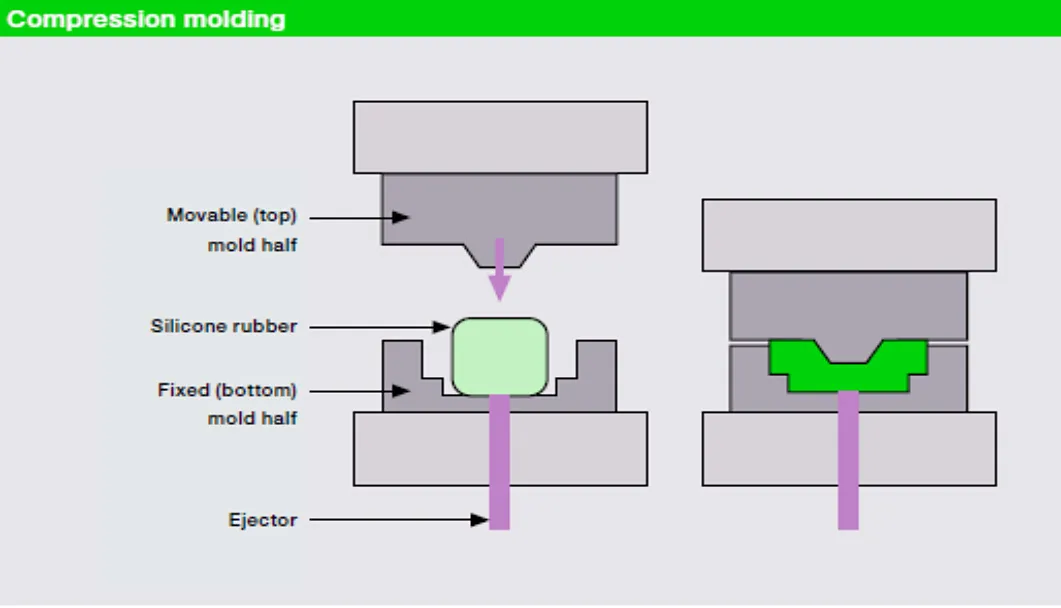
 Example: a dual-texture lick mat (from NEWTOP) has honeycomb pockets on one side and ripple grooves on the other, combining two textures to extend licking time. The pockets can hold chunks or thick spreads, while the grooves encourage slow licking.