Introduction: What Are Silicone Bottle Sleeves?


As the owner of NEWTOP SILICONE, a leading silicone products factory, I often get asked how silicone bottle sleeves are made. Silicone bottle sleeves are protective covers made from soft, flexible rubber-like silicone that slip over bottles, providing insulation, grip, and branding opportunities. They are commonly used on reusable water bottles, glass baby bottles, travel mugs, and even beer bottles.


The sleeve acts as a buffer between the container and your hand – keeping hot drinks from burning your fingers and cold drinks from sweating, all while helping prevent breakage if the bottle is dropped. Because silicone is food-grade, BPA-free, and hypoallergenic, these sleeves are safe for direct contact and ideal for baby products and drinkware  . In fact, high-quality silicone sleeves can tolerate extreme temperatures from about -40°C to 230°C without degrading  , making them perfect for both hot coffee flasks and icy water bottles.


Why do so many brands choose silicone sleeves? Beyond temperature insulation, silicone provides a non-slip grip and a comfortable feel. Many silicone bottle sleeves feature textured surfaces (for example, a sand-blasted matte finish or molded patterns) to increase friction  . This anti-skid design helps users securely hold the bottle and protects the container from bumps and drops. If you’ve ever seen a glass bottle with a colorful rubbery cover – that’s a silicone sleeve doing its job to prevent shattering. Additionally, silicone can be fully customized in shape, color, and logo, which is a huge advantage for brands. Companies often use bespoke silicone sleeves to display their logos, add vibrant colors, or create unique designs that enhance brand recognition every time someone takes a sip.


In this post, I’ll give you an insider’s tour of how we manufacture silicone bottle sleeves at our factory. You’ll see how we go from raw material to finished product through material selection, mold design, molding (compression or injection), post-processing, quality control, and finally packaging and logistics. I’ll also share why each step matters for product quality, customization potential, and brand value. By the end, you’ll understand what goes into making a top-quality silicone sleeve – and why working with a professional manufacturer like NEWTOP SILICONE ensures your custom product stands out on the market.


Market Demand: Why Silicone Sleeves Are Popular in Europe and America


Before diving into production, let’s look at the market landscape. Why should businesses invest in silicone bottle sleeves now? The answer lies in consumer trends and hard data. In recent years, Europe and North America have seen a surge in demand for reusable drinkware, driven by environmental awareness and anti-plastic legislation   . Reusable water bottles are no longer a niche – they’re a mainstream item for eco-conscious consumers. The numbers tell the story: the global reusable water bottles market reached about US$9.7 billion in 2024, and it’s projected to grow to US$15.24 billion by 2034  . North America currently leads with the largest share of this market, and Europe is right behind, expected to see the fastest growth in the coming years  . In Europe alone, the reusable bottle market was valued around $1.9 billion in 2023** and climbing steadily at ~4.5% CAGR as consumers and regulators push for sustainable alternatives to single-use plastics.


So, what does that mean for silicone sleeves? Well, many of those reusable bottles (especially glass and stainless steel ones) come with silicone sleeves or add them as accessories. Consumers love the combination of a sleek glass or metal bottle with a colorful silicone grip. It’s both stylish and functional. One industry report noted “the aesthetic appeal of reusable glass water bottles with silicone sleeves is growing in popularity” – not only do they look great, the sleeve absorbs impact if the bottle is dropped, preventing breakage  . Some brands even offer lifetime warranties on glass bottles whenpaired with a silicone sleeve, confident that the protective cover will keep the bottle intact  . This trend illustrates how a simple silicone sleeve can become a value-adding feature that sets products apart in a competitive market.


Beyond water bottles, baby product companies in the U.S. and Europe are also big drivers of silicone sleeve demand. Glass baby bottles have made a comeback for being safer and easier to clean than plastic, and almost all modern glass baby bottles are sold with a soft silicone sleeve for protection. Parents appreciate that the sleeve prevents slips and cushions the bottle (a big plus when you’re warming milk and handling bottles at 3 AM!). Likewise, outdoor and fitness brands use silicone sleeves on sports bottles for better grip during activities. All these factors contribute to a booming market for silicone sleeves. In fact, the global market for all kinds of silicone sleeves (covering everything from bottle covers to electronic device sleeves) is projected to grow from about $1.07 billion in 2023 to $2.8 billion by 2032, an impressive ~11% annual growth rate   . Clearly, demand is on the rise – especially in Western markets where consumers prioritize safety, style, and sustainability.


For B2B buyers, this popularity translates into an opportunity: offering products with custom silicone sleeves can make your brand’s bottles more attractive and durable, helping you win customers. But to capitalize on this trend, you need a manufacturing partner who can deliver quality and customization at scale. Next, I’ll walk you through how we do exactly that.

Step 1: High-Quality Material Selection


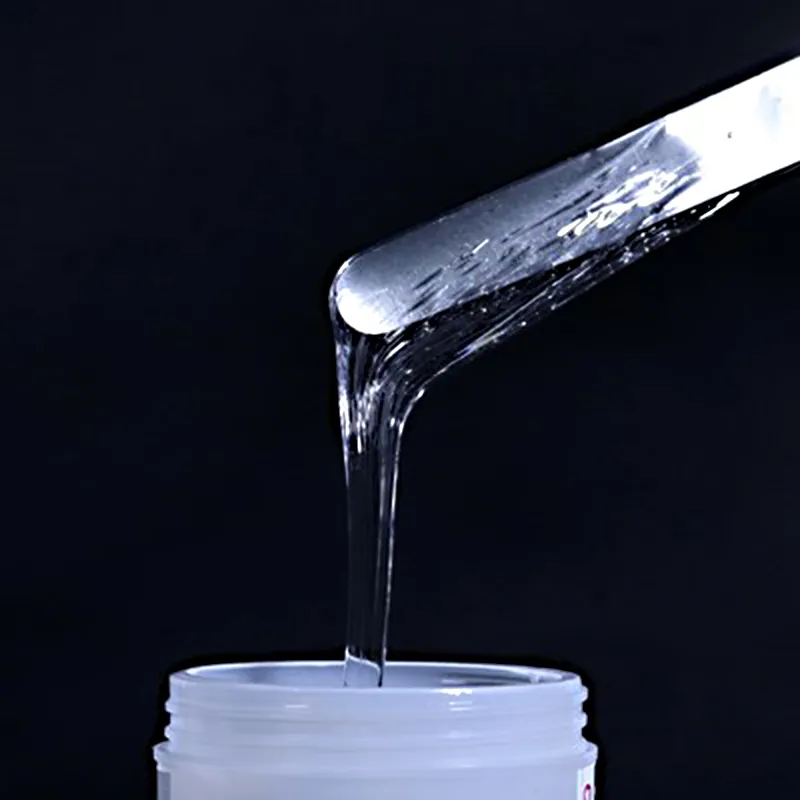
Every great product starts with great materials. In silicone manufacturing, material selection is a foundational step that directly affects the final quality. We begin by sourcing 100% premium food- grade silicone rubber for our bottle sleeves. This is a non-toxic, BPA-free silicone that meets strict safety standards (FDA and LFGB for food contact, RoHS for environmental compliance, etc.)  . Using certified food-grade silicone is crucial because many sleeves will wrap around drinkware or baby bottles, so they must be absolutely safe for users. I personally insist on high-purity silicone because lower-grade material can contain fillers or impurities that cause odors, discoloration, or weak durability – unacceptable for our clients’ brands.


Silicone comes in various grades and hardness levels (measured in Shore A durometer). Choosing the right silicone grade ensures the sleeve has the desired flexibility and strength. For bottle sleeves, we typically use a medium-soft silicone that is flexible enough to stretch over a bottle but robust enough to resist tearing or stretching out over time. We also select silicone with excellent heat resistance (so it won’t deform on a hot coffee mug) and cold resistance (it stays grippy, not brittle, in the freezer). The natural temperature tolerance of silicone (again, about -40°C to 230°C) means the sleeve will perform in a wide range of conditions.


Another aspect of material selection is color and additives. Brands often want specific colors to match their logo or theme. At NEWTOP, we can custom-match colors by mixing pigment masterbatches into the raw silicone. We use safe, non-toxic color pigments that won’t leach or fade. If a client wants a unique effect – say a glow-in-the-dark sleeve or one with glitter – we can incorporate those additives at this stage as well. However, we carefully test any additive to ensure it doesn’t compromise the silicone’s properties. The goal is to maintain that signature silicone durability: it should be waterproof, UV- resistant (so colors don’t sun-fade), and resistant to wear and tear.


In short, this first step is all about laying a solid foundation. By choosing top-grade silicone materials, we set the stage for a sleeve that will not only meet regulatory requirements in Europe and the U.S., but also hold up to daily use and reinforce the quality image of your brand. Skimping on materials might save a few cents upfront, but it risks product failures later – a risk we refuse to take. I often tell our clients: the feel of a silicone sleeve in the customer’s hand begins with the formulation of the silicone itself. We make sure it’s just right.

Step 2: Precision Mold Design and Engineering


Once we have the material, the next critical phase is mold design. Every silicone sleeve starts as an idea or a sketch – we turn that design into a precise steel mold that will shape the silicone. Mold making is an art and science of its own. At our factory, we have an experienced engineering team that works on CAD drawings and 3D models for the mold, based on the sleeve dimensions and any custom features the client wants. This includes the sleeve’s diameter, height, wall thickness, texture pattern, and logo details.


For example, if a client wants their logo or a unique pattern on the sleeve, we engrave that into the mold cavities with exacting detail. If they need cut-out windows or measurement markings (common on baby bottle sleeves), those features are also integrated into the mold design. The engineering team performs mold flow analysis to predict how the silicone will fill the mold – this helps us place the injection or compression points optimally and design air vents so that no air bubbles get trapped in the final product. A well-designed mold ensures the sleeve comes out with consistent thickness, smooth surfaces, and all the fine details intact.


Why does mold quality matter so much? Because the mold is essentially the blueprint for every sleeve that comes off the production line. A poorly made mold could result in defects like flash (excess silicone around the edges), weak spots, or misaligned shapes that make the sleeve not fit the bottle snugly. Such issues can hurt your product’s quality and brand reputation. That’s why we invest in high-precision CNC machining to fabricate our molds from durable steel. The mold halves must align perfectly. We also consider the mold’s longevity: for large orders, the mold might go through tens of thousands of cycles, so it needs to withstand high pressure and heat without warping.


At this stage, we collaborate closely with the client (that’s you, potentially!). We often produce a prototype mold or sample pieces for evaluation. This is part of our manufacturability analysis service – we want to ensure that the design not only looks good on paper but also works well in silicone form. Sometimes small tweaks in the mold design (like adding a slight draft angle or radius to edges) can significantly improve how the sleeve releases from the mold or how it feels in hand. As the factory owner, I personally review prototype samples to check that they meet our quality benchmarks and the client’s vision. Only once we and the client are happy do we proceed to full-scale manufacturing. It’s this careful mold engineering that enables us to achieve both high quality and custom branding on the silicone sleeves.


Step 3: Molding – From Raw Silicone to Sleeve Shape


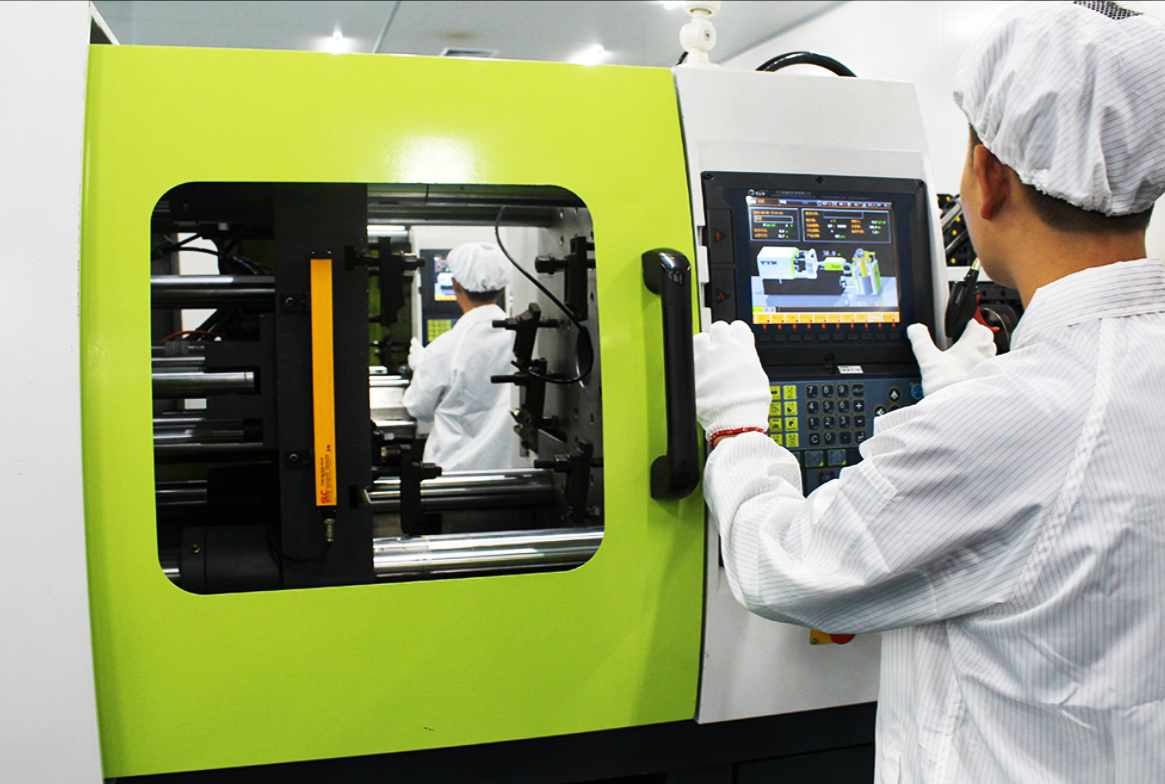
With a perfected mold in hand, we move on to the actual molding process. This is where the raw silicone material is formed into the bottle sleeve shape. In silicone manufacturing, there are two main molding methods we use depending on the product design and volume: compression molding and injection molding . We are proficient in both, and we choose the best method for each project to ensure efficiency and quality.


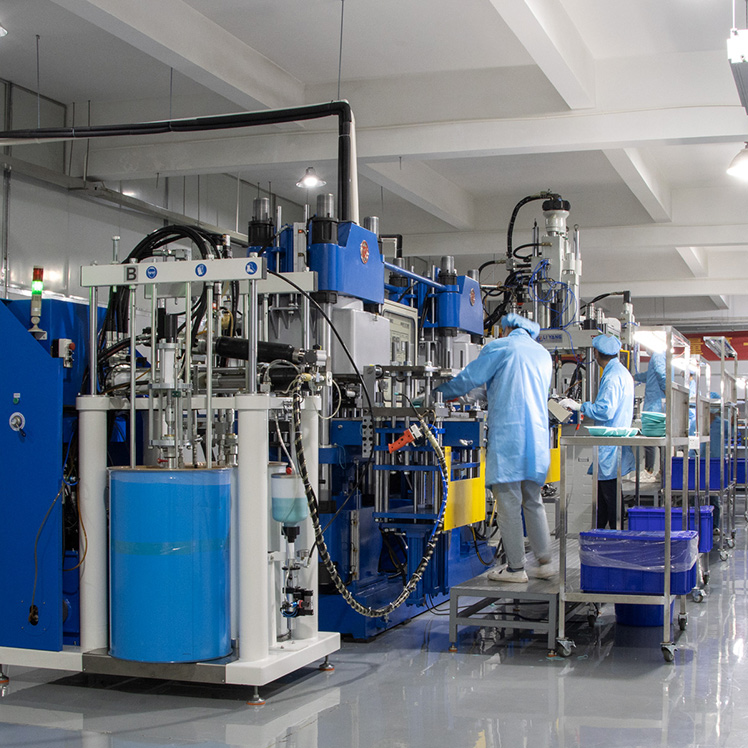
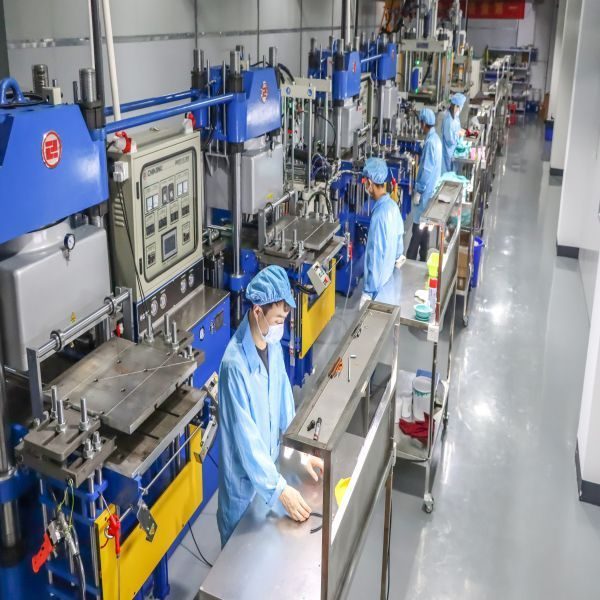
  • Compression Molding: This is a common method for many silicone sleeves, especially simpler designs. We take a measured amount of uncured solid silicone (often in the form of pre-cut discs or “gum” pieces) and place it into the heated mold cavity. The mold is then closed and compressed under several tons of pressure in a hydraulic The heat and pressure cause the silicone to flow and fill the mold shape, curing into the exact form of the sleeve. Compression molding is very effective for straightforward shapes like a cylindrical sleeve. It typically has a shorter mold fabrication time and can be more cost-effective for moderate volumes or larger, thicker parts. One big advantage is that it can produce sleeves without a visible parting line if designed cleverly (for instance, certain half-sleeve designs) . Once the mold opens, our operator will remove the semi-finished sleeve, which will be solid but still warm. We often slightly overfill the mold so that a thin flash forms, ensuring the cavity was completely filled – this flash will be trimmed off later in post-processing.


  • Injection Molding (Liquid Silicone Rubber – LSR): For more complex sleeve designs or very high production volumes, we use injection molding. In this process, liquid silicone (two-part platinum- cured silicone) is mixed and injected into the mold under pressure. LSR injection molding is done on specialized machines and is great for achieving intricate details, tight tolerances, or automated mass production . The silicone cures inside the heated mold quickly, and the

machine then ejects the part. Injection molding can produce consistent results cycle after cycle with minimal manual handling. It’s often chosen if the sleeve design has a lot of texture, or if we’re molding multiple sleeves per cycle in a multi-cavity mold to boost output. The trade-off is higher initial mold cost and machine setup, but for large orders it pays off in efficiency. At NEWTOP SILICONE, we have both traditional compression presses and modern LSR injection machines, so we can adapt to each project’s needs.


Whether compression or injection, precise control of molding parameters is key. We program the temperature, pressure, and curing time to ensure the silicone vulcanizes completely. Undercuring would leave the sleeve sticky or weak, whereas overcuring could make it brittle. Our technicians monitor each batch closely. We even account for factors like shrinkage – silicone can shrink slightly as it cools, so we design the mold size to compensate and guarantee the final sleeve fits the intended bottle dimensions perfectly.


At the end of the molding step, we have a fully shaped silicone sleeve, but it’s not quite ready for prime time yet. You’ll see that next we perform some finishing touches to turn that raw molded piece into a polished product worthy of your brand.


Step 4: Post-Processing and Finishing Touches

After a sleeve is molded, it goes through post-processing steps to clean it up and enhance its performance. One of the first tasks is deflashing and trimming. As mentioned, a thin excess layer of silicone (flash) often surrounds the part along the mold’s parting line. Our workers carefully remove this by hand or using a small trimming tool, ensuring a smooth edge. This is meticulous work – a well- trimmed sleeve will look seamless, while poor trimming can leave a rough edge or even affect how the sleeve sits on the bottle. We also punch out any design features that were molded closed (for example, if the sleeve has holes or windows that need to be cleared of thin film). Attention to detail here is important for both appearance and safety (nobody wants a loose bit of silicone hanging off their bottle sleeve).


Next, we typically perform a secondary curing (post-curing) process. This involves placing the molded sleeves in an industrial oven at a controlled temperature for several hours . The secondary vulcanization step drives off any remaining volatile substances and fully stabilizes the silicone’s properties   . It’s especially crucial for products that will be in contact with food or mouths (like baby bottle sleeves), as it ensures there are no residues and reduces any silicone smell. Post-curing also can slightly improve the tensile strength and elasticity of the silicone by completing all cross-linking reactions. In short, it makes the sleeves cleaner and more durable. I always prioritize this step even if it adds extra time, because it’s part of delivering a premium product.


Depending on the product requirements, we also apply various surface treatments or finishes. For example, if a client wants a matte texture, we might have already sandblasted the mold, but we can additionally give the sleeves a quick tumble in a drum with a mild abrasive to even out any sheen. Alternatively, some sleeves might receive a coating (food-safe, of course) to reduce dust attraction (silicone can attract lint due to static; a coating can mitigate that). If the sleeve needs printed graphics or text (beyond what’s molded in), we use techniques like silk screen or pad printing to add logos, measurement markings, or decorative patterns. We use specialized silicone ink that bonds permanently to the sleeve when cured, so the print won’t rub off during use. For instance, we’ve printed measurement scales on baby bottle sleeves and branding on coffee cup sleeves as per clients’ designs.


Throughout post-processing, each sleeve is handled with care. Silicone parts are surprisingly tough but we don’t want to scratch or deform them before they reach customers. My team wears gloves and keeps workspaces clean. By the end of this stage, the silicone sleeves are looking and feeling exactly as intended: smooth, clean, and ready to use. We have transformed raw molded pieces into polished, retail-ready products that reflect the quality of the brand they represent.


Step 5: Rigorous Quality Control at Every Step


Quality control isn’t a single step – it’s an ongoing process woven into each stage of manufacturing. As the owner, I’ve made it a cornerstone of our culture at NEWTOP SILICONE that every team member is responsible for quality. Still, we do have formal QC checkpoints and tests to make sure that every sleeve we produce meets both our standards and our client’s specifications.


Quality control technicians carefully inspect each silicone sleeve under proper lighting. We perform visual inspections on every batch of sleeves, checking for any cosmetic defects or irregularities. Our trained QC staff examine the sleeves under good lighting to spot issues like uneven coloring, air bubbles, incomplete filling, tears, or improperly trimmed flash. Any part that doesn’t pass muster is rejected or sent back for rework. This careful screening is critical – it ensures that your end customers will only ever see flawless products representing your brand.


But we don’t stop at visual checks. We also conduct measurements and functional tests. Using calipers and gauges, we verify key dimensions (inner diameter, length, thickness) to make sure the sleeve will fit the bottle model it’s intended for, every time. For instance, a slight variation in diameter could make a sleeve too loose or too tight, so we keep tolerances tight. We also test the sleeve’s elasticity by fitting it onto an actual bottle to confirm it goes on snugly and stays put. In our lab, we have equipment to test properties like tensile strength and tear resistance    – these give us data to ensure the material quality is consistent and that the sleeves won’t rip under normal use. If the product has to meet certain standards (e.g., a specific country’s safety certification), we may perform additional tests or send samples to third-party labs for verification.


Another aspect of QC is process control: we keep detailed records for each production run (material lot numbers, molding parameters, curing times, etc.). This traceability means if there ever were an issue, we could pinpoint the root cause quickly  . It’s worth noting that such issues are extremely rare for us due to our upfront diligence, but having a robust quality management system is part of being a reliabl manufacturer. We are ISO-certified and follow strict quality procedures – something our European and American clients appreciate deeply.


In short, quality control is about guaranteeing consistency. Your 10,000th sleeve should be just as good as the first one. We take pride in our low defect rates and high client satisfaction. As I often say, every silicone sleeve that leaves our factory carries a bit of our reputation with it. So we make sure it’s worthy of yours.

Step 6: Customized Packaging and Logistics


With production complete and each sleeve inspected, the final step is getting the products safely to your doorstep. Packaging is more than just an afterthought – it’s an extension of your brand and an important part of protecting the product. We offer customized packaging solutions to meet our B2B clients’ needs   . For example, if you require retail packaging, we can package each silicone sleeve in an individual poly bag or design a cardboard display box with your branding. Some clients want a simple bulk pack to minimize waste, which we accommodate by carefully stacking sleeves in export cartons. Others might need special labels, barcodes, or instructions included with each unit – we handle all those details to make sure the product is shelf-ready when it arrives at your distribution center.


When it comes to bulk shipping, we pack the sleeves in sturdy corrugated cartons, with appropriate protective layering if needed (though silicone is not fragile, we still ensure the boxes won’t be crushed or the products deformed under weight). We optimize carton size and weight to reduce shipping costs and meet international freight standards. For large orders to Europe or the Americas, we usually arrange sea freight in shipment containers to keep costs economical, unless the client requests air freight for faster delivery. Over the years, my logistics team has gained a lot of experience with international shipping documentation, customs requirements, and import regulations for silicone goods. We make sure all necessary paperwork (commercial invoices, packing lists, certificates of origin, etc.) are in order, so your shipment clears customs smoothly.


One thing I emphasize is clear communication and tracking. Once your order is dispatched, we provide tracking information and regular updates. Shipping across continents can be complex, but we’ve mastered it so that our clients in the US and Europe have a worry-free experience. From our factory floor to your warehouse, we treat your products like our own. Timely delivery is crucial for your business, so it’s crucial for us too.


Finally, upon receiving the sleeves, many clients do a quick in-house check or assembly (for instance, pairing the sleeves with bottles). We often get delighted feedback at this stage – there’s nothing like seeing your envisioned product come to life, exactly as you wanted, ready to impress your customers. For me, that is a rewarding moment every time.


Conclusion: Bring Your Brand to Life with Custom Silicone Sleeves


Manufacturing silicone bottle sleeves is a complex process with many steps – from choosing the right material and crafting precision molds, to molding, finishing, and stringent quality checks. Each step is essential to create a sleeve that not only looks good but also performs flawlessly in the hands of your customers. As both the owner of NEWTOP SILICONE and someone passionate about silicone manufacturing, I ensure that we treat every project with professionalism and care. My team and I understand that when you entrust us with your brand’s product, you expect superior quality, adherence to specs, and timely delivery – and that’s exactly what we deliver.


The market for silicone bottle sleeves in Europe and America is vibrant and growing, and having a reliable manufacturing partner can give your business a competitive edge. Whether you’re looking to add a premium touch to a new line of bottles or develop a custom-designed sleeve as part of your product launch, we’re here to help make it a reality. We offer one-stop customized service – from initial design consultation and mold engineering to mass production, printing, and packaging    . In other words, we handle the heavy lifting of production while you focus on growing your business.


If you’re interested in creating your own silicone bottle sleeves or have any questions, I encourage you to take the next step. Visit NEWTOP SILICONE’s customization page on our website to learn more about our OEM/ODM services, or head to our product pages to see examples of what we’ve made for clients worldwide. You can also contact us directly for a consultation or quote – we’d be excited to hear about your project and offer our expertise.


Your brand deserves products that reflect its values of quality and innovation. Silicone bottle sleeves can be a small item that makes a big impression on customers, and getting them made right is crucial. At NEWTOP SILICONE, we take pride in making that happen. Let’s work together to bring your custom silicone ideas to life. We’re ready when you are – feel free to reach out and let’s start crafting something great, together.
 

In order to gain a deeper understanding of the hot sales of silicone products in the US e-commerce market, we analyzed the main categories based on sales data, user reviews and search trends in the past two years (2024-2025).


The analysis found that silicone products are popular in the fields of kitchen, maternal and child, beauty, health care, pets, electronic accessories, etc. due to their safety, non-toxicity, high temperature resistance and easy cleaning.


The specific performance and future trends of each category are as follows:


1.    Hot sales trend of kitchen silicone products


Sales and popularity:


Silicone kitchen tools have become standard kitchen supplies, and sales continue to grow. Especially driven by the concept of environmental protection, the sales of reusable silicone products have increased significantly. For example, silicone baking mats, as anti-stick mats for baking, saw a double-digit year-on-year sales growth in the third quarter of 2024.


In addition, with the popularity of air fryers, the demand for related accessories has increased, and a large number of consumers have begun to buy silicone air fryer mats/paper pads instead of disposable baking paper. Data shows that in 2023, silicone liners will account for about 60% of the air fryer liner market, ahead of disposable paper liners. This shows that consumers tend to choose reusable silicone accessories to reduce waste.


User evaluation and preference:


Users generally give high praise to silicone kitchenware for its high temperature resistance (usually resistant to 200~230℃ or above), non-stick pans, and easy cleaning.


For example, many consumers mentioned in their evaluation that silicone spatulas “do not damage the pot, do not stick to oil stains, and can be cleaned with a rinse of water”, and the material is soft and not easy to scratch the surface of the non-stick pan. At the same time, silicone material has no odor and is food-grade safe, so users can use it with more confidence.


In terms of color and style, kitchen silicone products have both fashionable colors such as macaron colors and classic black and gray to meet different aesthetics. Many silicone kitchenware sets provide a complete set of multiple tools, which are popular with users, and their high cost performance and unified style have won a lot of praise.


Best-selling products and brands:


Silicone cooking tool sets: The leading sales on Amazon are multi-piece silicone kitchenware sets like Umite Chef, which have long been ranked first in the sales of cooking utensil sets. These sets usually include more than 20 silicone tools such as scrapers, soup spoons, colanders, spatulas, etc., which can meet various kitchen needs. The average user rating is around 4.6/5, and the number of reviews is tens of thousands, showing wide recognition.


Silicone baking mats: Amazon’s own brand silicone baking mats are ranked first on the baking mat best-seller list with a high rating of 4.7 stars and tens of thousands of reviews. Users report that this type of product is resistant to high temperatures, non-stick and reusable, replacing traditional disposable baking paper, which is both economical and environmentally friendly.


Silicone food storage bags: Among kitchen storage supplies, reusable silicone food storage bags from brands such as Stasher have become popular in recent years. Made of high-purity platinum silicone, it can be used in freezers, microwaves, and ovens. It is durable and has good sealing properties, and is loved by consumers who advocate environmental protection. The search volume and sales of this product on platforms such as Amazon continue to rise, making it a dark horse in the kitchen category.


Emerging trends:


New silicone products in the kitchen field are emerging in an endless stream, with environmental protection and multi-function being the main keywords. For example, silicone food storage covers/bowl covers of various sizes (such as Food Huggers fruit covers) have become popular under the trend of advocating “zero waste kitchens”. They can cover cut fruits or bowl rims and reduce the use of plastic wrap.


For example, silicone straws, silicone ice trays and other products that replace disposable plastic products also maintain a stable demand. It can be foreseen that in the future, kitchen silicone products will develop in the direction of higher quality (such as platinum silicone), complete sets, and multi-function designs to meet consumers’ dual requirements for health, environmental protection and convenience.


2. Hot sales trend of maternal and infant silicone products


Sales and popularity:


In the field of maternal and infant products, silicone is favored by young parents because of its safety, non-toxicity, softness and durability. In recent years, maternal and infant products are gradually becoming “silicone-based”.


For example, in the baby pacifier market, about 60% of pacifiers are made of silicone or natural rubber, and parents generally believe that such materials are safer. The US baby pacifier market will be worth about US$464 million in 2024 and will steadily expand at an annual growth rate of more than 6%.


One of the major driving forces is the popularity of silicone pacifiers: a survey shows that 30% of consumers clearly prefer silicone (or natural rubber) pacifiers to avoid harmful chemicals in traditional plastics. In addition to pacifiers, silicone materials are also widely used in products such as teethers, bibs, feeding utensils, and children’s tableware. The sales of these categories on e-commerce platforms have increased significantly in recent years.


User reviews and preferences:


Safety and practicality are the factors that parents care about most. Silicone maternal and infant products are usually FDA food-grade certified and do not contain harmful ingredients such as BPA and phthalates, allowing parents to use them with peace of mind.


Several advantages of silicone products are frequently mentioned in user reviews:


  • soft and harmless to babies (for example, silicone teethers are not hard to bite, protecting the baby’s tender gums)


  • one-piece molding does not hide dirt (many silicone pacifiers and feeding training utensils are one-piece designs to avoid bacteria breeding in gaps)


  • easy to clean and disinfect (can be boiled at high temperature or put in a dishwasher).


At the same time, parents also have preferences for the design of products. Recently popular baby silicone tableware and bibs often use fashionable and cute designs such as macaron colors and cartoon patterns, which are not only practical but also beautiful.


For example, the silicone bibs launched by the well-known maternal and infant brand Mushie are popular because of their soft colors and simple patterns. Consumers commented that the thickness of the material is “just right, soft and stiff enough“, and it is not easy to break even if the baby bites it.


Best-selling products and brands:


Silicone pacifiers: Philips Avent’s Soothie series of silicone pacifiers are extremely popular in the United States, and have long been ranked first in sales in the baby pacifier category on Amazon.


This product is recommended by hospitals and is molded in one piece with medical-grade silicone without any plastic parts. It is suitable for babies aged 0 to 6 months and has received tens of thousands of positive reviews with an average rating of 4.8 stars. This shows that consumers highly recognize its safety and durability.


In addition to large brands, silicone pacifiers launched by Internet celebrity brands such as Itzy Ritzy (such as the Sweetie Soother series) are also popular due to their fashionable colors and high-quality materials, and have a place in the maternal and infant product market segment.


According to industry reports, the demand for orthodontic pacifiers (pacifiers designed to meet oral development) is also rising, accounting for about 40% of new products launched. Many of these products are also made of silicone to balance functionality and safety.


Silicone teethers and feeding supplies: The demand for teething during the teething period makes silicone teethers a must-have. For example, Nuby fruit-shaped silicone teethers and Comotomo silicone grip teethers have thousands of reviews on Amazon. Parents generally report that silicone teethers are soft, easy for babies to grip, and have interesting styles, which effectively relieve teething discomfort.


Also popular are silicone food supplement feeders (also known as bites), which use silicone pacifiers with small holes to let babies practice eating fruit purees by themselves without choking, and sales are growing steadily.


In addition, silicone baby tableware sets (including suction cups, bowls, spoons and forks, bibs, etc.) for adding complementary foods have seen a surge in sales on e-commerce platforms in the past two years, with many products selling more than 10,000 per month. This type of set product can also be seen on hot sales at Walmart and other shopping malls. Parents commented that these silicone tableware are resistant to falling and hitting, and are not afraid of being thrown by babies. They are fixed with suction cups to prevent spilling, and are good helpers for parenting.


Silicone milk bottles and breast milk related products: Traditional milk bottles are being replaced by new materials. All-silicone milk bottles (such as Comotomo squeezable milk bottles) have been very popular in recent years. The body of this type of milk bottle is made of soft silicone, which feels close to the skin and simulates the breastfeeding experience. Many breastfeeding mothers report that their babies are more willing to accept it.


In addition, silicone is also used in breast pumps and breast pads. For example, Haakaa silicone milk collectors are known for their portability and silence, and their sales are leading in the world. It can be foreseen that with the innovative application of silicone materials in the maternal and infant field (such as smart nipples: new functions such as built-in temperature sensors), maternal and infant silicone products will expand into more market segments in the future.


Emerging trends:


Overall, the preference for silicone materials in the maternal and infant market will continue to strengthen. On the one hand, environmental protection and sustainability have become trends. Many brands have begun to use degradable silicone or strengthen durable designs to make products long-term use or even second-child relay, and use practical actions to reduce waste.


On the other hand, personalized customization is on the rise. For example, some businesses provide services such as silicone soothing chains with customized names and silicone pacifier clips to meet the young parents’ pursuit of uniqueness. On platforms such as Etsy, hand-made customized silicone products (such as pacifier chains with colorful silicone beads and teether toys) are also very popular, showing a certain market growth potential.


In summary, safety, design sense and functional innovation will be the keywords for the future development of silicone maternal and child products.


3. Hot sales trend of beauty silicone tools


Sales and popularity:


In the field of beauty and personal care, silicone materials have also set off a wave of innovation. This is especially evident in cleansing and beauty tools.


In recent years, the popular silicone electric cleansing brushes (such as the Foreo Luna series) have led the trend of facial cleansing devices. This type of product cleans the skin through high-frequency vibration of silicone contacts, which is more efficient than hand washing and is sought after by consumers. It is reported that sales of various home beauty instruments will increase in 2024, among which silicone cleansing devices represented by Foreo have been repeatedly mentioned. Consumers are increasingly willing to perform professional-grade beauty care at home, which has promoted the prosperity of the silicone beauty tool market.


At the same time, some silicone makeup tools are also popular, such as silicone powder puffs, beauty eggs, and silicone brush cleaning pads. These products have frequently appeared on social media, driving a certain amount of sales. Although traditional sponge beauty eggs are still the mainstream, silicone powder puffs are regaining attention as innovative tools that do not eat powder.


Overall, the market popularity of beauty silicone tools will steadily increase in 2024, and will show a trend towards diversification and professionalism.


User evaluation and preference:


Beauty tools are related to skin health and makeup effects. Users have a high evaluation of the hygiene and functionality of silicone materials. First of all, silicone is not easy to breed bacteria. For example, many users commented on silicone cleansing brushes as “more hygienic than nylon brush heads, just rinse after use, no mold”, which solves the problem that traditional brush heads need to be replaced frequently.


Secondly, silicone is soft and gentle, suitable for sensitive skin. The silicone bristles of the Foreo cleansing instrument are praised as “soft and not harmful to the skin, cleansing and massage to promote blood circulation”.


For silicone cotton pads/powder puffs, users value their characteristics of not absorbing cosmetics and not wasting foundation. “Not eating powder” means that makeup can be completed with less product, which is economical and efficient. However, some users need to adapt to the different feel of silicone puffs compared to sponges.


Thirdly, users like silicone tools because they are easy to clean and dry quickly. For example, silicone beauty sponges can be rinsed with water or rubbed with makeup remover after use, and they will dry quickly, unlike traditional sponges that easily leave dirt.


In terms of color preference, beauty silicone products are mostly pink or bright colors (for example, Foreo facial cleansing devices are available in pink, blue, purple, etc.), giving people a clean and fashionable impression.


Best-selling products and brands:


Silicone electric facial cleansing brush: The Luna series of Swedish brand Foreo is a representative best-selling product in this category. Among them, Foreo Luna 4 is equipped with a soft silicone brush head and multiple vibration modes. It is said to be more effective than hand washing in removing dirt and makeup residues, while being gentle and non-irritating. ​


According to data, the product is highly praised for its ability to improve cleaning power while promoting blood circulation. Foreo ranks among the top sellers in Amazon facial care appliances, with a user rating of about 4.5 stars.


Many consumers commented that “the skin is smoother and cleaner after purchase, but the price is high” – this has also spawned many affordable alternatives. For example, the affordable silicone facial cleansing device launched by Chinese brands such as Cosmina has also achieved good sales in the US market through social media marketing, indicating that there is a strong demand for such products.


Silicone beauty eggs/powder puffs: Among beauty makeup tools, silicone materials were once popular around 2017, and have recently attracted attention with the concept of environmental protection and makeup saving. In 2024, some mainstream beauty brands launched new products combined with silicone. For example, MAC’s Stack microfiber beauty sponge uses a silicone core + surface fluff design, which combines the advantages of silicone not absorbing powder and sponge easy to apply makeup.


This product is regarded as an “innovative upgrade of silicone powder puffs” and has a good reputation among professional makeup artists. In general, silicone beauty eggs are still a niche market, and niche consumers prefer their characteristics of saving foundation and easy cleaning.


The sales of silicone powder puffs on large e-commerce platforms are not as good as traditional beauty eggs, but they remain stable and show signs of rising. It can be foreseen that if the makeup texture problem is solved in the future, silicone powder puffs may further expand the market.


In addition, silicone brush cleaning pads (small silicone pads for cleaning makeup brushes, with textures for easy friction of bristles) are also common tools among makeup enthusiasts. Silicone cleaning pads from brands such as Sigma have considerable sales, and users have commented that they have greatly improved the cleaning efficiency of brushes.


Bath silicone brush/bath scrub artifact: In addition to facial beauty, silicone body cleaning brushes have also become an Internet celebrity product. In 2024, a silicone bath brush called Sud Scrub became popular on TikTok. This product is advertised to use food-grade silicone, which can prevent 99.99% of bacteria from growing, solving the problem of traditional bath towels/bath balls being prone to mold. Sud Scrub also focuses on the concept of environmental protection, and through sales, it donates to marine plastic cleaning, which resonates with young consumers.


This type of silicone bath brush has a variety of colors and a simple shape, and is loved by people who pay attention to personal hygiene and environmental protection. At present, Sud Scrub is mainly sold through its own official website. It is reported that its inventory was once sold out after it became popular, leading other brands to launch similar silicone bath scrub products.


Many silicone bath towels and silicone back brushes can also be seen on Amazon. User reviews generally say that they are “cleaner, more economical and less harmful to the skin than traditional bath towels.” It is foreseeable that such products will become a growth point for new bathroom products.


Emerging trends:


In the future, silicone products in the field of beauty and personal care will develop towards intelligence and specialization.


On the one hand, more technological skin care products will introduce silicone materials, such as silicone beauty masks (silicone masks combined with LED light therapy), etc., to meet consumers’ new needs for beauty at home.


On the other hand, the application of silicone in home SPA and massage products is also increasing, such as silicone cupping massagers, silicone facial muscle-pulling boards, etc., combining traditional physiotherapy with modern materials.


In addition, as consumers pay more attention to skin care and cleaning, the trend of disposable/unsustainable beauty tools being replaced by reusable materials such as silicone will continue.


For example, the recent advocacy of replacing bath sponges with silicone body brushes and replacing disposable cotton swabs with silicone cotton swabs reflects emerging demands driven by environmental protection and hygiene. These have brought new growth opportunities to the beauty silicone tool market.


4. Hot sales trend of health care silicone products


Sales and popularity:


In the field of health and wellness, silicone materials also play an important role. In recent years, many traditional medical and health care products have become more portable and home-use due to the introduction of silicone materials, thus opening up the consumer market.


Silicone cupping is a typical example. Cupping therapy used to be used in traditional Chinese medicine clinics, but now ordinary consumers can buy a set of silicone cupping for self-care at home. Various types of silicone cupping sets have considerable sales online and have been listed as best-sellers in the “massage tools” category of Amazon many times. For example, in the BestReviews website’s 2023 Best Cupping Device Rating, the best choice is a set of 8 silicone cupping cups, which is also recommended by professionals.


Another example is the silicone cupping set of the well-known brand Lure Essentials, which is trusted by massage therapists for its reliable quality. Its 4-piece set claims to use medical-grade silicone and does not contain harmful substances such as BPA, and is very popular among professionals.


In addition to cupping, silicone is also widely used in sports protection and rehabilitation products. Common sports knee pads and elbow pads are embedded with silicone anti-slip strips or gel pads on the inside to increase support and stability and improve user experience. According to CNN, elastic knee pads with silicone wave anti-slip strips are popular among consumers. This design ensures that the protective gear is not easily displaced during exercise.


Overall, the sales of health care silicone products on online platforms have been steadily increasing, reflecting the public’s increasing attention to home health care and sports protection.


User reviews and preferences:


Health care products are about efficacy and comfort. Users have good reviews of silicone in such products, focusing on:


Anti-slip and fit: Many knee brace users mentioned that the silicone strips provide excellent anti-slip effect, “not easy to slide down after putting it on.” This is very important for people who need to wear it for a long time or use it during exercise. Compression knee braces with silicone anti-slip generally have high ratings on Amazon, around 4.5 stars, proving that they meet user needs.


Comfortable and safe material: Silicone is soft and non-irritating to the skin, suitable for direct application to the skin. For example, silicone cupping can be used to control the suction strength by squeezing it during use because of its flexible material. Users report that it is safer and easier to use than glass cupping, and will not cause burns. In addition, for products such as silicone heel pads and silicone insoles, consumers value its gel-like shock-absorbing comfort and odor-free material.


Cleanliness and durability: Health products often need to be cleaned or replaced frequently. Silicone is easy to clean and not easy to age and deform, which satisfies users. For example, silicone cupping can be washed and dried after use, and it can maintain its elasticity after repeated use; the gel pad embedded in the silicone knee pad can also maintain its shape for a long time. These characteristics make consumers feel that it is worth the money.


Best-selling products and brands:


Silicone cupping therapy kit: There are many types of silicone cupping products on major e-commerce platforms, which are generally divided into two categories: body cupping and facial beauty cupping.


Lure Essentials is a best-selling professional brand in the United States. Its 4-piece silicone cupping kit ranks among the top-selling massage products on Amazon. The kit provides cups of different sizes for various parts of the body. It has received good reviews for its thick and durable material and easy hand-held pressing. Users commented that it has “strong adsorption, self-adjustable, and safer without open flames”, suitable for daily family use.


In terms of affordability, there are also many large kits of more than 8 pieces on Amazon (usually including silicone cups and pumping balls of different sizes), which are affordable and large in quantity, and are very popular among ordinary consumers.


It is estimated that tens of thousands of silicone cupping sets are sold in the US online market every month, and cupping health care has become a trend.


Silicone knee pads and sports support: Sports protection knee pad brands such as Modvel and PowerLix have added silicone elements to their products to improve performance. For example, the Modvel compression knee brace has a wavy silicone anti-slip strip on the inner edge of the fabric and a silicone ring pad embedded around the patella, which effectively prevents the knee brace from slipping and protects the kneecap. This product has tens of thousands of reviews on Amazon, with a rating of about 4.5 stars. Many users praise that “the silicone strip keeps the knee brace firmly fixed on the knee.”


As for high-end brands, Germany’s Bauerfeind’s GenuTrain series knee brace is equipped with a specially designed medical silicone gasket to provide precise support. Although the price is relatively high, its comfort and support are excellent, and it is highly praised by athletes and rehabilitation patients.


In addition to knee braces, silicone is also used in supportive protective gear such as elbow pads, ankle pads, and belts to enhance the wearing experience. These products have good sales in physical stores such as Walmart and Dick’s and online.


Other medical silicone products: Silicone is widely used in medical supplies due to its biocompatibility. Some consumer products also benefit from this. For example, medical silicone gel patches for scar application (such as ScarAway silicone patches) are widely recommended by plastic surgeons for reducing scars after surgery or during wound healing, and their sales in online pharmacies are stable. Another example is silicone earplugs. Innovative products such as Loop Earplugs combine hearing protection with fashion, use soft silicone to filter noise, and have a compact and stylish appearance. They were listed on Fast Company’s list of the most innovative companies in 2024.


Young consumers regard them as health fashion products, which has driven the sales of high-end silicone earplugs. In general, there are many categories of silicone products related to health care, but the common point is that they meet the needs of family rehabilitation and self-care. With the improvement of national health awareness and the popularization of home physiotherapy concepts, this field still has great growth potential.


Emerging trends:


In the future, health care silicone products will continue to extend to home use and intelligence.


On the one hand, more professional treatment devices may launch home versions, such as silicone cold/hot compress physiotherapy devices, silicone muscle massage gun heads (soft and harmless), etc., to help people complete basic treatment and relaxation at home.


On the other hand, silicone may be combined with smart devices, such as wearable silicone health patches, which are attached to the skin to monitor vital signs and data (preliminary products have been launched). Although these are cutting-edge explorations, they reflect the application prospects of silicone materials in the health field.


In addition, with the popularity of yoga fitness, silicone yoga auxiliary products (such as silicone stretching bands, silicone acupressure boards) may become a new trend. It can be foreseen that the penetration rate of silicone products in the health care market will become higher and higher.


Hot sales trend of pet silicone products


Sales and popularity:


The rise of the “furry kid economy” has also driven the upgrading of pet products. Silicone materials are popular in pet products because they are easy to clean, durable and safe. In particular, silicone plays an important role in products that emphasize pets’ emotional relief and healthy feeding.


Pet licking mats (Lick Mat) are very popular silicone pet products in the past two years. This is a textured silicone mat that can be smeared with peanut butter, pumpkin puree and other foods for pets to lick, which plays a role in soothing, decompressing and slow feeding.


According to pet media reports, licking mats have become the star product of pet comfort toys in 2024, and many brands have launched licking mats of different designs. Most of the best licking mats selected by “The Spruce Pets” at the end of 2024 are made of food-grade silicone and have a strong suction cup design at the bottom, which can be firmly attached to the floor or bathtub.


This shows that silicone licking mats are not only popular on e-commerce platforms, but also recognized by industry experts. Also popular are silicone pet placemats (placed under the food bowl to prevent slipping and spilling) and silicone folding food bowls (used when walking the dog outdoors). These products are often sold at the top of Amazon and pet supply websites (such as Chewy), and are essential items for pet families.


User reviews and preferences:


Pet owners mainly focus on the following when evaluating silicone pet products:


Material safety: Silicone licking pads and other products that are directly ingested require food-grade silicone, non-toxic and odorless. Users are very satisfied with this, and feedback that it is safe and secure for dogs and cats to use silicone pads, and there will be no plastic smell or harmful substances precipitated.


Some brands also emphasize that they do not contain BPA, which further caters to pet owners’ psychology of taking care of their pets “like children.”


Functional and practical: From the reviews, pet owners prefer silicone products with clever designs. For example, the texture and grooves on the surface of the licking pad determine the use effect. Users have found that different patterns can prolong the pet’s licking time and achieve a better soothing effect.


Another example is a licking mat with a suction cup that can be attached to the bath wall during bathing. The dog will quietly cooperate with the bath by licking the peanut butter, solving a practical problem. Silicone placemats are waterproof and non-slip, greatly reducing the trouble of pets getting stains everywhere when eating. These practical functions have been highly rated by users.


Easy to clean and durable: Pet owners attach great importance to the ease of cleaning of supplies. Silicone products are one-piece and non-greasy, and can be easily washed with water or put in the dishwasher. Users particularly like this and say that “silicone licking mats are thrown into the dishwasher after use, which is very convenient.” At the same time, high-quality silicone mats are not easily bitten by pets and are durable.


For example, the thickened and reinforced “Tuff” licking mat launched by LickiMat is designed for some dogs who like to chew ordinary mats, and is very popular among large dog owners. This shows that durability is also one of the preference factors.


Best-selling products and brands:


Pet licking mats: There are many licking mat brands on the market, among which Mighty Paw, LickiMat and others are relatively well-known. The best overall licking pad selected by Spruce Pets is a silicone licking pad produced by Mighty Paw. It features food-grade silicone material, heavy-duty suction cups on the back, non-slip fixation, and four different textured areas on the front to increase the fun and challenge of licking. This product is priced at about $15 on Amazon, with thousands of reviews, an average of 4.7 stars, and is recommended by many pet bloggers.


Similarly, the Australian brand LickiMat was the first to popularize the concept of licking pads. Its classic models and enhanced bite-resistant Tuff series have considerable sales worldwide. On pet e-commerce platforms such as Chewy, LickiMat silicone licking pads have long maintained a high rating of more than 4.6 stars.


In addition, major retailers have also launched private-label products, such as Walmart’s Vibrant Life silicone licking pads and Frisco (Chewy’s own brand) silicone licking pads, which are affordable and have seen a significant increase in sales in recent years. It can be said that licking pads have gone from novelty products to a regular item for many pet families.


Silicone pet tableware and cleaning supplies: In addition to licking pads, silicone supplies related to pet eating also include silicone food bowl pads, which are used to pad under pet food bowls. This type of product is usually a large silicone pad with raised edges to prevent water from leaking out, and it ranks among the top sellers in the “Pet Food Bowl Pad” category on Amazon.


Silicone pads from brands such as Hubulk are widely praised, and users say that “the anti-slip effect is good, and dogs will no longer push the bowl around when eating.” Foldable silicone water bowls/food bowls are also popular among pet outdoor supplies. Many dog ​​owners must have them when walking their dogs. A palm-sized foldable can be hung on the leash, and unfolded to drink water, which is very convenient.


In addition, silicone pet bathing brushes (handheld brushes used for pet grooming and massage) are also very popular. Compared with traditional metal pin combs, silicone brush teeth are softer and more suitable for short-haired dogs and cats. They can effectively remove loose hair and massage pets at the same time. Many cats even enjoy the brushing moment. This type of silicone brush is cheap, has huge sales, and is generally rated around 4.5 stars.


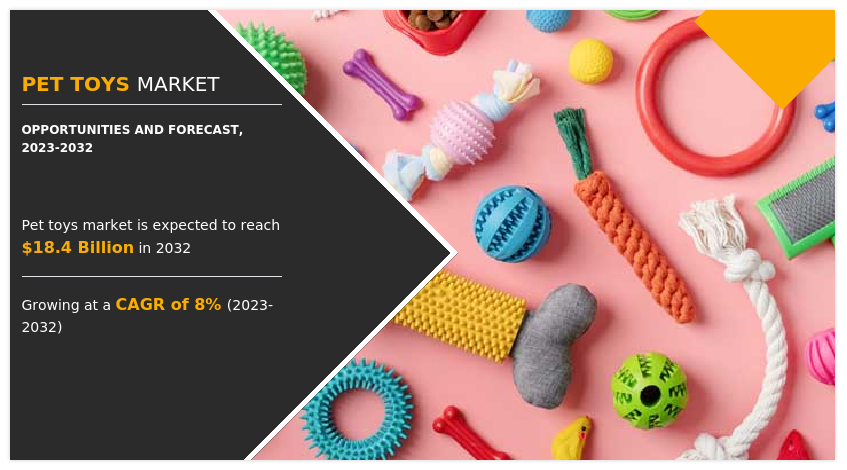
Pet toys and care: Some pet toys have also begun to use silicone materials, such as silicone dog chews and sound toys for grinding teeth, but because silicone is relatively not resistant to chewing and is not as hard as rubber, it is mainly suitable for small and medium-sized dogs or light chewing. The sales of this part of products are average.


On the contrary, silicone pet toothbrushes are worth mentioning. Many dog ​​toothbrushes are silicone finger brushes or silicone long-handled brushes. The soft bristles do not hurt the gums and are easy to clean. This type of product leads the sales of pet dental care products.


Emerging trends:


In the future, pet silicone products will innovate around the two major directions of pet health and owner convenience. On the one hand, slow feeding and puzzle decompression will continue to be hot topics, and more different forms of silicone puzzle feeding toys are expected to appear.


For example, some manufacturers have tried to combine traditional sniffing pads with silicone materials, or develop slow feeding bowls with silicone mazes to help pets eat more slowly and avoid obesity and digestion problems.


On the other hand, silicone also has new opportunities in pet cleaning and care, such as silicone pet bathing gloves and silicone pet hair removers (using silicone viscosity to remove hair on the sofa) are all receiving attention.


In addition, as pet products pay attention to appearance and integration with home furnishing, the characteristics of silicone that are easy to shape and color can meet design needs. In the future, we may see more colorful and cute silicone pet products emerge.


In short, the humanization trend of the pet market will promote the continued application of silicone materials in this field.


Hot sales trend of silicone accessories for mobile phones and electronic devices


Sales and popularity:


In the consumer electronics accessories market, silicone materials also play an important role. Especially in the two major categories of mobile phone cases and smart watch wristbands, silicone (including elastomers such as TPU) almost occupies half of the market. Whenever a new mobile phone is released, the matching silicone protective case will see a sales peak. For example, the new iPhone models launched in 2024, its official and third-party silicone protective cases are listed in large quantities on Amazon, and many of these products have rushed to the best-selling list of mobile phone accessories. Taking the Amazon mobile phone case category list as an example, a third-party silicone case (compatible with iPhone) called Vooii has become one of the best-selling models. It can be seen that consumers have a very strong demand for silicone mobile phone cases.


Similarly, the replacement strap market for smart wearable devices (such as Apple Watch, Fitbit, etc.) is also dominated by silicone straps. Apple’s official silicone sports straps will launch new fashionable colors every year (such as lemon yellow, blue mist, eucalyptus green and other seasonal limited colors launched in spring 2024), and sales are stable.


In addition, a large number of third-party brands are selling various styles of silicone straps at affordable prices to meet users’ replacement and matching needs. Overall, silicone accessories for electronic devices are a mature and growing market. According to Verified Market Reports, the global smartwatch strap market will reach $7.2 billion in 2022 and is expected to double in 2030, of which silicone/rubber straps account for a considerable share. This trend will continue in 2024-2025.


User reviews and preferences:


Consumers’ requirements for electronic accessories focus on protection, comfort and aesthetics, and silicone materials perform well in these aspects:


Protection performance: Silicone cases provide excellent anti-fall protection with their good elasticity and cushioning. Users often report that silicone phone cases are “soft but very impact-resistant”. When the phone accidentally falls to the ground, the silicone case can effectively absorb the impact and protect the body.


In addition, silicone cases are usually lined with fluff/microfiber to prevent scratches on the body, which is a detail that users value very much. Compared with hard plastic or metal cases, silicone cases have a high degree of fit and do not damage the phone, so they are highly praised.


Feel and comfort: Many consumers prefer silicone accessories for their delicate feel, non-slip and non-cold feel. For example, Apple’s official silicone case is known for its “velvety touch”, which is warm and non-slip in the hand.


Sports enthusiasts also give high praise to silicone watch straps, believing that they are soft, skin-friendly, lightweight and breathable, and will not feel uncomfortable even when sweating or going into the water.


In addition, silicone material has no metal allergy risk, which is very suitable for people with sensitive skin. Bandletic website points out that silicone wristbands have the advantages of soft touch, good elasticity, non-toxic and anti-allergic, and excellent high and low temperature resistance and anti-aging performance. These characteristics make silicone wristbands ahead of leather or metal straps in terms of comfort.


Beauty and diversity: Silicone accessories are easy to dye and shape, which provides consumers with a rich choice of colors and styles. In terms of mobile phone cases, there are many types of silicone cases from solid colors to patterned ones. Young users especially like fresh macaron colors or personalized printed cases. The new colors of silicone cases launched by Apple every year often lead the trend, and third-party manufacturers also keep up with the color matching trend.


For example, an e-commerce platform launched a series of iPhone silicone cases in the spring of 2024, including popular colors such as mint green and peach orange, to meet consumers’ fashion matching needs.


The same is true for smart watch straps. A large number of colors and styles allow users to change the straps according to the occasion and achieve “wrist matching”. User reviews often mention that “different colors of silicone straps can be matched with clothing, which is very fun.”


Therefore, the variety of choices and fashionable designs have greatly enhanced the appeal of silicone accessories.


Best-selling products and brands:


Silicone mobile phone protective cases: Although Apple’s official Silicone Case is more expensive, its sales are still considerable, especially in Apple Store and operator channels. According to the product description, Apple has used 55% recycled silicone to make official protective cases since the iPhone 15 series, which is a step further in environmental protection.


However, on open platforms such as Amazon, third-party silicone cases are often the best-selling. Taking the iPhone as an example, silicone cases from brands such as ORNARTO, Vooii, and Spigen offer similar soft shell protection and multi-color options at less than half the official price, and the monthly sales of a single model can reach tens of thousands of pieces. Some of these products are among the top 10 in Amazon’s mobile phone case category sales.


Take Vooii’s liquid silicone case for iPhone 11 as an example. It has a flat-frame lens protection design and has received more than 4.5 stars and tens of thousands of comments. It can be seen that cost-effective third-party silicone cases are the main force in the online market. For Android phones, silicone cases for models such as Samsung and Pixel also have good sales, but overall they are not as large as Apple’s ecosystem.


Silicone straps for smart watches: The Apple Watch strap market is a big cake. Apple’s official sports silicone strap (Sport Band) is well-made and priced at $49. There are still a large number of users who buy it. Every time a new color is released, it will bring a wave of sales peaks.


In addition, Apple’s Solo Loop silicone braided strap (buckleless one-piece elastic strap) has also set off a trend, and many users pursue a minimalist wearing experience. However, the larger market comes from third-party replacement straps.


On Amazon, the top-ranked Apple Watch compatible straps are mostly made of silicone, usually priced at $10 to $15 per pair, including a variety of color combinations. Some best-selling models have thousands of monthly reviews and a rating of 4.8 stars, which shows that users are also relatively satisfied with their quality and appearance.


In addition to Apple Watch, other brands such as Fitbit and Garmin’s sports bracelets/watches also have a large number of silicone replacement straps for sale to meet users’ personalized needs.


Other silicone electronic accessories: Silicone is also common in various niche accessories. For example, the silicone case of wireless headphones (AirPods charging box protective case) is a small item that many young people just need, and the sales of cartoon silicone cases that cost a few dollars each are very large.


Another example is small accessories such as silicone holders and silicone cable clips for mobile phones and tablets, which are popular on e-commerce platforms because of their practicality and low price. It is worth mentioning that some manufacturers have begun to launch electronic protective covers made of silicone (such as laptop keyboard protective films, camera protective covers), etc. These products are relatively niche in the market but also reflect the trend of silicone having everything.


Emerging trends:


Silicone products in the field of electronic accessories will evolve in line with the development of consumer electronics. Sustainability and environmental protection will become a major direction – for example, Apple has begun to use recycled silicone, and other accessories may also use more recyclable materials in the future. Functional integration is also one of the trends, such as integrating magnetic modules (MagSafe), card slots and other functions in silicone mobile phone cases to increase selling points.


For wearable devices, with the development of medical health monitoring, future smart watch straps may integrate silicone and sensors to achieve more comfortable skin-friendly monitoring.


In short, the electronic silicone accessories market will remain prosperous and continue to attract consumers through color trends, material upgrades and functional innovations.


Inventory and comparison of hot-selling silicone products in various categories


The following table summarizes the typical hot-selling silicone products in various categories and their approximate rankings and user reviews on e-commerce platforms for reference:


CategoryHot-selling Silicone Products (Examples & Brands)Platform Sales RankingUser Rating (Average Score)


Kitchen ProductsAmazon Basics Silicone Non-Stick Baking Mats (2-pack)#1 in Baking Mats Category on Amazon.com★★★★☆ 4.7 / 5 (10,000+ reviews)


Umite Chef 33-Piece Silicone Kitchen Utensil Set#1 in Cooking Utensil Sets on Amazon.com★★★★☆ 4.6 / 5 (8,000+ reviews)


Baby ProductsPhilips Avent Soothie Silicone Pacifier (0-3 Months)#1 in Pacifiers Category on Amazon.com★★★★★ 4.8 / 5 (15,000+ reviews)


Mushie Silicone BibBest Seller on Target, Top-selling Silicone Bib on Crateandbarrel.com★★★★★ 4.9 / 5 (500+ reviews)


Beauty ToolsForeo Luna 4 Silicone Sonic Facial Cleansing BrushTop 10 Facial Cleansing Devices on eFulfillmentService.com★★★★☆ 4.5 / 5 (1,000+ reviews)


MAC Stack Microfiber Silicone Beauty Sponge (2024 New Arrival, Pro Beauty Favorite)Featured on ByArtis.com★★★★☆ 4.5 / 5 (Highly Recommended)


Health & CareLure Essentials Silicone Cupping Therapy Set (4-piece)BestReviews’ Trusted Brand for Cupping Sets on Bestreviews.com★★★★☆ 4.4 / 5 (500+ reviews)


Modvel Silicone Non-slip Compression Knee Sleeves (2-pack)Amazon’s Choice in Knee Braces Category on Amazon.com★★★★☆ 4.5 / 5 (10,000+ reviews)


Pet ProductsMighty Paw Silicone Dog Lick MatBest Overall Lick Mat by TheSprucePets.com★★★★☆ 4.7 / 5 (1,000+ reviews)


Frisco Silicone Dog Lick Mat (Durable)Top 10 Best-selling Lick Mats on Chewy.com★★★★☆ 4.6 / 5 (300+ reviews)


Electronics AccessoriesVooii Liquid Silicone iPhone CaseTop-selling iPhone Case on Amazon.com★★★★☆ 4.5 / 5 (10,000+ reviews)


Apple Official Silicone Sport Band (for Apple Watch)Best-selling Smartwatch Band (Apple Official Site)★★★★★ 4.8 / 5 (Apple.com)


Summary and Future Outlook


In summary, silicone materials have shown strong sales momentum in all areas of the US e-commerce market in 2024-2025 due to their advantages such as safety, durability, easy cleaning and versatility. From kitchen spatulas and baking mats to pacifier bibs for mothers and babies, from beauty cleansing devices to health cupping, pet licking pads and even electronic accessories, silicone products are gradually penetrating all aspects of people’s lives.


Users’ usage preferences show that functional practicality and material safety are the key to the success of silicone products: consumers like the convenience brought by silicone products (such as non-stick, easy to wash, and non-slip), trust their friendly properties to the human body and the environment (non-toxic and sustainable), and enjoy the rich colors and creative designs provided by manufacturers.


Looking to the future, we expect the following trends to further promote the development of the silicone product market:


Environmental protection and sustainability: With the increase of environmental awareness, the reusable and long-life characteristics of silicone will make it play a more important role in replacing disposable products. For example, more silicone alternatives will appear in the fields of kitchen preservation, tableware, personal care, etc. At the same time, manufacturers will also explore the recycling of recycled silicone to reduce carbon footprint.


Cross-border innovation: Silicone is expected to be combined with smart technology to create new products. For example, silicone baby pacifiers with sensor functions and silicone wearable patches that can monitor health may become new growth points.


In addition, traditional products with improved performance due to the addition of silicone materials (such as sports protective gear with silicone pads, thermos cup lids with silicone seals, etc.) will also emerge in an endless stream.


Customization for segmented groups: Each category will pay more attention to the needs of segmented markets and launch customized silicone products. For example, large easy-to-grip silicone kitchen utensils for the elderly, special silicone toys for special pet breeds, creative silicone accessories for specific hobbies (DIY baking molds and handmade soap silicone molds have already shown signs on Etsy), etc. These niche markets have the potential to be further explored.


In general, the hot sales of silicone products in the US market reflect the shift in consumer trends towards health, safety, environmental protection and individuality. With the advantages of the material itself and continuous product innovation, we have reason to believe that the popularity of silicone products will continue to rise in the foreseeable future, and even open up more unexpected emerging application areas.


Finally, when companies are planning their silicone products, they should pay attention to quality control and differentiation: only high-quality silicone can win the long-term trust of consumers (low-quality silicone may have odor or be prone to aging, which has been criticized), and making products stand out from many competing products through design and functional innovation is also the key to success. Only in this way can they occupy a place in the rising tide of silicone products.


As the owner of NEWTOP SILICONE, I’ve seen portable travel bottles evolve from a niche accessory to a must-have item for travelers worldwide. In particular, silicone travel bottles have become incredibly popular due to their flexibility, durability, and convenience. Industry data backs this up: the global travel toiletry market (which includes travel-size bottles and containers) is projected to grow from about $6.77 billion in 2024 to $10.75 billion by 2032, at an annual growth rate of nearly 6%  . This growth is

fueled by travelers’ demand for convenient, compact, and eco-friendly packaging  – exactly what our silicone bottles offer. In fact, travel-size bottles and tubes lead the market in popularity because they provide practical, spill-proof solutions for liquids on the go . North America and Europe currently dominate this demand (thanks to high travel activity and spending) , and as a Chinese silicone products manufacturer, we take pride in supplying brand buyers and procurement professionals in these regions with top-quality portable bottles.


Being both a manufacturer and an innovator in this space, I want to take you on a behind-the-scenes tour of how our silicone portable travel bottles are made. From selecting safe materials and designing precision molds, through molding and quality control, to the final touches – I’ll explain each step of the process. My goal is to give you a clear, technical yet easy-to-understand overview of the manufacturing process, and highlight the capabilities that make NEWTOP SILICONE a reliable partner for your business needs.


Material Selection: Premium Silicone for Performance and Safety


Home Supplies

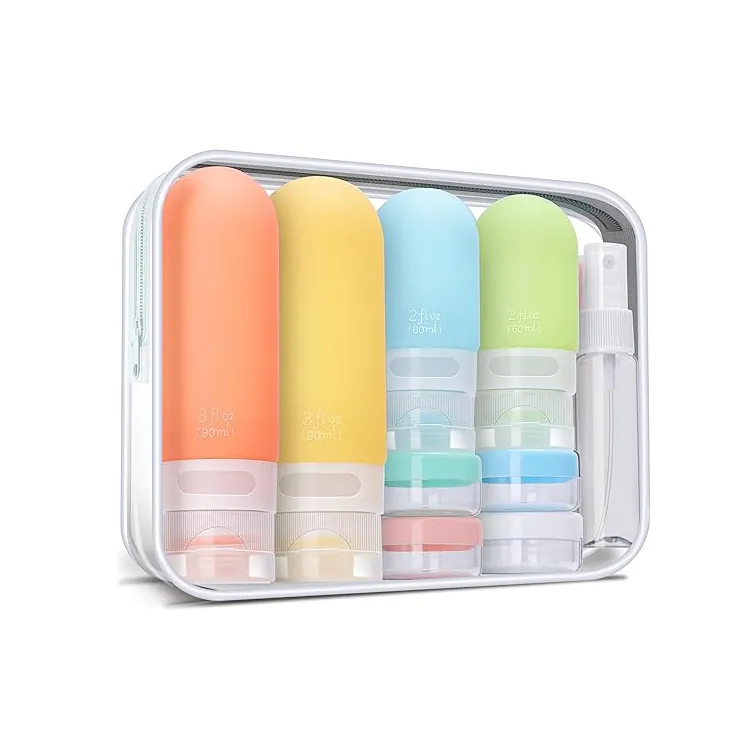
A typical silicone travel bottle (89 ml/3 fl oz) with its dimensions and materials. The soft bottle body is made of food-grade silicone, while the cap is sturdy PP plastic.


The journey of a silicone travel bottle begins with choosing the right materials. We insist on using 100% premium food-grade silicone for the bottle body, sourced from reputable suppliers and certified safe (FDA, LFGB, etc.) . Why silicone? Silicone rubber is a synthetic polymer known for its excellent durability, flexibility, and safety. It’s non-toxic and odorless, can handle extreme temperatures, and

doesn’t leach harmful chemicals – all crucial for a container that holds shampoos, lotions, and other personal care liquids      . Silicone is also naturally water-resistant and forms a good seal, which is

why silicone bottles are famously leak-proof and easy to squeeze  . Unlike hard plastic or glass

bottles that can crack or leak when pressure changes (for example, during air travel), a well-made silicone bottle can withstand squeezing in your luggage without bursting. This makes it the material of choice for travelers who want reassurance that their toiletry bag won’t end up a soapy mess  .


In addition to the silicone body, our travel bottles include a cap – typically made of PP (polypropylene) plastic, which is also food-grade and BPA-free. The cap design is critical: it usually features a flip-top or valve mechanism with multiple layers of sealing to prevent leaks. We often work with specialized cap suppliers or produce caps in-house (using plastic injection molding) to ensure a perfect fit with the silicone bottle. The caps undergo the same rigorous safety consideration as the bottles. We design them to be sturdy yet easy to open, often operable with one hand, and to have a wide mouth (around 20– 25 mm) that makes filling and cleaning the bottle easy. The standard sizes we manufacture range from 30 ml to 100 ml (1–3.4 oz) to comply with airline carry-on regulations (TSA-approved sizes). By selecting top-quality silicone and cap materials upfront, we set the stage for a travel bottle that is not only convenient and reusable, but also meets international safety standards.


Before production starts, we can also customize the material properties to client requirements. For example, we can add FDA-approved color pigments to the silicone to achieve any Pantone shade the client’s brand desires. (In liquid silicone injection, pigment is mixed in at the blending stage before molding  .) We can adjust the silicone’s hardness or translucency if needed for a particular design.

Our in-house materials laboratory further allows us to test and ensure that any custom compound still meets all safety and compliance criteria         . This level of control over material selection means that

when you partner with NEWTOP SILICONE, you get exactly the feel and quality you want in your travel bottles, with no compromises on safety.


Mold Design and Precision Tooling

Once the materials are chosen, the next major step is designing the mold for the bottle. Each unique bottle shape – whether it’s a classic round travel bottle, a flat oval design, or even a custom shape with your branding – requires a carefully engineered mold. At NEWTOP SILICONE, we have an in-house team of experienced engineers who specialize in precision mold design and tooling. Using advanced CAD software, we create a 3D mold model based on the bottle’s design specifications (volume, dimensions, wall thickness, etc.). This virtual design phase allows us to simulate how silicone will flow and fill the mold, and to spot any potential issues (like air traps or weak points) before cutting metal.


The mold for a silicone travel bottle typically consists of two halves (for the exterior shape) and a core insert that forms the hollow interior of the bottle. We pay special attention to details like the bottle’s neck (where it threads into the cap) to ensure a leak-tight fit, and the surface finish (a smooth interior for easy cleaning, or perhaps a textured grip on the outside if desired). If the bottle will have any embossed logo or measurement markings, those are also engraved into the mold cavities with high precision. Our tooling workshop then fabricates the mold, usually from durable steel. Because we do this in-house, we maintain tight tolerances and can iterate quickly on the design if needed. In-house tooling also saves our clients time and cost – there’s no markup on molds and adjustments can be made rapidly during development  .


Depending on the production volume required, we might create a multi-cavity mold (e.g. a mold that produces 2, 4, or 8 bottle pieces per press cycle) to increase efficiency. For large B2B orders, multi-cavity tooling is useful to meet demand. Our factory’s capacity is quite high – we can produce up to 600,000 pieces per month across our product lines   – so we design our tooling to sustain mass production

while keeping each bottle identical in quality. Once the steel mold is completed, we test it by doing trial runs (prototyping) with silicone to ensure the bottles come out with the correct dimensions and properties. Only after verifying the mold’s performance do we move to full-scale manufacturing. This rigorous mold design phase is crucial because a well-made mold yields a high-quality bottle with minimal defects, ensuring consistency for every order, big or small.


Molding the Bottle: Injection Molding for Efficiency and Quality

With the mold ready, we proceed to actually mold the silicone bottle. In our factory, the preferred method for these travel bottles is Liquid Silicone Rubber (LSR) injection molding, thanks to its speed and precision. We have automated, high-precision injection molding lines in-house    , which allow us to

manufacture silicone products in large volumes swiftly and accurately. Here’s how the process works in simple terms:


  1. Mixing and Preparation: Liquid silicone comes in two parts (Part A and Part B) which are stored in drums. The injection machine pumps and mixes these two components in a 1:1 ratio, along with any color pigment, creating a reactive silicone mixture . This mixture remains liquid at room

temperature but will solidify (cure) when heated. We program the machine with the exact dosing, so each shot (injection) uses just the right amount of silicone for one bottle (or one mold cycle for multi-cavity molds), minimizing waste.


  1. Injection into the Mold: The mixed silicone is then injected under pressure through a nozzle into the preheated mold The mold is clamped shut around the core pin that forms the bottle’s interior. Because silicone is a thermoset, the mold is heated (often around 170–200 °C) rather than cooled (as is done in plastic molding). The heat triggers the curing (vulcanization) of the silicone inside the mold. Under high temperature and pressure, the silicone flows and fills every part of the cavity, capturing all the details of the design. Injection molding is highly efficient – the liquid silicone cures very quickly, usually in 25 to 50 seconds for each cycle (depending on the bottle’s wall thickness) . This fast curing is a big advantage over traditional compression

molding, which might take several minutes per part.


  1. Cooling and Demolding: Once the silicone is fully cured into a solid rubber form, the mold opens and the new bottle is removed (either by an automated ejector or manually, depending on the setup). The bottle at this stage is a one-piece silicone container, albeit hot from the curing. Because of our precise mold and injection process, each bottle comes out consistently shaped and with tight tolerances. Injection molding yields very clean results with minimal flash (excess material at the parting line), so usually only a quick trim or deflashing is needed, if at all . The

finished bottle is now recognizably a squeezable travel container, ready for final processing.


It’s worth noting that compression molding is an alternative method we sometimes use for silicone products, but for portable travel bottles we typically favor injection molding due to its superior efficiency and product consistency. With injection molding, we achieve cleaner and more precise parts, and the process is less labor-intensive than compression   . This means we can scale up production easily while

maintaining quality. Our array of injection machines and the expertise of our operators (working in clean, dust-controlled workshops) ensure that each travel bottle meets the high standards expected by our


clients. Whether you need a few thousand units for a specialty brand or a million units for a large retail rollout, our molding process is up to the task.


Secondary Vulcanization (Post-Curing) for Safety and Purity

After molding, silicone parts often undergo a secondary vulcanization, also known as post-curing. This is essentially an oven baking process that further stabilizes the silicone and removes any residual substances. In our production of travel bottles, we typically place the freshly molded bottles in an industrial oven at about 200 °C for 2–4 hours. This post-curing step is crucial for meeting stringent safety and quality requirements. It causes any remaining volatile compounds (like traces of the curing agent or by-products) to evaporate off   . For food-grade and medical-grade silicone products, post-curing

ensures there are no odors and that the silicone is fully inert before use.


By doing this extra curing step, we make certain that our bottles can safely hold toiletries like shampoo, lotion, or sanitizer without any risk of contamination or unpleasant smell. Not all manufacturers take the time for secondary vulcanization, but at NEWTOP SILICONE we consider it part of our commitment to quality. Especially for B2B clients in Europe and America who often require compliance with FDA or LFGB standards, post-curing helps ensure the final product is well within those regulatory limits for extractable chemicals. After the oven process, we let the bottles cool down gradually. Our quality team may perform a re-inspection after post-curing  to verify the silicone’s quality (checking that no discoloration or

deformation occurred and that any slight shrinkage is within tolerance). Once the bottles pass this checkpoint, they move to the next stages of finishing and assembly.


Quality Control and Testing

Quality control is woven throughout every step of our manufacturing, but we also have dedicated inspection stages to catch any issues before products leave the factory. At NEWTOP SILICONE, we’ve established a strict internal quality management system to ensure every bottle meets our clients’ expectations  . Here are some of the key quality control measures for silicone travel bottles:


  • Incoming Material Inspection: We verify that the raw silicone (and any plastic caps or components) meet our specifications and certifications. For silicone, this can include checking hardness, color, and batch certification documents (FDA/LFGB compliance, etc.). For caps, we ensure dimensions and materials are correct.


  • First Article Inspection: When we set up a production run, our QC team inspects the first few bottles We check dimensions (height, wall thickness, neck fit, volume capacity) against the design. We also screw on the caps to ensure a tight fit and test the closure. Any adjustments needed (to molding parameters or assembly) are done before full production continues.


  • In-Process Monitoring: During molding, our operators keep an eye on the process parameters (temperature, pressure, cure time) and periodically inspect samples from the Because the process is largely automated, deviations are rare, but this vigilance helps maintain consistency. Our machines help by keeping the process fully traceable – every batch can be tracked, and we log parameters for quality records .


  • Leak Testing: One of the most important functional tests for travel bottles is checking for We perform random leak tests by filling bottles with water or a test liquid, sealing them with their caps, and then placing them inverted or applying pressure (squeezing) to simulate travel conditions. The bottles are observed over time to ensure no drips or leaks occur from the cap or


any part of the silicone body. Our three-layer cap seal designs and precision molding are aimed at achieving zero leaks, and we validate that with these tests.


  • Visual and Tactile Inspection: Our QC staff also do a visual inspection of each batch for any cosmetic defects. Silicone travel bottles should have a smooth finish without blemishes, and consistent We check that the bottles are free of any flash or rough edges (especially around the opening where it contacts the cap). We also ensure the silicone has the right flexibility (not too stiff or too floppy – indicating the correct silicone grade was used and cured properly).


  • Final Quality Assurance: After assembly (bottle plus cap) and packaging (e.g., put into sets or kits), we do a final audit on a sampling basis – verifying the correct items, quantities, and packaging meet the order requirements. We want our B2B clients to receive products that are retail-ready and flawless in appearance and function.


Throughout all these steps, our philosophy is that quality is built into the process, not just tested at the end. By maintaining high standards at each stage – from mold design, to molding, to finishing – we minimize defects and ensure the travel bottles you receive are of premium quality. Our factory is ISO9001:2015 certified and also undergoes social compliance audits (BSCI), so you can trust that our production and QC processes are internationally recognized and reliable  .


Finishing, Assembly, and Packaging

Once the silicone bottle bodies have passed all the molding and curing stages, we move on to finishing and assembly. In many cases, silicone travel bottles come out of the mold nearly finished (thanks to the precision of injection molding), but there are still a few final touches before they are ready to ship:


  • Deflashing and Surface Finish: If any tiny excess silicone (flash) is present at the mold parting line or around the bottle’s mouth, our workers trim it off carefully. We make sure the bottle’s opening is perfectly smooth so it can seal with the cap. If a matte or glossy finish is required (some clients prefer a matte touch to avoid fingerprints, for example), we achieve that through the mold texture itself, so no post-processing is needed. Any required printing or labeling (such as a logo, volume markings, or usage instructions) can be done at this stage via pad printing or silk-screen printing, according to client specifications.


  • Assembly of Caps: Next, we pair each silicone bottle with its If the caps are produced in- house or delivered from a supplier, they would have been inspected earlier. During assembly, we often insert an inner silicone gasket or valve into the cap (for certain designs that have a one-way valve to prevent spills). Then the cap is screwed or snapped onto the bottle. We ensure the threading matches perfectly – this is where the precision of our mold and consistency of the silicone material pay off, as each bottle’s neck should fit its cap without variance. Assembly can be manual or semi-automated, depending on order volume. Our team is trained to handle the bottles gently to avoid any scratches or contamination during assembly (workers wear gloves, and the assembly area is kept clean).


  • Secondary Accessories: Some travel bottle sets include additional components like labels (e.g., pre-printed labels or an integrated label window on the bottle), carabiner clips, or storage If your project includes these, we integrate them in the assembly process. For example, we might affix waterproof labels or ensure the bottles with suction cups (some designs have a suction cup on the bottle to stick to shower walls) are working as intended.


  • Packaging: Finally, the completed bottles (now fully assembled) are packaged according to the client’s needs. For B2B orders, this could mean bulk packaging (large poly bags or boxes for OEM clients who will repackage under their own brand), or retail-ready We offer custom packaging solutions – from simple OPP bags to high-end printed boxes or travel kits. For instance, we can group bottles into sets (common sets are 3-pack or 4-pack of assorted colors) and place them in a custom box or a zippered clear pouch along with a branding insert. Our packing department ensures each set is complete and that packaging meets export shipping standards. We also include any required documentation (like batch codes, material safety datasheets, or certificates) in the shipment.


Before sealing the shipment, our quality department conducts a final inspection on the packaged products (count verification, packaging integrity, etc.) . Then the travel bottles are ready to be shipped out to our clients worldwide. By the end of this process, we have transformed raw silicone material into a shelf-ready product. Each silicone travel bottle that leaves our factory embodies the care and technical expertise that went into making it.


NEWTOP SILICONE’s Capabilities and Advantages for B2B Clients

Manufacturing silicone portable travel bottles is a complex process, but it’s one that we have mastered over years of experience. NEWTOP SILICONE has been in the silicone product manufacturing industry for over 15 years  , and over time we have built a reputation for quality, innovation, and reliability. Here I

want to highlight some of our key capabilities and advantages, especially for our B2B partners like brand buyers and procurement professionals:


  • End-to-End Service and Customization: We offer a one-stop service from product design to mass production . If you have a concept for a unique travel bottle design or special features, our R&D team will work closely with you to make it a We can customize shape, size, color,

logo, and packaging to align with your brand. Our expertise spans nearly all silicone molding

methods (injection, compression, extrusion)  , which means we choose the optimal process for your specific project. Even for complex or innovative designs, we have likely done something similar – our portfolio includes not just travel bottles but a wide range of silicone consumer products.


  • Production Scale and Efficiency: When you partner with NEWTOP, you gain access to a modern factory with 2000㎡ of space and 100+ employees , equipped with automated machinery. We

can comfortably handle large orders – as mentioned, our capacity can reach hundreds of thousands of units per month  . Our automated injection molding lines ensure efficiency and consistency, which keeps lead times short and unit costs competitive. For example, typical lead

time for a bulk order of travel bottles can be just a few weeks, and we are accustomed to meeting tight deadlines for seasonal product launches or promotions.


  • Quality Assurance and Certifications: Quality is at the core of our operations. We maintain ISO 9001:2015 certification for our quality management system and have passed social compliance audits like BSCI (important for working with global retailers) . Our silicone materials and

products meet international standards such as FDA (U.S. food-grade standard), LFGB (Germany food contact standard), RoHS (Restriction of Hazardous Substances), and even CPC for children’s products   . We can provide all necessary certifications and test reports upon

request, giving you and your customers confidence in the product’s safety. Moreover, we implement a fully traceable production process – every batch is documented, and we can quickly pinpoint and resolve any issue if it arises    .


  • Innovation and Technical Support: Our team thrives on We invest in our own

materials laboratory and engineering department    , which enables us to experiment

with new silicone formulations and creative designs. For instance, if you wanted a travel bottle that changes color with temperature, or a new dispensing mechanism, we have the capability to

develop and test it. We also hold a few patents in silicone product design, reflecting our

commitment to advancing the field. As a client, you benefit from our technical support – we’ll advise you on the best materials, design tweaks for manufacturability, and any cost optimizations, all while maintaining the product’s intended function and quality.


  • Reliability and Partnership: Finally, when you work with us, you’re not just getting a supplier, but a trustworthy partner. We understand the needs of B2B customers – clear communication, protection of intellectual property, and on-time delivery are paramount. We happily sign NDA (Non-Disclosure Agreements) to protect your designs and ideas . We provide 24/7

responsiveness and transparent project updates, so you’re never in the dark about your order’s progress  . Over 500 companies worldwide have worked with us, including many in Europe and America, which attests to our reliability and service . We bring this professional yet personalized approach to every client, big or small.


In summary, NEWTOP SILICONE is equipped to handle your silicone travel bottle projects with expertise and care. Our combination of advanced manufacturing capabilities and customer-focused service means you can confidently develop your product line with us, knowing the end result will meet the high expectations of your market.


Conclusion: Let’s Bring Your Idea to Life

I hope this deep dive into our manufacturing process has given you a clear understanding of how silicone portable travel bottles are made, and why we at NEWTOP SILICONE are passionate about what we do. From the initial material selection to the final packaging, every step is carried out with professionalism and an eye for detail. As both the owner and a hands-on participant in this business, I take pride in seeing our silicone bottles help travelers stay organized and eco-conscious on their journeys.


If you’re a brand buyer or procurement professional looking for a reliable manufacturing partner for silicone travel bottles (or any silicone product), I invite you to reach out to us. We offer comprehensive customization services and would be excited to collaborate on your next product idea. Feel free to visit our website to see more about our customization capabilities and product range, and don’t hesitate to contact our team for inquiries or to request a quote. We’re here to answer your questions and help turn your vision into high-quality silicone products that stand out in the market. Let’s work together to bring your custom portable travel bottles from concept to reality – we’re ready when you are!

As the owner of NEWTOP SILICONE, a dedicated silicone products manufacturing factory, I’ve witnessed firsthand how the pet toy industry has evolved. Pet owners today are investing more in high-quality toys that are safe, durable, and even eco-friendly for their beloved animals. This blog post will share a market overview of pet toys in Europe and North America and then walk you through how we manufacture silicone pet toys – from choosing the right materials and designing molds to production, quality control, and packaging. My aim is to provide a clear, professional (yet easy-to-understand) guide, especially for brands and businesses looking to customize or source their own line of pet toys.


Pet Toy Market Overview in Europe and North America

The pet toy market is booming on a global scale, driven by the growing number of pet owners who treat pets as part of the family. According to recent market research, the global pet toys market was valued at about $8.3 billion in 2022 and is projected to reach $18.4 billion by 2032, growing at an annual rate of roughly 8%  . This strong growth is a clear indicator of rising demand. Europe and North America together make up a significant portion of this market. Europe alone accounts for roughly 30% of the global pet toy market (about $0.96 billion in 2023) , reflecting a deeply rooted culture of pet ownership across European countries. Meanwhile, North America holds around a one-third share of the global market , thanks to high pet ownership rates and owners’ willingness to spend on premium pet products. In the United States, for example, an estimated 44% of households own dogs and

26% own cats – a huge consumer base continually seeking toys and accessories for their pets.

Caption: The global pet toy market is thriving, with forecasts reaching over $18 billion by 2032  . A wide variety of pet toys (chew toys, ropes, balls, etc., as shown) caters to the growing demand from pet owners who increasingly view their pets as family. This surge is especially notable in North America and Europe, which together account for a large share of the market.


Several key trends are shaping the pet toy market. One is the “pet humanization” trend – people treat pets like family and are willing to spend more on their well-being  . This means higher demand for toys that are not only fun, but also beneficial to pets’ physical and mental health. (Indeed, pet toys

are seen as important for exercise and mental stimulation, not just entertainment   .) Another big trend is the focus on safety and sustainability. Pet owners are becoming more conscious of the materials in pet products – they prefer non-toxic, eco-friendly toys and those that will last longer (reducing waste). There’s also a growing interest in innovative toys (for example, interactive or smart toys), but even with high-tech gadgets, quality materials remain a top priority to ensure pets’ safety. Importantly for our readers, many pet brands are developing their own custom toy lines. In fact, a 2024 market report highlighted that the rising demand for private-label pet products is a significant factor driving growth in this industry   . Pet supply retailers and new pet-centric brands in Europe and America are looking to

differentiate themselves by offering uniquely designed toys under their own label. As a manufacturer, I see this trend every day in inquiries for custom shapes, brand logos on toys, and requests for specific material properties.


So, where do silicone pet toys fit into this picture? Silicone has quickly become one of the preferred materials for premium pet toys and supplies. From my perspective running a silicone factory, this isn’t surprising – silicone addresses many of the concerns and trends mentioned above. Silicone toys are non-toxic and pet-safe, because food-grade silicone is free from harmful chemicals like BPA, phthalates, and PVC   . Pet owners can have peace of mind when their dog is chewing on a silicone bone or when a

cat is licking a silicone feeder toy; there’s no risk of toxic leaching or strange chemical odors . Additionally, silicone is extremely durable and long-lasting under rough play. Unlike some rubber or plastic toys that might crack, crumble, or harden over time, silicone doesn’t degrade easily – it resists UV light, heat, and cold without breaking down  . This makes it ideal for toys that need to withstand chewing, tug-of-war, and outdoor conditions. Silicone is also flexible but tough, which means toys can have a satisfying softness for pets to bite, yet not tear apart easily. Moreover, silicone’s flexibility allows for creative toy designs (even those with complex shapes or textures to engage pets) while still being sturdy.

Caption: A dog enthusiastically playing tug-of-war with a ring-shaped toy. Silicone chew toys like this are designed to be both durable and safe for pets, standing up to intense play without tearing. The non-toxic, food-grade silicone material ensures that even if the toy is chewed or licked, it’s completely safe for the animal  . And thanks to silicone’s toughness, it maintains its shape and integrity over time  , even with active use on sandy beaches or backyards.


Another advantage of silicone for pet toys is how easy it is to clean and maintain. Silicone is non-porous and doesn’t easily harbor bacteria or odors   – a quick rinse or toss in the dishwasher can sanitize the toy, which is a big plus for pet hygiene. Finally, from a design and customization standpoint, silicone is incredibly versatile. It can be molded into virtually any shape or color. This is perfect for brands that want a unique toy design or a signature color to match their branding. At NEWTOP SILICONE, for instance, we can mix custom color pigments into the silicone, so your toys can have a precise Pantone shade that represents your company. We can also incorporate logos or text onto the toy’s surface via the mold itself

or through printing, giving truly branded pet toys. In short, silicone aligns perfectly with market

demands: it produces toys that are safe, durable, attractive, and highly customizable.


How Silicone Pet Toys Are Made: From Concept to Finished Product

With the market overview covered, let’s dive into the manufacturing process. Knowing how silicone pet toys are made can help you appreciate the level of craftsmanship and quality control involved – and if you’re a brand looking to create custom toys, it will also help you understand how we can tailor the process to your needs. At NEWTOP SILICONE, we have honed our production techniques to ensure consistently high quality and flexibility for customization. Here are the key steps we follow:


  1. Material Selection (Choosing the Right Silicone): Everything starts with selecting high-quality raw silicone. We typically use food-grade silicone rubber for pet toys, the same kind of silicone used in baby products or kitchenware to ensure safety . This silicone material is certified non- toxic and FDA-compliant for food safety standards (which also indicates it’s safe if a pet bites or licks it). For European clients, we ensure materials can meet equivalent EU standards (such as

LFGB in Germany for food-contact safety). Beyond just the base silicone, we also consider any additives or colorants at this stage. If a client wants a certain color toy, we mix in color masterbatches that are also food-grade and stable (the colors won’t bleed or fade easily). We can even adjust the hardness of the silicone by choosing specific formulations – for example, a softer silicone for a gentle chew toy for puppies, or a slightly firmer one for an aggressive chewer

toy. By carefully choosing and testing the silicone compound upfront, we set the foundation for a toy that meets the desired safety and performance criteria. (Why this matters: Proper material selection ensures the final product is safe for pets and matches the brand’s quality standards. It also offers flexibility – for instance, customizing color and softness to align with a brand’s vision and the toy’s purpose.)*


  1. Mold Design and Prototyping: Once we know the material specifics and have a concept for the toy, the next step is designing the mold. This is a critical step for customization – the mold defines the toy’s shape, textures, and any engraved details like logos or slogans. Our engineering team works closely with the client’s design (or we help create a design) to develop a 3D CAD model of the toy. We consider every detail: the toy’s dimensions, surface texture (for example, adding nubs or ridges on a chew toy for dental massage), and even internal features (like a cavity for a squeaker, if needed). Using the CAD model, we then create a mold, usually from steel or aluminum. Molds for silicone toys can be made via CNC machining and sometimes EDM (electric discharge machining) for fine details. For custom projects, we often first make a prototype – either by 3D-printing a model or making a single-cavity test mold – so the client can see and feel a sample of the toy before full production. This prototyping phase helps us refine the design if needed. It’s at this stage we also plan the molding method (injection or compression) based on the design. For example, if the toy has intricate details or hollow sections (like a treat-dispensing puzzle toy), we would likely use injection molding for precision. Simpler solid shapes can be done with compression molding as (Why this matters: Thoughtful mold design ensures the final


toy meets the brand’s aesthetic and functional requirements. It’s also where we lock in any branding elements – a custom mold means your toy shape is unique to your brand. Prototyping and design reviews at this stage help prevent costly changes later and guarantee satisfaction with the product’s look and feel.)*


  1. Molding the Toy (Injection Molding Compression Molding): With the finalized mold ready, we move on to the actual production of the toys. Silicone pet toys are typically made using one of two molding techniques: injection molding or compression molding . The choice depends on the toy’s design complexity and the production volume. In injection molding, we use liquid silicone (LSR – Liquid Silicone Rubber). The silicone is mixed with a curing agent and injected

under high pressure into the closed mold, which is heated. The silicone flows into every crevice of the mold, then cures (solidifies) quickly under heat. Injection molding is highly efficient for high- volume orders and allows very intricate designs with fine details, since the silicone is forced into the mold precisely. The result is a very consistent product each cycle. One advantage: this method yields toys with very uniform quality and minimal trimming, and it’s great for complex or hollow shapes. Compression molding, on the other hand, involves placing a pre-measured chunk of solid silicone (called a “preform”) into the open mold, then closing the mold and applying pressure and heat   . The silicone is squashed into shape and cured. Compression

molding is often used for simpler or thicker toys and is cost-effective for smaller production runs or when making prototypes               . It usually has lower upfront tooling costs because the molds can be simpler. However, it might require a bit more post-mold trimming of excess silicone (flash) and has slightly longer cycle times than injection. In our factory, we have both capabilities, and we advise clients on the best method. For example, if you need high volume

and extremely consistent parts, we’d lean toward injection molding (despite the higher tooling

cost) because it will be more efficient and precise for large runs  . If you have a unique shape in a modest quantity or need a quick turnaround on a new design, compression molding might be perfectly suitable and more economical   . In either case, the molding process is where silicone

transforms from raw material to the actual toy shape. We maintain strict control of parameters like temperature and curing time to ensure the silicone vulcanizes properly – this is what gives the toy its final strength and elasticity. (Why this matters: Understanding these techniques helps you as a client know how your toy will be made and the cost implications. Injection molding can produce very complex, high-precision toys at scale, while compression molding offers flexibility for custom small-batch orders. Our ability to do both means we can tailor production to your project’s needs, ensuring you get the best balance of quality, detail, and cost.)*


  1. Post-Molding Finishing and Quality Control: Once the toys come out of the mold, we’re not done yet – quality control (QC) is a huge part of the process. First, we remove any excess silicone “flash” (a thin layer that can seep between mold parts) by trimming it off For toys made via injection molding, flash is usually minimal, whereas compression-molded toys might have a bit more to trim. Next, we inspect each toy for defects or inconsistencies. Our QC team checks that each toy matches specifications – correct dimensions, shape, and no missing details from the mold. We also ensure there are no sharp edges or weak spots. For example, if a toy has a hole for a squeaker or a treat, we ensure the edges are smooth and the part is sturdy around that area. We might do some physical tests on random samples, especially for a new design – like stretching or twisting the toy to make sure it won’t break under normal pet use. Because pet toys might be chewed or tugged vigorously, we verify that there are no small pieces that could break off and become a hazard. In addition, since we promote the safety of our silicone, we can conduct or provide certificates for material safety tests (like showing the silicone is BPA-free, meets FDA/ LFGB standards, etc.). If a client requires it, we can also assist with any third-party testing or compliance documentation (for instance, some brands might want assurance that the toys meet children’s toy safety standards like EN71, even if not legally required for pet toys – it’s an extra


peace of mind). Throughout production, we follow a strict quality management system so that every batch of toys is consistent. (Why this matters: Rigorous quality control ensures that the custom toys you receive are safe and high-quality, reinforcing your brand’s reputation. It’s especially important for pet products because end-users (the pets and pet owners) need to trust that the toy won’t harm their furry friends. By catching any defects, we protect both the pets and your brand.)*


  1. Packaging and Custom Packing Solutions: The final step is packaging the toys for For bulk B2B orders, we typically pack toys in clean, protective packaging (like poly bags or boxes) to keep them dust-free and hygienic during transit. However, many of our clients are customer- facing brands, so we offer custom packaging solutions to help your product stand out. This can include individual packaging for each toy with your branding, labels, or barcodes as needed. For example, we can arrange blister packs, header cards, or custom printed boxes that feature your company’s logo and artwork. Not only does this add a professional touch, but it also provides a ready-for-retail product when you receive it. We ensure that packaging materials we use are safe and, where possible, environmentally friendly (recyclable or biodegradable options are available if that aligns with your brand’s values). Before sealing the packages, each toy gets a final wipe- down/clean (especially if it’s a light-colored silicone that might show any factory dust – we want it looking perfect). We also include any instructions or inserts if the product requires (for instance, care instructions or marketing inserts you want to add). Finally, the toys are boxed up and prepared for shipment. (Why this matters: Thoughtful packaging not only protects the product quality but also extends your branding. A well-presented product can enhance customer satisfaction. By handling custom packaging at the factory, we save you time and ensure consistency, so when your shipment arrives, it’s essentially retail-ready or ready to distribute.)*


Throughout each of these steps, the underlying theme is flexibility and partnership. Since this article is written from my perspective as a manufacturer, I want to emphasize that we work closely with our B2B clients at every stage – from material selection (maybe you have specific safety standards you need to meet) to design tweaks and choosing the optimal production method. Our goal is to produce silicone pet toys that fulfill your brand’s vision and quality expectations. Manufacturing is as much an art as it is a science in this regard: it’s about finding the right balance between your creative ideas and our technical expertise to make them a reality.


Conclusion: Bringing Your Custom Pet Toy Ideas to Life

The pet toy market in Europe and North America is full of opportunities for brands that focus on quality and innovation. We’ve looked at how silicone pet toys check all the boxes – safety, durability, and customizability – which is why they’re at the forefront of many new product lines in the pet industry. And we’ve pulled back the curtain on how exactly these toys are made, step by step, to give you transparency into the production process.


If you’re a brand manager, product developer, or procurement specialist considering a custom silicone pet toy project, I hope this overview has been informative and reassuring. At NEWTOP SILICONE, we take pride in our craftsmanship and technical know-how in making top-quality silicone products. I personally invite you to browse our company’s customization pages and product catalog to see examples of what we can do. Whether you have a fully fleshed-out design or just an idea on paper, we’re here to help develop it into a finished product. Feel free to reach out to us with any questions or to discuss your specific needs – no inquiry is too small. As the owner of the company, I’m deeply involved in ensuring every project is a success, and I’m always excited to collaborate on new pet toy ideas.


Let’s work together to create the next hit silicone pet toy that will delight pets and pet owners alike. With the market on the rise and an experienced manufacturing partner (that’s us!) by your side, your custom pet toys can soon become a reality. We look forward to helping you bring safe, fun, and innovative pet toys to your customers. Thank you for reading, and please don’t hesitate to contact us for more information or a quote – we’re ready to turn your vision into quality silicone products.


The adult toy market is booming, especially in Europe and North America. In 2023 the global sex-toy market was about $35.2 billion, growing at roughly 8.7% annually. North America alone accounts for about one-third of that sales volume, thanks to widespread social acceptance and even mainstream retailers carrying vibrators and other products. Europe is the second-largest market, led by countries like Germany, the UK, France, Italy and the Nordics. In Germany, for example, over half of adults report using sex toys as part of their intimate lives. We see this growth firsthand at Newtop Silicone: more brands and retailers across Europe and America are coming to us for custom sex-toy manufacturing, driven by rising consumer demand and destigmatization of sexual wellness.

Why Silicone is Ideal for Sex Toys

Silicone is the material of choice for high-quality sex toys because of its outstanding safety and performance. It is non-toxic and hypoallergenic – that is, body-safe – so it won’t cause irritation. It’s also non-porous, which means fluids and bacteria cannot absorb into it, and it can be thoroughly sanitized. These properties far exceed cheaper materials like jelly rubber or porous plastics. Silicone toys are durable and retain their original shape, even with frequent use – many of our customers report that a well-made silicone toy lasts for years without tearing or deforming. (The trade-off is that medical-grade platinum silicone costs more than economy plastics, but our clients find the investment worthwhile for the product’s longevity and consumer safety.) In practice, we use medical-grade, platinum-cured silicone formulations that meet FDA and EU standards. In fact, our products carry FDA food-contact and CE certifications, assuring clients in North America and Europe that the materials are fully compliant with health regulations.

  • Body-safe: Platinum-cured silicone contains no harmful phthalates or plasticizers, making it non-toxic and hypoallergenic.

  • Easy to clean: As a non-porous elastomer, silicone resists bacteria and is simple to wash or sterilize.

  • Highly durable: It withstands many compression cycles, wide temperature swings, and normal wear without degrading.

We also note that silicone toys require only water-based lubricants (oil- or silicone-based lube can damage the surface) and are priced higher than cheap alternatives. Customers in North America and Europe understand this and appreciate the premium feel and safety of a silicone toy.

Our Manufacturing Process


1. Raw Material Preparation

The journey of each toy begins with carefully selected silicone compounds. We typically use two-part liquid silicone rubber (LSR) – a base polymer and a catalyst – supplied in drums. These are medical-grade, FDA-compliant LSR compounds that come in various hardnesses (often 10–80 Shore A) and can be tinted or clear. In our mixing room, skilled technicians measure and combine the silicone components with any additives like pigments or reinforcing fillers. As Simtec explains, the ingredients are homogenized under precise conditions. We mix the parts thoroughly at controlled temperature to ensure the color and additives are evenly distributed. Often we feed the mixed silicone through a vacuum deaeration chamber, which sucks out trapped air bubbles. This degassing step prevents voids or blemishes in the final product. At this point, the silicone compound is ready for molding.

2. Mold Design and Tooling

Custom mold design is crucial to achieving the desired toy shape and features. We work closely with brand clients to turn their concept into CAD models. Once a design is finalized, we create a prototype (often 3D-printed) to verify ergonomics. Then we machine tooling blocks on CNC mills, typically from hardened mold steel (such as H13). We pay special attention to parting lines, gating and venting. With LSR molding, we can often incorporate undercuts (e.g. grooves or flanges that wouldn’t be possible in rigid plastics) because liquid silicone is very flexible. In fact, as one industry guide notes, LSR parts usually stay stuck to one half of the mold on opening, eliminating the need for ejector pins. Our engineers polish the mold cavities to the required finish – matte or glossy – so the toy surface comes out smooth and blister-free. We can also engrave fine textures or patterns, and add custom logos or text right into the mold so that each part is branded during molding. For production, we use single-cavity molds for highly detailed toys and multi-cavity tooling for large volumes. (Minimizing unnecessary parting lines gives a cleaner aesthetic and reduces finishing work.)

3. Injection and Compression Molding

With tooling ready, we move to molding. Injection molding is our primary process for silicone toys because it delivers high precision and consistency. On injection presses, the machine clamps the heated mold shut, then injects the liquid silicone under controlled pressure. (Some LSR lines even allow vacuum injection to eliminate air during fill.) SIMTEC’s guide notes that once clamped, the silicone flows through runners and gates into the cavity, and cure begins under heat. We typically heat the mold to 150–180 °C, where the platinum-catalyzed silicone vulcanizes in seconds to a few minutes. The injection speed, pressure and temperature are tuned to the part’s geometry and the silicone viscosity.

For lower volume or very simple shapes, we also use compression molding: we place measured silicone blanks into an open mold half and close the two halves under pressure. Compression molds are less expensive, but they usually leave a visible seam. Injection molding (as we do) avoids such cold lines and is generally faster in high-volume runs. Either way, once the silicone has cured in the mold, the machine opens up.

4. Curing, Demolding, and Trimming


After the cure cycle, the molds are opened and the parts are ejected. (Thanks to the elasticity of silicone, most parts pop out or are gently pushed out with air jets.) Because LSR cures almost completely in-mold, post-curing is minimal – occasionally we bake parts in an oven to drive off any residual volatiles and to stabilize dimensions, but often the injection step suffices.

Next comes trimming and finishing. Even high-quality molds produce small fins or sprues at the gate points. We trim off this flash and cut the feed channels, either manually or with programmed machines. Light sanding or tumbling ensures the edges are smooth. Then we wash and disinfect the parts to remove any mold release agents, leaving them ready for inspection.

5. Quality Control and Packaging


Quality is paramount in intimate products. In our QA department each toy undergoes rigorous checks. Inspectors measure critical dimensions with calipers to ensure they meet the 3D design specifications. We test hardness (Shore A) and elasticity against standards. Every surface is visually inspected under bright lamps for bubbles, scratches or inclusions. If the toy is hollow or contains electrical components (for example, if it has vibration motors), we also perform leak testing or electrical safety tests as needed. Throughout production we adhere to strict ISO 9001 and ISO 13485 procedures, and our factory is ISO, FDA and BSCI certified. In short, each part that leaves our floor is backed by these quality guarantees.

Finally, approved toys are dried and packaged. We offer custom packaging solutions – from sealed polybags and clamshells to full color boxes – all labeled according to client requirements. Each package is sanitized and sealed. At this point the products are ready to ship to brand owners in Europe or North America, accompanied by certificate documentation (e.g. FDA compliance, CE/LFGB reports) that many clients demand.

Customization Options (Color, Texture, Branding)


We specialize in custom OEM/ODM for B2B partners. Brands often want unique features, and our process is very flexible:

  • Colors and Pigments: We can match any brand color. Silicone accepts vivid pigments and even translucent, glow-in-the-dark or pearlized effects. (Our mixing machines and degassing line ensure color is uniform.)

  • Surface Texture: By polishing or texturing the mold surface, we create satin, matte or glossy finishes. We can also laser-etch fine patterns (for grip or decoration) so each toy has a distinct feel.

  • Shapes & Sizes: Whether you need a straightforward geometric shape or an intricate anatomically-inspired design, our CAD and tooling team can deliver. We can scale sizes, add ergonomic curves, or even design multi-component assemblies (e.g. a silicone sleeve bonded to a hard-plastic handle).

  • Branding: Logos can be molded-in via engraved inserts in the tooling. We also offer pad-printing or UV-ink printing on cured parts for precise logos and graphics. Even custom iconography and symbols are possible right on the toy.

In short, any feature you imagine – from two-tone color sections (using multi-shot injection) to glow-in-the-dark elements – can be accommodated. We work on each project collaboratively, helping you choose materials, feel, and packaging that align with your brand’s vision.

Conclusion: Partner with NEWTOP SILICONE


At NEWTOP SILICONE, we leverage decades of silicone expertise to bring our customers’ product ideas to life. I am proud that our factory in China delivers exactly what brand owners in Europe and North America expect: safe, high-quality, precision-made silicone toys. Our capabilities span the full cycle – design support, rapid prototyping, mold-making, high-volume molding, and stringent quality assurance. We hold ISO and FDA certifications to back our claims, and every batch is tested so you can launch new products with confidence.

We invite you to explore our Customization (ODM/OEM) services and browse our Products showcase. If you have a design or concept, please contact us for a detailed quote. I personally welcome any inquiries – our team is ready to discuss how we can craft a custom silicone toy that fits your brand’s needs. Let’s work together to bring innovative, body-safe products to customers across Europe and North America.

Silicone products are everywhere—from kitchen tools to baby items, but how do you know if what you’re buying is safe and durable? With so many options flooding the market, it’s easy to feel overwhelmed.


As a manufacturer of high-quality silicone products, we understand the confusion and frustration consumers face. In this guide, we’ll show you how to spot the difference between good and bad silicone, so you can make smarter, safer choices for you and your family.


Don’t risk your health or waste your money and read on to learn more.


How to Identify Good vs. Bad Silicone Products

I have summarized 4 common identification methods. You can pick up your silicone product and test it right away.


Check the Appearance

High-quality silicone should have a smooth, uniform surface with no visible defects, bubbles, or imperfections. When you touch it, it should feel soft and flexible, with a consistent color.

Bad silicone may have visible air bubbles, discoloration, or uneven texture. These defects could mean low-quality materials or poor manufacturing processes. Always choose products with a flawless, polished finish.


Smell Test

Good silicone is odorless or has a faint, neutral scent. It shouldn’t emit a strong chemical or plastic smell.

Bad silicone may have a pungent, rubbery, or artificial odor, which could indicate harmful chemicals used in production. If the product smells off, it’s best to avoid it, especially for items like baby bottles or kitchen tools that come in direct contact with food or skin.


Flexibility and Stretch Test

A high-quality silicone product should stretch easily and return to its original shape without permanent deformation. You should be able to bend or twist it with minimal effort.

Bad silicone may feel rigid or snap easily when bent. If a product feels stiff or cracks under light pressure, it’s a sign that the material is not durable and likely contains fillers or low-grade silicone.


Temperature Resistance Check

Good silicone can withstand both heat and cold without warping, melting, or losing its shape. You can safely use it in extreme temperatures, from hot ovens to freezing conditions.

Bad silicone might deform when exposed to high or low temperatures. To test this, heat or cool the product and observe how it behaves. If it bends or loses form, it’s a clear sign of poor quality.


Food-Grade Silicone vs. Medical-Grade Silicone


Food-Grade Silicone

Food-grade silicone is specifically designed for products that come into contact with food, such as bakeware, cooking tools, and baby products. It is non-toxic, odorless, and resistant to heat, making it safe for high-temperature use.


When shopping for food-related silicone products, look for certifications like FDA approval or LFGB certification. These standards ensure that the silicone does not leach harmful chemicals into your food.

Tip: Always check the product labeling or ask the seller for proof of certification. If the product doesn’t have any certification or clear labeling, it’s safer to avoid it.


Medical-Grade Silicone

Medical-grade silicone is used in products that directly contact the body, such as implants, catheters, and wound care products. This type of silicone is highly biocompatible, meaning it’s designed to be safe for human tissue and won’t cause irritation or rejection.


For medical silicone, look for ISO 10993, 13485 certification, which indicates that the material meets rigorous biocompatibility tests. If you’re purchasing items like medical devices or silicone used in healthcare, ensure the manufacturer can provide proof of certification.


Tip: If the product is for a medical or personal care purpose, never settle for “general-purpose” silicone—always verify that it meets the appropriate medical standards.


By understanding these key differences, you can make informed choices when purchasing silicone items, ensuring that they are safe and suitable for their intended use.


How to Choose High-Quality Silicone Products


Look for Trusted Certifications and Labels

One of the easiest ways to ensure you’re getting a high-quality silicone product is to check for certifications. Look for FDA-approved, LFGB-certified, or ISO 10993 labels, depending on the intended use of the product. These certifications indicate that the product has passed rigorous safety and quality tests, making it safe for food contact or medical use.


Tip: If the product doesn’t display any certification or a clear manufacturing origin, it’s better to be cautious. Choosing well-certified products guarantees you’re purchasing safe, high-quality silicone.


Research the Brand and Manufacturer

The reputation of the brand or manufacturer plays a significant role in ensuring the product’s quality. Well-established brands typically have a history of producing reliable, safe products. Research the brand’s website, read customer reviews, and check if the manufacturer offers transparency about their materials, sourcing, and manufacturing processes.


Tip: Reputable manufacturers often provide product traceability, allowing you to track the origin of the materials used. If this information isn’t readily available, it could be a red flag.


Beware of Extremely Low Prices

While we all love a good deal, if a silicone product seems too cheap to be true, it probably is. Low-cost silicone often contains fillers or poor-quality materials that can affect its safety and durability. High-quality silicone products are made from pure silicone, and the manufacturing process takes time and expertise.


Tip: If a product’s price seems suspiciously low, it’s worth questioning the quality. Investing a little more in trusted, high-quality silicone can save you from health risks and frequent replacements in the long run.


Pay Attention to the Product’s Use Case

Different silicone products are made for different uses. Make sure you choose silicone that is suitable for your specific needs. For example, bakeware needs to withstand high temperatures, while baby products require food-grade materials.


Tip: Always check the product description for intended use and material details. A product labeled “non-toxic” doesn’t necessarily mean it’s suitable for food or babies. Be specific about what you need—whether it’s heat resistance, softness, or biocompatibility.


By keeping these practical tips in mind, you can confidently choose silicone products that offer the best value, safety, and durability for your needs.


Choose Sustainable Products


Silicone’s Environmental Benefits

Silicone is a more eco-friendly alternative to many conventional plastics. It is durable, reusable, and long-lasting, which helps reduce the need for single-use products. Unlike some plastics, silicone does not release harmful chemicals into the environment, making it safer for both people and wildlife.


When shopping for silicone items, it’s important to prioritize products designed for repeated use. Investing in high-quality silicone products, such as storage bags, baking mats, or kitchen tools, can significantly cut down on waste and contribute to a more sustainable lifestyle.


Recycling and Disposal

While silicone is durable, it’s not always accepted in standard recycling programs. Many municipalities don’t recycle silicone because it requires specialized processes. However, some companies are starting to offer take-back or recycling programs, especially for silicone used in healthcare or food storage.


Before disposing of any silicone products, check with the manufacturer to see if they have a recycling initiative. If not, research specialized recycling centers that accept silicone to ensure it’s properly disposed of and doesn’t end up in a landfill.


Choosing Sustainable Manufacturing Practices

When selecting silicone products, consider the sustainability of the manufacturing process as well. Ethical sourcing of raw materials, energy-efficient production methods, and waste reduction are key factors in minimizing a product’s environmental footprint.


Many reputable manufacturers now prioritize eco-friendly production techniques, which not only benefit the planet but also ensure higher product quality.


Look for brands that provide transparency about their manufacturing practices or certifications such as ISO 14001, which reflects a commitment to environmental management.


Long-Term Durability Means Less Waste

One of the most sustainable aspects of silicone is its longevity. High-quality silicone items are highly resistant to wear and tear, meaning they won’t need to be replaced as often as lower-quality alternatives.


Though premium silicone may come with a higher initial cost, its durability ensures fewer replacements over time, reducing waste and making it a more environmentally responsible choice in the long run.


By considering the environmental impact of silicone products, supporting brands that prioritize sustainability, and opting for durable, reusable items, you can make a positive contribution to reducing waste and preserving resources.


Conclusion: Make Smarter, Safer Choices

When it comes to silicone, don’t settle for less. Look for brands that are open about their materials and processes—transparency matters. Customer reviews are often your best friend; they’ll tell you what the product really performs like over time. If a brand offers a warranty or a return policy, that’s a good sign they believe in their product. I always recommend choosing quality over price—cheaper options might save you a few bucks now, but they could cost you more in the long run. Make informed choices, and you’ll get products that are safer, more durable, and better for your health.


Introduction to Silicone Pet Slow Feeding Plates


Hello, I’m the owner of NEWTOP SILICONE, and I’ve seen firsthand how innovative pet products can improve the health and happiness of our furry friends. One such product is the silicone pet slow feeding plate, a specialized pet bowl or mat designed with ridges and obstacles that slow down a pet’s eating pace.


By forcing dogs or cats to nibble around the silicone ridges or patterns, these slow feeders prevent pets from gulping down food too quickly. This simple concept carries big benefits: pets that eat at a slower rate experience better digestion and reduced risk of choking or bloating. In fact, our silicone slow feeder is reliable and safe, made from high-quality, food-grade silicone; by encouraging a slower eating speed, the feeder aids in better digestion and even adds an element of fun to mealtime.


Many pet owners have found that using a slow feeding plate can help address issues like vomiting after meals or pet obesity, since the animal has more time to feel full. Overall, silicone slow feeders turn feeding time into a healthy, engaging challenge for pets, which is a win–win for both pets and their owners.


Beyond the health advantages for pets, silicone slow feeding plates offer practical benefits for people and brands. Silicone is a durable, non-toxic material that holds up to regular use and cleaning. Unlike traditional plastic slow feeders, silicone is BPA-free and phthalate-free, and it doesn’t easily harbor bacteria or odors. The plates are typically dishwasher-safe, making them easy to clean and sanitize after messy wet food or treats. Plus, silicone’s flexibility means these feeders won’t crack or break if


dropped, and they often come with anti-slip properties so the plate won’t slide around on the floor during use. From a design perspective, silicone can be molded into a variety of creative shapes and patterns, offering more customization in appearance. We’ve made slow feeder plates with honeycomb patterns, fish shapes, mazes, and more – all aimed at making eating more interactive for the pet. As the owner of a silicone manufacturing factory, I take pride in how these products not only improve pet wellness but also demonstrate the versatility of silicone in product design.


In this blog post, I’ll walk you through the rising market demand for pet slow feeders and give an inside look at how we manufacture silicone pet slow feeding plates in our factory. I’ll also highlight the customization options we offer for brands looking to create their own unique slow feeders. Whether you’re a pet product brand manager, an OEM/ODM client, or simply curious about the process, I hope this first-hand perspective provides valuable insight into professional silicone product manufacturing.


Market Overview: Demand and Trends in Europe and America

The demand for pet slow feeders has surged in recent years, especially in North America and Europe, as pet owners become more conscious of their animals’ health and eating habits. The market numbers tell a clear story – the global pet slow feeder bowl market was valued at about USD 815.9 million in 2024 and is expected to reach USD 885.2 million in 2025, on track to grow to an estimated USD 1.7 billion by 2033  . That growth represents a robust CAGR of roughly 8.5% from 2025 to 2033, indicating strong and steady demand. This trend is largely driven by increasing pet ownership and greater awareness of pet wellness. In the United States in particular, we see rapid growth in slow feeder adoption, fueled by owners looking for innovative solutions to promote healthier eating habits for their pets.


North America currently leads the market, accounting for about 40% of global slow feeder sales, with the U.S. being a major contributor  . Pet parents in the U.S. have widely embraced slow feeding bowls and plates as a simple remedy for issues like canine obesity and digestive problems. Europe follows with roughly 30% of the global market  . European pet owners and regulators have a strong focus on pet health and product safety, which boosts the adoption of products like slow feeders that can improve animal welfare. In fact, regulations and consumer preferences in Europe often promote pet health products and high-quality materials, aligning well with the benefits of silicone slow feeders . Key European markets such as Germany, France, and the UK are leading the way, together making up a large

portion of the regional demand for slow feeders. This aligns with high pet ownership rates and a willingness among European consumers to invest in premium pet accessories that offer health benefits.


Several trends are driving the popularity of pet slow feeding plates in these regions. Firstly, there is growing concern about pet obesity and overeating – veterinary experts often recommend slow feeders to help moderate a pet’s calorie intake and pace of eating. By making pets work a bit harder for their food, slow feeders naturally enforce portion control and make meals last longer, which can help prevent weight gain. Secondly, awareness of digestive health in pets has increased. Many owners now recognize that gulping down food can lead to problems like bloating, gas, or even life-threatening conditions like bloat (GDV) in dogs. Slow feeders are an easy preventive measure; by encouraging slower chewing and swallowing, they reduce the risk of bloating and indigestion.


Another trend is the focus on mental enrichment for pets – products that stimulate a pet’s mind or instincts are in high demand. Slow feeding plates double as a form of enrichment, turning meal time into a puzzle-solving exercise for the animal. This can help alleviate boredom and anxiety, especially for high-energy dog breeds or indoor cats that benefit from extra stimulation.


It’s also worth noting that material safety and quality are increasingly important to buyers in Western markets. Traditional slow feeders are often made of plastic or metal, but savvy consumers in Europe and


America are looking for alternatives that are non-toxic, eco-friendly, and durable. Silicone meets these criteria: it’s food-grade and free of harmful chemicals, and it’s more sustainable in the sense of being long-lasting and reusable. We’ve observed many pet brands adding silicone slow feeders or lick mats to their product lines to cater to this demand for higher-end, safe pet products. In summary, the market outlook for pet slow feeding plates in the US and Europe is very positive. Rising pet populations, health- conscious pet parenting, and preferences for quality materials are all converging to make slow feeders a staple product for pet supply brands. For a manufacturer like NEWTOP SILICONE, it’s exciting to see this trend, as it aligns perfectly with our expertise in food-grade silicone product manufacturing and our commitment to pet wellness.


Detailed Manufacturing Process: How We Make Silicone Slow Feeding Plates

One question I often get from our B2B clients is, “What does the manufacturing process look like for these silicone slow feeder plates?” As the factory owner, I’m proud to say that we follow a meticulous, step-by-step process to ensure each slow feeder meets the highest standards of quality and safety. Below, I’ll break down the key stages in manufacturing, from raw materials to final packaging, and explain why each step is important.


silicone manufacturer-1


Figure: Inside NEWTOP SILICONE’s factory during production. Our team operates advanced silicone molding machines (in this case, liquid injection molding equipment) in a clean, controlled environment. We use automated processes and strict quality checks to produce each pet feeder plate with precision and consistency.


  1. Design and Material Selection: Every project begins with a product design phase. We work with the client’s design (or provide our own design support) to finalize the shape, size, and pattern of the slow feeder plate. This includes any custom logo or branding elements that will be part of the mold. Once the design is set, we carefully select the raw material. We use 100% premium food- grade silicone for all pet feeders. This is a critical choice – food-grade silicone ensures the final product is safe and non-toxic for pets, free from BPA, PVC, phthalates, or other harmful substances. We source our silicone from renowned suppliers and guarantee it meets strict FDA and EU standards for food contact . Using high-quality material not only makes the product


safe, but also results in a feeder that is durable (silicone can withstand biting and pulling), temperature-resistant, and odorless. By investing time in the design and material stage, we set a strong foundation for a smooth production run and a reliable end product. (For instance, if a client requests a custom color for their slow feeder plates, we will mix in color pigments at this stage to perfectly match the desired Pantone color. Our material lab can create virtually any color and even adjust silicone properties if needed.)


  1. Precision Mold Fabrication: With the design approved, the next step is to create the mold (tooling) that will shape the silicone. This is where our engineering team shines. We use in-house CNC machining to fabricate metal molds (usually steel) with the exact cavity shape of the slow feeder, including all those intricate ridge patterns and the client’s logo if required. A well-made mold is absolutely essential: it determines the accuracy, surface finish, and consistency of every feeder plate we We often polish or texture the mold surfaces as needed – for example, a polished mold might be used for smooth areas of the feeder, while a textured mold can give a matte finish or add grip on the bottom. Mold surface treatments like polishing, sandblasting, or coating help ensure the silicone parts will release easily and have the desired appearance .

Our expert mold design focuses on maximizing manufacturability, which means designing the mold for optimal silicone flow and easy part demolding. We even have a rapid prototyping method (our “Micromold” technique) to create a single-cavity prototype mold in about a week, allowing us to test and refine the design quickly before mass production  . Building the mold is

a one-time investment in the project; once the mold is ready, we can repeatedly produce thousands of identical slow feeder plates with high efficiency.


  1. Silicone Injection Molding: Now we come to the core manufacturing step – molding the slow feeder plates. In our factory, we primarily use liquid silicone rubber (LSR) injection molding for products like pet slow feeders. This process involves pumping two-part liquid silicone (A and B components) from drums into a mixing unit, where a platinum catalyst is added to initiate curing. The mixed silicone is then injected into the heated mold cavity at high pressure. Within the mold, the silicone spreads into every groove and ridge of the design. Because the mold is hot (typically around 150–170°C for silicone curing), the silicone vulcanizes (cures) into solid rubber very quickly. Our machines are computer-controlled to ensure the injection volume, pressure, and temperature are precisely managed, resulting in consistent part weight and detail reproduction for each The molding stage is where silicone slow feeders truly take shape – literally. After a short curing time in the mold (often just 1-2 minutes for an LSR system), the mold opens and the newly formed part is removed. We have automated and semi-automated processes to pick the part out of the mold, but in some cases our operators will use tools to carefully demold the plate without stretching or tearing it. The efficiency of injection molding allows us to produce large volumes – our facility can output hundreds of thousands of silicone products per month across our production lines. We favor injection molding for these feeders because it offers excellent precision and repeatability, especially for complex designs with undercuts or fine details .

The result is a one-piece silicone plate that exactly matches the intended design, with all the ridges intact and the overall shape perfectly formed. (For certain simpler designs or smaller runs, we can also use compression molding – placing pre-measured silicone into the mold and pressing it – but injection gives us more control for intricate slow feeders.)


  1. Curing and Cooling: Although the silicone has solidified by the time it’s out of the mold, we consider this part of the curing process as a separate step. After demolding, each slow feeder plate is allowed to cool and “set” In some cases, we perform a post-curing oven bake, especially if the product must meet certain food-grade standards that require additional curing to eliminate any residual substances. Post-curing (e.g. heating the silicone parts at ~200°C for a few hours) can further drive off any volatile byproducts and ensure the product is odor-free and fully


compliant for food contact. Not all silicone requires post-curing (platinum-cured LSR is generally very pure), but we will do it if a client’s regulatory testing or certification demands it. Once the feeders have cooled to room temperature, they undergo a thorough visual check. At this stage, the plates are solid, rubbery, and have all final features set – you can already see the flexible ridges and the soft yet sturdy texture that silicone provides.


  1. Trimming and Finishing: The next step is to remove any excess silicone material from the product. During molding, there can be a thin line of flash (a very thin layer of extra material) where the two halves of the mold meet, or small tabs where the silicone was injected (the gate point). Our workers carefully trim away all flash and any sprues or runners from the feeders. This is done using specialized trimming tools or knives, and sometimes by hand for fine precision. It’s a delicate task – we want to make sure the edges of the slow feeder plate are smooth and safe to handle, especially since pets will be licking around those We also examine details like the logo area to ensure it’s clean and legible (if the logo is molded in). If a feeder has any suction cups or anti-skid features on the bottom, we check those for proper formation. This finishing step is crucial for both safety and aesthetics: no pet owner wants a product with rough edges, and a clean finish reflects the high quality of our manufacturing. Silicone is a forgiving material in that edges can often be made very smooth, and we take advantage of that by giving each piece a final polish or wipe-down after trimming. At this point, the slow feeding plate is basically complete as a raw product – you could use it to feed a pet right away – but we’re not done with our quality measures yet.


  1. Quality Control Inspections: Quality control (QC) is woven throughout our process, but we also perform dedicated inspections after molding and finishing. As the owner, I have implemented a strict internal quality management system (we are ISO 9001 certified, among other certifications) to ensure that every product meets our standards . Our QC team takes samples from each

batch and checks multiple aspects: dimensions (to make sure the plates meet the size

specifications and will stack or fit in packaging properly), physical properties (such as checking that the silicone firmness/durometer is as intended, and that the ridges won’t collapse too easily), and appearance (verifying there are no defects like air bubbles, uneven textures, or color inconsistencies in the batch). We also ensure that the products are compliant with relevant safety standards – for example, we’ll confirm that only food-grade pigments and materials were used by reviewing material traceability records for the batch. Because we produce for international

markets, we keep an eye on compliance with FDA regulations, EU food contact regulations, etc., and we can provide certifications or testing reports upon request. An important part of QC is making sure the slow feeder actually performs its function: a quick practical test we do is to sprinkle some kibble in one of the finished plates to see that it goes into the crevices properly and doesn’t all slide out – this ensures the design truly slows down eating as intended. We pride ourselves on rigorous quality inspections at every stage — from material selection to molding

to packaging — to guarantee each slow feeder is safe, durable, and reliable for end users  .

This reduces customer complaints and returns for our clients and upholds NEWTOP’s reputation as a quality manufacturer.


  1. Cleaning and Packaging: The final production step is preparing the slow feeding plates for delivery. Cleanliness is important since these products will hold pet After QC, each feeder plate is given a final wash or wipe (using water or a mild food-safe sanitizer) to remove any remaining dust from trimming. We ensure they are fully dry, as moisture could encourage mold or odors during storage. Then we proceed with packaging. We typically first put each plate in a polybag or sanitary plastic sleeve – this keeps the product clean and protected from scratches. For bulk OEM orders, products might then be packed in master cartons for shipment. However, many of our B2B clients request custom retail packaging at this stage, which we are happy to


provide. Depending on the client’s needs, we can do anything from simple cardboard inserts and labels up to fully branded retail boxes or hanging blister packs. (I’ll discuss more about our customization for packaging in the next section.) Our packaging team works closely with our design and QC teams to make sure that the packaging not only looks good but also secures the product well (for example, we don’t want a heavy slow feeder plate bouncing around loose in a box and getting damaged). We also apply any necessary labels or barcodes for inventory management. By the time this step is done, the silicone slow feeding plates are ready to ship. We often arrange shipments directly to the client’s distribution center or even drop-ship to retailers if that’s part of the agreement. Each box leaving our factory is documented and tracked as part of our quality system, so we maintain full traceability – from the raw silicone material batch to the finished packaged product – which is important for accountability and continuous improvement.


Every step above is conducted with a clear purpose and rationale. From the material choice that guarantees pet safety, to the precision molding that yields consistent quality, to the final packaging that presents the product professionally – we optimize each stage to deliver the best possible slow feeder plates for our clients. Our factory’s capabilities encompass virtually all these steps under one roof, which means we maintain control over the entire process. This end-to-end control lets us offer efficient lead times (often we prototype in 1 week and go to mass production in 2 weeks for simpler projects) and keep costs reasonable without sacrificing quality         . It’s a process honed from over 15 years of

experience in silicone manufacturing, and I’m excited to share it with partners who value quality and reliability in their supply chain.


Customization Capabilities: Building Your Unique Brand Slow Feeder

One of the advantages of working with NEWTOP SILICONE is our extensive customization capabilities. As a manufacturer focused on OEM/ODM services, we understand that each brand wants to stand out – especially in the pet product market where competition is fierce. In this section, I’ll explain how we can customize silicone pet slow feeding plates to match your branding and functional requirements, from colors and logos to packaging. My team and I take pride in offering a flexible, end-to-end customization service that turns your ideas into reality.


Color Matching: If you have specific brand colors or a particular look in mind, we can produce the slow feeders in virtually any color. During the material mixing stage, we add custom color pigments to the silicone. We can match Pantone or RGB color codes provided by the client, ensuring the product aligns with your brand’s visual identity. Our lab can even create multi-color marbled or dual-tone effects if desired (for example, a two-tone slow feeder with one color for the base and another for the raised pattern). The silicone pigmentation process results in vibrant, fade-resistant color embedded throughout the material (not just surface-painted). This means the color won’t chip or peel, and it stays food-safe. Offering a wide range of colors also lets you create product variety – some brands order assorted colors of the same design to give pet owners more choices. From soft pastels to bold neon hues, we’ve got you covered.


Logo and Branding: We offer several techniques to incorporate your logo, slogan, or any graphics onto the silicone slow feeders: – Molded Logo (Debossed/Embossed): One popular option is to include a logo as part of the mold design. We can engrave your logo into the mold so that each feeder comes out with the logo either recessed (debossed) or raised (embossed) on the silicone surface. This method is cost- effective because there’s no secondary printing step, and the logo becomes a permanent part of the product   . Molded logos are also extremely durable – they can’t wear off since they are part of the

silicone itself. Many clients like the subtle, sophisticated look this gives their product  . For instance,


we can place a small embossed brand logo on the center of the plate or a debossed logo on the underside of the mat. – Printing Methods: If a colored or more prominent logo is desired, we can print on the silicone using methods such as pad printing, screen printing, or heat transfer printing. Pad printing is great for silicone because it uses a silicone pad to transfer ink onto curved or irregular surfaces – perfect for placing a crisp logo on a bumpy slow feeder surface  . Screen printing works

well if the feeder has a relatively flat area (like the back) and is ideal for larger quantities, yielding consistent and cost-effective results  . For complex, multi-colored logos or intricate designs, we often

use heat transfer printing, where a pre-printed film is applied with heat/pressure to fuse the design onto

the silicone  . This produces a vibrant, long-lasting imprint that is also safe for food-contact surfaces. All our printing inks and films are tested for adhesion and safety on silicone. We ensure printed logos are

high-resolution and durable, so they won’t easily fade even with washing and regular use. – Laser

Etching: In certain cases, if a product has a sprayed-on color coating (less common for feeders but sometimes done for aesthetic reasons), we can use laser engraving to etch a logo through the top layer, revealing a crisp image. This method guarantees precision and permanence – the logo literally becomes

etched into the silicone material  . Laser marking is typically used for more industrial silicone parts, but it’s an option if a client needs extremely fine detail or a specific look.


With these options, our clients have full control over how their brand is represented on the slow feeding plate. Some choose a discreet molded logo for a minimalist look, while others opt for a bright printed logo that’s immediately recognizable – we can accommodate both approaches. During the project planning, I personally discuss with clients the pros and cons of each logo method (cost, appearance, longevity) to determine the best fit for their product.


OEM/ODM Services and Design Adjustments: Being an OEM (Original Equipment Manufacturer), we can take your exact product design and produce it under your brand. Being an ODM (Original Design Manufacturer), we can also provide our own developed designs for you to brand and sell. Often, it’s a mix of both – a client might like one of our existing slow feeder designs but want to tweak it to better fit their market. We are very flexible in this regard. Our team of experienced product designers can collaborate on custom shapes or patterns for the feeder. For example, if you have an idea for a new maze-like pattern that hasn’t been done before, we’ll work on the CAD design and prototype it. We pride ourselves on our innovative product design capabilities – our designers combine aesthetics with functionality, ensuring each custom slow feeder is unique while still serving its purpose effectively    .

Because all our design and tooling is in-house, we can go from concept to prototype rapidly, and we welcome creative ideas from our partners. We’ve even had cases where we sign NDA (Non-Disclosure Agreements) to develop completely exclusive designs that are proprietary to a client’s brand. Protecting your intellectual property is important to us; we treat your designs with confidentiality and care (NDAs are always available and we strictly adhere to them).


Packaging Customization: The unboxing experience and retail presentation are also key parts of product customization. We don’t just make the silicone feeder – we can also produce and source custom packaging to your specifications   . Our goal is to deliver a product that’s shelf-ready or ready to ship directly to customers under your brand. Some of the packaging solutions we offer include: – Custom Printed Boxes: We can design and supply cardboard boxes (including eco-friendly paper boxes) with your artwork, logos, and product information printed on them   . These can be full-color

and finished with gloss or matte lamination for a premium look. A sturdy box can also protect the silicone plate during transport. – Blister Packs or Clamshells: For retail display, especially in pet stores, some brands prefer a clear blister pack or clamshell so customers can see the product. We can arrange custom blister packaging with printed inserts. – Hang Tags and Labels: If the slow feeder is to be sold without a box (for instance, just the product in a polybag), we can attach a printed hangtag with your branding, or apply printed labels to the polybag  . Hangtags can convey instructions and features, and they help the product stand out on store racks. – Inner Packaging and Sets: If the slow feeder is part of a set (say


with a licking mat or a bowl), we can create custom inserts or trays to hold the items together in a package. We also provide barcode stickers and any other stickers needed for compliance or inventory

. – Custom Bags or Pouches: Some clients opt for a reusable drawstring pouch or tote bag with their

logo to package the feeder – giving an extra perceived value to the customer. We’ve provided personalized bags and even small nylon carry pouches for pet travel products  . From concept to final art proof, our team assists with designing the packaging and ensuring it fits the product perfectly. We also consider shipping efficiency – for example, designing boxes that optimize carton packing, so you’re not shipping mostly air. By handling packaging in-house or with our trusted partners, we save our clients the hassle of coordinating with a separate packaging vendor, and we ensure the end product (feeder +

packaging) meets all of their branding requirements.


To give an example of our full-service customization: imagine you want to launch a slow feeder plate under your pet brand. You can approach NEWTOP SILICONE with just an idea or sketch. We can help refine the design (perhaps suggesting improvements from our experience, like adding suction cups to the bottom if you want the plate to stick to floors). We’ll color match the silicone to your brand’s Pantone blue, deboss your logo into the mold so it appears subtly on the product, and then print your logo in white on the front of the packaging box. The box itself can have your mascot and instructions printed in multiple languages. We’ll package each plate in the box, apply a barcode label as you require, and even help arrange the logistics to your country. In the end, you receive a pallet of finished, branded products ready for store shelves or online orders. This one-stop solution approach is something we offer all our clients – it simplifies your supply chain and ensures consistency in quality and branding.


It’s also worth mentioning that we maintain flexibility in order volumes. We support both large orders and smaller MOQs for custom projects whenever feasible. As a manufacturing partner, our aim is to help you launch your product successfully. That means advising on design for manufacturability, providing prototypes for testing, and then scaling up to mass production when you’re ready. Throughout the customization process, communication is key – I encourage clients to stay involved and we provide updates at every milestone. You can even keep track of the project’s progress directly with our team (we often share photos or videos from the production line). This transparency ensures that the final product meets your expectations. When you work with NEWTOP SILICONE, you’re not just getting a supplier – you’re getting a collaborative partner dedicated to making your silicone pet product a success.


Partner with NEWTOP SILICONE for Your Next Project

Writing this post as the owner of NEWTOP SILICONE, I hope I’ve given you a clear and detailed view into the world of silicone pet slow feeding plates – what they are, why they’re popular, how we manufacture them, and how we can customize them to your brand’s needs. If you’re a pet product company, a retailer, or a brand customizer looking to develop your own slow feeder plates (or any silicone pet product), I invite you to partner with us. We combine professional technical expertise with a flexible, customer-focused approach to bring your ideas to life.


For more information, I encourage you to visit our website and explore a few key pages. Check out our Silicone Pet Supplies section, where you can see examples of slow feeders, licking mats, and other pet products we’ve made. You’ll find images and descriptions that might inspire your own product line. Also, take a look at our Customization Services pages (like our Brand Customization & Packaging Solutions page) to get a deeper sense of the branding, color, and packaging options we offer. These pages highlight how we handle everything from custom colors to logo printing and packaging design – essentially, how we tailor products for each client. Seeing the possibilities might spark some ideas for how you’d like your product to look and feel.


Finally, I want to personally extend an invitation to contact us for any inquiries or project discussions. Whether you have a fully detailed product concept or just a rough idea, we’re here to help. You can reach out via the contact form on our site or email/phone (our contact info is on the website). Ask us for a free quote or request a sample – we’re happy to provide those as part of our collaborative process. If you have questions about manufacturing feasibility, cost estimates, or timeline, just let us know. We pride ourselves on responsive communication; our team typically replies within 12 hours and can provide formal quotations within 24 hours for most inquiries   . We understand that bringing a new product to

market is a big step, and we aim to make the process as smooth and transparent as possible for you.


In conclusion, silicone pet slow feeding plates are more than just a trend – they represent a meaningful improvement in pet care and offer a fantastic opportunity for brands to expand their product range with something both innovative and beneficial. At NEWTOP SILICONE, we have the experience, technology, and passion to manufacture these products to the highest quality. I invite you to join hands with us. Let’s work together to create products that delight pet owners, improve pets’ lives, and elevate your brand in the market. Thank you for reading, and I look forward to the possibility of working with you on your next successful product launch!

Ready to get started? Contact NEWTOP SILICONE today to discuss your project, or visit our Product Catalog to see what we can do. Let’s make your custom silicone pet product a reality!

Introduction: The Silicone Nipple Covers Market in Europe and America


Hello, I’m the owner of NEWTOP SILICONE, and I’d like to share an insider’s perspective on how silicone nipple covers are made and why they’ve become so popular. Silicone nipple covers (also known as pasties or petals) have seen robust growth in global demand as a comfortable, discreet, and reusable alternative to traditional bras . In European and American markets in particular, we’ve observed a surge of interest driven by changing fashion trends and attitudes. Many women (and even some men) are embracing a “braless” fashion trend and body-positivity movement, seeking coverage without the bulk of a bra  . This means more people are looking for high-quality nipple covers that provide confidence under backless dresses, strapless tops, sportswear, or even everyday outfits.


North America and Europe currently dominate the silicone nipple cover market, thanks to higher disposable incomes and greater awareness of fashion-forward undergarment solutions in these regions. In these markets, users expect nipple covers that are not only invisible under clothing but also safe on skin, durable, and reusable. In fact, reusable silicone covers are especially popular because they offer better long-term value and are seen as more eco-friendly than single-use pasties . Major lingerie and fashion brands in the West (like Victoria’s Secret, BYE BRA, and others) have started offering their own silicone covers, pushing innovation in comfort, adhesives, and skin-tone variety to stand out  .


All these trends present a great opportunity for B2B customers: retailers, boutique brands, or purchasing managers who want to customize or source their own branded nipple covers. However, succeeding in the European and American market means meeting high expectations for safety, quality, and customization. Let’s dive into how we manufacture silicone nipple covers at NEWTOP SILICONE – from the materials we choose to the careful production steps – and how we ensure the final product meets the needs of your brand and customers.


Materials and Design Considerations for Silicone Nipple Covers

Before any manufacturing begins, we start with smart design and material selection. Silicone nipple covers might seem like simple products, but a lot of thought goes into making them effective and safe.


High-Quality Silicone: We use medical-grade, food-grade silicone as the primary material for our nipple covers  . This is the same type of silicone approved for baby pacifiers and kitchenware, which means it’s BPA-free, hypoallergenic, and skin-safe . Using premium silicone is crucial because these covers sit directly on delicate skin for hours at a time. High-grade silicone ensures the covers are super soft (to avoid irritation), odorless, and durable against repeated use and washing. We typically work with platinum-cured silicone, which is a curing process that leaves no harmful residues – this helps guarantee there are no irritants that could transfer to the skin. By insisting on top-notch silicone material, we make sure the foundation of the product is safe and comfortable for end-users.


Adhesive vs. Non-Adhesive Designs: Most nipple covers we produce are the self-adhesive type – meaning they have a sticky backing that gently adheres to the skin to stay in place  . For these, we use


a medical-grade adhesive (often a silicone-based gel adhesive) that is strong enough to keep the cover secure through movement and even sweat, but gentle enough to peel off without pain. The adhesive is skin-safe and reusable, allowing the covers to be worn multiple times. In fact, high-quality covers with good care can be reused dozens of times; some popular products advertise 50+ wears per pair thanks to durable medical-grade adhesives . We design many covers with a non-adhesive central zone – essentially, the middle of the cover (the part over the nipple itself) has no adhesive. This design choice protects the most sensitive area while the surrounding area provides adhesion. The logic here is to prevent any pulling or irritation on the nipple upon removal, while still keeping the cover flat and secure on the breast.


Not all silicone covers require added glue, though. There are non-adhesive silicone nipple covers made entirely of tacky silicone that “grip” to the skin or can be tucked into a bra . These are typically thicker and rely on the natural stickiness of silicone or the pressure of a tight top. We do offer such designs for customers who want a purely silicone solution with no chemical adhesives (popular for those with extremely sensitive skin). However, for backless or strapless outfits, the self-adhesive style is

by far the most common, as it provides the most secure hold.


Shape and Thickness: The design of a nipple cover is more than just a flat circle. We carefully engineer the shape and thickness profile of each cover to ensure it’s invisible under clothing. Most covers are slightly concave (bowl-shaped) to conform to the natural curve of the breast. They also have ultra-thin, tapered edges that gradually blend into the skin . Tapered edges are important – a blunt or thick edge might create a visible outline or “ridge” under a tight shirt. By making the edges nearly imperceptible, the cover lies seamlessly against the skin, achieving that no-bra magic of being essentially undetectable. We also often give the outward-facing surface a matte finish to avoid any shine (shiny covers could catch light and be noticed through sheer fabric). A matte, skin-like texture on silicone helps it disappear even under bright stage lights or camera flashes  .


Size and Color Options: Different markets and brands have different preferences, so we plan for variation. Silicone nipple covers typically come in a range of diameters – smaller ones (~6-8 cm) for more petite coverage, and larger ones (10+ cm) for greater coverage or for larger busts. We work with clients to determine the optimal size that balances coverage with invisibility. Color is another key aspect: European and American customers often request a range of skin tone shades so that the covers closely match various complexions. At NEWTOP, we can pigment the silicone in practically any color; we pride ourselves on being able to 98% match Pantone colors if a client has specific branding or shade requirements  . Offering multiple nude tones (beige, caramel, brown, etc.) ensures inclusivity – something very important in Western markets. We’ve seen brands succeed by providing 3-5 skin tone options so that customers of all skin tones can find a near-invisible match . Whether you want a universal translucent style, a pale cream, a tan, or a deep mocha color, we mix our silicone pigments to hit that target color accurately. And of course, some brands even request fun colors or decorative patterns for niche markets (for example, festival pasties with glitter or printed designs) – silicone is a versatile medium that we can customize in this way too.


With the design finalized – materials chosen, shape and size determined, adhesive type decided, and any color matched – we move on to the actual production process.


The Production Process: From Raw Silicone to Finished Cover

Making a silicone nipple cover involves a series of carefully controlled steps. Each step is important to ensure the final product performs well and is safe for consumers. Below, I’ll walk through the typical production process at our factory and explain the logic behind each stage:


  1. Design & Material Preparation: Every project starts with the design We make a detailed mold design based on the desired shape (for instance, a classic round cover or perhaps a petal-flower shape) and size. Once the mold is ready, we prepare the silicone material. Our team mixes the raw silicone with the curing agent and any pigments or special additives required. This mixing is done according to a precise formula to achieve the right consistency and curing time

. We might add a platinum catalyst if using liquid silicone rubber, or combine silicone rubber base with a curing agent if using high-consistency silicone. Thorough mixing is critical – it ensures uniform color and texture and that the curing agent is evenly distributed. An even mix prevents any weak spots or uncured blobs in the final product. At this stage, we also eliminate air bubbles (using vacuum degassing for liquid silicone) because trapped air could cause defects or holes in the covers.


  1. Precision Molding: With material ready, we move to the molding Silicone nipple covers are typically formed using compression molding or injection molding techniques, depending on the design and production volume. For many reusable nipple covers, we use silicone compression molding – placing a measured “dough” or piece of mixed silicone into a custom metal mold and then pressing it under heat . The mold has cavities in the exact shape of the nipple covers

(often we mold multiple covers per press to be efficient). As the press closes and heats, the silicone flows to fill the cavity, taking on the shape of a thin disc with tapered edges. Compression molding is ideal for achieving those ultra-thin edges and a smooth surface on both sides. For very high volumes or more complex designs, we can use liquid silicone injection molding, where liquid silicone is injected into the mold cavities. Injection molding gives excellent consistency and can be fully automated, which is great for large orders. Regardless of method, the molds are made of high-precision steel to ensure each cover comes out with consistent dimensions and a flawless surface. We also control the temperature and pressure carefully – too low and the silicone might not fill properly, too high and it might flash (squeeze out of the mold). Proper molding ensures each cover has the right thickness profile (thicker center, thin edges) which directly affects how well it conceals and how natural it feels on the skin.


  1. Curing the Silicone: Curing is the process of turning the molded silicone from a pliable paste into a solid, yet flexible, finished piece. Once the silicone is in the mold, we heat it to the recommended curing temperature (this can be around 120-180°C depending on the silicone type and catalyst). The heat triggers a chemical reaction (often facilitated by a platinum catalyst in our silicone) that causes the polymer chains to cross-link, solidifying the part. We ensure the silicone cures for the full required time in the mold, so that it sets completely all the way Proper curing is vital for product performance and safety. If a cover were under-cured (for example, if someone rushed the process), the silicone might be sticky or too soft, and could leach uncured substances. Fully cured silicone is non-sticky to the touch (except the intentional adhesive side), has the intended softness, and is chemically inert – meaning it won’t cause irritation or leave any residue on the skin. We trust our experience and precise machines to get this step right every time. Typically, once the cure time is reached, the molded covers are allowed to cool slightly before we open the mold.


  1. Demolding and Post-Curing: After initial curing, the molds are opened and we carefully demold the silicone At this point they are formed, but there may be excess flashing (thin extra silicone around the edges) from the molding process. We trim any of these excess bits off to ensure a smooth edge. Trimming and inspection at this stage guarantee that the cover’s edges will be comfortable and invisible under clothes (any small flap of silicone left over could cause irritation or show through a tight top, so we remove them). Now, even though the parts are molded and cured, we often perform an additional safety step: post-curing in an oven. Post- curing involves placing the silicone covers in a hot-air oven at a set temperature for several hours

. This secondary bake helps to remove any residual volatiles or curing agents that might

still be present in the silicone. It’s an important step for products that will be in contact with skin (and it’s absolutely essential for food-grade products). In fact, to meet strict European LFGB standards (which are among the toughest safety standards), silicone products often need a longer high-temperature post-cure – for example, about 4 hours at 200 °C – to ensure nothing harmful can leach out . For U.S. FDA standards, the requirement can be a bit lower (around 150 °C for 2-4 hours) but still necessary  . At NEWTOP, we tailor the post-curing conditions to meet or exceed both EU and US regulations, since many of our clients serve global markets. This step gives peace of mind that our nipple covers are not only physically well-formed but also chemically clean and safe for end-users . Once post-curing is done, we allow the batch of covers to cool in a clean environment.


  1. Adhesive Application & Finishing: For nipple covers that require a separate adhesive (most of the self-adhesive kinds), the next step is applying that medical-grade adhesive layer. We typically use a specialized silicone-based gel or a polyurethane-based adhesive (for instance, some use a German-made silicone gel adhesive for skin, such as those made by Wacker or other reputable suppliers【20†】). The adhesive can be applied by spreading a thin, even layer on the back side of the silicone cover. In some designs, the adhesive is only applied to a donut shape (around the perimeter, leaving the center non-sticky). We do this in a controlled, dust-free room to prevent any contaminants from getting onto the sticky After coating, a protective film or liner is attached over the adhesive side【20†】. This protective layer keeps the adhesive clean and tacky until the customer is ready to use the product. If the nipple cover design includes any fabric or other backing (for example, a matte fabric front or a foam layer), those would be laminated on during this finishing stage as well. We also take this time to add any branding or markings if required – for instance, some clients want a subtle logo printed on the outer surface or the reusable storage tray. We can do a silk-screen print of a logo or even a debossed logo if the design permits , although most nipple covers are kept logo-free on the product itself for discretion. Any logos are more commonly applied on the packaging rather than the silicone piece, but the option for pad printing or laser marking on silicone is available for special cases. Finally, each pair of covers is paired with any accessories (for example, some brands include a travel case or a cute compact for storing the covers between uses) as part of the kit.


  1. Quality Control and Inspection: Quality control is woven throughout our process – from checking raw materials to monitoring molding temperatures – but we also do a thorough final inspection on each batch of nipple Our QC team examines the covers for any visible defects: no air bubbles, no tears or rough edges, and consistent color and size. We make sure the edges are uniform and ultra-thin as designed, since that’s key to a seamless look. We also test the adhesive strength on sample pieces from the batch: each adhesive cover should stick well to skin (we have forms that simulate skin, or sometimes we use a simple subjective “finger test”) but also peel off without leaving residue or causing irritation. A delicate balance in adhesive strength is important – too weak and it falls off, too strong and it could hurt or cause redness on removal. We ensure the adhesive performs to specification, including being sweatproof and waterproof for the duration of wear (some tests involve placing the adhered covers on a test


surface in a warm, humid chamber to simulate body heat and sweat). If the covers are marketed for a certain number of reuses (e.g., 20+ uses), we’ll do a few cycles of stick-peel-wash to verify longevity. Additionally, because these products are considered intimate skin-contact items, we maintain strict hygiene standards in production. All covers are washed and sanitized (for example, with a mild, skin-safe disinfectant rinse) before packaging. We then package them in a way that ensures they stay clean – usually sealed in a plastic tray or polybag inside their retail box. Every unit leaving our factory has passed checks so that when it reaches your customers, it’s ready to perform as promised. Our multiple testing stages and inspections throughout manufacturing ensure the nipple covers meet quality expectations when they leave the factory

.


By following these meticulous steps – from mixing to molding, curing, finishing, and quality checks – we produce silicone nipple covers that we’re proud to put our name (or your brand’s name) on. Next, I want to highlight how we can tailor these steps and the product itself to your specific branding and customization needs.


NEWTOP SILICONE’s Customization Capabilities for Nipple Covers

One of the advantages of working directly with a manufacturer like us is the ability to customize the product exactly to your brand’s vision. At NEWTOP SILICONE, we don’t just mass-produce a one- size-fits-all cover; we partner with B-end clients (brand owners, distributors, etc.) to create unique solutions. Here are some of the key customization options and capabilities we offer:


  • Private Label Branding & Logo: We offer full OEM/ODM services, meaning we can produce nipple covers under your brand name with custom This includes adding your logo — for instance, on the packaging or storage case, or subtly on the product if desired (some clients opt for a small logo debossed on the non-skin side of the cover or a print on the re-usable storage sheet). Our professional printing techniques (such as silk screen printing) ensure any logos or text are crisp and durable . If you prefer a more understated branding, we can emboss or deboss a pattern or initials onto the silicone mold itself. The flexibility is there to make the product truly yours.


  • Color Matching and Aesthetics: We know branding often comes with specific color Perhaps you want the silicone in a signature color or need a range of skin tones that match your target market. We can formulate custom colors for the silicone material easily – our facility can match 98% of Pantone color codes for vibrant or subtle hues . If you’re selling to a diverse market, we can produce multiple flesh-tone shades (light, medium, dark, etc.) in the same production run. Additionally, we can alter the surface finish of the covers. If you want a super- matte finish that mimics skin (to be extra invisible under cameras or stage lights), we can sand- blast the mold surface to achieve a matte texture. If you wanted a glossy finish for any reason, we can polish the molds for that too. We even offer options like a thin layer of spray coating (for example, a matte silicone spray or an anti-dust oil coating that some products use to make silicone feel silky and pick up less lint) . The goal is to nail the exact look and feel that aligns with your brand’s quality.


  • Customized Shapes and Sizes: While the classic round nipple cover is most common, we can create custom shapes as Some brands have had success selling petal-shaped covers, star shapes, or heart shapes as fun alternatives. We can develop the mold tooling for any shape you envision, thanks to our in-house tooling workshop and CNC machines. We ensure each mold is


high-precision, so the resulting covers have accurate dimensions and consistent thickness  . Thickness can also be adjusted – for instance, if your customers prefer an extra-thin cover for ultimate stealth, we can tool the mold to make the edges even finer. Or if they prefer a bit more thickness in the center for coverage, we can do that too. Similarly, diameter can be tailored (maybe your brand wants to offer an extra-large cover for better modesty coverage – we can scale up the design). All these modifications are part of our collaboration during the design and prototyping phase, before we go into mass production. We work closely with you to ensure the product specifications meet your functional needs and your design expectations.


  • Material Adjustments: Beyond just color, the silicone formulation itself can be tweaked for different properties. We can adjust the softness (durometer) of the silicone – maybe you want an ultra-soft gel-like feel, or perhaps a slightly firmer silicone that holds its shape more; we can do either by choosing the right silicone We can also introduce special additives if needed: for example, UV-stabilizers if the product will be exposed to sunlight (so it doesn’t yellow), or an anti-microbial additive for extra hygiene. All our materials are certified to meet international safety standards (we use silicone that can meet or exceed FDA and LFGB requirements by default). If you have a specific compliance need, we can accommodate that. Essentially, we provide technical support to customize material, function, and structure as needed to ensure your project’s success.


  • Packaging & Presentation: First impressions matter, especially for retail products in Europe and the We offer a one-stop solution not just for the nipple covers themselves but also for the packaging and accessories . You can fully customize the packaging – whether it’s a branded box, a drawstring pouch with your logo, or a deluxe kit with a mirror case. We handle a variety of packaging materials and inserts. For example, some clients request a small box with a window to show the product, others prefer eco-friendly packaging (we can do sustainable options like recycled paper boxes or minimal plastic). We can print all the necessary product information on the box (in multiple languages if needed for international markets), including barcodes, instructions, care tips, and of course your branding. Our packaging team ensures that every unit is retail-ready when it leaves our factory. If your brand has a particular unboxing experience in mind, we’re happy to work with that – be it special tissue paper, stickers, or QC seal labels, we can incorporate those. The advantage here is you don’t have to coordinate with separate suppliers for packaging; we integrate it into the production process to save you time and ensure consistency .


  • Scalability and Lead Times: Whether you are just starting with a small batch to test the market or you need large volumes for a big retail rollout, we can scale production to your We often start with a prototype run (a few dozen units) to verify the design, then a pilot batch, and finally move to mass production once everything is approved. Our factory is equipped with multiple molding machines and an efficient assembly line, so we can ramp up to tens of thousands of units per month if required. We plan the production schedule to meet your timelines and keep everything on track with transparent updates. Every step of our process – from initial design consultation to tooling, sampling, mass production, and quality checks – is organized and efficient, as we have honed this workflow over years of experience . The result is a reliable supply chain for your silicone nipple covers. And with our experience shipping worldwide, we handle all the logistics to get the products to you or your distribution centers in Europe/America promptly, whether by sea or air courier .


In short, nearly every aspect of the nipple cover can be customized to fit your brand’s needs:

material, size, shape, color, logo, pattern, package, and more       . We believe in a partnership


approach – our engineering and design team will work with you closely to bring your concept to reality while ensuring feasibility and cost-effectiveness. It’s this flexibility and support that sets NEWTOP SILICONE apart as a manufacturing partner for your private label product line.


Conclusion and Invitation for Collaboration

Crafting silicone nipple covers might sound straightforward, but as you’ve seen, doing it right requires attention to detail at every step – from using safe, high-grade silicone to executing precise molding and thorough quality control. As the owner of NEWTOP SILICONE, I take pride in how our team turns raw silicone into a finished product that helps your customers feel confident and comfortable. We combine technical know-how in silicone manufacturing with a deep understanding of market expectations in Europe and America to deliver nipple covers that truly meet the mark in terms of quality, safety, and style.


If your business is looking to customize or procure silicone nipple covers (or other silicone products), I warmly invite you to reach out and collaborate with us. Whether you have a fully fleshed-out design or just the seed of an idea, we are here to support you at each stage – from design brainstorming and material selection to prototyping and mass production. Feel free to browse our customization services pages and product case studies on our website to see examples of what we can do. You’ll find that we’ve helped brands worldwide launch successful products with their own unique twist.


Let’s work together to create a nipple cover line that reflects your brand’s identity and meets your customers’ needs. Contact us today to discuss your project requirements, request samples, or ask any questions. We’re enthusiastic about providing you with a one-stop, worry-free manufacturing solution. Your success is our success, and we’re excited to help you bring your custom silicone products to life. Thank you for reading, and I look forward to the possibility of doing business together!


Interested in learning more? Visit our site or drop us a message – as a manufacturing partner, NEWTOP SILICONE is ready to turn your ideas into reality withqualityandcare.


Introduction


Silicone vape pockets are small yet valuable accessories for the booming vaping industry. These flexible silicone sleeves (often called vape cases or vape skins) snugly wrap around vape devices to protect them from scratches or minor impacts while adding a personalized flair. As the owner of NEWTOP SILICONE, a leading silicone products factory, I’ve seen how something as simple as a silicone pocket can enhance the lifespan of expensive vape mods and help brands stand out with custom designs.

A silicone vape pocket (pink) protecting a box-style vape device, featuring a textured surface, a window cut-out for the device’s screen, and a small loop for attaching a lanyard. Such custom-fit sleeves shield devices from scratches and bumps while adding grip and style. For many vaping enthusiasts, these accessories offer both practical protection and a way to personalize their gear.

In this article, I’ll walk you through the manufacturing process of silicone vape pockets and explain why their quality and design matter for businesses like yours.

Market Trends and Demand


The market for vape accessories in Europe and America is robust and rapidly growing. With vaping now fully mainstream, millions of consumers are seeking ways to protect and personalize their devices. For instance, Europe’s e-cigarette market reached about USD 7.5 billion in 2023grandviewresearch.com, and the U.S. market saw over $8 billion in e-cigarette sales in 2023statista.com. This explosive growth in the vape sector drives demand for add-ons like silicone pockets.

In fact, research estimated that there were approximately 82 million vapers worldwide in 2021, including about 20 million in Europe and 17 million in the Americasdrugsandalcohol.ie – and those numbers have only grown since. These vapers often look for durable, branded accessories to complement their devices. Silicone vape pockets fulfill this need by offering a safe, stylish, and functional solution. They not only prevent damage to vape pens or mods (saving users from costly repairs), but also allow companies to showcase logos or creative designs, effectively turning a protective cover into a marketing opportunity.

Production Process Overview: You might be wondering how we turn raw silicone rubber into a perfectly shaped vape pocket with your custom logo. Making silicone vape pockets involves several meticulous steps – from choosing the right silicone material to final quality checks. Below, I’ll break down the step-by-step production process we use at NEWTOP SILICONE, explaining the rationale behind each stage and how we ensure top-notch quality at every step.

How We Manufacture Silicone Vape Pockets (Step by Step)


  1. Material Selection: Every great product starts with great materials. We begin by selecting a high-quality silicone rubber formula suitable for vape accessories. For vape pockets, we typically use food-grade or medical-grade silicone that is non-toxic, odorless, and compliant with EU and US safety standards. Using certified silicone ensures the pocket won’t leach any harmful substances and can withstand the heat generated by devices. We also choose the silicone hardness (durometer) carefully – usually a mid-range Shore A hardness that gives the pocket a pliable, soft-touch feel while still being sturdy enough to hold its shape. Additives like pigments (for custom colors) or UV stabilizers can be mixed in at this stage. The rationale here is simple: starting with the right material guarantees the final product meets our clients’ expectations for durability, flexibility, and safety. (NEWTOP uses only RoHS and REACH-compliant silicone, aligning with strict EU chemical standardsnewtopsilicone.com.)

  2. Design & Mold Engineering: Once the material is chosen, our design team finalizes the vape pocket design and creates a precise mold blueprint. This involves detailed CAD drawings that match the dimensions of the target vape device model, including any cut-outs (for buttons, screens, or charging ports) and extra features like texture or lanyard loops. A well-designed mold is critical – it directly determines the shape, fit, and surface details of the silicone pocket. Using the CAD model, we fabricate the mold typically from high-grade steel or aluminum for durabilityroyalcase.com. Our in-house tool shop uses CNC machining and EDM (Electrical Discharge Machining) to carve out mold cavities with exacting accuracy. We even apply surface treatments to the mold (polishing or etching) to achieve the desired finish on the pocket – for example, a polished interior for a smooth surface or a textured pattern on the exterior to provide grip. By investing time in smart mold engineering, we ensure that each silicone pocket comes out with a snug fit and crisp details, minimizing any need for rework.

  3. Prototyping (Optional): For custom projects, we often do a prototype run before full production. Using a single-cavity prototype mold, we mold a few sample pockets to verify the design. This allows us and the client to test the fit on the actual vape device and make any adjustments before mass production. Rapid prototyping is one of our strengths – we can sometimes deliver a molded silicone sample in about one week thanks to our “Micromold” fast tooling technique. This step, while optional, is a valuable way to perfect the product and avoid surprises later. It reflects our belief in “measure twice, cut once” – catching and correcting issues early so the final batch is flawless.

  4. Molding Process (Injection or Compression): Now comes the actual molding of the silicone vape pockets. Depending on the design and volume, we choose between liquid silicone injection molding and compression molding – two tried-and-true methods for shaping silicone. Liquid Silicone Rubber (LSR) Injection Molding is ideal for complex or high-volume orders: we pump liquid silicone (a two-part platinum-cured silicone) into the preheated mold under high pressureroyalcase.com. The silicone fills the mold cavity completely, capturing fine details like logo embossing or thin walls. For simpler designs or certain silicone types, we use compression molding – placing pre-measured solid silicone pieces (preforms) into the mold and pressing it closed with heat. Injection molding offers extremely consistent results and is very efficient for large runs, while compression molding can be more cost-effective for smaller batches or oversized pockets. At NEWTOP, we have both automatic injection lines and compression presses in-househongjusilicone.com, so we can adapt the process to each project’s needs. The core idea is to ensure the silicone is molded with precision and repeatability. Our advanced machines maintain the right temperature and pressure, ensuring each pocket comes out with uniform quality.

  5. Operators at NEWTOP SILICONE monitoring an automated silicone molding machine. Liquid silicone injection molding machines like these mix and inject two-part silicone into molds at high pressure, yielding precise and consistent parts. During molding, the silicone is vulcanized (cured) by heat. In an injection molding setup, the mold might be heated to around 150–180°C, initiating a chemical curing reaction as the silicone sits in the mold. We carefully control the curing time and temperature to achieve the desired material properties – this ensures the pocket is neither under-cured (which would make it too soft or tacky) nor over-cured (which could make it brittle). Proper curing gives the vape case its final elasticity, tear strength, and heat resistanceroyalcase.com. Once cured, the machine or press opens and we can remove the newly molded silicone pocket.

  6. De-molding and Trimming: After curing, each vape pocket is taken out of the mold. At this stage, our technicians remove any excess silicone flash – thin edges of material that can seep along the mold parting lines. We use trimming tools or precision blades to carefully cut away these excess bits, leaving a clean edge. If the design includes any small holes (for example, a hole for a lanyard ring or airflow), we will punch or bore those out now if they weren’t fully formed in molding. This finishing step is important not just for aesthetics but also for functionality; a stray piece of silicone or uneven edge could affect how the pocket fits onto the vape device. We might also perform additional finishing touches here, like a quick surface polish or deburring if needed, and apply branding (for instance, screen-printing a logo or using laser marking) if the design calls for itroyalcase.com. The goal of this stage is to ensure each piece looks and feels premium, with no defects or rough edges.

  7. Quality Inspection: Quality control is a cornerstone of our production. Once the pockets are molded and trimmed, we conduct thorough inspections and tests on the batch. Our team checks each silicone vape pocket for visual imperfections (like color inconsistencies, air bubbles, or deformations) and measures critical dimensions to ensure the fit is exactly right. We often test a few pockets on the actual vape devices they are made for – they should slide on snugly, align with buttons or screens perfectly, and not slip off easily. We also do stress tests: stretching the pocket, flexing it, even doing a drop test with a device inside to simulate real-world use. These tests confirm that the silicone has cured correctly (a properly cured pocket will snap back to shape and won’t tear under normal stress). For large orders, we employ sampling inspection according to AQL standards to ensure consistency across the batch. And because many of our clients are in regulated markets (like the EU), we verify that materials and final products meet necessary standards – for example, ensuring they are BPA-free, meet FDA criteria for safety, and adhere to CE/ROHS directives if applicablenewtopsilicone.com. Only after passing all these checks do the products move to packaging.

  8. Packaging and Shipping: The final step is packaging the silicone vape pockets for delivery. We understand that for B2B clients, packaging can be more than just protection – it can be part of your product’s presentation. For bulk orders, we typically pack the pockets in poly bags or boxes in batches (with moisture-proof packets if needed to keep them pristine). We also offer custom retail packaging solutions: if you want each pocket in an individual blister pack or a branded box with your logo and product information, we can accommodate that as part of our OEM servicewjsilicone.com. Proper packaging ensures the silicone pockets stay clean and retain their shape during transit. Finally, we coordinate shipping based on your needs – whether it’s air freight for a rush order or sea freight for cost savings on large volumes. Every box leaving our factory is clearly labeled and accompanied by the necessary documentation (like material safety data sheets or compliance certificates) so that it speeds through customs in Europe or America without hiccups. Our aim is to deliver your custom silicone accessories on time and in perfect condition, ready to go on store shelves or into your production line.


Why Choose NEWTOP SILICONE for Your Vape Accessories?


Selecting the right manufacturing partner is crucial when you have custom product needs. As the owner of NEWTOP SILICONE, I take pride in the unique strengths our factory offers to clients worldwide:

  • Deep Industry Experience: We have been specializing in silicone product manufacturing since 2009, with well over a decade of expertise in this fieldhongjusilicone.com. Our engineers and craftsmen have honed their skills on countless projects – from vape accessories to medical-grade components. This experience means we can anticipate challenges and fine-tune designs early, ensuring a smoother production run for your project.

  • Advanced Manufacturing Capabilities: Our factory is equipped with state-of-the-art machinery for silicone molding. We run multiple automated injection molding lines and compression molding machines in-househongjusilicone.com, which gives us both high precision and flexibility in production. We can handle small prototype orders as well as large-volume mass production efficiently. Plus, we have secondary process capabilities like pad printing, laser engraving, and assembly. In short, we’re a one-stop shop – whether you need a simple sleeve or a complex multi-component assembly, we have the technology to deliver.

  • Strict Quality and Compliance: Quality is non-negotiable here. NEWTOP SILICONE operates under ISO 9001-certified quality management, and even ISO 13485 for medical devices, reflecting our commitment to top-tier processesnewtopsilicone.com. We source premium, certified raw materials (FDA-approved silicones, BPA-free pigments, etc.) and ensure every batch meets relevant standards like FDA, CE, and REACH for safetynewtopsilicone.com. Our internal QA/QC team inspects products at multiple stages, and we’re happy to accommodate third-party inspections or any specific testing that a client requires. When you partner with us, you can be confident that your silicone vape pockets will meet the stringent safety and quality requirements of North American and European markets.

  • Customization & OEM Support: One of our core strengths is customization. Because we have an in-house design and tooling team, we can bring your ideas to life quickly. Do you want a unique shape, a special color match, or your logo embossed on the pocket? No problem – we handle OEM/ODM projects daily. We offer one-on-one project consultation to understand your exact needshongjusilicone.com. Our designers can even suggest improvements (for example, slightly adjusting a pocket’s thickness for better durability or adding a textured grip in strategic areas) based on our experience. And unlike many factories, we try to stay flexible on MOQ (Minimum Order Quantities) – we can support smaller trial orders and then scale up to tens of thousands of units as your demand grows. This flexibility is especially friendly to startups and new brands trying out a custom accessory for the first time.

  • Efficiency and Fast Turnaround: Time is money in product development. Because we control the whole process from design to molding under one roof, our lead times are very competitive. Our ability to do rapid prototyping and quick mold adjustments means you won’t be left waiting for months. For example, we can often create a new mold and provide samples in a couple of weeks, and then start mass production immediately upon approval. We also offer 24/7 support – our team is reachable around the clock to update you on the project status or address any concerns. When working with clients in Europe and America, we know how important timely communication is (despite the time zone differences), so we make ourselves available and responsive.

  • Global Trust and Compliance: NEWTOP SILICONE has passed social and ethical compliance audits like BSCI and Sedexnewtopsilicone.com, which means you can trust that our factory adheres to international labor and environmental standards. We have worked with clients across the EU and the US, and we’re familiar with the logistics of global shipping and import compliance. Many of our silicone products have SGS test reports or certifications that we gladly share, so you have full transparency. Our goal is to build a long-term relationship as a reliable supplier who helps your business succeed.

Conclusion and Next Steps


I hope this deep dive into “How Silicone Vape Pockets Are Made” has given you a clearer picture of the craftsmanship and care that goes into each product. From selecting safe materials to fine-tuning the mold design, and from precision molding to rigorous quality checks, every step is aimed at delivering a superior accessory that adds value to your brand and delights your customers. If your business is looking for custom silicone vape pockets (or any silicone product, for that matter), I encourage you to reach out.

Explore our customization services and product catalog on the NEWTOP SILICONE website to see examples of what we can do. Whether you have a fully fleshed-out design or just a rough idea, my team and I are here to help bring it to life. Feel free to contact us with your requirements or questions – we’re ready to provide quotes, design assistance, and samples. Let’s collaborate to create a silicone accessory that truly reflects your brand’s quality and creativity. We look forward to being your partner in innovation and manufacturing.