Silicone shoulder pads have become a game-changer in fashion, offering a blend of comfort, aesthetic enhancement, and practicality. As a silicone manufacturing expert, I will guide you through the full custom manufacturing process of these pads – from initial concept and design, through material selection and molding, to the final finishing and integration into garments. The goal is to demystify how custom silicone shoulder pads are made and explain each step in an authoritative yet accessible manner. Whether you are a fashion designer, an apparel brand, or an OEM buyer, this comprehensive walkthrough will clarify the techniques, terminology, and choices involved in creating high-quality silicone shoulder pads for clothing.

Concept and Functional Design in Fashion

Every great product starts with a clear concept. In fashion, silicone shoulder pads are conceived to solve specific design and comfort challenges. Designers use these pads to subtly enhance the shoulder line – correcting sloped or uneven shoulders and providing a smooth, broad-shouldered silhouette under clothes. Beyond aesthetics, the pads add functional benefits: they cushion the shoulder for comfort and improve garment fit by helping garments drape correctly. For example, a lightweight jacket or blouse can instantly gain structure and better posture appearance by the insertion of silicone shoulder pads, giving the wearer a more confident stance.

shoulder padsSilicone shoulder pads adhere to the shoulder, providing a contoured shape and staying in place. They are smooth yet slightly textured for grip, with tapered edges that lie flush against the skin so they won’t show or slip during wear. Such pads are self-adhesive, reusable, and conform to the body’s shape, enhancing comfort and silhouette.

During the concept phase, fashion designers and product developers collaborate to define the pad’s shape, thickness, and placement. Key considerations include the desired shoulder profile (e.g. subtle lift versus dramatic angular shoulders), the target garment type (formal jackets, dresses, costumes, etc.), and wearer comfort. Often a functional design brief is written, outlining requirements like:

  • Contours & Shape: Should the pad create a rounded shoulder or a sharper edge? The shape must blend with the garment’s style and the human shoulder anatomy for a natural look.

  • Coverage Area: The pad’s size (length and width) determines how much of the shoulder it covers. A larger pad distributes weight and pressure, while a smaller pad targets a specific area for lift.

  • Thickness & Gradation: Pads are usually thicker at the highest point of lift and taper to thin edges. Uniform tapering ensures a smooth transition under the fabric, avoiding visible lines.

  • Attachment Method: Will the pad be sewn into the garment, inserted into a pocket, or simply placed on the shoulder with an adhesive backing? This affects design features like adding a fabric flap for sewing or choosing a tacky silicone formulation for stick-on pads.

Ergonomics play a big role at this stage. The pad must conform to the shoulder’s curves without impairing movement. Designers might start with sketches or even clay models placed on mannequins to visualize the effect. Increasingly, 3D design software is used to model the shoulder pad concept. Using CAD (Computer-Aided Design) or specialized fashion simulation tools, one can create a virtual shoulder pad and test how it looks under various garment designs. For instance, 3D fashion simulators allow designers to virtually insert a shoulder pad model under a digital garment pattern to ensure the pad yields the intended silhouette and stays hidden. This digital prototyping saves time and helps catch design issues early, such as the pad being too large for a given shoulder seam or not aligning with the garment’s shoulder slope.

Prototyping and 3D Modeling Process

Once the initial concept is defined, the next step is prototyping – creating a tangible model of the silicone shoulder pad. Prototyping confirms the design’s feasibility and allows testing of the pad in actual garments. There are multiple prototyping methods for silicone parts, each with its advantages, and the choice often depends on how quickly and accurately a model is needed:

  • 3D Printing of Silicone or Molds: Emerging technologies enable direct 3D printing of silicone or printing a mold to cast silicone. Silicone 3D printers can produce complex shapes without a metal mold, which is great for rapid iteration; however, very fine details or ultra-smooth surfaces might be harder to achieve.

  • Casting in Prototype Molds: A quick mold can be made from inexpensive materials (like 3D printed plastic or epoxy) to cast a silicone prototype. This room-temperature vulcanization (RTV) molding uses liquid silicone poured into a soft mold and cured. It yields a high-fidelity part but can be labor-intensive for each iteration.

  • Compression Molding Prototypes: If the production intends to use compression molding, a simple aluminum prototype mold can be CNC milled. A small amount of silicone rubber is then press-molded to create a prototype pad. This method produces an end-use quality part quickly and is cost-effective if the mold is simple.

  • Injection Molding Prototypes: For more complex or precise pads, one may invest in a single-cavity liquid silicone injection mold even for prototyping. Although expensive, it produces a part identical to mass production and can reveal any issues with mold design or material flow early on.

The prototyping stage will usually start with a 3D CAD model of the shoulder pad, based on the concept. The engineering team refines this model, paying attention to design-for-manufacture principles specific to silicone. One important guideline is to maintain a uniform wall thickness throughout the pad as much as possible. Unlike thermoplastic parts, silicone rubber doesn’t shrink drastically as it cures, but uneven thickness can cause unequal curing (thicker areas might cure more slowly or become too firm). Uniform thickness also ensures that pressure and heat distribute evenly during molding, yielding consistent material properties. Another design tip is to avoid sharp corners or edges on the pad design. Silicone is very elastic, but a sharp corner can tear when the pad is demolded from a tight mold corner. Thus, all edges and transitions in the CAD model are given smooth radii and fillets for strength.

After a CAD model is completed, a feasibility analysis is often performed. Engineers simulate how silicone will flow into the mold (if injection or compression molding) and where any air traps or weak points might be. Based on these analyses, the design might be tweaked – for example, adding a slight draft angle to the pad’s sides so it can release from the mold more easily, or adjusting the pad’s curvature to better match shoulder anatomy. Once the design is approved, the team creates the first physical prototypes using one of the methods above. These prototypes are then inspected and tested:

  • Fit Test: The prototype pad is placed on a dress form or worn by a fit model under a garment to ensure it achieves the desired silhouette and that it stays in place.

  • Comfort Test: Designers assess if the pad feels comfortable on the shoulder – the silicone should be soft enough not to dig into skin and the pad should flex with movement.

  • Garment Integration Test: If the pad will be sewn or inserted, the prototype is attached to a sample garment to see how easy it is to integrate (for example, can a tailor easily stitch it in? does it require modifications to the garment lining?).

Feedback from these tests might send the design back for adjustments. It’s common to go through a few prototype iterations until the pad’s shape, size, and functionality are perfected. Only then does the project move into sourcing the final production materials and creating production tooling.

Silicone Material Selection: Flexibility, Durability, and Safety

Choosing the right silicone material is a critical step, as it determines the pad’s feel, performance, and safety. In the realm of silicone rubber, there are two main categories to consider:

  • High Consistency Rubber (HCR) Silicone: Also known as solid silicone or heat-cured silicone, HCR comes as a malleable, clay-like gum. It typically requires compounding with additives and is cured by heat (often with peroxides or platinum catalysts) in compression molds. HCR is known for its robust properties and is used in demanding industrial parts (e.g., automotive gaskets). For fashion shoulder pads, HCR could be used if one opts for compression molding production. It offers durability and can be formulated in a range of hardnesses.

  • lsr-silicone-rubberLiquid Silicone Rubber (LSR): LSR is a two-part liquid silicone that is mixed and injected into molds, curing into a flexible solid. LSR is odorless, non-toxic, and highly biocompatible, making it extremely safe for skin contact. It’s often the preferred choice for consumer products that touch skin (baby products, medical devices, wearables) because it’s hypoallergenic and does not leach harmful substances. For shoulder pads, LSR provides a soft, gel-like consistency and can be colored or made transparent.

Both HCR and LSR can produce excellent shoulder pads, but they affect the manufacturing method. Compression molding typically uses HCR, while injection molding uses LSR. Material choice might depend on the production volume and the qualities desired in the final pad. LSR, processed via injection, yields very high consistency and is ideal for mass production of identical pads. HCR, processed via compression, might be more practical for smaller runs or very large pad shapes, and it allows hand-adjusting the material placement in the mold.

Silicone itself has many properties that make it ideal for fashion padding:

  • Flexibility and Softness: Silicone’s elastomeric nature means a pad can flex with the wearer’s movements and recover its shape. By selecting the silicone’s durometer (hardness), manufacturers can tailor how soft or firm the pad feels. For example, a Shore A hardness around 20–30 (fairly soft) might be chosen for a gentle, gel-like shoulder pad feel. Hardness is measured after curing with a durometer device to ensure it meets the specification.

  • Durability: Silicone rubber is very durable – it resists tearing and can undergo repeated compression without permanent deformation. A well-made silicone pad won’t crumble or break down over time like some foam pads can. It also tolerates a wide temperature range and UV exposure, so it won’t degrade if a garment is stored in a hot car or under strong lights.

  • Hypoallergenic and Skin-Friendly: High-quality silicone is biocompatible and non-irritating to skin, containing no latex or harmful plasticizers. This is crucial since shoulder pads may directly touch the wearer’s skin (especially in sleeveless outfits). Indeed, products on the market emphasize that their silicone pads are skin-friendly and not likely to cause allergies or irritation. Silicone is also odorless and will not develop odors over time, an advantage over some foams that can absorb sweat.

  • Grip and Anti-Slip: Silicone has a naturally slightly tacky surface, which can be an advantage for shoulder pads – it helps the pad grip the skin or fabric and stay in place. This anti-slip quality can be enhanced by surface texture. Some pads intentionally have a textured surface pattern to increase friction so they “do not fall off” easily.

  • Weight: Silicone is denser than foam, so pads will have a bit of weight to them (which can help them stay put by gravity). However, they are still light enough for comfort. If weight is a concern, designers can incorporate cut-outs or hollow sections in the pad design to reduce material use.

  • Custom Colors & Transparency: Silicone can be mixed with pigments to virtually any color, or left uncolored for a translucent look. Fashion pads often come in clear or skin-toned silicone for discretion. A clear pad is nearly invisible under sheer fabrics, while a skin-tone pad blends against the wearer’s complexion. Black or other colors might be used if the pad is meant to match a garment or be visibly decorative.

For a given project, the manufacturing team will source a specific silicone formulation from a silicone supplier. They consider the shore hardness, tensile strength, and tear resistance specifications needed. In some cases, specialty silicone might be used: for example, a foam silicone (cellular silicone) could make a lighter, cushier pad; or an adhesive silicone gel might be chosen if the pad needs to stick directly to skin. All materials must, of course, comply with relevant safety standards (such as being free of harmful substances like lead or BPA, and meeting any applicable textile regulations). Fashion brands often require that the silicone be certified to REACH or similar standards for safe use in apparel, especially if the products will be sold in markets with strict chemical safety regulations (EU, US).

In summary, material selection boils down to finding a silicone that meets the comfort needs of the end-user and the processing needs of manufacturing. With the design finalized and material chosen, the project moves to the tooling stage – creating the molds that will shape the silicone pads.

Mold Making and Tooling for Silicone Pads
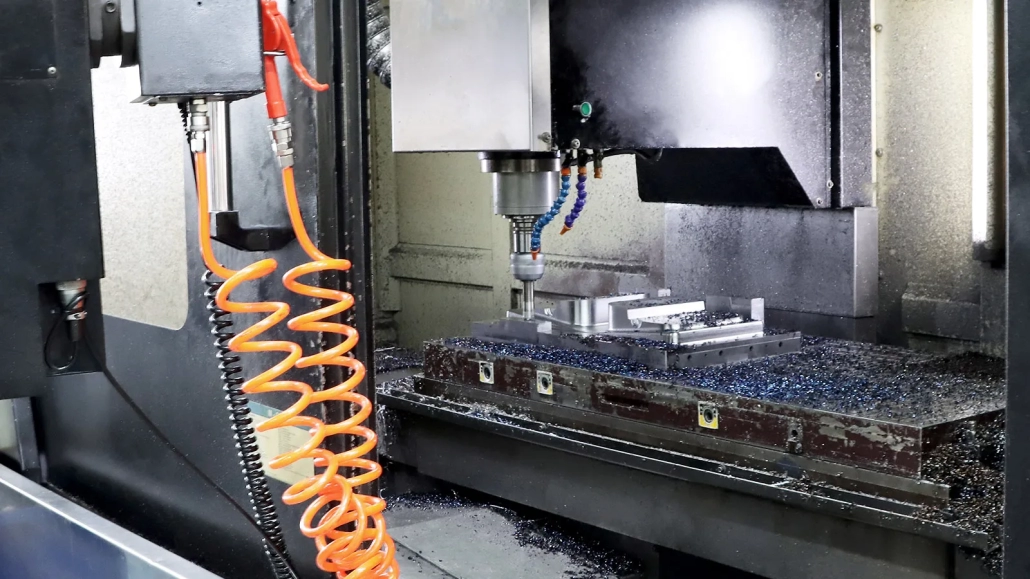
Tooling refers to the creation of the mold or molds in which the silicone will be shaped. This is a crucial step because the mold’s quality and design directly impact the pad’s final shape, surface finish, and how easily it can be produced. For custom silicone shoulder pads, typically metal molds are used for production, even if prototypes might have used cheaper materials. The common process is:

  • Designing the Mold: A mold engineer takes the 3D CAD model of the shoulder pad and designs a matching mold cavity. For a simple pad, the mold might be a two-part (upper and lower plate) design, where the cavity is the negative of the pad’s shape cut into the metal. The engineer decides on the mold layout: for instance, will one mold produce one pad at a time or multiple pads (multiple cavities) per cycle? If high volume is expected, molds can be made with multiple cavities to produce many pads with each press or injection cycle.

  • Choosing Mold Material: For production volumes, steel molds (often P20 tool steel or hardened steel) are favored for their durability – they can withstand hundreds of thousands of cycles. If the production run is modest or speed is of the essence, aluminum molds are an option; aluminum is faster to CNC machine and polish, but wears out faster especially under the heat and pressure of silicone molding. For initial low-volume production or prototyping, aluminum is a cost-effective choice. In either case, the mold material must withstand curing temperatures (typically 150–180°C for silicone) and the clamping pressure of the molding machine.

  • CNC Machining or EDM: The mold cavities are typically cut using CNC (Computer Numerical Control) milling machines that precisely carve the metal according to the 3D design. Intricate details or fine textures might be added using EDM (Electrical Discharge Machining), which can create very precise features by eroding metal with sparks. For instance, if the pad’s surface needs a micro-texture (to mimic skin or fabric, or to increase grip), EDM can imprint that. Conversely, if a glossy smooth finish is desired on the pad, the mold cavity is polished to a mirror shine.

  • Parting Line and Vents: The engineer must plan where the parting line of the mold will be – that is, where the two halves of the mold meet. Ideally, the parting line on the pad will fall in a less visible area. On a shoulder pad, a common approach is to have the parting line along the thin perimeter edge of the pad. This way, any slight flash or seam will be at the very edge where it’s least noticeable and can be easily trimmed. Tiny vent holes are drilled at the edges of the cavity to allow air to escape when silicone flows in, preventing air pockets.

  • Gates and Runners (for Injection Molding): If the pad will be made by LSR injection molding, the mold design also includes gate and runner systems. Liquid silicone is injected usually through a gate into the cavity. A well-designed gate location is critical – for example, placing a gate at a thick section can help fill the pad without trapping air. For aesthetic parts like fashion pads, molders try to put the gate in a non-obvious spot (perhaps on the underside of the pad or on an edge that will be trimmed). A cold-runner or hot-runner system might be used to deliver the two-part LSR into each cavity efficiently, minimizing waste. Injection molds also often include automated systems to de-mold parts (like ejector pins or plates) because the process is highly automated.

  • Mold Trial and Finish: After the mold is fabricated, it’s tested by doing a trial molding with silicone. This trial might reveal any necessary tweaks – for example, if the pad isn’t filling fully, the mold maker might enlarge a gate or add another vent. Once everything is working, the mold surfaces are given a final finish. As noted, a polished surface can help the pad release easier and gives the pad a smooth feel, whereas a textured surface can give the pad a matte look or better grip. Polishing the mold is particularly important for LSR molds, as it reduces friction so that the cured silicone part will peel out without sticking excessively.

Building a high-quality mold can be one of the longer lead-time items in the project. However, the investment pays off in production. A good mold ensures repeatability – every pad comes out with the same shape and dimensions – and minimizes defects. Also, when cared for, a steel production mold can be used for many production runs, making future batches of pads consistent with the first.

In summary, the tooling phase translates the silicone pad design into a precise metal cavity ready for manufacturing. Now let’s look at how the actual molding – the process of turning raw silicone into the final pad shape – takes place.

Molding Methods: Compression Molding vs. Liquid Injection Molding

The two primary molding methods to produce silicone shoulder pads are compression molding (using HCR silicone) and liquid injection molding (using LSR). Both processes involve placing silicone into the mold cavity and heating it to cure, but they differ in how the silicone is introduced and how automated the process is. We’ll explore each method:

Compression Molding Process

Silicone-Compression-Molding-Process

Compression molding is a straightforward and time-tested method for shaping silicone rubber. It’s especially suitable for relatively simple parts and moderate production volumes. In compression molding of shoulder pads, the steps are as follows:

  1. Material Preparation: The silicone (usually HCR gum) is first mixed and prepared with any necessary ingredients. Raw silicone gum by itself has no color and limited elasticity, so it’s compounded with additives: for example, pigments to get the desired color, curing agents (peroxide or platinum catalyst) to enable it to vulcanize, and possibly reinforcing fillers (like silica) to improve tear strength. Once mixed, the silicone compound might be milled into flat sheets or strips of appropriate thickness.

  2. Pre-measuring & Loading: A piece of uncured silicone, often called a “preform,” is cut to size for the mold. The amount must be carefully weighed to slightly overfill the cavity – too little material and the pad will have voids, too much and excess will flash out of the mold. The operator places this piece of silicone into the open mold cavity. For a shoulder pad shape, they might center a roughly pad-shaped slug of material on the lower mold half.

  3. Closing and Curing: The mold is closed, and a press applies high pressure while heating the mold. Under heat (typically 150°C or more) the silicone softens and flows to fill the cavity, and then cures into a solid elastic state. Curing time can vary, but often on the order of a few minutes per cycle for silicone pads. During this phase, some silicone will inevitably squeeze out along the parting line of the mold – this forms the thin excess known as flash. Because in compression molding the raw material was exposed when the mold closed, a thin flash line around the pad’s edge is expected. In well-controlled processes, this flash is very thin (industry standards allow flash under about 0.25 mm), but it will need trimming later.

  4. Open and Demold: After the cure time, the press opens and the operator removes the molded pads. Often the pads will stick lightly to one side of the mold – operators might flex the mold or use a gentle air jet or their fingers to peel the pad out. The pads are removed while warm. At this stage, they have the exact shape of the cavity, including any textures or logos that were engraved in the mold.

Compression molding has the benefit of being simpler and often cheaper to set up than injection molding. The equipment is usually a basic heated press, and the molds do not require complex runner systems. It’s a great method if a manufacturer wants to quickly produce a batch of custom pads without investing in the full automation of injection. However, compression molding is more labor-intensive – each cycle might require manual loading and demolding – and it typically results in that ring of flash that must be trimmed off.

Liquid Silicone Injection Molding (LSR Molding)
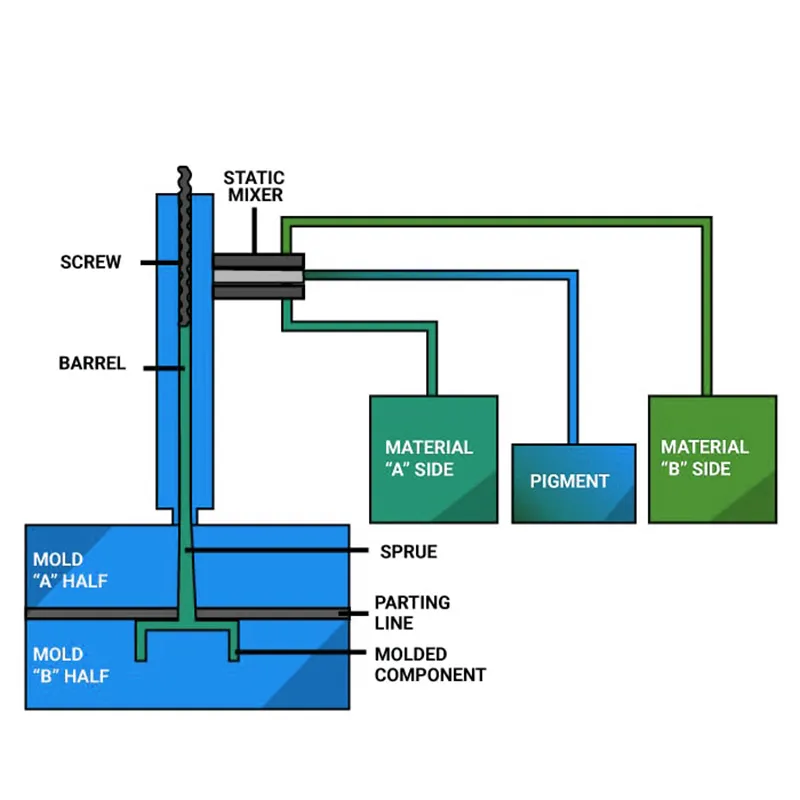
silicone-injection-molding-pocess

Liquid Silicone Rubber (LSR) injection molding is a more advanced process that offers high precision and automation. If the project demands large quantities of shoulder pads with consistent quality, injection molding is the preferred method. Here’s how it works for silicone pads:

  1. Material Mixing and Metering: LSR comes as two liquid components (Part A and Part B) that are stored in drums. These parts are pumped into a metering unit that precisely mixes them at a 1:1 ratio (along with any liquid pigment or additives). The mixture starts to cure only when the two parts meet, so the system keeps them separate until just before injection. The mixed LSR is then pushed into the injection molding machine barrel.

  2. Injection into Closed Mold: Unlike compression, the mold in an LSR machine stays closed and clamped shut before silicone is introduced. The machine injects the liquid silicone through sprues and runners into the cavities. Because the mold is already closed and under clamp force, the silicone fills the cavity completely without opening the mold. The mold is maintained at the curing temperature (usually slightly lower than for compression, around 100–130°C for LSR, since LSR cures fast).

  3. Curing and Crosslinking: Once injected, the silicone quickly cures in the heated mold, taking as little as 30 seconds to a couple minutes depending on part size and the silicone formulation. LSR has a lower viscosity than HCR, so it can fill very intricate details and thin sections reliably. Its curing time is also faster, roughly one-third that of solid silicone under equivalent conditions, allowing faster cycle times.

  4. Automatic Demolding: Many LSR molds are designed so that when the mold opens, the finished parts are either ejected automatically (by ejector pins or air blasts) or they stick to one side where a robotic arm can pick them off. In high-end systems, a robot might even remove the pads and place them on a conveyor, all in sync with the machine cycle.

  5. Flash-Free Parts: A key advantage of injection molding is that, if the mold is well-made, the parts can be essentially flash-free. Because the liquid enters after closure, there’s very little opportunity for excess to leak out as flash. Properly tuned injection processes produce pads with almost no visible parting line or burr – a big plus for appearance and reducing post-processing. Additionally, the precision of injection metering ensures each cavity gets exactly the right amount of silicone, yielding very consistent pad weights and dimensions from shot to shot.

  6. High Precision and Cleanliness: LSR injection molding is known for high precision. The microcomputer-controlled injection ensures tight tolerances and repeatability. Because the entire path of the silicone from drum to mold is in a closed system, there’s minimal contamination – important if the pads need to meet medical-grade or food-grade cleanliness. In fact, many consumer silicone products (like baby bottle nipples, wearables) are made with LSR specifically for its purity and consistency. For fashion pads, this means a very high-quality product with excellent appearance and material properties.

The main trade-off with injection molding is the initial cost and complexity. The molds are more complex (with runner systems, possibly multiple cavities, etc.), and the machinery setup is sophisticated. However, if tens of thousands of pads are needed, the per-part cost becomes very low due to automation and faster cycle times. Manufacturers will decide between compression and injection based on factors like the order quantity, desired quality level, and budget. In some cases, both methods might be used – for example, an initial small batch via compression to test the market, followed by building an injection mold for larger production once demand is confirmed.

Regardless of the molding method, the result after curing is a solid silicone shoulder pad ready for finishing. Next, we’ll discuss what happens after the pads come out of the mold.

Curing, Demolding, and Post-Processing

Curing is the chemical process during molding where the silicone polymer chains cross-link, transforming from a paste or liquid into an elastic solid. We have touched on curing within the descriptions of compression and injection processes. Once curing is complete and the pads are taken out of the mold, a series of post-processing steps may be needed to get the pads ready for use:

  • Flash Trimming: As mentioned, compression-molded pads will have a thin excess flash around the edges, and even injection-molded pads might have a slight vestige where the mold halves met or where the injection gate was. The first task is to remove this flash. Trimming can be done manually with small scissors or knives, where a worker carefully cuts away the excess around the pad’s perimeter. For higher volumes, automated methods exist: one example is cryogenic deflashing, where pads are tumbled in a frozen chamber so the flash (which freezes and turns brittle faster than the thick part) can be easily broken off. In any case, the goal is to leave a clean edge that won’t be noticeable under clothing or cause discomfort.

  • Inspection for Defects: Right after molding and initial trimming, each pad is typically inspected. Operators check for surface defects like air bubbles, voids, or blemishes. A good pad should have a smooth surface without irregularities. If the pad has any embedded features (like a molded logo or a specific texture), this is checked against the standards. Also, the pad’s dimensions (length, width, thickness) might be measured at this stage to ensure they match the design specs – any significant deviation might indicate a molding issue.

  • Post-Curing (If Required): Some silicone products undergo a post-cure bake in an oven, especially if they need to meet certain regulatory standards (post-curing can drive off volatile substances to make parts more pure for medical or food contact use). For fashion shoulder pads, this is usually not necessary if a platinum-cure LSR was used (platinum-cured silicones are often “out of the mold” pure and fully cured). If a peroxide-cured silicone was used, a post-cure might be done to eliminate peroxide residues or any odor. This involves heating the pads in an oven (say at 150°C) for a few hours.

  • Surface Finishing: Depending on design requirements, additional finishing might be applied. If a silky fabric feel is desired on the pad surface, some manufacturers flock the surface with a thin textile, or they may spray a very thin layer of a slick coating to reduce the silicone’s tackiness (so it doesn’t grab onto certain fabrics). Conversely, if the pad needs extra stickiness (for self-adhesive types), the surface may be treated differently or kept uncoated. In some custom cases, a brand might want a pattern or printed label on the pad – this could be done with pad printing or laser marking, though any addition must not interfere with the pad’s comfort or appearance through a garment.

  • Attaching Accessories: Some custom pads might be molded with or later attached to extra components. For example, a pad might have a built-in piece of fabric or a tab to allow it to be sewn into a garment. In such cases, often the fabric can be over-molded (placed in the mold so the silicone bonds to it during curing). If not, an assembly step comes after molding where the silicone pad is glued or stitched to the fabric piece. Another example is if the pad is meant to be detachable, perhaps it comes with a small fastener (like a Velcro patch or a snap). Those would be attached in post-processing as well.

newtop silicone workers are doing visual quality inspection of silicone products-2Throughout post-processing, quality control is performed to catch any issues. Manufacturers often set up a controlled workflow: for instance, after trimming, an operator does a 100% visual check under good lighting, feeling the edges to ensure smoothness. Critical attributes like hardness can be tested on random samples – using a Shore A durometer device to make sure the pads are at the specified softness. If the project spec is, say, a 25 Shore A pad, measuring a sample from each batch verifies consistency. Tensile or tear strength tests might be done on sample coupons to ensure the silicone cure is good (inadequate curing or bad material could reduce tear strength, though such issues are rare in a well-controlled process).

Another aspect checked is weight – since these pads are often sold in pairs, having both pads of a pair equal in weight is a sign of uniformity. Any pad that is significantly lighter or heavier might indicate a problem (like incomplete fill or too much flash trimmed).

By the end of post-processing, the silicone shoulder pads should be fully finished: trimmed, clean, and compliant with all design and quality requirements. They are now ready to be customized (if required) and then packaged for delivery.

Quality Control Protocols in Production

Quality control (QC) is woven into every stage of the manufacturing process, but it’s worth highlighting how manufacturers ensure every silicone shoulder pad meets the high standards expected by fashion brands and end-users. A robust quality management system is often in place, possibly adhering to ISO 9001 or other relevant standards for consistency. Here are some key QC measures specific to silicone pad production:

  • Incoming Material Inspection: Before production starts, the raw silicone (and any additives) are verified. The silicone’s lot might come with a certification of its hardness, purity, etc., but the manufacturer might still do a quick check (for example, mixing a small test sample to ensure it cures properly, or verifying colorant dispersion).

  • Process Monitoring: During molding, critical parameters like temperature and cure time are monitored and often logged. This might be as simple as the operator verifying the press settings, or as high-tech as computerized systems capturing data each cycle. If any parameter goes out of spec (e.g., mold temperature dropping too low), the team can correct it before it affects quality.

  • First Article Inspection: When the production run begins, the first few pads produced are thoroughly inspected (dimensions, fit into a garment, appearance) to approve the run. Adjustments to the process can be made at this point if needed.

  • Visual Inspection: Human inspectors or automated vision systems check the pads for defects. Common issues looked for include: contamination (no foreign specks or dirt embedded in the translucent silicone), air bubbles or voids (none should be present, indicating proper venting and fill), uniform color (especially for skin-tone pads; any streaks would be flagged), and no tears or deformities. Silicone manufacturing acknowledges that minor imperfections can occur, but there are agreed standards on what is acceptable. For instance, a very small flow mark might not affect function and could be allowed, but anything that affects the pad’s appearance under a thin garment would be rejected. Often, companies create visual standards – sample pads that show acceptable vs. reject conditions – so that inspections are consistent.

  • Dimensional and Hardness Checks: As mentioned, measuring a pad’s thickness or hardness at several points per batch is common. The critical dimensions (like overall length & width, and maximum thickness of the pad) will have a tolerance range defined in the design. QC uses calipers or gauges to ensure pads fall within that tolerance. Hardness is checked by a Shore durometer press on the pad’s surface. Since silicone can be slightly variable, typically a small range (e.g., ±5 in Shore A) is allowed. Ensuring these properties verifies that the cure and material mix are consistent.

  • Functional Testing: If the pads have specific functional requirements, tests are done accordingly. For example, for adhesive shoulder pads, the adhesive quality might be tested by applying the pad to a surface and seeing if it holds and re-sticks after washing. If a pad is marketed as machine-washable, samples might actually be put through a wash cycle to confirm they don’t degrade or lose stickiness. Another potential test is compression set – compressing a pad under weight for a time and verifying it recovers fully, which is important for long-term performance (the pad shouldn’t go flat after extended wear).

  • Quality Documentation: Every batch of production usually comes with some documentation – lot numbers, inspection records, etc. This traceability is important in manufacturing; if any issue is discovered later (e.g., a certain batch had a slightly off color), the records help identify and isolate the problem. Good manufacturers maintain control plans and may use statistical sampling to keep an eye on quality throughout the run.

It’s worth noting that in the fashion industry, brands often have their own quality requirements that the pads must meet. This can include compliance with regulations (like REACH for chemical safety in Europe or CPSIA in the USA for children’s products) – silicone generally passes these easily if it’s a high-quality medical/food grade. Additionally, brands might test the pads integrated in garments for things like comfort trials (having people wear the garment to ensure the pad doesn’t cause any issues) and durability (the pad should last as long as the garment does).

Customization Options: Color, Texture, and Branding

One of the advantages of custom manufacturing is the ability to tailor features to the client’s needs. Silicone shoulder pads offer a range of customization options to align with branding, aesthetic, or functional preferences:

  • Color Matching: As mentioned earlier, silicone can be pigmented. Brands may request specific Pantone colors for the pads, especially if the pad might be partially visible or if it’s just part of their signature (for example, a luxury brand might want even hidden components to have their brand color). Commonly, fashion shoulder pads are skin-toned or transparent for discretion, but they can also be made in black (to blend with dark garments) or any color. The pigmentation is done by adding color masterbatch to the raw silicone mix, and color QC ensures the output matches the sample. Because silicone pads don’t fade easily, the color remains stable over time.

  • Hardness and Feel: The durometer of the silicone can be customized to achieve a particular feel. A brand might want an ultra-soft, gel-like pad for a delicate blouse, or a slightly firmer pad for a structured jacket. By selecting different silicone grades or adjusting the curing agent levels, manufacturers can dial in the hardness. They can even produce two versions if needed – for instance, “soft” and “firm” pad options.

  • Surface Texture: The mold finish dictates whether a pad’s surface is shiny or matte or patterned. A high-gloss mold yields a smooth, shiny pad surface (which can be very slick against fabric, possibly causing less friction). A matte texture (achieved by bead-blasting the mold or chemically etching a texture) yields a pad that has a subtle drag – this can actually help keep it from sliding against the garment. Additionally, a deliberate pattern can be etched: e.g., a cross-hatch or a series of micro dimples – anything that might either help airflow, grip, or aesthetics. For example, some shoulder pads have a slightly textured surface that clings to clothing, combined with smooth tapered edges so they transition invisibly (the center might have texture for grip, while edges are glossy to not catch on the fabric).

  • Logo and Branding: If a company wants their brand identity on the product (even if it’s hidden in use), the mold can include a raised or recessed logo on the pad’s surface. This would appear on each pad as it’s molded. Alternatively, a logo could be printed afterwards. However, since shoulder pads are not typically seen, branding might be subtle – perhaps just a part number or size indication. Interestingly, some uniform or costume manufacturers might color-code or mark pads to differentiate left vs right or front vs back if needed.

  • Shape Customization: While the general shape is determined in design, customization can extend to offering different silhouettes. For instance, an OEM might request a whole range of shoulder pad shapes – a smaller one for women’s blouses, a broader one for men’s blazers, an extra-thick one for theatrical costumes, etc. The same basic manufacturing process applies, but with different mold inserts.

  • Adhesive vs. Sew-in Options: Custom pads can be designed with different integration methods, which is a form of customization. Some pads come with a self-adhesive backing – a tacky surface or a sticky gel that allows them to stick either to the skin or to the inside of a garment. Others might be covered with a piece of fabric or have extensions that make it easy to sew them into a garment (some products are literally marketed as “easy to sew, for effortless integration into your clothing” – meaning they can be stitched by hand or machine onto the garment’s shoulder area). In manufacturing, if an adhesive pad is required, one approach is to use a special silicone that remains sticky; another is to apply a medical-grade adhesive to the pad after molding (with a peel-off film to protect it until use). For sew-in pads, often the silicone pad might be encased in a thin fabric or at least feature a fabric strip that can be caught in a seam.

  • Packaging Customization: Beyond the pad itself, manufacturers offer customized packaging and private labeling for brands. For example, if a fashion brand orders pads to include with their garment kits, they may want them individually packaged with their branding. Suppliers on OEM marketplaces often advertise options for customized logos and packaging with minimum order quantities. This means the pads could come with a printed insert card, branded plastic bag, or even custom boxes if they are sold as accessories.

From a manufacturing perspective, most of these custom options need to be defined early because they affect the mold design (for logos/textures) or the production process (for adhesive backing or fabric integration). The manufacturer’s engineering team works closely with the client to finalize these details before tooling. During production, they might dedicate separate assembly or finishing steps for different variants – for instance, one production line might output plain silicone pads, and another station applies an adhesive film and packaging for a specific client’s order.

Customization is especially important in the fashion industry, as brands are always looking for that slight edge or unique touch. Having the ability to tweak the product allows the shoulder pads to not just be a commodity component, but a tailored part of the garment’s quality and experience. For instance, a high-end bridal gown manufacturer may commission very soft, white silicone pads that are sewn discreetly into the dress lining, ensuring the bride’s comfort and posture without anyone ever seeing the pads. On the other hand, a ready-to-wear brand might prefer clear, removable pads that they can include as optional accessories with a top. The manufacturing process can accommodate both, with the right planning.

Packaging and Integration into Final Fashion Products

The journey doesn’t end with the finished silicone pads at the factory. Packaging and integration are the final steps, ensuring the pads reach the end-user in perfect condition and can be easily incorporated into garments.

Packaging serves several purposes: protecting the pads, keeping them clean (silicone’s stickiness can attract dust, so packaging is important), and providing convenience in handling. Common packaging methods for silicone shoulder pads include:

  • Individual Poly Bags: Each pair of pads might be packed in a clear poly bag (OPP bag). This protects the pads from dust and lint. If the pads have adhesive surfaces, they often come with a glossy backing paper on the adhesive and then in the bag to ensure they don’t stick to the packaging.

  • Sets with Card Inserts: For retail or kit packaging, pads may be attached to a cardboard insert or sandwiched between cardboard pieces, then sealed. The insert can contain instructions (for example, how to position the pads, cleaning instructions, etc.) and branding.

  • Bulk Packaging: If the pads are being shipped to an apparel factory for sewing into clothes, they might be bulk packed by dozens in a larger bag or box, rather than individually. However, care is taken to prevent them from deforming each other (they might be layered with separator sheets if they are heavy).

  • Quality Assurance in Packaging: Before final sealing, a last check (needle detection, for instance) is done in some cases – interestingly, some listings mention “Needle detection: Yes”, meaning the pads have passed through a metal detector to ensure no broken needles or metal fragments from the sewing process are present (this is a common requirement in apparel manufacturing for safety).

The packaging may also include labeling such as batch number or date of manufacture, which is important for traceability. The packaged pads then either go to the garment manufacturer or to retail distribution, depending on the product’s nature.

Integration into garments can happen in a few ways:

  • Sewn-In During Garment Production: Many apparel companies order custom pads to stitch directly into their designs. In this case, the pads usually arrive at the garment factory during the assembly stage. A typical integration might involve placing the pad at the shoulder (often between the lining and outer fabric in tailored jackets, for example) and securing it with a few stitches. Some pads come with a fabric covering or at least fabric wings that have holes for sewing. The advantage of sewing the pad in is it stays exactly in the intended place and is invisible to the wearer (often tucked between layers). Manufacturers of the pads might provide guidance or even jigs to the garment makers on how to position them correctly.

  • Removable Pads: In fashion, sometimes pads are provided as optional, removable items. For instance, a dress might have small pockets in the shoulder area where a pad can be inserted or removed. In that scenario, the pads might be delivered separately in a small pouch with the garment. Detachable pads could also use fasteners; for example, a pad could have a snap that connects to a snap inside the garment. If pads are intended to be removable, the silicone formulation might emphasize durability and washing ease since the wearer might take them out and put them back frequently.

  • Direct-to-Consumer Accessories: Some silicone shoulder pads are sold as after-market accessories (for people who want to add them to any outfit). These are usually the adhesive type or ones with a shoulder strap. From a manufacturing standpoint, these pads often come with user-friendly packaging and instructions. For example, a retail box might explain how to peel and stick the pads and how to wash them to renew the stickiness.

  • Bra Strap Cushions and Similar Pads: A related product is silicone bra strap cushions (small pads that prevent straps from digging in). These are integrated differently – they usually just wrap around a bra strap. I mention this because the packaging and integration of those are analogous: they often come in a set, ready for the user to apply. The manufacturing of those is similar to shoulder pads, and sometimes the same producers make a variety of silicone fashion aids (shoulder pads, bra inserts, etc.).

For the fashion designer or brand, integrating silicone pads can be a new experience if they’re used to traditional foam pads. Silicone pads typically cannot be ironed (high heat can degrade them or cause them to stick to iron), so garment production processes must avoid pressing directly on them. However, their resilience to moderate heat means they handle normal sewing and even garment steaming without issues, as long as direct high heat is avoided.

Once integrated, the garment with pads goes through the usual finishing and quality checks on the apparel side. The end result is a garment that benefits from the silicone pad’s presence: improved shape and comfort, with the padding itself essentially invisible and unnoticeable to the wearer except for the positive effect.

Finally, end-users (consumers) often have care instructions related to the pads. If the pads are sewn-in, they typically endure dry cleaning or gentle washing fine (silicone is waterproof and inert, so water won’t harm it; mechanical agitation is the bigger concern, but in a garment lining it’s protected). If the pads are removable, instructions might say to hand-wash them in mild soap and let air-dry if they get dirty, which will restore tackiness if it’s an adhesive type. The fact that silicone is reusable and washable is a selling point – unlike foam that might break down or deform, silicone pads can last a long time.

To summarize, packaging and integration are about delivering the silicone pads in a clean, ready-to-use form and making sure they can be incorporated into fashion products seamlessly. By coordinating with garment manufacturers and providing a product that meets their needs (correct size, easy attachment, safe in production), the silicone pad maker ensures that from factory to fitting room, the process is smooth.

Conclusion

Creating custom silicone shoulder pads for the fashion industry is a multidisciplinary process that combines creative design, material science, and precision manufacturing. We started with an idea – enhancing clothing with comfortable, aesthetic padding – and followed it through design conceptualization, CAD modeling, material selection, tooling, molding, and finishing. At each step, the focus is on achieving the designer’s vision while ensuring the product is safe, durable, and high-quality for the consumer.

Silicone as a material offers unique benefits for shoulder pads: it’s flexible, long-lasting, and kind to the skin, making it ideal for wearable applications. By choosing the appropriate silicone type (whether a solid silicone for compression molding or a liquid silicone for injection), manufacturers can tailor the production method to the project’s needs – balancing cost, volume, and quality. The use of modern techniques like LSR injection molding allows for high precision parts with virtually no flash, which speaks to the level of refinement possible in today’s manufacturing. At the same time, traditional compression molding remains a viable method, especially for custom shapes and smaller runs, proving that there’s no one-size-fits-all solution; rather, an expert will choose the best approach for each scenario.

Throughout production, stringent quality control ensures that every pad that rolls off the line meets specifications – from hardness and dimensions to visual appearance and performance. The pads are then customized in color, texture, and even branding to align with fashion objectives, and carefully packaged to retain their pristine condition. Finally, they are integrated into garments, subtly doing their job to uplift (quite literally) the fashion pieces they are part of, all while remaining hidden from view.

For designers and apparel brands, understanding this process means they can better collaborate with manufacturers to create the perfect shoulder pad for their needs – whether it’s a nearly invisible insert that gives a subtle boost or a statement padding for a runway piece. And for OEM buyers, the knowledge highlights what to look for in a manufacturing partner: expertise in silicone technology, a track record of quality, and the ability to customize and innovate.

In the end, the making of custom silicone shoulder pads is an excellent example of how innovation in materials and manufacturing can elevate a traditional fashion component. From concept drawings to molded reality, each pad embodies a combination of engineering precision and fashion sense, ensuring that clothing not only looks better but feels better. As fashion continues to evolve with new materials, silicone shoulder pads stand out as a testament to the industry’s drive to merge comfort with style – all made possible by the careful steps of design, material selection, molding, and finishing that we’ve detailed above.

Introduction

Nipple covers are small adhesive discs or “pasties” designed to conceal and protect the nipple area for a smooth, discreet look under clothing. They have become a wardrobe essential for anyone seeking braless freedom with backless dresses, plunging necklines, or sheer tops. Unlike traditional bras, quality nipple covers eliminate visible straps and uncomfortable underwires, providing seamless coverage and modesty. Modern nipple covers are typically made from skin-friendly silicone in skin-tone shades, with ultra-thin tapered edges and a gentle adhesive backing to keep them securely in place. In this guide, we’ll explore how today’s reusable nipple covers are engineered for long-term wear, how brands are embracing skin-tone inclusivity and multiple sizes, and which performance features – like sweat resistance, lifting support, and strong yet safe adhesives – are becoming standard. We’ll also address key consumer concerns such as comfort, fit, and skin safety, and examine how the market is evolving toward greater inclusivity and sustainability.

What Are Nipple Covers and Why Use Them?

Nipple covers (sometimes called nipple concealers or breast petals) are small covers that adhere to the breasts to prevent nipples from showing through clothing. They have long been a solution for outfits where a traditional bra isn’t suitable – for example, backless dresses, strapless tops, deep necklines, or sheer fabrics. By sitting flush against the breast in a tone similar to your skin, a good nipple cover virtually disappears under clothes. The primary goal is to avoid any “nip slip” or protrusion, ensuring a smooth, confident look even under challenging outfits.

Early nipple covers were often single-use fabric or paper pasties, which did the job in a pinch but were not very durable or subtle. They often came only in one “nude” color (usually a light beige) and a one-size-fits-all approach. Today, however, the game has changed with reusable silicone nipple covers that are ultra-thin, flesh-toned, and designed for repeated wear. These modern covers are popular not just for special occasions but also for everyday comfort – many people use them to go braless casually without sacrificing coverage or modesty. Even those with larger busts find nipple covers useful as a complement to outfits (sometimes alongside tape or strapless bra solutions) for that barely-there feeling while still getting coverage. In essence, nipple covers grant wardrobe freedom: you can wear backless or form-fitting styles with confidence and no visible bra lines.

Reusable Design and Sustainable Materials

One of the biggest innovations in nipple covers is reusability, which aligns with both consumer convenience and sustainability. Quality reusable nipple covers are typically made from medical-grade silicone, a durable, flexible material that can be washed and worn multiple times. Unlike disposable paper or fabric pasties that end up in the trash after one outing, silicone covers can last for dozens of wears with proper care. In fact, many brands advertise 20 to 30 uses (or even more) from a single pair of silicone covers. This longevity means less waste and a lower cost-per-wear over time – as one source notes, a $20 pair used 30 times comes out to under $0.70 per wear. For consumers increasingly concerned with sustainability, reusable silicone nipple covers are an eco-friendly alternative, significantly reducing the number of single-use pasties that end up in landfills.

What makes them reusable? The secret lies in the adhesive technology and materials. High-quality silicone nipple covers use a sticky silicone gel adhesive on the back – often termed “medical-grade silicone adhesive” – that adheres to the skin gently but securely. After each use, you can wash the covers with mild soap and water, let them air dry, and the adhesive regenerates its tackiness. With this simple maintenance, a single pair can keep sticking for dozens of cycles before the adhesive naturally begins to lose strength or pick up too much lint. Silicone itself is water-resistant and doesn’t break down easily, which is why these covers remain effective over time. In contrast, cheaper pasties use acrylic-based adhesives (similar to a bandage or tape) that provide a strong initial stick but usually cannot be reused – once removed, the adhesive won’t reliably stick again. Those are intended as disposable, one-time solutions, whereas silicone adhesive covers are engineered for long-term value and minimal waste.

From a sustainability perspective, reusable covers offer a clear advantage. Fewer throwaway products mean a smaller environmental footprint – one sturdy pair can replace dozens of disposable nipple covers in a year. Additionally, some companies are now packaging nipple covers with eco-conscious design: for example, using recyclable paper boxes and minimal plastic, or including a travel case that encourages you to store and reuse your covers rather than toss them. Every aspect, from the silicone materials (which are non-toxic and free of harmful chemicals) to the packaging, is being rethought to improve sustainability. The industry is also seeing innovations like replaceable adhesive layers – in some designs, you can refresh the stickiness by applying new adhesive patches or using skin-safe glue, extending the life of the silicone piece itself. All of these efforts reflect a broader push to make intimate apparel more eco-friendly: as one brand put it, “the world doesn’t need more throwaway fashion,” and that includes what’s under your outfit. Reusable nipple covers are thus part of a movement toward sustainable lingerie, combining long-lasting materials, washable adhesives, and reduced packaging waste for a more conscious closet.

Skin-Tone Inclusivity and Size Diversity

Nipple Cover Manufacturers

Another major evolution in nipple covers is the emphasis on inclusivity – particularly when it comes to skin tone and body diversity. Traditionally, many nipple covers were sold in a single “nude” shade, which usually catered only to light or medium skin tones. This was obviously limiting, as **“nude” means different things to different people”. Today’s top brands recognize this and offer their covers in multiple shades of nude, aiming to blend with a wide range of complexions. It’s now common to find sets of nipple covers in three, four, or even five tone options from light to deep. For example, NEWTOP Nipple Covers, a popular line, have five inclusive shades and even provide tips like matching the covers to your areola for the most discreet look. The goal is for everyone – from very fair to deep brown skin – to have a “barely there” cover that truly disappears on them. Even so, there’s ongoing demand for more nuance; experts note that while a color range might be good, some in-between shades would cover even more skin tones. The market is responding by expanding shade ranges so that no one is left with an obvious light or dark patch where the cover sits.

Inclusivity isn’t just about color – it’s also about size and shape options. Nipple covers are not strictly one-size-fits-all. People have different areola sizes and coverage needs, and a cover that’s too small will not fully do its job (or might have edges that show). Recognizing this, many brands now offer their nipple covers in multiple diameters or size categories. Typically you’ll see at least two or three sizes: for example, small (~2.5–3 inches across) for A–B cups, medium (~3.5–4 inches) for C–D cups, and large (~5 inches) for DD and up. This ensures that those with larger busts or broader chests get enough coverage and adhesive surface area for a secure fit. As a general rule, if you’re between sizes, it’s wise to choose the larger size – you can always trim a silicone cover’s edge if needed, but you can’t add more material to a too-small cover. Having a range of sizes also ties back to performance: a larger cover not only covers more area but also adheres better (more surface area means better hold, important for those who might sweat more or move a lot).

Additionally, nipple covers come in different shapes to suit personal preference and outfit needs. The most common shape is round, which provides even coverage around the nipple. But there are also petal-shaped covers that have scalloped or flower-like edges – these can blend more gradually into the skin for an even less detectable outline. Petal designs might contour better on curved surfaces and under very thin fabrics, avoiding any visible edge line. We also see innovations in shape for function, like covers with a teardrop or “bunny ear” extension that goes above the nipple. These are designed to provide a bit of lift (more on that in the next section) while still concealing the nipple. Variety in shapes and sizes means consumers can find their perfect match for both their body and the outfit in question. The inclusive approach is evident: nipple cover solutions come in many sizes, colors, materials, with lift or without lift, extra support, adhesive and non-adhesive options. The market has essentially exploded from a one-style-fits-all into a diverse category that celebrates different skin tones and body needs. This level of inclusivity in a simple accessory goes a long way in making sure everyone can feel confident and comfortable going braless when they want to.

Performance Features: Sweat Resistance, Lift & Adhesive Strength

Modern nipple covers do more than just cover – they come packed with performance features to meet the demands of active, all-day wear. Here are some of the key features that top-quality nipple covers now offer and that consumers should look for:

  • Sweat Resistance & Waterproof Adhesives: One of the biggest worries with any adhesive product is whether it will stay on if you’re sweating on a dance floor, at a summer wedding, or even working out. Many reusable nipple covers today use advanced adhesives that are specifically water-resistant and sweat-resistant, meaning they won’t slip even in hot, humid conditions. For instance, products marketed as “sports” or “workout” nipple covers boast that they stay in place no matter how hard you move, thanks to adhesives that can handle perspiration. Silicone itself is waterproof, so the key is the adhesive: medical-grade silicone adhesives tend to hold through normal activities and light sweating, though extremely heavy sweat or oil can start to loosen edges over time. To mitigate this, some brands have increased the diameter of covers (more area helps them grip better) or offer tips like using a skin prep spray for extra hold in extreme conditions. For those who need absolute security (for example, a performer under hot stage lights or a bride dancing all night), single-use acrylic adhesives can provide an even stronger initial stick that truly won’t budge through intense sweat. However, the trade-off is they aren’t reusable. Many people find that a well-made reusable silicone cover is sufficient for everyday and moderately active use – and indeed, some users even swim with their silicone nipple covers on without issue. The bottom line is that “sweat-proof” has become a standard claim for higher-end nipple covers, and you should expect them to hold up during most activities unless explicitly stated otherwise.

  • Lifting Capabilities: Traditional round nipple covers do not provide structural support – they simply cover the nipple. But a newer breed of nipple covers includes built-in lifting tabs or flaps to give a bit of breast lift along with coverage. These are sometimes called lift pasties or come with names indicating “lift.” The design usually features a round lower section that covers the nipple, plus an attached extension (often a semi-circular or strip shape) that you adhere higher up on the breast. Once applied, that upper tab gently pulls the breast tissue upward, mimicking the effect of a light bra. For example, a silicone lift cover might have a small “bunny ear” flap that you stick above the nipple to achieve a subtle lift in support. Users report that when applied to clean, dry skin, these can stay in place all day and provide a noticeable difference in shape (albeit not as dramatic as a full bra). The lift is usually subtle – it won’t replace a push-up bra for significant enhancement, but it does combat the slight droop that can happen when going braless, giving a perkier silhouette. Not everyone needs or wants this feature, but it’s becoming more common as an option. Some covers even come with separate lifting tape or pull-tabs you apply after the cover to customize the lift to your liking. If lift is a priority (for instance, for larger busts or under a special outfit), look for nipple covers marketed with “lift” or “boost” – just remember to also check that the adhesive is strong enough to hold the weight of the breast when lifted. The convenience here is you get both nipple coverage and a bit of bra-like support in one product, all while remaining strapless and backless.

  • Adhesive Strength & Gentleness: Striking the right balance in adhesive strength is critical. You want covers that stay on securely for hours – through movement, maybe some sweat, and fabric brushing against them – yet peel off painlessly without leaving residue or causing irritation. High-end reusable nipple covers use medical-grade, hypoallergenic adhesives that have been tested for extended wear on sensitive skin. These adhesives are typically silicone-based (for reusability) and are praised for being gentle and pain-free to remove. In fact, some designs feature a non-adhesive center – often called a “nipple groove” or nipple nook – which means the very center of the cover (the part that sits on top of your nipple) has no glue, while the surrounding area does. This way, the most sensitive part of your breast isn’t being tugged at all during removal, eliminating that band-aid rip feeling. Testers who have experienced pain or even skin damage from cheap pasties found this feature to be a game-changer. Despite the gentle formulation, these adhesives are reliable – users report they stay put through all-day wear, and as long as you clean and dry your skin before application, they shouldn’t slide around. For comparison, disposable pasties with acrylic adhesive often grab the skin more aggressively (hence why they’re single-use), which can cause redness or even tear delicate skin if removed carelessly. Reusable silicone adhesives err on the side of kindness to skin, which may mean in extremely sweaty or high-motion scenarios a corner might start to peel – but in general, they are engineered to hold up under normal conditions and let go without drama when you’re done. Many brands advertise “medical-grade” and “dermatologist approved” adhesives and often note they are latex-free, as latex can be a common allergen. The net effect is that top-notch nipple covers have adhesives that are strong but skin-safe, giving you confidence that they won’t pop off at an inopportune moment, yet you won’t dread peeling them off later.

  • Invisible Edges and Finish: A performance feature that often goes unsung is how well the covers disappear under clothing. The best nipple covers have ultra-thin, tapered edges – literally, they thin out toward the perimeter to almost nothing, so there’s no obvious ridge where the cover ends. This tapering prevents the edges from catching on fabric and also ensures the cover lies totally flush on the skin for a seamless look. Coupled with that, most have a matte finish on the outward-facing side. This is important because a glossy or shiny cover could catch the light (or camera flash) and suddenly become visible through a thin top. A matte, skin-like finish eliminates glare and blends in under all lighting conditions – many brands explicitly tout “no-shine” or “matte invisible” features for this reason. For example, photographers or models prefer matte silicone covers because even under bright lights or flash photography, there’s no telltale reflection. In practical terms, this means you can confidently wear them under silky or clingy fabrics and even in photos you won’t see a reflective circle. The combination of a thicker center (for concealing the nipple outline) and whisper-thin edges also ensures no visible lines under clothing. High-quality covers basically become “second skin” – once they warm up to your body, you might forget you have them on. This invisibility is indeed a performance metric: the best cover is one that nobody else notices at all.

Taken together, these features mean that a good reusable nipple cover in 2025 is quite a high-tech little accessory. It’s sweat-proof, stays put, possibly adds lift, has just the right amount of stickiness, and vanishes under your outfit – all while being reusable and comfortable. These are no longer niche “emergency” items; they’re becoming a standard part of the undergarment arsenal, expected to perform through long days and nights. As one review noted, the top picks “stayed put all day (even while sweating) and were still easy and painless to peel off” – exactly what most of us want from a nipple cover.

Comfort, Fit, and Skin Safety

When it comes to something that sticks onto such a delicate area of skin, comfort and safety are paramount. Consumers rightfully ask: Will it hurt? Will it irritate my skin? Will it actually fit me well? Here’s how modern nipple covers address these concerns:

Comfort: The best nipple covers are designed to be so comfortable you forget you’re wearing them. This starts with the material – soft, flexible silicone that adapts to your body movements. Silicone warms to your body temperature and has a skin-like give, so quality covers feel natural rather than stiff. The center of the cover is often slightly thicker and padded (to fully obscure the nipple and provide a smooth shape), while the edges are feather-light and thin. This gradient thickness not only makes it invisible, but also means you don’t get a hard border pressing into your skin. Additionally, many covers incorporate that non-adhesive center or a very soft adhesive over the nipple itself, ensuring that the most sensitive part of your breast isn’t bearing any tension. There’s also usually a “no-stick” tab or edge you can grab when removing, to peel it off gently without pinching skin. Compared to a bra, nipple covers eliminate underwire pain, strap pressure, and heavy elastic – they’re ultra-light. Women who’ve tried good silicone covers often report that once applied, they barely notice them, even after hours of wear, because a well-made cover truly acts like a second skin. Of course, comfort can be subjective. If you’re not used to the feeling of adhesive on your skin, there might be a short adjustment period. But the lack of constraint (no band around your ribs, etc.) is a huge comfort win. Breathability is one aspect where covers can’t match a cotton bra – silicone isn’t breathable, so some people worry about sweat underneath. High-end covers tackle this by being thin (less insulating) and sometimes having tiny perforations or a textured backing to allow a bit of airflow. For everyday wear, many find them perfectly comfy, but if you need something for extremely hot weather, you could consider fabric nipple covers which are more breathable (though typically those are single-use and not as invisible). All in all, nipple covers are intended to free you from discomfort, not cause more – and with the current designs, they largely succeed at that.

Fit: Getting the right fit with nipple covers means selecting the appropriate size and applying them correctly. As discussed in the inclusivity section, choosing the correct diameter for your needs is key. A cover that’s too small may not fully cover the areola or could have its adhesive area all on the sensitive areola rather than around it – leading to both a less smooth look and possibly more discomfort. Ensure the cover is large enough to cover your nipple and the surrounding area completely; generally, you want some margin around the nipple where the adhesive can securely stick to flat skin. Many brands provide sizing charts (like cup-size guidelines) to help pick small vs medium vs large. If you’re unsure, going one size up often yields a smoother, more secure fit. Remember that you can trim some silicone covers if needed, but you can’t add more surface area to a too-small one.

Applying nipple covers properly also affects fit. Start with clean, dry skin – no lotion, oil, or powder on the breasts, as these will interfere with adhesion. Often, it’s recommended to avoid even moisturizers that day on that area. Then, center the cover over the nipple and smooth it down firmly, especially around the edges. Take a moment to ensure there are no wrinkles or air bubbles. If you have two covers (well, most come in pairs), try to place them symmetrically for an even look – it can help to do this in front of a mirror. Some covers allow a tiny bit of repositioning if you misalign on the first try, but it’s best to get it right the first time to maintain maximum stickiness. Once on, a good nipple cover should fit like an “invisible shield”: it shouldn’t gap or bulge. If you notice edges lifting immediately, it might be a sign the area wasn’t clean/dry enough, or occasionally that the size is a tad small for the curve of your breast (in which case a larger diameter could help). Fit also ties into the clothes you wear over them. Under something very tight, a slightly larger cover might show an outline if it extends well beyond your breast – again, choose a size that matches your need (larger busts often need larger covers not just for coverage but also because their breast has more curvature to accommodate). Under normal garments, a correctly fitting cover just creates a smooth front with no hints of what’s underneath.

Skin Safety: For anyone with sensitive skin or allergies, the idea of an adhesive stuck on the skin for hours can be concerning. That’s why reputable nipple cover manufacturers emphasize skin-safe materials. Look for covers made with “medical-grade silicone” and adhesive – this means the silicone has been tested for biocompatibility and is unlikely to cause irritation. Silicone is naturally hypoallergenic and used in medical devices like wound dressings, so it’s generally very well tolerated. According to one dermatological study cited by a nipple cover brand, 92% of participants with sensitive skin reported no irritation when using medical-grade silicone nipple covers, compared to 68% with fabric adhesive pasties. While that stat comes from marketing material, it aligns with the consensus that silicone tends to be gentler on skin than many adhesives. Importantly, many silicone adhesives are latex-free, which is good because latex can trigger allergic reactions in some people. If you know you have an allergy (to latex, certain tapes, etc.), read the product specs or FAQs – most will state if they are latex-free and what kind of adhesive is used.

If you have extremely sensitive skin, you might consider fabric nipple covers with adhesive or even non-adhesive silicone covers (there are some that just “cling” without glue or that sit in a tight bralette). Fabric options (like cotton or satin with a sticky rim) are sometimes marketed for sensitive skin because the part touching the nipple is often just fabric. However, keep in mind fabric ones often use a stronger glue on the rim (acrylic adhesive) which can ironically be more irritating. So it’s a balance. A pure silicone gel adhesive, used correctly, is by and large safe and comfy for most. If uncertain, do a patch test: cut a small piece of medical tape or use a corner of the nipple cover on a less sensitive area first to see if you react. Also, avoid wearing any adhesive covers on broken or sunburned skin.

Skin safety also involves proper use: it’s generally advised not to sleep in adhesive nipple covers or wear them for more than, say, 8-12 hours at a time (check the product guidelines) to let your skin breathe and recover. When removing, peel them off gently – don’t rip them off in one go like a bandage, especially if you’re dry (you can even dampen the edges with a bit of water to help ease removal if needed, though usually it’s not necessary with silicone). After removal, if any adhesive residue is on your skin (usually minimal with silicone adhesives), you can wash it off with mild soap. And of course, clean the covers after each use as directed: typically a rinse with mild soap and water, then air-dry adhesive side up. This not only keeps them sticky, but also hygienic – you don’t want yesterday’s sweat or skin oils causing a rash the next time you wear them.

In summary, the current generation of nipple covers is designed with comfort and skin health in mind. When you choose a reputable product and use it properly, you should experience a secure fit with no pain, no irritation, and no worries. They are meant to make you feel more comfortable and confident, not less – and happily, that’s what most users report when they find the right pair for them.

Evolving Market Trends: Inclusivity and Sustainability

The nipple cover market has evolved rapidly to meet modern consumer demands, especially in the realms of inclusivity and sustainability. What was once a niche accessory now reflects broader trends in fashion and personal care, with companies innovating to address the needs and values of a diverse customer base.

On the inclusivity front, as discussed, skin-tone ranges and size options have expanded significantly. Brands have moved away from calling one light-beige shade “nude” and have instead launched collections with multiple inclusive shades – often with names like crème, honey, chai, chestnut, espresso, etc., to span the spectrum. This acknowledges that “nude” isn’t a one-color-fits-all concept. The message is that everyone deserves a nipple cover that closely matches their skin and thus truly stays invisible. Some companies even showcase their covers on models of different skin tones to help customers choose the best match. In addition to color inclusivity, marketing has become more inclusive: we see nipple cover ads and packaging featuring women of different ages, sizes, and ethnicities, whereas in the past it might have been a very narrow portrayal. There’s also recognition that nipple covers can be useful to anyone – not just women in cocktail dresses, but new moms (for comfort under nursing pads or between feedings), performers (e.g., dancers who need reliable coverage), and even men in certain cases (like actors or models in costumes). By broadening representation, the market is saying this: nipple covers are for everybody who wants them, for whatever reason.

Now, talking about sustainability, it’s clear this is a selling point many brands are embracing. We’ve covered how reusability itself is eco-friendly. But companies are going further. For example, some niche brands focus on using biodegradable materials in their disposable covers (like biodegradable adhesives or natural fibers) for those who do prefer one-time use options. Others, as noted, emphasize sustainable packaging, using recyclable or even compostable materials instead of plastic clamshells. A few brands manufacture in small batches or locally to reduce carbon footprint and waste from excess inventory. There’s also an educational push: blogs and guides explaining why choosing reusable nipple covers is a smart, eco-conscious choice. By quantifying how many disposables you save from landfills by using one reusable pair, they appeal to the environmentally conscious shopper. Some brands even have recycling programs – when your nipple covers truly wear out, you can send them back and the company will recycle the silicone material if possible (silicone recycling is not widespread, but initiatives are starting).

Another trend is the innovation in adhesive longevity, which intersects both performance and sustainability. For instance, one brand developed nipple covers with replaceable adhesive rings – instead of discarding the whole cover when it loses stickiness, you peel off the spent adhesive layer and apply a fresh adhesive gel layer, getting more life from the silicone pieces. This kind of modular approach shows how companies are looking to extend product lifecycles and reduce waste.

In terms of standard features, it’s interesting to note how what was once a premium or unique feature is now expected by consumers. A few years ago, not many people talked about sweat-proof nipple covers or ones that come in multiple sizes. Now, shoppers read reviews and expect that good nipple covers should be sweat-resistant, should offer shade choices, should last a long time, etc. The bar has been raised. Sweat resistance, for example, is often mentioned right on the box or description now – it’s assumed you might want to wear these to a festival or gym and they should handle it. Similarly, matte finish and thin edges are basically standard in any competitive product; a cover that is too thick or shiny won’t get high marks in today’s market. Inclusivity as standard is also evident: newer companies entering this space launch with inclusive shades from the get-go, rather than adding them later. And sustainability as a value-add is a common marketing angle, with brands like Perkies, Nood, etc., explicitly highlighting how their covers are built to last and reduce waste.

Finally, the market is listening to consumer feedback more than ever. For instance, when users like a tester in an Allure article noted they’d “like to see some in-between shades to cover more skin tones”, you can bet brands take that on board for future development. When people complained about pain or skin reactions, companies responded with non-adhesive centers and gentler adhesives. As more people try nipple covers and voice their experiences online, it drives the next iteration of improvements. We’re even seeing crossover with the trend of body positivity and comfort-first fashion – nipple covers are positioned as a tool of liberation (no bra) and confidence, rather than something to be ashamed of. Some campaigns frame going braless with nipple covers as empowering and modern, aligning with the broader move toward comfort and personal choice in fashion.

In short, the nipple cover segment has grown up. It’s inclusive: catering to multiple skin tones and bust sizes as a norm, not an exception. It’s increasingly sustainable: prioritizing reusable designs and earth-friendly practices. And it’s continually innovating to add features that make the product work better for consumers’ real lives. All these developments ensure that nipple covers aren’t just an afterthought purchase; they are a thoughtfully designed solution keeping up with the times.

Conclusion

Nipple covers may be small and simple, but as we’ve seen, there’s a lot of thought and technology behind these little circles of freedom. Modern reusable nipple covers are designed for long-term wear – made of durable medical-grade silicone with adhesives that can be washed and re-stuck dozens of times. They champion inclusivity, coming in skin-tone shades for every complexion and sizes for every bust, so that everyone can find a near-invisible, custom fit. And they pack in performance features that would impress any engineer: from sweat-proof stickiness that holds through workouts, to clever lifting designs for a bit of extra support, to ultra-thin matte edges that vanish under the slinkiest outfits. All of this is achieved while keeping comfort and skin safety front and center – with hypoallergenic adhesives and second-skin materials that won’t let you down or cause a rash.

For consumers, the takeaway is that nipple covers are now a reliable and empowering option in your wardrobe toolkit. If you’ve ever wanted to ditch the bra but hesitated out of fear of “headlights” or mishaps, today’s nipple covers offer a compelling solution. They allow you to wear what you want – be it a backless gown or a casual tee – without compromise. Worried about that sticky feeling or removal pain? High-quality covers have solved that, with gentle adhesives and even no-stick centers for your comfort. Concerned about tone or fit? Inclusive shades and multiple sizes have you covered (literally). And if you care about the environment, choosing a reusable set means you’re contributing less waste and supporting a sustainable approach to fashion basics.

In writing this guide, we also see how the market is continuously evolving. As more people embrace nipple covers for both everyday and special occasions, brands will likely continue to innovate – perhaps even more breathable materials, smart adhesives that adjust to your activity level, or further expanded shade ranges until every skin tone finds its perfect “invisible” match. The trends toward comfort-first and inclusive design in fashion are here to stay, and nipple covers fit right into that narrative by letting you go braless comfortably and confidently on your own terms.

In the end, choosing a nipple cover comes down to understanding your needs (skin tone, size, activity level) and then looking for those features we discussed: reusability, skin-tone match, adhesive quality, sweat resistance, etc. We hope this comprehensive overview has demystified the world of nipple covers and highlighted how far they’ve come. With the right pair of reusable nipple covers, you can enjoy both freedom and security – free from bra constraints, yet secure in the knowledge that you look flawless and feel comfortable. It’s a small innovation in apparel that can make a big difference in your day-to-day confidence and style. So whether it’s for a stunning backless dress or just running errands on a hot day, these inclusive, high-performance nipple covers have you (literally) covered for the journey ahead.

Introduction

Kegel balls, also known as Ben Wa balls or pelvic floor weights, are small weighted spheres designed to help women strengthen their pelvic floor muscles. Typically about the size of a tampon for beginners, these devices usually consist of one or two connected balls made of body-safe materials like medical-grade silicone or ABS plastic, often with a cord or loop attached for easy removal. Inside each ball is usually a smaller weight that can move freely, creating gentle vibrations as you move and adding resistance for the muscles to work against. Women use Kegel balls to perform pelvic floor exercises (Kegels) because regular use can improve bladder control, aid postpartum recovery, reduce the risk of pelvic organ prolapse, and even enhance sexual satisfaction by increasing muscle tone. In other words, they serve as a workout tool for your pelvic floor, helping ensure you’re engaging the right muscles effectively.

Because Kegel balls are used internally, users should be aware of their quality and safety. High-quality Kegel balls are made from non-toxic, medical-grade materials and are produced under strict hygienic conditions. Health experts advise choosing products made of safe, non-porous materials (such as medical-grade silicone, stainless steel, or glass) that are approved or certified for human use – cheap or porous materials can put your body at risk. In the sections below, we’ll explore how reputable manufacturers design and produce Kegel balls to be safe and effective, covering everything from the product’s design and materials to the molding, assembly, finishing, quality checks, and packaging that ensure a trustworthy final product.

Product Design

Kegel Balls

Shape and Size: Kegel balls come in a variety of shapes and sizes, but most are smooth, rounded weights sized for comfortable vaginal insertion (often around 30–35 mm in diameter for beginner balls, roughly the size of a small tampon). The surface is usually spherical or oval to allow easy insertion and a uniform surface that presses evenly on the vaginal walls. Some advanced designs may have a slightly textured surface or ergonomic shape, but the classic design is a smooth ball or set of balls. The key is a design that is comfortable and stays in place during movement, yet heavy enough to provide a challenge to the pelvic floor muscles.

Single vs. Double Balls: Kegel exercisers can consist of a single weighted ball or two balls connected together. Beginners often start with a single ball or two balls attached in a set, as these are easier to hold in place, whereas more advanced users might use two smaller, separate balls once they have built up strength. A typical beginner set might include two connected spheres, which provides a good balance of weight and is easier to retrieve thanks to the attached cord. The balls can sometimes be used individually or linked together, allowing users to customize the weight and challenge. For example, one popular set includes light, medium, and heavier balls that can be used one at a time or two at once for progressive training.

Internal Weights and Movement: Many Kegel balls have a clever feature: an internal free-moving weight or smaller ball inside the outer sphere. As you go about your day or exercise, this inner weight shifts and bounces slightly, creating a subtle vibration or “jiggle” effect. This isn’t for electronic pleasure – it’s a design meant to make your muscles react. The kinetic motion causes your pelvic floor to reflexively contract, giving you an automatic workout even when you’re not actively doing Kegel squeezes. In essence, the movement of the inner weight makes the Kegel ball a self-contained mini exercise device, prompting involuntary muscle engagement for better results. Users often find that this biofeedback (the feeling of the weight moving) helps them identify and engage the correct muscles.

Optional Vibration and Smart Features: While classic Kegel balls have no electronics, some modern versions include vibrators or even smartphone-connected sensors. These vibrating Kegel balls have a tiny motor inside to provide additional stimulation or guided exercise programs. For instance, there are app-connected Kegel balls that can coach you through exercises and track your progress via sensors. In such designs, the basic shape remains similar (usually a silicone-encased ball or pair of balls), but the interior houses a small electronic unit. Importantly, these electronics are sealed within the device to keep everything waterproof and safe. Manufacturers achieve this by embedding the circuits or motors inside the silicone during molding – a process that completely encapsulates the electronics in a protective silicone shell. This way, even high-tech Kegel balls remain waterproof, body-safe, and easy to clean, just like their simpler counterparts. Whether basic or high-tech, all well-designed Kegel balls include a means for safe removal and are built with the user’s comfort and safety as the top priority.

Retrieval Cord: One crucial design element is the retrieval cord or loop. Almost all modern Kegel balls (especially those meant for beginners) feature a sturdy cord made of silicone or another non-porous material attached to the balls. This cord allows the user to easily remove the balls by gently pulling, much like removing a tampon. The cord is usually flexible but strong, often forming a little loop at the end for a finger. Integrating a retrieval cord into the design is important for safety – it prevents the balls from moving too far up the vaginal canal and gives peace of mind that they can be taken out smoothly at any time. High-quality products mold the cord as part of the silicone body or anchor it very securely, so there’s no risk of it snapping off. In fact, manufacturers conduct pull tests to ensure the cord can withstand plenty of tension without detaching. It’s worth noting that older or cheaper Ben Wa balls sometimes used absorbent string or cloth cords, which could harbor bacteria if not cleaned properly. These have largely been replaced by silicone cords that are non-porous and easy to sanitize, greatly improving hygiene.

Safe and Effective Materials

lsr-silicone-rubber

Medical-Grade Silicone: The outer shell (and often the entire outer body) of most Kegel balls is made from medical-grade silicone, and for good reason. Silicone is a soft, flexible rubber-like material that is biocompatible – meaning it’s gentle on the body and unlikely to cause irritation or allergic reactions. It’s non-porous, so it won’t harbor bacteria and is easy to clean thoroughly. High-quality silicone is also free of harmful chemicals; reputable manufacturers ensure their silicone is BPA-free and phthalate-free, meaning it contains no toxic plasticizers that could leach out. In short, medical-grade silicone is considered the gold standard for Kegel balls and other intimate products because it’s hypoallergenic, non-toxic, and durable enough to handle repeated use and sterilization. Many brands explicitly state that their products are made of 100% body-safe, medical-grade silicone to reassure customers. This material provides a smooth, silky finish that feels comfortable internally while also being very tough against tearing or degradation.

Internal Weights (Metal and ABS): Inside the silicone shell, there usually needs to be weight to give the Kegel ball its heft. Manufacturers commonly use stainless steel weights or balls for this purpose. Stainless steel is heavy for its size, doesn’t rust, and is also body-safe (it’s the same metal used in surgical instruments and body jewelry). In some cases, the internal weight might be an ABS plastic core – ABS is a hard, lightweight plastic often used for its strength. On its own, ABS is lighter than metal, so sometimes a metal weight might be encased in ABS plastic to give a smooth shape. Both stainless steel and ABS are non-toxic and free of phthalates. For example, one popular Kegel ball set is made of 100% body-safe materials: medical-grade silicone on the outside and ABS plastic and stainless steel weights inside, with absolutely no BPA or phthalates included. Using these types of materials ensures the final product is non-toxic and hypoallergenic. Even if a user has metal sensitivities, the metal weights are usually fully encased in silicone, so only the silicone touches the body.

Other Materials: Less commonly, Kegel balls (especially standalone Ben Wa balls) might be made entirely of materials like glass or metal. Solid stainless steel or glass Ben Wa balls are very smooth and heavy, and some advanced users prefer them. These materials are also body-safe when they are medical or food grade. However, for most general-purpose Kegel exercisers, silicone with an embedded weight is preferred because it has a softer feel and a little “give”, making it more comfortable to insert and wear. Silicone also warms up to body temperature quickly and doesn’t feel as cold as metal or glass initially. Regardless of the material, the key point is that Kegel balls should be made from non-toxic, non-porous substances. Medical and regulatory bodies recommend avoiding cheap rubber, latex, or unknown plastics in such products, because they might contain harmful chemicals or be porous and difficult to clean. Reputable manufacturers often go the extra mile by using materials that meet high safety standards (some even get their silicone tested to meet FDA or EU medical device requirements). In summary, a safe Kegel ball will be made of things like silicone, ABS, steel, or glass – never foul-smelling vinyl or rubber – ensuring it’s hypoallergenic, easy to clean, and engineered for intimate use.

Molding Methods (Compression vs. Injection)

custom silicone molding-12

Once the design and materials are decided, the next step is actually forming the silicone into the shape of the Kegel ball. This is done through molding. There are two main molding methods for silicone parts: compression molding and liquid injection molding. Both methods use heat and molds to cure the silicone into the final shape, but they differ in technique. Here’s a simple breakdown:

  • Compression Molding: This traditional method starts with silicone in a solid, putty-like form (often called “gum” rubber). A pre-measured chunk of uncured silicone is placed into the mold cavity, and then the mold is closed and heated. The pressure of the mold closing literally compresses the silicone so it flows and fills the shape of the cavity (imagine pressing dough in a waffle iron). Under heat, the silicone vulcanizes (cures) into a solid rubbery part in the shape of the ball, including any attached cord features. Compression molding is relatively straightforward and good for making simple shapes. However, because the mold is filled by manually placed material, there’s often a thin excess of silicone that squeezes out at the mold’s parting line – this thin flake of material is called flash. It’s normal and is trimmed off later, but it means compression-molded parts usually have a slight seam line. Industry standards allow only a very minimal seam (under about 0.25 mm) for silicone products, and manufacturers will trim any flash to meet that. Compression molding can be efficient and cost-effective for certain volumes, and the molds are simpler, but it is more labor-intensive and slightly less precise than injection molding in terms of controlling every detail of the part.

  • Liquid Injection Molding (LIM/LSR): In this modern method, liquid silicone rubber (a two-part platinum-cure silicone) is used. The liquid silicone components are mixed and injected by a machine into a closed mold under controlled pressure. Because the silicone is injected only after the mold is closed, the material fills the cavity without any open-air gaps, resulting in a very precise shape with little to no flash or seams. Essentially, the part comes out nearly perfect and often “seamless” in appearance, since any parting lines are almost undetectable. Liquid injection molding is highly consistent and can be faster because the liquid silicone cures quickly at high temperature. It’s also done in a closed system, which helps keep the process very hygienic (the silicone is never exposed to open air or contaminants until it becomes a finished part). For products like Kegel balls that need a high-quality finish and must be very clean, injection molding is an ideal method. The machinery precisely measures and mixes the silicone, and automated injection means each part has very high repeatability and uniform quality. If you look at a silicone Kegel ball that was injection molded, you might not even find a visible seam – the appearance is smooth and well-formed straight out of the mold.

In practice, manufacturers choose the molding method based on the product design, quality needed, and production volume. Compression molding has the advantage of simpler equipment and sometimes lower cost for small runs, whereas liquid injection molding (often called LSR molding) offers superior consistency and surface finish for larger scale production. Many high-end or medical-grade products use injection molding because the results are nearly flawless in appearance and cleanliness. For example, in injection molding the parting line flash can be virtually zero, producing a smooth surface that doesn’t require much post-processing. This is not only aesthetically pleasing but also practical – a smoother, flash-free surface means nothing to irritate the body or trap bacteria, which is a big plus for an internal device. Compression-molded balls can also be excellent quality, but they typically need a bit more hand-finishing (trimming and polishing) to ensure any small seam is removed. Both methods ultimately can yield safe, effective Kegel balls; the goal in either case is to produce a strong, uniform silicone shell that meets the design specifications. Regardless of method, molds are usually made of metal (steel or aluminum) and are engineered to form not just the spherical shape but also features like the retrieval cord or any patterns on the surface.

Assembling the Product

After the silicone parts are molded into the shape of the Kegel ball (whether by compression or injection), there may be additional assembly steps to get the final product ready. Assembly primarily involves integrating the internal weights and any other components (like cords or electronics) into the molded silicone shell. Depending on the design, this can happen in a couple of ways:

  • Encapsulating the Weight: For many designs, the metal or ABS weight is actually inserted during the molding process. In an insert-molding approach, the heavy inner ball or weight is placed into the mold cavity first. When the liquid or soft silicone is injected or compressed around it, the weight becomes encased inside the silicone sphere as it cures. This method ensures the weight is completely enclosed, preventing it from ever falling out or rattling loose from the product. However, in cases where the inner weight is meant to move freely (to create that jiggle effect), the manufacturing is a bit more complex: the weight has to have a hollow pocket to move within. One way to achieve this is to mold the silicone shell in two halves, place the smaller weight inside the hollow, and then seal the halves together seamlessly. High-frequency bonding or silicone adhesive can join silicone parts, or a second overmolding step can seal an opening after inserting the weight. The result is a hollow ball with a rolling weight inside. Good manufacturers ensure that this assembly is very secure – the seam where two halves join (if that method is used) must be smooth and strong so the ball remains waterproof and uniform. In any case, whether the weight is fixed in place or free-moving, assembly workers or machines confirm that the weight is properly positioned and that the ball’s balance feels right (no off-center weight that could indicate a manufacturing issue).

  • Attaching or Integrating Cords: If the product has a retrieval cord or loop that wasn’t fully formed in one piece during molding, it needs to be attached in assembly. Many silicone Kegel balls today are actually molded as a single piece that includes the cord (the mold has a shape for the cord and loop, creating a one-piece design). This is ideal because it means there are no junctions that could potentially come apart. In cases where the cord is a separate piece (for example, some designs might use a different material for the cord), the cord is attached using a robust method – often knotted or anchored inside the silicone ball before it’s fully sealed. One older style was to have a nylon string threaded through a ball; manufacturers now avoid cloth or nylon strings because of hygiene and durability concerns. Instead, if a cord is attached post-molding, it’s typically made of silicone or a smooth coated material and is anchored so that it can’t pull out. This might involve molding a small plug or cap that secures the cord end inside the ball. To verify assembly quality, companies perform tension tests – pulling on the cord with significant force to ensure it withstands more than any user-applied force during removal. Only if the cord attachment holds firm under stress will the product pass quality control.

  • Electronics and Vibration Units: For Kegel balls with vibrating features or smart sensors, assembly includes installing these electronic components. Typically, the electronic module (a tiny motor, battery, and chip, for instance) will be placed into the silicone either via insert molding or after molding by creating an internal compartment. A common technique is similar to what was described for weights: the electronic PCB or motor is set in the mold and then overmolded with liquid silicone at low pressure, so the electronics end up completely encased without damage. This overmolding approach creates a sealed unit – the silicone envelops the electronics entirely, protecting them from moisture and wear. In some designs, the electronics might be in one ball while the second ball is just a counterweight, or the whole single ball contains the vibrating motor. Assembly workers will also connect any necessary wires or charging contacts and then seal any openings. For example, if there’s a charging port or a seam, it will have a waterproof seal or ring in place. The assembled electronic Kegel ball is then tested to make sure it functions (vibrates, connects to its app, etc.) and remains watertight before it’s approved.

In summary, the assembly stage brings together all the parts – silicone shell, internal weight, cords, and any electronics – into a finished product. The emphasis during assembly is on maintaining the product’s integrity: the weight must be secure yet (if intended) movable, the cord must be strongly attached, and the entire ball should be sealed against fluids. The final assembled Kegel ball should feel like one solid, seamless unit. When you hold a quality Kegel ball, you generally can’t tell by touch where any assembly happened – the design is that well-integrated. This seamless integration not only improves durability but also user safety and comfort.

Surface and Finish

After molding and assembly, Kegel balls undergo finishing processes to refine their surface, texture, and overall feel. A smooth finish is critical for comfort and safety, since the product will be in contact with delicate internal tissues. Here are the key finishing steps and considerations:

Removing Flash and Seams: Virtually every molded part has a parting line where the two halves of the mold meet. As mentioned earlier, a thin bit of excess material (flash) can form along this line, especially with compression molding. In the finishing stage, technicians carefully remove any flash by trimming it with small knives, scissors, or even using automated trimming machines. The goal is to make the seam line as smooth and flush as possible with the rest of the surface. High-precision molded parts from injection molding have almost zero flash to begin with, but even then, the part may go through a quick inspection and trim if needed. The outcome is a seamless, smooth finish – you might run your fingers over a finished Kegel ball and not even notice where the mold joint was. This is important not just for aesthetics, but because a rough edge or leftover tag of silicone could cause discomfort or provide a spot for bacteria to cling. Quality control will reject any unit that still has rough edges or burrs after this process. Many premium Kegel balls advertise a “seamless” or “body-smooth” finish, which indicates the manufacturer took care to eliminate any noticeable seams.

Surface Texture and Feel: Silicone naturally cures to the texture of the mold’s inner surface. Manufacturers can choose to polish the mold cavities for a glossy finish or etch them slightly for a matte, velvety finish. Most Kegel balls have a matte or satiny finish on the silicone, which feels silky to the touch and isn’t slippery when wet (a highly glossy surface might become too slick with lubricant). If a particular texture is desired – for example, some designs might include small ridges, swirls, or a patterned surface for added sensation or aesthetic – that texture is created in the mold. Once the part is molded, the texture is already part of it. After flash removal, there might be additional finishing like tumbling or slight buffing to soften the texture edges, but generally the molded texture remains. The “final feel” of the product is thus a combination of the silicone material properties and the mold finish. A well-finished silicone Kegel ball will feel soft yet grippy (silicone picks up a slight drag which helps it stay in place inside the body), with no sticky residues. Some manufacturers also powder the silicone lightly after curing to remove any tackiness from the factory (using a medical-grade powder like corn starch), but this is usually not needed if the silicone is properly cured and post-cured.

Post-Curing and Cleaning: In many cases, silicone parts undergo a post-curing process after the initial mold cure. Post-curing involves baking the silicone parts in an oven at a moderate temperature for several hours. This secondary vulcanization step serves to drive off any residual chemicals (like traces of catalyst or volatiles) and to complete the cure, which not only improves the material’s properties but also removes any lingering silicone odor. If you’ve ever noticed a “new rubber” smell, post-curing greatly reduces that, which is good for an item that will be used intimately (nobody wants a strong chemical smell on a product like this). After any necessary post-curing, the balls are allowed to cool and then thoroughly washed. They might be washed in clean water or an ultrasonic bath to remove any factory dust or particles. Some manufacturers even disinfect or sterilize the product at this stage – for example, using an autoclave (steam sterilizer) or UV light to ensure the product is microbiologically clean. The silicone itself can withstand high heat, so steam sterilization is feasible and often done for products that will be packaged sterile.

Quality of Finish: Once finishing is complete, each Kegel ball is usually inspected by touch and eye. Inspectors check that the surface is uniformly smooth, that any patterned textures are even and free of defects, and that there are no unexpected sticky spots or discolorations. If the product has multiple color parts or painted details (some Kegel balls might have a painted-on design or logo), the finishing stage includes those applications as well. Painted or printed logos are done with specialized silicone-compatible inks (via pad printing or laser marking) after molding, then cured onto the surface. These should be non-toxic and permanent. However, many Kegel balls forego any paint or markings on the surface to keep it as simple and inert as possible. The final finish should also be fully waterproof – any holes or assembly points should be sealed. Often, a completed Kegel ball is dunked in water or undergoes a vacuum test to ensure no water can get inside (especially important if there’s a hollow or electronics inside). The product at this point has its final tactile feel: ideally a silky, seamless, and clean surface that is ready for use straight out of the package.

Kegel Ball SetExample of a Kegel ball set, showing the smooth, seamless design in medical-grade silicone with an attached retrieval loop. These products are finished to be soft to the touch, waterproof, and easy to clean.

Quality and Safety Checks

Manufacturing a safe and effective Kegel ball involves rigorous quality control at every stage. Because these products are used inside the body, manufacturers enforce high standards to ensure no defects or harmful substances make it through to the final customer. Here are some of the key quality and safety checks performed:

  • Material Testing: Quality control actually begins before the product is even made. Incoming raw materials (silicone batches, plastic or metal weights, etc.) are often tested or certified to meet safety standards. Medical-grade silicone, for instance, might come with certification that it’s biocompatible. Manufacturers will verify the silicone’s hardness (durometer) and purity, and ensure the metals are of the correct grade (e.g. stainless steel 316) and free of heavy metals or contaminants. Many companies source materials only from reputable suppliers and may do spot checks like impurity analysis or verify that no unsafe plasticizers are present. Using high-purity materials is the first step in guaranteeing the product’s safety.

  • In-Process Inspections: During production, technicians perform inspections at critical steps. For example, after molding each batch, a few pieces might be examined to ensure the mold filled correctly and that dimensions are within the tolerances (using calipers or gauges for size, or weighing the pieces to ensure the correct weight). If any piece comes out with a visible defect – say a bubble in the silicone or an incomplete fill – that batch can be isolated and reworked or scrapped. Assembly steps likewise have checks: when weights are inserted, an operator might shake the ball to confirm the weight moves as it should or is secured properly. If electronics are installed, each unit is powered on and tested at the assembly line to confirm it’s working (vibration motor spins, Bluetooth connects, etc.). At various points, workers wear gloves and keep the environment clean to prevent introducing any dirt or germs. In fact, manufacturers of intimate devices often treat the production area almost like a medical device cleanroom: surfaces are cleaned regularly and staff use protective gear (hair nets, masks, gloves) so the products remain clean. This ensures that by the time the product is finished, it hasn’t accumulated contaminants.

  • Hardness and Strength Testing: A critical aspect of Kegel ball quality is its mechanical properties. The silicone’s hardness (softness) is tested with a durometer to make sure each batch is as specified – too hard and it might be uncomfortable, too soft and it might tear or not provide enough resistance. The flexibility and strength of any retrieval cord or attachment are also tested. As mentioned, companies perform tensile tests on cords by pulling them with more force than they would experience in normal use, verifying that they don’t snap or separate from the ball. If a product is designed to support a certain weight or force (for example, some users might tug on the cord during removal), the manufacturer will ensure it has a safety factor above that. In one FDA-reviewed test, a Kegel weight’s cord attachment (joint) was subjected to a stress test to confirm it would not fail under pressure. This prevents scenarios where a ball could detach from its string during use.

  • Surface and Finish Checks: After finishing, each piece is visually and tactilely inspected. Quality inspectors check that the surface is free from defects like cracks, pits, or leftover flash. They also ensure the product matches design specifications – for instance, if it’s a set of multiple weights, each ball’s weight and color should match the spec. The weight calibration is usually verified by weighing the finished balls on a precise scale, since the effectiveness of the exercise depends on the correct weight. The inspectors also look for any impurities embedded in the silicone (e.g., a bit of dust or a dark speck would stand out in a light-colored silicone product and would be unacceptable). Only balls that are perfectly clean and smooth are passed on. If any issues are found, the piece can be reworked (if possible) or discarded. It’s common for manufacturers to have an acceptable quality level (AQL) for minor cosmetic issues, but for something like a Kegel ball, the tolerance is very tight because of its use case.

  • Sterilization and Biocompatibility: To truly ensure safety, some manufacturers include a sterilization step or send samples for biocompatibility testing. High-end Kegel balls might be sterilized before packaging – for instance, using an autoclave (steam under pressure) or gamma radiation. This isn’t always done for all consumer products, but it might be for products that claim to be “medical” devices. Additionally, companies can perform tests according to ISO 10993 (standard for evaluating medical device biocompatibility) on the materials: for example, cytotoxicity tests (to ensure no cell toxicity), sensitization tests (to ensure it won’t cause allergic skin reactions), and irritation tests (to ensure it won’t irritate vaginal tissue). The Intimate Rose Kegel Exercise System, for example, underwent such tests as part of FDA clearance to confirm it’s safe for human use internally. While not every Kegel ball on the market goes through formal clinical testing, reputable brands at least ensure that all materials are certified medical-grade and body-safe. Many will also do simple lab tests like checking pH neutrality and that the product can be boiled or disinfected without leaching any compounds.

  • Final Quality Control (QC): Before packaging, there is usually a final QC inspection on a batch-by-batch basis. This often involves a random sampling of finished products from the lot – QC inspectors will take, say, a few units from each production batch and give them a thorough examination and functional test. For a vibrating Kegel ball, this means turning it on, cycling through functions, and perhaps even submerging it to ensure waterproofing. For a plain Kegel ball, it might involve pulling the cord repeatedly, checking the weight, and verifying the surface one more time under good lighting. They verify that all earlier steps (material checks, in-process tests, etc.) have been passed and documented. As one manufacturer describes, finished products are subjected to verification steps to ensure they meet all quality and specification requirements, with randomized tests on finished goods as an integral part of the QC procedure. Only if the samples pass every test will the entire batch be approved for packaging. If any sample fails, the batch might undergo 100% inspection or rework to fix the issue, or be rejected entirely. This strict approach guarantees that by the time the product reaches a consumer, it has gone through multiple checkpoints for both safety (no harmful components or contamination) and performance (meeting design and durability specs).

In summary, quality and safety checks for Kegel balls are exhaustive – covering everything from material purity to mechanical strength and cleanliness. Manufacturers know that customers trust these products with their intimate health, so the products must consistently meet high standards. The result of all this testing is a Kegel ball that is not only effective in strengthening muscles but is also reliable, safe, and comfortable every time it’s used.

Packaging and Compliance

The journey of a Kegel ball doesn’t end once it rolls off the assembly line – how it’s packaged and presented is also important for both safety and user confidence. Packaging serves to protect the product, keep it hygienic, and provide the user with information. Furthermore, manufacturers ensure the packaged product complies with any relevant regulations and includes all necessary labels or instructions to be considered trustworthy and consumer-friendly.

Hygienic and Protective Packaging: Once a batch of Kegel balls has passed quality control, they are typically sealed in a clean packaging environment. Many products are packaged in plastic clamshells or sealed polybags within their box to ensure the item stays clean and dust-free until the customer opens it. Some higher-end products even claim to be packaged in sterile conditions or have tamper-evident seals – for example, a shrink wrap or a sticker seal on the box – so the user can be sure the item hasn’t been contaminated or used. A great packaging will not only keep the product safe from dirt and damage during shipping, but also present it nicely when opened. For instance, a Kegel ball set might be nestled in a foam or molded tray inside the box, with each weight held in place. One FDA filing describes a Kegel exercise weight set that is packed in a cardboard box with protective foam, and even includes a satin storage bag for the weights. The protective foam or molded plastic insert keeps the balls from rattling around, and the storage pouch gives the user a convenient, hygienic way to store the balls between uses. Including a washable pouch or case is a common practice, as it encourages users to keep their Kegel balls clean and separate from other items.

Informative Labeling and Instructions: Every reputable Kegel ball product comes with an instruction booklet or at least a detailed insert. This user guide covers how to use the product (e.g., how to insert and remove the balls, recommended exercise routines, cleaning instructions) and important safety information (such as not to use during pregnancy without doctor advice, or to discontinue use if discomfort occurs). Packaging labels will clearly state the materials (for example: “Made from 100% medical-grade silicone and ABS plastic, phthalate-free”) so that users know what’s touching their body and can have confidence in its safety. Many products also list the weight of each ball on the box or manual, so users can track their progress or choose the right challenge. You might see a section that says something like “Includes 3 weights: 28g, 38g, 48g – choose the weight that suits your training level.” By providing this info, manufacturers help users use the product effectively and safely.

Compliance and Certifications: In terms of compliance, while Kegel balls are often sold as wellness or personal care products, manufacturers still adhere to general consumer product safety regulations. In the U.S., for example, there isn’t a specific FDA regulation for simple Kegel balls unless they are marketed as a medical device for treating a condition (some are marketed for pelvic floor therapy and have FDA clearance as a Class II medical device called a “perineometer”). Most over-the-counter Kegel balls are sold as adult wellness products and thus must comply with standards like CPSIA (for no lead or phthalates in children’s products, which many companies apply to all their products) and general product safety laws. In the EU, manufacturers must ensure materials comply with REACH standards (ensuring no harmful chemicals) and may affix a CE mark if the product falls under any directive. Many companies voluntarily get certifications to bolster trust: for instance, they might get an independent lab test to certify the product is phthalate-free and body-safe. Some premium brands even mention FDA approval or registration – for example, Intimate Rose’s Kegel weights are noted as being FDA approved as a medical device, and packaging would highlight such a credential. Packaging may also display symbols for food-grade or medical-grade materials, recycling symbols for the material of the product or battery disposal info if electronics are included, and a statement like “For intimate use – non-toxic materials.”

The packaging itself often has to meet certain standards if it includes electronics or batteries (like a small battery warning symbol, or compliance with regulations for lithium batteries during shipping, etc., in the case of vibrating balls). For non-electronic sets, it’s more straightforward: the box will list contents, materials, manufacturer contact information, and sometimes even cleaning instructions right on the outside. In terms of branding, companies tend to use discreet packaging for retail (often a simple, elegant design rather than anything graphic, since Kegel balls are a somewhat private purchase).

Trust and Brand Transparency: A trustworthy product is transparent about its safety. You’ll often find phrases on the box or website like “Made from body-safe, hypoallergenic silicone” or “Designed in USA, made in a ISO-certified facility” which aim to reassure customers. Manufacturers might also include details like warranty information (some offer a one-year warranty against defects) and customer support contacts in the package, which shows they stand behind their product’s quality. Another aspect of compliance is meeting any applicable standards for quality systems – for instance, a company might be ISO 9001 certified for quality management, or even ISO 13485 certified if they treat it as a medical device production. While this information isn’t always printed on the consumer packaging, it contributes to the overall trustworthiness of the brand.

Finally, packaging includes any necessary disclaimers. Common ones are: “This product is not a toy, for intended use only,” or “Not for use during menstruation or pregnancy without consulting a doctor,” and as seen in some product manuals, a note that “This product is not a medical device and not intended to treat any disease” (if it’s not officially FDA-cleared). Complying with these labeling requirements helps protect users and ensures that manufacturers are upfront about what the product can and cannot do.

When a Kegel ball product is fully packaged, it typically looks like a neat kit: you open the box and see the weights secured in a tray, maybe a little bag, and an instruction leaflet. Everything is clean, new, and inviting for the user to begin their pelvic exercise journey. The careful attention to packaging and compliance is the last step in the manufacturing process, bringing all the prior steps together into a product that is safe, effective, and trustworthy for consumers. By the time it reaches store shelves (or an online warehouse), a well-made Kegel ball has passed numerous design and production checkpoints. And when the user opens it, they have in their hands a small but mighty product – designed with ergonomic insight, crafted from safe materials, molded with precision, assembled with care, and delivered with the information needed to use it confidently. All of this ensures that the focus can remain on the benefits of Kegel ball exercises, with peace of mind about the product’s quality and safety every step of the way.

Choosing truly body-safe sex toy materials is critical for women’s health and comfort. Non-porous, inert materials resist bacteria and toxins, whereas cheap or porous materials can trap pathogens or leach chemicals. Experts emphasize that toys made from medical-grade silicone, borosilicate glass, stainless steel and ABS plastic are recommended, while materials like jelly rubber, PVC, latex, TPE/TPR and other cheap plastics should be avoided. Non-toxic toys protect against skin irritation and infection (even UTIs or yeast infections) by allowing thorough cleaning. In short, any material you can “cook with” safely (kitchen utensils, bakeware, etc.) is generally safe as a toy material.

Why Medical-Grade Silicone Is the First Choice

Medical-grade silicone stands out as the top choice for women’s sex toys. High-quality silicone is hypoallergenic and inert, meaning it rarely causes allergic reactions or chemical irritation. It is extremely soft and pliable, often described as “velvety-smooth,” which makes it comfortable for sensitive skin. At the same time, silicone is durable and tear-resistant, providing long-lasting use. Because medical-grade silicone contains no plasticizers or phthalates, it won’t degrade or break down from body heat, lube or washing. In practice, platinum-cured silicone can even be boiled for sterilization without damage. All these properties – non-porous, hypoallergenic, stable, and easy to clean – make silicone the safest material for intimate use.

Specifically, platinum-cured (addition-cure) silicone is considered the gold standard. Platinum-cured silicone is made with a platinum catalyst that leaves no toxic residues, yielding the most chemically stable and pure silicone. This process gives the rubber high tensile strength and very low shrinkage. The result is a fully non-porous material that will not harbor bacteria or mold inside it after use. By contrast, cheaper “condensation-cure” or peroxide-cured silicones may be less pure or have trace contaminants. For these reasons, consumers are advised to look for toys labeled “medical-grade” or “platinum-cured” silicone. (Note: in practice, most reputable toys are made from food-grade or medical-grade silicone, but manufacturers rarely label it explicitly.) Medical-grade silicone has passed rigorous biocompatibility tests (ISO 10993/USP Class VI) and is FDA-approved for internal use, ensuring it won’t trigger immune or toxic responses.

Key advantages of medical-grade silicone include:

  • Hypoallergenic and Inert: Silicone rubber causes very few allergic reactions. It is chemically inert (does not change) and free of toxins. Because it contains no latex or phthalates, it is safe against sensitive tissue.

  • Non-Porous (Hygienic): The cured silicone surface has no pores, so it does not absorb body fluids or lubricants. It can be completely cleaned with soap, water or boiling (if rated “boilable”). This prevents bacterial buildup that could cause infections.

  • Soft Yet Durable: Silicone can be very soft to the touch (like skin) but remains high-strength and long-lasting. Unlike harder plastics, silicone absorbs shocks and won’t crack from bending.

  • Easy to Sterilize: High-grade silicone tolerates heat well. Many platinum-cured silicone toys can be boiled or safely cleaned in a dishwasher (top rack). This level of sterilization is not safe with plastics like ABS or TPE.

  • Neutral Scent/Taste: Silicone has virtually no odor or taste, so it won’t off-gas harmful chemicals or interact with lubricants.

Together these features make silicone the safest “all-around” material. In fact, guides routinely list sanitary or medical-grade silicone as the “pinnacle of quality” for sex toys. It is ideal especially for beginners or anyone with sensitivities. Women’s health experts note that using silicone toys minimizes risk of irritation and infection, because silicone can be cleaned 100% and does not introduce toxins into the body. For intimate play, always choose toys made entirely of platinum-cured medical-grade silicone with no softening additives or unknown fillers.

Platinum-Cured Silicone: What It Means

“Platinum-cured” refers to the chemical process used to make the silicone. In this addition-cure method, a platinum catalyst is added to liquid silicone, which polymerizes into a solid rubber. This process yields the purest silicone (no unreacted byproducts) and the strongest polymer network. The result is silicone with superb thermal stability and tear strength. Platinum-cured silicone also has excellent elasticity and low shrinkage, so toys keep their shape over time. Because of its stability, platinum-cured silicone will not warp or degrade with body heat, moisture or lubricants. In short, it produces a very inert material suitable even for prolonged internal contact (in medical devices and implants).

In practice, “medical-grade silicone” used in toys is almost always platinum-cured. (Medical-grade is actually an FDA/ISO testing classification, not a separate ingredient; but most medical-grade silicones on the market are addition-cured.) When shopping, look for language like “100% platinum-cured silicone” or “biocompatible grade silicone”. Some manufacturers specify “Class VI” which means it passed stringent implant testing. Even if a package doesn’t say “medical grade,” well-made toys use at least food-grade (class VI) silicone. The key is absence of harmful additives. Any pigment or softener added to silicone can void the medical-grade status.

Other Safe Materials (Secondary Choices)

While silicone is preferred, several other non-porous materials are also body-safe. These include borosilicate glass, medical-grade stainless steel (or aluminum), and ABS hard plastic. These materials are generally non-toxic and can be fully sanitized. They have specific advantages and trade-offs:

  • Borosilicate Glass: Borosilicate (Pyrex) glass is very smooth, rigid and non-porous. It is fully body-safe and can be sterilized in boiling water. Many women appreciate glass toys for their firmness and ability to conduct temperature (warm or cool sensations). Glass is hypoallergenic and does not leach chemicals. The only caution is to check for chips or cracks before use. (Always buy borosilicate glass designed for toys — it’s tough and “won’t shatter” under normal use.)

  • Stainless Steel (Medical-Grade Metal): Surgical stainless steel (or high-quality aluminum/metal alloys) is extremely safe if it’s medical-grade. Metal toys are solid, smooth, and heavy, which some users find especially satisfying. Like glass, metal is excellent for temperature play: it can be chilled or warmed (under controlled conditions) for added sensation. Metal is completely non-porous and durable, and eco-friendly since it’s infinitely recyclable. (Note: Only toys specifically labeled as “surgical” or “medical-grade” steel are safe — avoid cheap plated or non-food-grade metals that could corrode.)

  • ABS Hard Plastic: ABS is a solid hard plastic often used for vibrators and massagers. It is one of the few plastics that is truly non-porous and phthalate-free. High-quality ABS is smooth and transmits vibrations very well, making it popular for motor housings and rigid toys. It’s also more affordable than silicone or metal. The downsides are that ABS is firm (not soft or flexible) and can sometimes feel cold to the touch. However, for many users ABS is perfectly safe and effective. As one guide notes, “ABS plastic is another good choice, although it doesn’t have the softness that silicone provides”.

Each of these materials can be safely used if properly certified (borosilicate glass, grade-2/316 steel, medical-grade ABS, etc.) and kept clean. They should be considered secondary choices – still non-toxic – but they lack some of silicone’s unique benefits. For example, glass and metal are rigid, and ABS is hard, so they don’t cushion contact like silicone. Nevertheless, all of them are fully non-porous and hygienic when well-made, making them far safer than any porous toy.

Materials to Avoid or Handle Cautiously

By contrast, many common toy materials are porous or chemically questionable and should be avoided or used only with barriers (like condoms). These include jelly rubber, PVC/vinyl, TPE/TPR, latex, and similar low-grade plastics or rubber. Such materials might be marketed as “soft” or “safe,” but they actually have microscopic pores that trap bacteria and fluids. They also often contain phthalate plasticizers or other toxins that can leach out over time. For example, jelly-rubber toys regularly emit a chemical smell and have known phthalates – a combination that experts warn is never safe. Even some inexpensive silicone-looking toys are actually porous blends; these must be avoided.

In summary, only non-porous materials should be used internally. Anything that cannot be fully sterilized is a higher risk. If you do own a porous toy (for whatever reason), always use a condom or barrier method and wash it carefully. But wherever possible, stick with silicone, glass, metal or ABS. Sexologists advise that materials used in the kitchen or medical field (silicone bakeware, steel utensils, etc.) are ideal benchmarks for toy safety.

Regulatory and Safety Standards

Currently there is no single “sex toy safety law” in most countries – sex toys are often treated as novelties. However, manufacturers follow general consumer-product and medical-device standards. In the U.S., for instance, silicone used in medical or food applications must pass FDA testing (ISO 10993 biocompatibility and USP Class VI) before it’s sold as “medical-grade.” Silicone meeting these standards is certified to be non-toxic in contact with human tissues. Many high-quality toy manufacturers work with ISO 17025 labs and get FDA validation of their materials. For European markets, the ISO 3533 standard (Sex Toys – Safety Requirements) has just been introduced, which effectively mandates non-toxic, stable materials and safe designs.

In practical terms, a “medical-grade silicone” label implies the material has passed rigorous biological safety tests. Even “food-grade” silicone is tested extensively (immersed in solvents, oils, etc.) to ensure nothing leaches out. Either way, the takeaway is this: if a toy is made of pure, fully-cured silicone (food- or medical-grade) it should meet FDA/ISO safety criteria by design. Always look for documentation or claims of testing: terms like “ISO 10993 tested,” “Class VI,” “phthalate-free,” or “FDA-approved material” are reassuring. But even without explicit certification, choosing inherently inert materials (silicone, borosilicate, surgical steel) is itself following best practice.

Conclusion

For women’s intimate health and peace of mind, platinum-cured medical-grade silicone should be the first choice of toy material. It is non-toxic, hypoallergenic, and ultra-hygienic, with a soft feel that maximizes comfort. Its stability and durability mean you can clean it thoroughly (even boil it) without worry. By comparison, glass, stainless steel and ABS plastic are also safe but have drawbacks (rigidity, weight, lack of elasticity). Any non-silicone choice should be certified (borosilicate for glass, surgical grade for metal, non-porous for ABS) and used mindfully.

Always remember: if it’s marked “body-safe silicone”, it should be made of pure platinum-cured rubber, tested to medical standards. Avoid anything labeled “jelly,” “cheap PVC,” or “silicone blend.” When in doubt, prioritize materials you could safely bake or ingest. Non-porous materials can be sanitized 100%, greatly reducing the risk of infection. By sticking with silicone (and other fully non-porous materials), women can enjoy a superior and worry-free experience with their toys.

Anal toys must be made with the highest safety and hygiene standards. Manufacturers today emphasize body-safe, non-toxic materials and precision processes to ensure products don’t harbor bacteria or release harmful chemicals. In practice this means using non-porous materials (so they can be thoroughly cleaned) and inspecting every part for defects. For example, medical experts advise picking sex toys made of non-porous materials like silicone, ABS, glass or steel, because only then can “all the surfaces” be cleaned to destroy bacteria. Among these, platinum-cured medical-grade silicone is the gold standard: it’s hypoallergenic, odorless when cured, and highly durable. Demand for high-quality body-safe toys is surging, and manufacturers now design silicone toys with medical-level care (often meeting ISO 10993 or USP Class VI biocompatibility standards) so consumers can trust they are truly safe.

Materials for Anal Plugs

Platinum-cured silicone (medical-grade) is the industry benchmark for insertable products. It is a high-purity elastomer cured with a platinum catalyst, making it non-porous, hypoallergenic and chemically inert. Certified silicone meets strict biocompatibility standards (ISO 10993, USP Class VI, FDA food-contact) and contains no residual toxins. It won’t leach chemicals, is odorless, and resists heat, UV and most chemicals. Silicone toys can be fully sterilized (boiling water, autoclave, dishwasher) and cleaned easily, since they harbor no bacteria. They are very durable – exhibiting excellent tear and wear resistance – and available in a wide range of softness (durometers), from supple to firm. In practice, the only drawbacks are cost and the technical care needed to mold ultra-soft parts. Overall, platinum-cured silicone’s stability, safety and ease of cleaning make it superior to other materials for long-term internal use.

Thermoplastic Elastomers (TPE/TPR)

  • Safety: TPE (thermoplastic elastomer) and TPR (thermoplastic rubber) are soft plastic-rubber blends commonly used to mimic flesh. Many TPE formulations are advertised as phthalate-free, but their exact composition is proprietary. A new TPE toy may have no banned toxins initially, yet there is no standard certification for long-term biocompatibility. TPE is less allergy-prone than natural rubber, but it is not independently tested like medical silicone. In short, TPE is “non-toxic” by plastic standards but not guaranteed body-safe over time.

  • Hygiene: TPE is porous. Microscopic holes in the material trap bacteria, viruses and fluids during use, and they cannot be fully flushed out by cleaning. Even diligent washing with soap, alcohol or toy cleaner cannot sterilize inside those pores. For this reason, industry sources warn that TPE toys (especially used internally) can harbor pathogens over time. By contrast, silicone’s non-porous surface prevents microbial ingress.

  • Durability: TPE’s softness often means lower tear strength than silicone. Over months of use, TPE toys can dry out, discolor or become tacky as plasticizers and oils slowly leach or evaporate. Thin seams or edges may rip under stress. Silicone toys, in comparison, maintain their shape and smoothness for years. The thermoplastic nature of TPE does allow it to be re-melted or recycled, but in consumer products it typically just ages and degrades faster than silicone.

  • Manufacturing: TPE’s advantages lie in cost and ease of molding. It can be injection- or compression-molded like any plastic, at far lower cost than silicone. It is heat-stable and energy-efficient to produce, and it accepts dyes easily for bright colors. However, consistent quality requires tight control of additives. Cheap TPE often contains non-specified oils or fillers that can migrate out over time. In practice, manufacturers use TPE to produce squishy, lifelike shapes cheaply, but controlling odor and ensuring purity is a limitation. Unlike platinum silicone (which uses a complete platinum cure so no residuals remain), TPE curing may leave softeners that compromise product stability.

  • Comfort: TPE toys feel very soft, elastic and “realistic”, with a cushiony, skin-like texture that many users find pleasurable. They can stretch and compress, which can make large toys feel a bit smaller on insertion. However, TPE tends to feel slightly sticky or tacky, especially as it ages, and it may have a faint chemical smell (unlike odorless silicone) when new. In short, TPE offers a high initial comfort due to softness, but the tactile quality often deteriorates with wear. By contrast, silicone can be formulated from very soft to quite firm, giving a range of feels while remaining smooth and supple without stickiness.

PVC (“Jelly Rubber”)

  • Safety: “Jelly” materials (soft PVC) are extremely common but problematic. PVC itself is a rigid plastic; to make it pliable for toys it is loaded with plasticizers, historically phthalates. These additives (often classified as endocrine disruptors) are linked to reproductive and developmental harms. Many countries now restrict phthalates, but phthalate-free PVC often uses unknown alternatives that may still carry risks. In practice, PVC/rubber blends are inherently lower-grade than silicone – they may off-gas or leach additives. Even without phthalates, PVC’s chlorine-based chemistry can form toxic byproducts through its lifecycle. By contrast, platinum-cured silicone has no such chemicals to leach, making it far safer for prolonged mucosal contact.

  • Hygiene: PVC/jelly is highly porous and often tacky. It typically emits a noticeable chemical odor when new, indicating plasticizer bleed. The material’s pores admit bacteria, viruses and mold, which remain trapped despite washing. Jelly toys are notoriously difficult to sterilize; even following sanitation instructions, microscopic pathogens can persist. Cross-contamination is a special danger – for example, bacteria from anal use can transfer if a jelly plug is later used vaginally. In other words, PVC jelly shares TPE’s porosity issue but adds chemical hazards. Non-porous silicone (and glass/steel) easily outclass PVC here: they can be boiled or sterilized with no risk of internal contamination.

  • Durability: Jelly PVC degrades readily. Plasticizers will gradually leach out or evaporate, causing the surface to become sticky, gummy or “melty”. Strong odors worsen as it ages. Discoloration or semi-melting (a gooey breakdown) can occur within a few years. The material can crack or crumble at stress points. By contrast, silicone and steel do not suffer plasticizer loss and maintain their integrity indefinitely. Jelly toys may only last a short time before needing replacement.

  • Manufacturing: The key advantage of jelly rubber is cost: PVC is very cheap to produce, and highly flexible formulations (almost like putty) can be made with little expense. It can be injection- or rotationally molded, or even hand-poured. Colors can be translucent or opaque. The downsides are that manufacturers must add and handle toxic softeners, and that product quality varies wildly. Moreover, if cheap PVC is overheated or UV-exposed, its plasticizers can “bloom” to the surface. In comparison, silicone costs more per unit and requires precise curing, but yields a more stable and inert product.

  • Comfort: Jelly’s biggest draw is its super-soft, squishy feel – it can feel more floppy than silicone. Some users like the bouncy “jelly” sensation. However, because jelly is sticky and can have a cold initial feel, it generally feels less smooth than silicone. It cannot safely be warmed or cooled (plasticizers could become mobile). Over time, a jelly plug may develop a tacky film that feels unpleasant. In practice, while jelly can feel very soft, most experts advise using condoms with it or avoiding it entirely in favor of safe, non-porous materials.

Latex Rubber

  • Safety: Natural latex is an older material once used for condoms and some toys. Latex is elastic and strong, but it carries two main issues: porosity and allergy risk. Latex contains proteins that can trigger allergic contact dermatitis or even anaphylaxis in sensitive individuals. In addition, latex products often include stabilizers or sulfur for vulcanization, which can leave behind residues. In general, latex is not used for modern insertable anal toys except rare specialty items. By contrast, silicone is completely hypoallergenic and inert for almost everyone.

  • Hygiene: Latex is naturally porous and cannot be boiled (high heat deteriorates rubber). Like TPE, it will absorb fluids and microbes. It cannot be fully sterilized; best practice is to cover latex toys with a barrier or replace them frequently. Oils and high temperatures also break down latex, so it is not as easy to clean or durable as silicone.

  • Durability: Latex is very stretchy, but will degrade over months/years as it oxidizes and loses elasticity. It can yellow, become sticky or brittle. It also smells noticeably of rubber. Silicone, by contrast, resists such aging; a well-cared-for silicone butt plug remains unchanged for years.

  • Manufacturing: Latex items are typically dip-molded or cast from latex rubber. This is a low-cost process (similar to glove or condom manufacture), but quality control is crucial to avoid allergens. Latex cannot be molded in complex multi-part ways easily, which limits designs. Its production is relatively simple but the material is less stable.

  • Comfort: Latex can feel very soft and snug. Its elastic nature means a small latex plug can stretch to accommodate larger sizes, offering a tight fit. The downside is the distinctive rubber feel and odor. Many users prefer the neutral feel of silicone. Silicone butt plugs can be made both soft and elastic or more rigid, without the allergy or odor issues of latex.

ABS Plastic

  • Safety: ABS (acrylonitrile butadiene styrene) is a hard engineering plastic used for toy shells and rigid plugs. It is non-toxic, phthalate- and BPA-free. ABS is considered body-safe for external and light internal use (many vibrators use ABS housings). It is hypoallergenic and inert, similar in safety profile to implant-grade plastics.

  • Hygiene: ABS is completely non-porous. It can be cleaned thoroughly with soap, alcohol or even bleaches without damage. ABS is dishwasher-safe and can be boiled if needed. No bacteria or fluids penetrate its surface. In this respect, ABS approaches the cleanliness of steel or glass. Unlike soft TPE/plastic/rubber, ABS offers a sanitary surface for anal contact.

  • Durability: ABS is extremely durable. Properly made ABS toys can last decades without degradation. It resists scratching, cracking and wear. It does not melt at body temperature or gradually soften. The material does not discolor under normal use. The chief limitation is that it cannot flex; but it won’t tear or degrade like softer polymers. Compared to silicone, ABS is actually more rigid and can tolerate rough use, though it may crack if bent forcibly.

  • Manufacturing: ABS is very easy to injection-mold in high volumes. It is inexpensive, with excellent dimensional stability and surface finish. Complex shapes with built-in electronics (like bullet vibrators) are often made of ABS because it holds tolerances and conducts vibration well. The downside is ABS parts must be thick or braced; you cannot get a floppy ABS plug. Also, ABS is not easily recycled in consumer waste and is not biodegradable. In contrast, silicone requires precision molds and careful curing, which is costlier.

  • Comfort: A plug made of ABS will feel hard, smooth and cold initially. Because it is rigid, some users find insertion firmer compared to silicone’s give. However, ABS can be comfortable when lubricated and shaped well. Its surface is often glossy and slippery (sometimes too slippery when wet if not textured). ABS plugs can be light (hollow shells) or weighted (solid metal cores), but they lack any “cushioning” effect. Many manufacturers use ABS for the base or core of an anal plug (for strength and to house mechanics) and cover it with a silicone sleeve to combine rigidity with softness.

Glass (Borosilicate)

  • Safety: High-quality glass anal plugs use borosilicate (Pyrex) or similarly toughened glass. This material is non-porous, chemically inert and hypoallergenic. It will not leach any chemicals or harbor allergens. Well-made glass toys are considered among the safest for internal use. For example, one expert notes that laboratory-grade glass “can withstand extreme temperatures without cracking” and is essentially body-compatible.

  • Hygiene: Glass is fully non-porous. It can be sterilized by boiling, autoclave, dishwasher or bleach; none of these harm the glass. After each use it can be wiped clean or placed in a pot of water to kill all bacteria. Unlike any rubber or plastic, no microscopic contaminant can survive on or in glass. One sex educator explicitly says glass is “one of the safest sex toy materials… because it’s non-porous so it doesn’t harbor bacteria and it’s easy to sterilize”. This is a major hygiene advantage over silicone (which is also sterilizable) and a complete step above any porous plastic/rubber.

  • Durability: Borosilicate glass is very strong and hard. It resists scratches and does not wear down. It can handle pressure and temperature changes – glass anal toys are often tempered or annealed to make them break-resistant. In normal use they rarely break. The main vulnerability is impact: if dropped from height onto a hard surface, any glass item can shatter. However, glass plugs are solid (not hollow) so they are surprisingly robust – akin to “an oven dish,” per one source. In routine use, a glass plug can last virtually indefinitely. Unlike silicone, glass never degrades or loses integrity.

  • Manufacturing: Glass toys are made by melting and molding or blowing. This requires glassworking expertise, and production runs tend to be lower-volume than plastics. Shapes tend to be limited to what can be molded or lathed from glass. Costs are higher per unit than for TPE/PVC, but on par or cheaper than high-grade silicone if shapes are simple. The manufacturing process yields a perfectly smooth, polished surface. Broken glass can be recycled by re-melting. Overall, glass-making has higher initial capital cost but yields a fully safe material without complex additives.

  • Comfort: Glass plugs are very smooth and slippery, often even more so than polished silicone. They are heavier than most other materials (though Spectrum Boutique notes their glass plugs are lighter than steel). Weight can be an advantage, providing gentle pressure against the anal sphincter (many users find the weight pleasurable). Glass also conducts temperature: it can be warmed or cooled for additional sensation. Its hardness means insertion is firm, giving a unique feeling of fullness. In sensation, glass feels completely different from soft silicone: it is totally rigid and lifelessly smooth, which many people enjoy for precise, controlled pressure. Because glass cannot flex, some beginners may prefer smaller sizes, but many advanced users prize its consistent firmness.

Stainless Steel

  • Safety: Medical-grade stainless steel (typically 316L) is a non-porous, inert metal that contains no plasticizers or endocrine disruptors. It is surgical-quality, so it is biocompatible and chemically stable. Steel does not react with body fluids and is essentially hypoallergenic (aside from extremely rare nickel reactions in very sensitive people). Like silicone and glass, it will not leach toxins. Industry reviews note that stainless steel is “non-porous and phthalate-free” and can be used safely inside the body.

  • Hygiene: Stainless steel is fully non-porous and can be sterilized in any manner (boiling, autoclave, dishwasher, bleach, UV) without damage. It is one of the most hygienic materials possible. Bacteria and fluids cannot penetrate the surface, so steel toys are extremely easy to clean. They are also rust-resistant if high-quality steel is used. (Caution: some cheap metal toys may be chrome-plated zinc rather than stainless; such plating can chip or corrode. Always choose solid stainless steel for safety.) In practice, a steel plug can be boiled between uses just like a glass or silicone butt plug, ensuring maximum hygiene.

  • Durability: Stainless steel is exceptionally durable. It won’t bend, break or wear out. A well-made steel plug can last a lifetime. It is abrasion-resistant and will not degrade in normal use. Compared to silicone, steel is even more robust (silicone can tear if snagged; steel cannot). The tradeoff is weight: steel toys are heavy, which can be a design limitation (and cost more material). But if longevity and sterility are priorities, steel is unmatched. It also resists scratches, unlike glass or silicone. (One downside: if any tiny part of the surface coating is damaged – for non-solid steel – rust could eventually occur, but quality plugs avoid this.)

  • Manufacturing: Steel plugs are made by CNC machining or casting. This requires substantial equipment and time, so steel toys are more expensive to produce per unit than plastics or silicone. Complex internal shapes (e.g. hollow cores) are possible but add cost. Steel is fully recyclable. The rigidity of metal means design flexibility is limited to solid shapes; no flexibility features can be built in. Overall, steel’s manufacturing is less suitable for cheap, high-volume novelties, but excellent for premium, durable designs.

  • Comfort: A steel plug feels very smooth, very hard and quite heavy. Many users enjoy the weight: it naturally presses on the anus, which some find intensely pleasurable. Steel also has excellent thermal conductivity, so it can be warmed or cooled (more so than silicone). On the downside, steel is completely rigid – there is no give at all – so insertion is firm and the sensation is more forceful. Some people find the cold initial feel surprising, though it warms to body temperature quickly. Compared to silicone, a steel plug delivers a very different tactile experience. Silicone offers cushioned elasticity, while steel offers precise, pressurized firmness. Both can be enjoyable, but silicone is generally more forgiving; steel gives a much stiffer “full” feeling.

Other Materials (Ceramic, Stone, Wood)

  • Ceramic: Properly made ceramic plugs (high-fired clay with safe glaze) are non-porous and body-safe. When vitrified and glazed correctly, ceramic behaves like glass: it can be sterilized and will not absorb fluids. The comfort and durability are similar to glass – smooth and rigid – but ceramic may be slightly warmer to the touch initially. A high-quality ceramic toy must be free of lead in the glaze and free of hairline cracks to be safe. If so, it can be used like glass (including temperature play). The downside is brittleness: a ceramic plug can chip or break if dropped.

  • Stone: Polished stone (e.g. quartz, granite) is sometimes used for artisanal plugs. Stone is generally non-porous when well-polished. It is inert and safe. It is heavier than glass or steel (depending on type) and cold to the touch. Stone toys are durable but can crack if struck. Hygiene is easy (like glass) once cleaned. Variability in stone means each piece is unique.

  • Wood: Untreated wood is porous and not hygienic, but some manufacturers seal wood plugs with multiple coats of a medical-grade waterproof finish. Properly finished wood can become essentially non-porous and quite safe. Wood is warm and lighter in weight. However, wood requires meticulous craftsmanship (no hidden cracks) and periodic re-sealing. It is not common for anal plugs; more often used for external tools or wands.

  • Summary: These specialty materials (ceramic, stone, sealed wood) can be safe if produced correctly. Their porosity must be eliminated through vitrification or sealing. They share many properties with glass/stone: easy to clean, capable of temperature play, but rigid and breakable if imperfect. In a product lineup, they are niche choices: silicone still outperforms them in flexibility and consistency, but these alternatives do match silicone’s hygienic non-porosity when done right.

Comparison to Platinum-Cured Silicone

Compared to platinum-cured silicone, all of the above materials have trade-offs. Silicone’s unmatched advantages are its combination of safety, cleanliness and durability. Non-porous materials like ABS plastic, glass, stainless steel and properly made ceramic approach silicone in hygiene (all can be sterilized) and inertness. However, these rigid materials differ in tactile feel: they lack silicone’s flexible “skin-like” softness. On the other hand, TPE/TPR, PVC jelly and latex are soft like silicone but suffer serious downsides. They are porous, chemically unstable and degrade faster. Industry experts repeatedly advise that these softer polymers are far less safe for insertable use. They can harbor bacteria and may release toxins, which is why quality-focused brands avoid them in favor of silicone, glass or steel.

Molding Processes (Injection vs. Compression)

Once the silicone compound is ready, it is shaped via molding. Two main methods are used:

  • Injection Molding (LSR Injection): Liquid Silicone Rubber (LSR) injection molding is a highly automated, high-volume process. A two-part platinum silicone (parts A and B) is metered (often 1:1) and mixed just before molding. The mixture is injected under high pressure into a closed, heated metal mold. The mold is kept hot (around 150–200 °C), so the silicone rapidly vulcanizes (cures) into the desired shape – often in seconds or a few minutes. Because the silicone starts as a low-viscosity liquid, it flows easily into intricate or thin-walled features, producing consistent, complex shapes. Injection molding runs continuously: once cured, the mold opens and an ejector pin pushes the part out, then the cycle repeats automatically. Typical LSR molds are multi-cavity (making many parts per cycle), yielding high throughput. Critically, LSR injection is a closed-system process. The pump, mixer, and cylinders are sealed, which minimizes human contact and contamination – a major advantage for cleanroom-level hygiene. Tolerances are very tight: well-designed LSR molds can hold ±0.1–0.2 mm dimensions and produce parts with virtually no flash. In short, injection molding delivers precise, repeatable parts at scale. The cured silicone is high-purity (platinum-catalyzed), biocompatible and stable from –50°C up to +250°C, resisting water, UV and sterilization chemicals.

  • Compression Molding: This is a simpler, more manual process typically used for smaller runs or very large parts. Here, a measured preform of uncured High-Consistency Rubber (HCR) silicone (a soft solid “slug”) is placed into an open two-part mold. The mold is clamped shut and heated (typically 150–180 °C). As it closes, the silicone is squeezed to fill the cavity; under heat, it cures into the final shape. Because there are no sprues or runner systems, tooling is relatively cheap. However, compression molding is less automated and slower: an operator may hand-load the slug and remove the part, and each cycle includes long heating and cooling steps. The open mold also allows some material to escape at the edges, so flash (thin excess) typically forms at the parting lines. These flash edges must be trimmed off in a later step. Compression parts generally have looser tolerances (often around ±0.3 mm) compared to injection. This method is best suited to simpler, thicker geometries (large plugs, thick grips, custom shapes) where ultra-fine detail isn’t needed.

Each process has trade-offs. Injection molding is preferred for high-volume, precision parts: it controls material exactly and yields nearly flash-free parts. Compression molding works for low-volume or oversized parts where tooling cost must be minimized. In practice, a silicone butt plug might be made by injection for mass production, but some specialty or prototype plugs could be compression-molded in smaller shops. Regardless, in either case the silicone is heated and cured under pressure inside steel molds to take on the plug shape.

Curing, Deflashing, and Surface Finishing

After the silicone has been molded, the part undergoes careful post-processing:

  • Curing (Vulcanization): “Curing” means the silicone’s polymer chains cross-link to form a stable rubber. In both molding methods, the material cures in the hot mold for a precise time. The platinum catalyst triggers cross-linking without side-products, turning the gel into a solid elastomer. At this stage the part is about 90–100% cured. Good process control is crucial: under-cured parts can feel tacky or weak, while overcured rubber can discolor or become brittle.

  • Post-Curing: After demolding, high-end manufacturers often post-cure the plugs in an oven. The parts are baked at elevated temperature (e.g. 150–200 °C for several hours). This extra heat treatment “bakes out” any trace siloxanes or processing volatiles left in the silicone. The result is an absolutely neutral, odorless final product. Post-curing stabilizes the material: it boosts long-term heat resistance and ensures the toy meets strict FDA/medical extraction standards. (Some modern LSR formulations are so pure they require less post-cure, but many brands do it as a best practice for sensitive-use products.)

  • Deflashing: Even with precise molds, a thin flash line (excess silicone squeezed out at the parting line) often remains. Workers remove this flash carefully. For simple shapes, blades or custom punches are used to trim the edges by hand. In larger production runs, cryogenic deflashing is common: parts are tumbled in a cold chamber (usually with liquid nitrogen cooling and media) so the flash becomes brittle and breaks off. The frozen flash flakes away, leaving a clean part without manual cuts. Other techniques (vibratory tumbling, laser trimming) may be used, but hand-finishing is still often needed for 100% precision.

  • Surface Finishing: Once flash is removed, the plug’s surface is finished to the desired smoothness or texture. Silicon molds can impart polished, matte, or specialty textures. If a matte “skin-like” finish is wanted, the mold cavity might have been bead-blasted or laser-textured to begin with. After demolding, any tooling marks are smoothed and the plug is wiped clean. Finally, each piece is hand-inspected: skilled workers run gloved fingers over the surface to detect any microscopic rough spots, threads, or missed flash. The toy must be perfectly smooth – no ridges or voids – to ensure comfort and hygiene. Any product failing the visual/aesthetic standard is rejected or sent back for rework.

In summary, the post-molding steps ensure each plug’s shape is locked in, all excess material is removed, and the surface is flawless. The result should match the intended design (no warps or missing parts) and have a premium, safe finish.

Quality Control Procedures

Quality control (QC) is built into every stage. Inspectors continuously check parts during and after molding, and final products cannot ship until they pass all tests. Key QC steps include:

  • Visual Inspection: Every plug is carefully examined under good light. Inspectors look for any visible defects – air bubbles, voids, discolorations, or debris trapped in the silicone. They verify that seams or engraved details (logos, grip lines, etc.) are fully filled and crisp. Any flash that wasn’t cleaned up properly would also be noticed here. The goal is a perfectly uniform, blemish-free surface. Because anal toys contact mucous membranes, many manufacturers perform 100% visual inspections to ensure nothing with the slightest flaw reaches customers.

  • Dimensional and Functional Checks: Critical dimensions (length, diameter, wall thickness) are measured with calipers or gauges to confirm the plug meets design specs. This is important for parts meant to fit together (for example, a silicone sleeve on a rigid base). In addition, a sample of plugs may be tested for any special features: for example, if a plug has a suction base, it might be tested to ensure it seals properly. (Any electronic components or adapters would also undergo electrical safety tests, though that’s beyond the silicone portion.)

  • Hardness Testing (Durometer): A Shore A durometer gauge is pressed against the plug’s surface to check firmness. This confirms the silicone cure was correct. If the design calls for, say, Shore A 20, then gauges should read within tolerance (e.g. 19–21). A reading that is too high or low indicates a mixing or curing error. Consistent hardness is crucial so that each plug has the same feel: users expect one Plug Model X to feel just like the next. Durometer testing is quick and objective, and is a standard part of rubber-part QC.

  • Tensile and Tear Strength (Sampling): On a batch basis, some manufacturers mold test coupons (small dumbbells or rings) alongside the plugs and pull them in a tensile tester. This verifies that the silicone meets the expected elasticity and tear-resistance specs. High tear strength is a hallmark of good platinum silicone. If a batch shows poor mechanical strength, it may indicate contaminated material or cure problems, so the batch would be reworked or discarded.

  • Biocompatibility and Chemical Tests: Since anal toys are body-contact items, safety testing is critical. Many companies validate their plugs with standardized biocompatibility tests. For example, they may send samples to labs for ISO 10993-5 cytotoxicity and ISO 10993-10 skin/irritation tests. In practice, platinum silicone usually passes these easily (silicone manufacturers often supply resins with ISO 10993 and USP Class VI certificates). In addition, chemical analyses check for forbidden substances: phthalates (to comply with REACH/California Prop 65), heavy metals (for RoHS compliance), etc. Suppliers maintain documentation showing each lot of silicone resin is certified (e.g. “food-grade FDA” or USP-VI grade). This traceability ensures that every plug can be traced back to its material batches.

By the end of QC, each plug has passed visual scrutiny, dimensional and hardness tests, and safety verifications. Only then is it approved for packaging. This rigorous multi-point inspection gives buyers confidence in labels like “100% body-safe silicone.”

Cleaning and Sterilization Compatibility

Before shipping, silicone butt plugs are thoroughly cleaned and prepared for hygienic use. Parts are washed in clean water (sometimes with mild soap or ultrasonic baths) to remove any mold release agents, oils, or dust. They are rinsed, then dried completely – moisture must be eliminated to prevent mold growth. In many factories this is done in a controlled clean area. If a product is marketed as “sterile” or especially sensitive, it may receive a final disinfection step: for instance, dipping in 70% isopropyl alcohol or a brief UV light exposure to kill surface microbes. (In practice, most sex toys are not sold as sterile items; the goal is simply that they are hygienic out of the box.) Finally, each plug is placed in protective packaging (sealed bag or clamshell) to keep it clean. Modern processes even include vacuum-sealed packets with silica or include small sachets to prevent static dust cling on the silicone.

Silicone’s innate chemical and thermal stability makes it compatible with a wide range of cleaning and sterilization methods. Liquid silicone rubber resists water, oxidation, acids and bases, and can withstand high-temperature disinfection. In fact, silicone elastomers are so heat- and moisture-resistant that most common sterilization methods have little or no effect on them. They tolerate steam autoclaving, ethylene oxide (EtO) gas, gamma irradiation or electron-beam sterilization without degrading. (Designers must allow for any slight expansion from heat or degassing time after EtO, but the silicone itself remains safe.) Because of this robustness, some users even boil their silicone toys or use high-pressure steam for disinfection without harming the material. Manufacturers simply need to ensure the plugs are cleaned before sterilizing (since sterilization won’t be effective over dirt).

After cleaning and any disinfection, the plugs are given final labels or care instructions. Packaging typically advises on cleaning methods (e.g. soap and water or alcohol wipes) and warns against using incompatible lubricants (for example, oil-based lubes that could break down silicone). At this point each plug is ready to ship – having been crafted from medical-grade materials, cured and finished precisely, and passed rigorous quality and safety checks.

Pet-brand developers know that lick mat pattern design is more than just decoration – the texture (ridges, pockets, channels, etc.) directly controls how long pets lick and how satisfied they are. Shallow ridges (small bumps) let a dog or cat slurp up treats quickly, while deep grooves or honeycomb wells hide more food and stretch out licking time. For example, one trainer observed that a mat with only shallow nubs let her dog “eat most of the food… quickly” and only took extra time for “leftover bits,” making cleanup easy. By contrast, mats with deeper patterns and mixed textures require pets to work harder. In short, pattern depth and complexity set the licking pace: shallow textures mean faster licks (shorter treat duration), while deeper or more intricate textures slow pets down.

Shallow Ridges vs Deep Grooves

  • Shallow ridges or bumps: Treats sit on top or in minimal grooves, so pets can access them easily. This gives a quick reward and is less frustrating, but the main treats can disappear fast. As noted above, mats with only shallow bumps were very easy to clean because food didn’t cling in deep crevices. Shallow textures tend to be easier for dogs and cats to clear, which means licking sessions end sooner.

  • Deep grooves and wells: Deeper channels or honeycomb pockets trap more food. This makes pets lick longer to get every bit, stretching out the treat time. However, it can also slow pets down more, providing a stronger slow-feeder effect. The tradeoff is cleaning: deeper channels may require a brush or rinse to remove stuck-on treats.

In practice, brands often balance these: some mats use medium-depth textures so dogs get some quick reward plus some challenge. The pattern design choice directly influences licking time: deeper patterns equal longer-lasting engagement, while shallow patterns give a quick, satisfying lick and are dishwasher-friendly.

Pockets and Cells (Honeycomb, Dots)

Some mats feature pocketed cells or dots (think honeycomb or polka-dot molds) that act like little wells. These are often deeper than ridges and can hold chunky treats or larger amounts of spreadable food. For example, the “Honeycomb” lick mat design has two deep honeycomb sections where you can tuck kibble or raw/wet food, while the flat lickable areas around them hold smeared spreads. This design cleverly combines both hide-and-seek and spreadable elements: the pet must lick out the spread on the flat areas (slowing them down) and forage in the pockets for kibble.

Example: a dual-texture lick mat (from NEWTOP) has honeycomb pockets on one side and ripple grooves on the other, combining two textures to extend licking time. The pockets can hold chunks or thick spreads, while the grooves encourage slow licking.

In general, dot and pocket patterns hold more treat material per area. Small round “dots” are usually shallow indentations ideal for very soft spreads, whereas larger cells or wells (like honeycomb or hexagon pockets) are deeper. Treats in deep cells can last much longer, especially if the mat is frozen first. However, deep pockets also collect drool and require scrubbing. Shallow dot patterns (or tiny nubs) are easier to scrape clean, but they won’t add as much challenge.

Channels and Spirals

Some designs use maze-like channels or spiral patterns to guide the pet’s tongue through a winding path. A spiral lick mat (or slow-feeder bowl insert) forces the pet to follow a curved track from the outside to the center. This layout means your pet can’t lick the whole surface at once – they must methodically drag the tongue through twists and turns. In effect, the spiral acts like a one-way track: pets might start at the edge and work inward, which naturally slows consumption.

Channels and spirals are a powerful way to control licking time because they divide the treat into a path. Pets focus on one small section at a time, rather than one big open bowl. This not only prolongs feeding but also provides extra mental stimulation as the pet figures out how to reach each segment of food. In short, linear channels or spirals are an advanced lick mat pattern design that maximizes foraging time.

Multi-Texture and Zoned Mats

Many lick mats use mixed patterns and zones to combine the effects of different textures. A common approach is a square mat divided into four quadrants, each with its own pattern. This lets you apply different treats to each section – peanut butter on the easy ridges, dry kibble or crunchy treats in a deeper maze – catering to varied licking styles.

Other mats mix textures in one shape. The NEWTOP Dual-Texture Mat (shown above) splits a single mat into honeycomb pockets on one side and ripple grooves on the other. This dual-texture design offers “longer-lasting engagement”: one side has shallow ripples for easier licking, and the other has deeper cells for a tougher challenge.

Key benefits of multi-pattern mats include:

  • Variety & progression: Pets start with easy treats and textures, then move to harder areas, extending interest and preventing frustration.

  • Custom feeding: Brands can instruct owners to use different foods in each zone (e.g. soft paste in one, dry kibble in another) to make each lick session unique.

  • Stimulates mental foraging: Switching patterns mid-task engages pets’ curiosity and learning, which boosts enrichment and helps calm an anxious pet by keeping them absorbed in a complex task.

Licking Time, Enrichment & Calming Effects

Every pet product developer knows that time spent licking isn’t just about the treat – it’s a self-soothing, enrichment behavior. Research and experience show that licking triggers endorphin release, so a well-designed lick mat can have a calming, anti-anxiety effect on dogs and cats. As one review explains, “licking is naturally soothing” and “the gentle, repetitive motion of licking releases endorphins… promoting well-being and relaxation”. In practice, a more challenging pattern means longer licking time and more relaxation.

Extended licking sessions also provide mental stimulation. Slow feeders and lick mats “invite your dog to forage for their food,” giving them a problem-solving task that tires the mind just like a puzzle. This focused activity can prevent boredom-based behaviors (chewing furniture, barking, etc.) by occupying the dog’s instincts. For pet owners and trainers, these benefits make lick mats ideal for grooming or vet visits: having the pet lick slowly through a complex pattern keeps them calm and distracted.

Finally, slower eating has health perks. A lick mat doubles as a slow feeder: pets must lap at small amounts, which prevents gulping and encourages saliva production for better digestion. Slowing a fast eater reduces the risk of bloating and vomiting, especially in deep-chested breeds. Some designs even scrape the tongue: NEWTOP notes that its ridges help clean the tongue and teeth as dogs lick, providing mild oral hygiene. Overall, thoughtful dog licking mat texture design directly ties into pet well-being – a gentle lick-mat session can soothe anxiety, extend feeding time, and give pets a calming, tongue-cleaning workout.

Treat Spreadability and Texture Compatibility

The geometry of the mat affects not only licking speed but also what kinds of foods work best. Spreadable treats (peanut butter, yogurt, pâté, pureed pumpkin, etc.) adhere differently to each texture. Ridges and shallow patterns are best for thick, creamy spreads. For example, the NEWTOP mat instructs users to “spread peanut butter, yoghurt, or wet food across the surface” of its silicone bristles. Such shallow ridges and nubs grab onto sticky spreads so they don’t slide off, making every lick satisfying. However, if the ridges are too fine, very runny liquids may just pool in the valleys; in that case, a waffle-like texture or dots pattern can hold thin liquids better.

On the other hand, chunky and dry treats (kibble, frozen berries, bite-size meat bits) need deep channels or cells. You can fill pockets or twist kibbles into grooves so the pet must unearth them. One creative example: NEWTOP suggests you could “spread peanut butter” over a ridged section and then “pour dry kibble” into a maze-like area. This dual approach keeps pets engaged with two treat types at once. Similarly, honeycomb wells naturally hold small kibbles or vegetable sticks.

In practice, brands often recommend freezing mixed treats in advanced patterns to further slow licking. Many silicone mats are freezer-safe – designers encourage “pop[ping] them in the freezer to increase meal time even longer”. In summary, match the food consistency to the pattern: soft spreads on flat ridges for easy licks, and chunky or liquid fills in deep pockets for extended licking.

Cleaning, Dishwasher Safety, and Materials

For pet product sourcing, cleanability and safety are top concerns. Luckily, most high-quality lick mats are made from food-grade silicone or pet-safe TPE, materials that are dishwasher-safe and non-toxic. Brands emphasize that silicone mats “are easy to clean” and can be rinsed or tossed in a dishwasher. For example, the NEWTOP mat (made of 100% food-grade silicone) notes “easy to clean – dishwasher safe” as a key feature.

Designers must remember that complex patterns hold more debris, so they often advise a quick pre-soak or brush. In one hands-on review, a trainer found that shallow nubs “didn’t hold onto much food” and cleaned easily, whereas mats with “deeper grooves” benefited from a cleaning brush. But generally, silicone’s nonporous surface means saliva and food won’t absorb or mold. Leading manufacturers certify their materials (often FDA and LFGB certified) to ensure no BPA, PVC, phthalates, or other toxins. Pet brands should look for suppliers who guarantee FDA/FDA/LFGB-compliant silicone or natural rubber to meet health and safety standards.

Material & Manufacturing Considerations

When developing a custom lick mat, material choice and tooling are key. Silicone (often 100% platinum-cured silicone) is the industry standard: it’s durable, flexible, heat-resistant (freezer and microwave safe), and can capture fine detail in molds. An alternative is a sturdy TPE/rubber (used by some big brands like KONG) which also meets food-safety specs. In all cases, the material must be BPA-free, odorless, and rated for pet use. Colorants should be safe for food contact as well.

From a tooling perspective, lick mats are usually made by silicone molding. Compression molding is common, as it yields high-precision, repeatable textures. Manufacturers often provide proven mold designs (like honeycomb or swirl patterns) that brands can OEM. Working with an experienced silicone lick mat manufacturer (OEM/ODM) can drastically cut development time – many already offer catalogs of lick mat designs ready for private labeling. For truly unique designs, custom metal molds can be made to any shape (bone, paw, circle, etc.) and printed with logos or brand names. High-volume facilities (some run 4+ production lines) can output hundreds of thousands of mats per month with consistent quality.

Pet product designers should also check that the supplier runs a strict quality process (ISO 9001, BSCI, or similar) and inspects every mat. For example, one leading silicone manufacturer boasts FDA and LFGB compliance on all mats, along with a 6-step QC inspection. Finally, cost and MOQ: intricate patterns may raise mold costs, but established manufacturers can often reuse pattern molds to keep per-unit price low. Working early with tooling engineers ensures your design has the right wall thickness and flexibility for durability (so mats aren’t too floppy or too stiff under cold treats).


For pet brands and product developers, choosing the right lick mat pattern geometry is a blend of art and science. If you’re designing a new slow-feeding pet mat or enrichment toy, consider sampling multiple textures to see how dogs or cats interact. Contact your silicone lick mat manufacturer (or our team) to request sample mats or discuss custom mold designs: from proprietary ridge patterns to multi-zone combinations, a good OEM partner can create a lick mat that fits your brand’s needs. Whether it’s a simple square mat or a multi-textured feeding puzzle, a well-designed lick mat will control licking time, enhance enrichment, and fit seamlessly into your product line.

Ready to innovate your lick mat line? Ask about custom lick mat patterns, multi-texture prototypes, and low-MOQ molding solutions. Our silicone lick mat experts can help you pick or craft a pattern (ridges, pockets, channels, or any mix) that maximizes licking time and meets all safety standards. Request free samples and start designing your next-generation slow feeding pet mat today!

Pet brands and sourcing managers know that timing is everything when launching new products. In the fast-growing market for pet enrichment gear, especially silicone pet mats like lick mats, being first (or fast) can make a huge difference. But designing a brand-new product from scratch takes time and money. That’s where ODM lick mats come in – a shortcut to get a private label dog licking mat on the market quickly without reinventing the wheel.

Original Design Manufacturer (ODM) in the context of silicone pet products means the manufacturer provides pre-made, proven designs (molds, patterns, etc.) that you can customize and brand as your own. Instead of starting from square one, you leverage an existing mold and pattern that’s already tested and pet-approved. The result? You drastically cut down development time, lower your costs, and can launch your product in a fraction of the time it would take with a fully custom design. This blog post will explore how ODM lick mats enable faster private-label launches, what patterns are available, customization options, and why this approach is ideal for quick Amazon launches or testing new product lines. Let’s dive in!

What Does ODM Mean for Silicone Pet Products?

ODM stands for Original Design Manufacturer – a business model where the manufacturer already has a product design developed and ready for production. In practical terms, an ODM pet product (like a lick mat) is a pre-designed item that you can purchase and brand as your own with minimal modifications. The ODM supplier acts as both designer and manufacturer, allowing you to make slight tweaks (for example, changing the color or adding your logo) to an existing design.

In the silicone pet products world, this means the factory might already have a silicone lick mat mold with a tried-and-true pattern. Unlike an OEM project – where you’d invest time into creating a unique mold and design from scratch – an ODM lick mat is ready-made. You essentially tap into a proven design that’s likely already been tested for pet safety and engagement. This not only saves development time but also significantly reduces the upfront costs and technical input required to launch a new product. In short, ODM is the “easy button” for launching a private-label pet product fast, because the heavy lifting on design and tooling is already done by the manufacturer.

Faster Time-to-Market (Using Proven Molds)

One of the biggest advantages of using an existing mold or pattern is speed. By skipping the lengthy design and tooling phase, you can shave months off your launch timeline. In fact, with an ODM design the product is essentially ready to go – many brands can start selling in just a few months rather than a year or more. Here are some of the key benefits of this head-start:

  • Lightning-fast launch: Production can begin almost immediately since the design is already finalized. You bypass the 4-8 weeks typically needed to develop a new silicone mold and create prototypes. An ODM lick mat lets you hit the market while the trend is hot.

  • Proven design reliability: The patterns and molds have been used before, meaning they’re already tried-and-tested for manufacturing. There’s less risk of unexpected design flaws or delays. (The supplier has likely worked out any kinks during earlier production runs.)

  • Lower development cost: No expensive R&D cycle or mold fabrication costs are needed from your side. The ODM model inherently has lower product development costs and technical input required, which is a huge relief for your budget.

  • Focus on branding: With the product design settled, you can focus your energy on branding, marketing, and distribution. This lets you build your private-label presence faster, without getting bogged down in product engineering details.

Speed to market can be a game-changer in the pet category. If a new dog enrichment trend emerges, an ODM lick mat allows you to capitalize on it right away, rather than missing the window due to development lead times.

Proven Pattern Styles (Honeycomb, Spiral, Bone Maze)

A silicone lick mat featuring a honeycomb texture filled with dog-friendly spread (one of many proven patterns dogs enjoy). Lick mats come in a variety of textured patterns that influence how dogs interact with them. By choosing an ODM design, you can tap into popular patterns that have already been market-tested to attract pets. Some successful lick mat pattern styles include:

  • Honeycomb pattern: A classic design with dozens of hexagonal cells. This pattern traps spreadable treats (like peanut butter or yogurt) in each little “cell,” encouraging dogs to methodically lick out every bit. The honeycomb texture provides an intermediate level of difficulty – engaging dogs for longer without being too frustrating.

  • Spiral grooves: A swirling, maze-like groove that winds toward the center of the mat. The spiral pattern creates a natural path for the tongue to follow, slowing down licking and making treat time last longer. Its continuous curve can have a calming, hypnotic effect as dogs circle around and around.

  • Bone-shaped maze: A fun, pet-themed pattern where raised ridges form the shape of bones or paw prints as a maze. Dogs have to navigate corners and edges with their tongue to retrieve treats. This design is visually distinctive (great for marketing photos) and adds a playful challenge.

These patterns are popular for a reason – they work. For example, established pet brands like SodaPup have used bone, honeycomb, and other creative textures in their lick mats to great success. By opting for an ODM lick mat, you can choose from tried-and-true patterns that pet owners already recognize and trust, rather than guessing at a brand new design.

Customization Options: Make It Yours

Adopting an ODM lick mat doesn’t mean you’re stuck with a generic look. On the contrary – you can customize many aspects of the product to align with your brand’s identity. Manufacturers typically offer a range of customization options even when using existing molds. For example, you can usually specify:

  • Colors: Pick any color or exact Pantone match to fit your brand palette. Whether you want a vibrant neon or a muted pastel, the silicone can be pigmented to your choice.

  • Logo branding: Add your logo or slogan to the mat. This could be an embossed logo raised on the surface, a debossed logo recessed into the pattern, or even a printed logo. Adding branding helps your private-label product stand out and reinforces brand recall.

  • Packaging: Customize the packaging to impress customers. ODM suppliers often provide bespoke packaging solutions – for instance, you might do a full-color card insert, a branded sleeve, or a retail box with your design. Packaging is a great place to tell your brand story and showcase instructions or benefits.

  • Size options: Some lick mat patterns come in multiple sizes (e.g. a smaller mat for cats or small dogs and a larger mat for big breeds). If the ODM has different mold sizes available, you can choose the one that fits your target pet size. (This way, you can even offer a “small & large” two-pack for more market coverage.)

All these custom touches are possible without the long delays of full product development. You’re essentially plugging your branding into an existing product template. The end result is a unique-to-you lick mat that looks and feels like your product, even though the core design was pre-made. This is a win-win: you get a custom-branded item with a fraction of the usual effort and cost.

Lower MOQ & Shorter Lead Times (Compared to OEM)

Another huge advantage of the ODM approach is how it lowers the barriers to entry in terms of order size and waiting time. Minimum order quantities (MOQs) are typically much lower with ODM products than with custom OEM projects. Since the design and mold already exist (and are often used for multiple customers), manufacturers can afford to produce smaller batches. For a fully custom OEM lick mat, a factory might require thousands of units to justify the new mold cost. In contrast, an ODM lick mat could have a minimum order in the low hundreds or even less, making it feasible for smaller brands or test orders.

Not only can you order fewer units, but you’ll get them faster. With OEM, the initial tooling and development can push your timeline out by several months (designing, prototyping, and refining takes time). ODM greatly accelerates this process – production can start right away on the existing mold. As one industry expert puts it, ODM products are ready to go and often have a faster turnaround, whereas custom work leads to longer lead times. In practice, that means you could have finished lick mats ready to ship weeks (or even months) sooner than if you went the OEM route. When you’re trying to catch a market trend or meet a seasonal sales window, this speed is invaluable.

Ideal Use Cases for ODM Lick Mats

ODM lick mats shine in situations where speed and flexibility are paramount. In fact, many new brands opt for ODM specifically to launch products quickly and test the market with minimal investment. Here are a few scenarios where going ODM makes perfect sense:

  • Fast Amazon launch: If you’re an Amazon seller or DTC e-commerce brand riding a trend, you can get a private-label dog lick mat listed for sale in record time. No need to wait on long development cycles – pick an ODM design, add your branding, and start selling. This speed lets you capitalize on trending keywords (like silicone pet mats or dog licking mat) while demand is surging. Plus, being early to market on platforms like Amazon can earn you valuable reviews and ranking before competitors catch up.

  • Low-risk product line test: Maybe you run a pet brand that hasn’t sold lick mats before. ODM is perfect for testing the waters. You can order a relatively small batch of mats to see how your audience responds. If they sell well, you can easily reorder (or even invest in a custom mold later); if not, your downside is limited because you didn’t sink big costs into development. It’s basically a market test with training wheels.

  • Easy brand expansion: Established pet companies often use ODM to quickly expand their product range. For instance, if you specialize in pet treats or toys, adding a lick mat as an accessory product can round out your lineup. The ODM route means you can have a quality silicone lick mat with your logo on it ready to go, without diverting resources from your core products. It’s an efficient way to enter a new sub-niche (like pet grooming or anxiety-relief products) under your trusted brand name.

In all these cases, ODM lick mats offer a low-risk, high-speed solution. You get to dip your toe into new opportunities without over-committing. If the product takes off, fantastic – you’ve gained a new revenue stream quickly. If it doesn’t, you haven’t lost much time or money, and you can pivot with ease.

Ready to Launch Your Lick Mat? (Request Samples & Catalog)

Now that you’ve seen the benefits, it’s time to take the next step. Ready to launch your own lick mat product? Get in touch with an NEWTOP ODM lick mat manufacturer and request their catalog of available designs. You’ll be able to see all the ready-made pattern options (honeycomb, spirals, mazes, and more) and choose what fits your brand.

Better yet, ask for samples of these silicone pet mats. Handling a sample will let you feel the quality – the thickness of the silicone, the sturdiness of the pattern, the suction cups if any – so you can be confident in what you’ll be offering to customers. Most suppliers will gladly send out sample lick mats and color swatches, especially if you’re a serious private-label client.

Don’t wait – the pet market moves fast. By partnering with an NEWTOP Silicone ODM Manufacturer and leveraging proven lick mat patterns, you can launch a new product line in weeks, not months. If you’re interested in seeing what’s available, reach out for a catalog or sample kit today. It’s the quickest way to turn your pet product idea into a reality and start delighting customers (and their pups) with your very own lick mats!

Introduction: Meeting the Demand for Premium Pet Products


As the owner of Newtop Silicone, I know firsthand how challenging it can be for pet product brands and retailers to find high-quality, distinctive products that appeal to modern pet owners. Many companies are offering generic pet toys and accessories in saturated markets, and consumers are demanding more – more safety, more creativity, and more value for their pet companions. Faced with stiff competition and discerning buyers, businesses like yours often struggle with limited design choices, inconsistent quality, and plain packaging that fails to excite.

When your buyers flip through catalogs or browse online, the same tired designs keep popping up. Chew toys that tear or fade, bowls that slide around, and mats that harbor bacteria – none of these help pets or your bottom line. It’s frustrating: you want to offer products that stand out on shelves or your e-commerce site, but where do you find a solution that combines premium material and endless customization?

This is exactly the kind of challenge Newtop Silicone solves. We specialize in fully customized, branded silicone pet products – from colorful chew toys and engaging lick mats to slow-feed bowls and collapsible travel bowls. Our food-grade silicone is durable, non-toxic, and hypoallergenic, so you can be confident in safety and longevity. In the following sections, I’ll dive deep into the market trends for silicone pet products in Europe and the U.S., and explain how our customization process takes your ideas from concept to reality.

Pet Market Trends in Europe and the U.S.


Pet Ownership and Spending: A Growing Opportunity


The pet market in both Europe and North America has been growing strongly as people continue to “humanize” their pets – treating them as family members who deserve quality products and healthy lifestyles. In Europe, about 50% of households own at least one pet. With 166 million pet-owning households and a total of 352 million pets, the European pet market is enormous. Pet owners in Europe spend billions annually (for example, €29.2 billion on pet food in 2022), and this spending extends to toys, bowls, and other accessories as well. A recent European industry report highlights that pet owners are willing to invest in premium and even personalized products for their pets.

Across the Atlantic, the U.S. pet market is similarly robust. Americans spend tens of billions on pets: in fact, retail sales in the U.S. pet industry are well over $100 billion per year. A major factor is sheer pet population. In the U.S., 44.6% of households own dogs (about 62 million dogs) and 26% own cats (37 million cats). Dog ownership has especially boomed – now over 50% of U.S. households have a dog (up from about 40% a decade ago). This massive pet population, combined with rising per-pet spending, translates into huge demand for pet supplies of all kinds. For example, the global pet toys market was about $8.3 billion in 2022 and is projected to more than double by 2032.

What’s driving this growth? One key trend is pet humanization. Pet owners today view their dogs and cats as family, not just animals, and they are willing to spend more on high-quality products that improve their pets’ lives. Veterinarians and pet nutritionists advocate for enrichment and health-focused products: slow feeders, dental chews, puzzle toys, etc. This has led to pet brands developing more specialty items. In short, the more we treat our pets like people, the more we buy products for them – creating a fertile market for innovative pet accessories.

Popular Silicone Pet Products: Chew Toys, Mats, Feeders, and Bowls


Within this growing pet market, several categories of silicone products have emerged as hot sellers in both Europe and the U.S.:

  • Silicone Chew Toys: Durable, safe chew toys are extremely popular, especially for dogs with strong jaws. Owners look for toys that can withstand aggressive chewing without breaking or splintering. Industry data shows chew toys play a crucial role in the pet toys market. For instance, in Germany alone, over 6.3 million chew toys were sold in 2023, reflecting high demand. Silicone makes an excellent chew material because it is flexible yet tough: it bends under pressure but doesn’t tear easily, unlike cheap rubber or hard plastic. We’ve designed many silicone chew toys (bones, rings, knotted ropes) that offer long-lasting play for dogs. You can position such toys as premium items – “FDA-grade silicone for safe chewing” – which stands out compared to generic dog chews.

  • Slow Feeder and Puzzle Mats: Preventing rapid eating has become a top concern for many pet owners. Silicone slow feeders – bowls or plates with built-in ridges, posts, or maze patterns – are booming in popularity. Pet owners use them to slow down dogs and cats during meals, which reduces choking, vomiting, and obesity issues. Vets often recommend slow feeders as a simple wellness solution. The market reflects this trend: the global pet slow feeder bowl market was valued at about $816 million in 2024 and is projected to grow to $1.7 billion by 2033, a CAGR of roughly 8.5%. North America leads this trend (about 40% of the market) while Europe holds roughly 30%. We produce silicone slow feeder plates with honeycomb patterns, fish-shaped mazes, and more, all aimed at making mealtime a healthy challenge. These items are often marketed as promoting pet wellness and digestion.

  • Treat/Lick Mats: A subset of enrichment products is the silicone lick mat or treat dispensing mat. These flat mats have textured surfaces with pockets for peanut butter, yogurt, or wet food. They encourage calming licking behavior (dogs & cats enjoy it) and provide mental stimulation. The pet lick mat market is relatively new but growing fast, especially among pet parents seeking boredom-busters. Leading pet brands are launching silicone lick mats (often with suction cups on the bottom) that stick to a table or floor. For example, Tall Tails recently introduced Foraging Mats made from premium food-grade silicone. These mats slow down eating, stimulate foraging instincts, and clean easily (dishwasher-safe). Demand for such enrichment items is high in both the U.S. and Europe, and we have multiple ready designs that can be customized with your branding.

  • Collapsible & Travel Bowls: On-the-go pet products are also trending. Silicone collapsible bowls and portable feeders are a hit with dog-walking and hiking enthusiasts. They are lightweight, flexible, and can fold flat into a bag. In fact, the broader pet bowl market (including plastic, metal, ceramic, and silicone) is expected to grow at around 5.4% CAGR from 2025 to 2032. Silicone bowls appeal to outdoor pet owners because they are durable (won’t crack or warp) and easy to clean. We produce collapsible silicone bowls that pop open for use or compress to about 0.5 inches thick for storage. These are often sold in multi-packs or as kits (for example, a travel set including a bowl, bottle, and placemat).


Across all these categories, the common thread is clear: pet owners want safe, reliable, and engaging products. And silicone checks all those boxes. As one industry report notes, premium pet products made from food-grade silicone are durable and easy to clean, offering practical benefits for pets and brands. This has opened up new opportunities for differentiation. Personalized and premium pet toys – especially those emphasizing health or enrichment – are capturing high margins.

Trends Driving Growth


Several key trends explain why customized silicone pet products are so in demand right now:

  • Premium Quality and Safety: Modern pet parents scrutinize products. Labels like “food-grade silicone” and certifications (FDA in the US, LFGB in Europe) carry weight. They want products that are BPA-free, phthalate-free, and hypoallergenic. Quality-conscious retailers and consumers prefer silicone because it doesn’t leach harmful chemicals and stands up to biting. Our food-grade silicone complies with strict standards. Highlighting that compliance in your marketing (e.g. “100% FDA-Certified Silicone”) can be a powerful selling point.

  • Customization and Personalization: Today’s shoppers love unique items. Personalized toys – anything customized with the pet’s name, a brand logo, or custom shapes – have a special appeal. Boutique pet stores and private-label brands often use OEM suppliers to create unique designs. By offering customization (in color, shape, or branding), you differentiate your product line. For example, a retailer might want chew toys in their signature color with their brand name molded in. We make that easy.

  • Sustainability and Eco-Consciousness: Although silicone itself isn’t biodegradable, it is durable and recyclable, which resonates with eco-minded consumers. European buyers in particular prefer long-lasting materials over single-use plastics. Positioning silicone as a sustainable choice (because it replaces products that would wear out quickly) can align with environmental values. Many of our clients emphasize recyclability and durability in their messaging, appealing to the growing market of eco-conscious pet owners.

  • Health and Enrichment Focus: The pet industry is increasingly focused on products that promote well-being. Veterinarians and trainers often recommend toys that combine play with enrichment. As one pet industry article notes, puzzle feeders, treat dispensers, and slow feeders offer mental stimulation and align with pets’ natural behaviors. Marketing your silicone products as “mental enrichment tools” or “tools for slower eating” taps into this health trend. For instance, Tall Tails marketed its silicone Foraging Mats as ways to “make mealtimes more enjoyable” and improve behavior.

In summary, the pet product market in Europe and the U.S. is robust and growing, with owners spending more on premium items. Dogs and cats are an integral part of the family for millions, and pet-focused retailers and brands that offer innovative solutions are thriving. Within this landscape, silicone pet products have a strong niche thanks to their combination of safety, durability, and adaptability.

Why Silicone? Advantages of the Material


Before diving into the customization details, let’s highlight why silicone is an ideal material for pet products – a fact I often use when discussing projects with clients:

  • Safety and Non-Toxicity: High-quality silicone (especially platinum-cured) meets all FDA (U.S.) and EU food-contact standards. It’s non-toxic, BPA-free, and odorless. This means you can confidently market a silicone toy or bowl as safe for pets to chew or eat from. Unlike some plastics, silicone won’t leach chemicals into food or onto a pet’s fur. This safety is a big selling point for brands and a relief for customers.

  • Durability and Flexibility: Silicone is extremely durable. It has high tear strength and excellent elasticity. In practice, this means a silicone dog bowl won’t crack if dropped, and a silicone chew toy will bounce back instead of breaking. We often highlight that our silicone slow feeders “won’t crack or break if dropped”, a feature that owners love. This longevity translates into customer satisfaction (fewer returns) and a perception of premium quality.

  • Wide Temperature Range: Food-grade silicone typically handles from around -50°C to +250°C. In other words, our silicone products are dishwasher-safe, freezer-safe, and even microwave-safe (if needed). For you, that means you can sell these items with those convenient features. It also simplifies customers’ lives: a silicone mat can go in the dishwasher every week without warping.

  • Hygienic and Easy to Clean: Being non-porous, silicone doesn’t harbor bacteria or odors easily. It can withstand scrubbing and is often disinfectant-friendly. From a marketing angle, “dishwasher-safe and easy to clean” is a strong benefit. Many of our clients emphasize in product descriptions that their silicone bowls or mats can be sanitized easily, which pet owners appreciate for hygiene.

  • Design Versatility: Silicone flows into molds, so we can create complex textures and shapes. For chew toys, we can mold teeth-gouging surfaces or embedded squeakers. For mats, we can sculpt intricate patterns that hold treats. The same design flexibility allows you to match your brand identity: we can make a bowl shaped like your logo, or a mat in your brand colors. This level of creative control is hard to achieve with materials like plastic.

  • Color Vibrancy: Silicone accepts bright, stable pigments. We can match any color (Pantone, CMYK, etc.) so your products align with your visual brand. These colors stay vivid over time and won’t rub off on pets. You can even choose to make translucent or glittery items if you want a unique effect – something not possible with many other materials.

All these advantages mean that silicone pet products tend to be easier to sell as premium items. They perform better in real use and often command higher prices than generic plastic toys. When talking with retailers, I always point out how silicone’s properties solve common pet-owner complaints (toxicity, breakage, staining, odor). It’s a material story that sells itself once explained.

Our Custom Product Development Process


Turning your pet product idea into a finished, branded silicone item involves several clear steps. Here’s how we do it at Newtop:

  1. Concept & Design: We begin with your vision. You describe what you need (for example, a travel kit including a collapsible bowl, a water bottle, and a treat dispenser, all bearing your logo). Our design team then drafts sketches or 3D CAD models. We select the right silicone type (hardness, color, additives) and pinpoint necessary features (suction cups, clips, handles). Communication is key: we send you design proposals, and you give feedback. This stage ensures that what we plan will meet your goals (shape, size, function, cost).

  2. Prototype & Sampling: Once the design is set, we produce a prototype. For silicone, this usually means making a small test mold (like an aluminum or 3D-printed mold) and hand-pouring a few samples. We send these physical prototypes to you for review. You can test the product firsthand: check the feel, durability, color match, logo placement, etc. If any tweaks are needed (thicker walls, different texture, color adjustment), we modify the mold or design and try again. This iterative process typically goes through one or two prototype rounds until you are satisfied.

  3. Tooling (Production Molds): After finalizing the design, we create the production mold. For large orders, this is a steel mold crafted with CNC machining. The mold could have multiple cavities for faster output. It’s engineered to produce parts that match the prototype precisely. We decide on the molding method (injection, compression, or transfer molding) based on the product shape and production volume. The tooling step is an investment, so we make sure everything is perfect before proceeding.

  4. Material Selection: Simultaneously, we finalize the silicone compound. We always use food-grade platinum silicone for pet products. You tell us the color and hardness (Shore A durometer) you want. We mix in pigments that comply with food-contact regulations. If the product requires special qualities (for example, anti-slip, antibacterial, or extra-soft), we adjust the formula with approved additives. All our materials meet FDA and EU (LFGB) safety standards. We document this to give you confidence in the end product.

  5. Sample Production & Testing: With mold and material ready, we do a small production run (a few dozen or a few hundred pieces). We subject these samples to quality checks. We test mechanical properties (tear strength, hardness), inspect surface quality, and verify dimensions. We also can arrange third-party lab tests (like SGS or Intertek) if certification is needed. For example, if you need LFGB certification for selling in Germany, we can have the items tested and provide the report. This stage ensures the product is production-ready and meets all compliance needs.

  6. Pre-Production Approval: We send you final samples – these should match the product you will receive in full production. You review and give the green light (or request last tweaks). This is your last check. Any changes after this point would require new tooling or adjustments, so it’s important to finalize everything now.

  7. Mass Production: Now we run your full order. Our factory produces the items to the agreed quantity, with close monitoring. We maintain strict process controls: every batch of silicone is weighed and mixed consistently, mold temperatures are regulated, curing times are followed, etc. This consistency is crucial. Our operators and engineers keep an eye on each step to ensure every piece coming out of the mold matches your specifications.

  8. Quality Control (QC): We have QC inspectors checking units from each batch. They measure dimensions, test hardness, and inspect for defects (air bubbles, flash, discoloration). For functional items like slow feeders, they also test suction strength and pattern integrity. We only ship parts that pass inspection. We prepare a QC report and share it with you. This way, you can trace quality back to our production process.

  9. Branding & Packaging: Finally, we add the finishing touches. Logos can be embossed in the silicone, or we can do pad printing with certified inks. We pack the products as agreed – whether that’s in retail-ready boxes (which we can help design), blister packs, or bulk cartons. Many clients opt for printed hanging cards or informational inserts (care instructions, brand story, etc.). Good packaging not only protects the product but also reinforces your brand image and provides crucial information to customers.

  10. Shipping: Once everything is packed, we handle logistics. We can ship directly to your warehouse, fulfillment center, or any destination you need. If required, we manage export documentation (certificate of origin, compliance documents). We aim for a smooth delivery so your product launch or restock goes off without a hitch.

Throughout this entire process, communication is continuous. I personally oversee major projects and ensure that from initial design to final shipment, we keep your goals front and center. We provide regular updates, photos of production, and are always available for questions. This collaborative approach sets our custom process apart – you’re never left wondering if things are going to plan.

Customization Options: Color, Shape, Packaging, Branding


One of the greatest benefits of working with us is the breadth of customization options. You can tailor almost every aspect of the product to match your brand identity and market needs:

  • Color & Finish: You pick the silicone color(s). We use only pet-safe pigments. Want your brand’s exact color on the bowl? We’ll match it. We can also produce multi-color parts (for example, a red chew toy with white tips) using multi-shot molding or painting. Finishes can be matte or glossy. Eye-catching or subtle – the choice is yours. Color consistency is important, so we tightly control pigment addition to ensure every batch of your product looks uniform.

  • Shape & Design: Any shape you can imagine can become a silicone product. We can design toys shaped like bones, balls, animals, or even corporate logos. Bowls can have unique silhouettes (square, star-shaped, etc.). Mats can feature custom cutouts or edge designs. For example, we once made a silicone pet placemat in the shape of a paw print that was branded for a pet charity. The only limits are your imagination (and practicality for the pet).

  • Textures & Features: We can incorporate various textures – ridges, bumps, grooves – directly into the mold. This can make toys more interesting or add functionality (e.g. a toothbrush texture on a chew toy). Slow feeders get maze-like protrusions; lick mats get deep crevices; bowls get non-slip rings. We can add handles, suction cups, clips, or foldable sections if needed. Every added feature serves a purpose (improving grip, function, or play value).

  • Branding & Logos: Your logo or text can go right on the product. For silicone, the typical method is to mold the logo as an embossment or debossment. This embeds the logo into the surface permanently. Alternatively, we can use FDA-approved ink to print logos. We often create small, unobtrusive branding on each product so that the brand is apparent but doesn’t spoil the design.

  • Packaging: We offer fully customizable packaging. Options include:

    • Custom printed boxes: With your design and text. These can be retail-ready or unbranded inner boxes for wholesale.

    • Blister packs or clamshells: With branded backing cards. Ideal for hanging on pegs.

    • Bulk packaging: Simple polybags or cartons for large orders or subscription services.

    • Gift-ready packaging: Premium small boxes or pouches for gift sets (often chosen for corporate or high-end markets).

    We can print care instructions, usage tips, or brand stories on the packaging. For instance, a slow-feeder might come with a card explaining the benefits of slow feeding and cleaning tips. Good packaging reinforces quality and provides a complete unboxing experience to your customer.

  • Bundles and Kits: If you want to sell multiple silicone products together (e.g. a “puppy training set” with a bowl, toy, and poop-scoop), we can coordinate designs so they match. We’ll also handle packaging the set attractively.


Why customize all these details? Customization isn’t just a luxury; it’s strategic:

  • Material Grade: By using food-grade silicone (and documenting FDA/EU compliance), we ensure safety. This allows you to label the product “100% food-grade silicone” and meet retailer requirements. It also avoids any nasty surprises with regulators or consumers.

  • Durability: Choosing the right hardness and thickness means a durable product. For example, a premium chew toy might be made slightly thicker at the edges. These design choices come from our engineering and testing – and they make the difference between a toy that lasts and one that fails quickly.

  • Safety Features: Anti-slip feet or rounded corners can be added for safety. We can round off edges in the mold so there are no sharp bits. If a product is meant to hold food, we ensure it has no crevices that are impossible to clean. These considerations come from our experience and will make your product more consumer-friendly.

  • Certifications: If your market demands it, we guide you through the certification process. For example, in Europe we might help label the product with “LFGB certified” or provide a declaration of conformity. In the U.S. we ensure FDA compliance. Our lab partners can also do SGS test reports for heavy metals, phthalates, etc., which some big retailers request.

  • Packaging Sustainability: If eco-friendly packaging is important to you, we can use recyclable cardboard or printed paper instead of plastic. We’ll advise which packaging elements are most visibly eco (recycled paper, soy-based inks) while still protecting the product.

By customizing color, shape, and branding at each step, the final product is aligned with your brand and market. It’s not a one-size-fits-all commodity; it’s your product, through and through. That uniqueness is what makes it stand out and command a premium.

Technical Considerations and Rationale


Let me emphasize some of the technical reasons behind our process, so you can confidently explain the product quality to your team or buyers:

  • Material and Certification: We never use “industrial” silicone for pet items – only materials explicitly approved for food contact. This is critical because we want to guarantee no residual toxic substances. Food-grade silicone meets FDA 21 CFR 177.2600 (USA) and EC 1935/2004 (EU) requirements, and we maintain records of those specifications. For clients selling in Germany or other EU countries, we ensure compliance with LFGB (German food-safe standard) and can help secure the test certificates.

  • Shore Hardness (Durometer): Every pet product needs the right hardness. A chew bone for a puppy might be Shore A30 (soft), whereas a dish might be Shore A50 (firmer). We discuss your target pet size and use-case to pick the proper durometer. Using the wrong hardness can lead to immediate failure (too soft = bit through, too hard = discouraging to chew). Our sample stage lets you feel different hardness options. This matching process ensures usability and safety.

  • Mold Tolerance and Quality: The precision of our molds is typically ±0.05–0.1 mm. This high tolerance means parts fit together (if multi-part), lids seal, or pattern depths are consistent. During pre-production, we validate that the mold produces parts within these tolerances. This attention to detail yields better assembly and function. For example, an ill-fitting collapsible bowl lid would leak; we avoid that by precise tooling.

  • Anti-slip and Hygiene: If a product needs to grip a surface, we engineer that in. Suction cups or rubbery feet can be integrated. We often apply an extra coating on the bottom of feeding mats to prevent sliding. These small technical additions greatly improve user experience. And for hygiene, our standard silicone mix is already non-porous, but we can treat products with approved antibacterial additives for extra germ-fighting.

  • Testing and Durability: We run tests like tensile strength, compression set, and UV aging on new products. For example, we might simulate chewing or scrubbing to predict lifespan. These tests ensure your product won’t deteriorate under normal use. We can provide you the test results if requested – this can be useful documentation when selling to large retailers or assuring stakeholders of quality.

  • Regulatory Rationale: Many of our buyers operate in regulated retail environments. By adhering to FDA/LFGB guidelines, we ensure the product can legally be sold in all major markets. This proactive compliance protects you from recalls or fines. Our process (documentation, testing, consistent supply chain) is built to meet these commercial requirements.

By understanding and explaining these technical aspects, you can confidently market your product’s quality. For example, “Material: 100% platinum-cured food-grade silicone (certified LFGB/FDA)” or “Material: 100% food grade silicone” as a claim is backed by our development process. Every step we’ve taken has a clear rationale: to deliver a product that performs as promised and meets all legal and customer expectations.

How Our Custom Approach Benefits Your Business


Partnering with Newtop Silicone for custom pet products is not just about getting parts made – it’s about advancing your brand’s success. Here are some business advantages:

  • Differentiation: Custom designs and branding mean your products are unique to your company. This differentiation prevents a race-to-the-bottom on price. Instead of competing on commodity, you’re offering something exclusive. Retailers love carrying items that customers can’t just pick up anywhere. A branded silicone feeder or toy with distinctive design helps you stand out in catalogs and on shelves.

  • Premium Positioning: Because of the high quality and custom features, you can position these products at a premium price point. Silicone pet products often command higher margins than generic plastic goods. Buyers will pay extra for “certified safe silicone” and creative designs. That premium positioning translates into better margins for you and a stronger brand image.

  • Customer Loyalty: When a pet owner has a great experience with one of your products (say, a durable chew toy with their dog’s name on it), they are likely to become loyal customers. They remember your brand. This drives repeat sales across your product line. We’ve seen clients use one successful custom product as a springboard to launch an entire line of branded accessories.

  • Agility: Because we control everything in-house (design, tooling, production), we can move quickly on changes or new ideas. If you see a sudden trend or need a faster turnaround, we can often adjust production schedules or designs rapidly. This agility can be a competitive edge in the fast-moving pet market.

  • One-Stop Partner: From concept to shipping, we handle it all. You don’t have to coordinate multiple vendors (for design, testing, manufacturing, packaging). We have all the capabilities under one roof, saving you time and reducing miscommunication. Many of our clients appreciate that they can just send us their idea and brand assets, and we take it from there.

  • Ongoing Support: Our relationship doesn’t end with one order. We are eager to support you as you grow your product line or enter new markets. If regulations change, we update processes. If you want to tweak a product next season (new color, updated logo), we make it easy. We even help brainstorm new product ideas based on market trends. Think of us as an extension of your product development team.

In essence, by offering customized silicone pet products through Newtop, you turn a manufacturing partnership into a strategic advantage. You get high quality AND a tailored solution. The long-term success of your products is our priority.

Conclusion


The market for silicone pet products in Europe and the U.S. is thriving. With millions of pet-owning households and strong growth trends, there’s a huge opportunity for innovative, high-quality offerings. By choosing custom-designed, food-grade silicone products, you position your brand at the forefront of that market – offering pets safe, long-lasting, and appealing products.

At Newtop Silicone, we’re excited to help your business seize this opportunity. Our in-house design, engineering, and manufacturing capabilities mean we can handle any project – big or small – from the ground up. We invite you to explore our customization services to see examples of what we can create, and browse our product catalog for inspiration.

When you’re ready, let’s talk specifics. Contact us for a consultation. We’ll discuss your ideas, provide guidance on materials and design, and give you a detailed quote. Whether you want a single new product or a full line of branded silicone accessories, we’re committed to bringing your vision to life. Together, we can make pet products that capture market attention, delight pets and owners, and strengthen your brand’s position in the pet industry.

Let’s create something amazing for the pets and people you serve!

When it comes to custom silicone nipple covers, brand owners and private label buyers have a world of options. Unlike generic pasties, custom covers can be tailored in shape, thickness, color shade, finish, and nipple cover adhesive type to perfectly fit your brand’s needs. In this post, we’ll explore what makes a nipple cover customizable – from popular shapes like round or petal designs to material finishes like matte vs. glossy. We’ll also compare adhesive types (silicone gel versus acrylic) and discuss how thickness and shade come into play for reusable silicone nipple covers. By the end, you’ll know how to select the right features for reusable or disposable products, and what information an OEM/ODM factory needs to quote your project accurately. Let’s dive in!

What Makes a Nipple Cover Customizable?

In short, nearly every aspect of a nipple cover can be customized to fit a brand’s needs. The key variables to consider are:

  • Shape and Size: Nipple covers aren’t one-size-fits-all circles. You can choose classic round covers or novelty shapes (flower petal, heart, etc.) in various diameters to suit different busts and clothing styles. Most silicone covers are molded slightly concave (bowl-shaped) to hug the breast’s natural curve, and come in a range of sizes (usually ~6–10 cm diameter) to ensure ample coverage.

  • Thickness Profile: The thickness of the silicone can be customized with a thicker center (for coverage and a bit of volume) tapering to ultra-thin edges. This profile affects how the cover feels and whether it’s visible under clothing. Thicker centers hide protruding or darker nipples, while feather-light edges make the cover disappear against the skin.

  • Finish (Matte vs. Glossy): The surface texture of the silicone can be matte (dull) or glossy (shiny). A matte finish prevents light reflection and is extra invisible under flash photography or stage lights. A glossier “satin” finish can mimic the slight sheen of skin or satiny fabric, but too much shine might catch the eye through sheer garments. Most premium brands opt for a matte, skin-like finish for discretion.

  • Adhesive Type: If the covers are adhesive, you can choose the glue technology. Options typically include a silicone gel adhesive (integrated, washable and reusable) or a traditional acrylic adhesive (like medical-grade tape on fabric pasties). Adhesive choices impact reusability, skin sensitivity, and how many wears you get per pair – more on this later. There are even non-adhesive silicone covers that just press on or tuck into bras for those who prefer zero stickiness.

  • Color Shade: “Nude” isn’t one-size-fits-all. Custom nipple covers can be tinted in a range of skin tones or fun colors. Offering multiple nude shades (light, medium, dark, etc.) is important to match diverse skin tones. You might also choose black or printed designs depending on your audience. We’ll discuss shade strategy in detail below.

Keeping these features in mind will help you design a nipple cover that aligns with your brand’s use case – whether it’s an ultra-invisible cover for everyday wear or a bold heart-shaped pastie for a niche market. Next, let’s look at shapes and styles in vogue.

Popular Shapes and Choosing the Right Style

One of the first decisions in designing private label nipple covers is the shape. The shape influences both aesthetics and functionality. Here are some of the most popular shapes and how brands choose between them:

  • Round: The classic round nipple cover is the most versatile and popular form. It suits virtually all breast shapes and outfit styles, making it a safe choice for broad audiences. Round covers provide balanced coverage and can even offer a bit of lift for smaller busts by covering more area on the breast. Brands often choose round shapes for a clean, neutral look that appeals to many use cases (from daily wear to formal events).

  • Petal (Flower): Petal-shaped covers (sometimes just called flower nipple covers) have scalloped, flower-like edges. This cute design isn’t just for looks – the tapering petal edges help the cover lay extra flat and blend into skin, which is great under thin or clingy tops. Petal shapes can also conform well to the curves of a larger breast, since the individual “petals” flex a bit. Many brands targeting women who frequently wear light fabrics or want a more feminine touch will include a flower/petal style in their lineup.

  • Heart: Heart-shaped nipple covers add a fun, flirty twist. This shape tends to have a pointed end (the bottom of the heart) which can slightly boost cleavage or create a push-up effect on smaller breasts. Hearts are popular for younger, trend-forward audiences or for special occasions (think festival wear, bridal lingerie sets, etc.). A private label brand might choose hearts to stand out or convey a playful identity. Functionally, they still provide good coverage, but the novelty shape is the draw.

  • Other Shapes: Beyond the big three, some brands experiment with triangles (great for halter or bikini outfits), ovals/teardrops, or even novelty shapes like stars and crosses. For example, star pasties might appeal to festival-goers, while a teardrop shape could provide extra coverage vertically for deep V-neck dresses. When choosing a shape, consider your target audience’s style and the typical outfits they’ll pair the covers with. A sports apparel brand might even prefer a subtle oval shape for use under workout gear, whereas a boudoir lingerie brand might offer playful silhouettes.

No matter the outline, remember that the edges should be thin and tapered on any good design. That matters more for invisibility than the shape itself. Most shapes – round, petal, heart – can be made to appear seamless if engineered with ultra-thin edges that gradually disappear into the skin. So, choose the shape that resonates with your brand vibe and usage scenarios, and ensure the manufacturing process accounts for edge tapering.

How Thickness Affects Feel and Coverage

Thickness is a crucial design parameter for nipple covers. It’s a bit of a Goldilocks situation: too thick and they might form a detectable ridge; too thin and they might not fully hide what you want hidden. Here’s how thickness plays into feel, opacity, and show-through:

  • Center Thickness and Opacity: The center of the cover (the part that sits directly over the nipple) is usually the thickest point. A thicker center means more opaque coverage – ideal if you need to conceal dark or perky nipples completely. For instance, B-Six’s “Extra Coverage” Nippies use extra silicone in the middle specifically to hide darker nipples or more pronounced nipple shapes. This added volume can also “fill out” the area a bit, which some wearers feel gives a smoother look under bras or tight tops. On the flip side, if the center is extremely thin, there’s a chance that a very dark nipple or bump could faintly show through the cover, especially under bright light. Brands need to strike a balance based on their customers’ needs. Many high-end reusable covers tout that they are 100% opaque at the center so nothing shows through.

  • Edge Thickness and Comfort: The edges of a silicone nipple cover are usually feather-light – often less than 0.5 mm thick – to blend into the skin. Ultra-thin edges are what make a cover truly invisible (no tell-tale outline under clothing). For example, Nippies brand covers have “an ultra-thin tapered edge so the outline can’t be seen beneath clothing”. If edges are too thick or end abruptly, the covers will create a noticeable disc shape under tight tops. So any quality design will taper the edges to nearly nothing over the last centimeter or so of width. This also improves comfort, as a thin edge won’t snag or peel as easily during movement.

  • Feel and “No-Show” Confidence: Thickness affects how the covers feel on the body. Thicker silicone (especially at the center) can feel a bit more pronounced – some describe it as a “petal pad” feeling – while ultra-thin styles feel like a second skin. Importantly, a well-designed thickness profile (thick center, thin edges) actually combines the best of both: you get the security and coverage of a padded center with the comfort of whisper-thin edges. Many modern silicone covers are “invisifeel” – meaning once they warm to your body, you forget you’re wearing them. As a brand, you may decide to offer two thickness options: a standard thin style for everyday wear and an extra-thick style for customers who want maximum coverage or a bit of nipple flattening. Just be sure that even your thicker style keeps the tapered edge; the difference should be mainly in the middle.

In summary, thickness is directly tied to a cover’s performance. Aim for a gradual thickness gradient (often a few millimeters thick in the center, down to almost paper-thin at the perimeter) for the best combination of opacity and invisibility. This will ensure your private label nipple covers give users both confidence and comfort.

Matte vs. Glossy Finish: Which is Better?

Another subtle but important choice is the finish of the silicone surface. Should your nipple covers be matte or glossy? Here’s how they differ:

  • Matte Finish: Most custom silicone nipple covers today opt for a matte or “skin finish” surface, and for good reason. Matte silicone does not reflect light, which makes it far less likely to catch eyes or cameras under clothing. In fact, matte covers are recommended if your customers will be in photos or bright lighting – flash photography can bounce off a glossy cover and make it visible, whereas a matte cover stays subdued. Matte finishes also tend to look more natural against skin; there’s no shine, so the cover is essentially camouflaged. Manufacturers achieve a matte finish by texturizing the mold (e.g. sand-blasting) so that the silicone comes out with a slight micro-texture instead of a mirror-smooth surface. For example, one manufacturer notes that to get a “super-matte finish that mimics skin,” they treat the mold specially. The result is a cover that’s extra invisible even under scrutiny. Many top brands advertise “no shine” or “matte invisible” features for this reason.

  • Glossy (or Satin) Finish: A glossy finish means the silicone surface is smooth and shiny. Pure gloss is generally less desired for nipple covers because a shiny surface can create a reflection or sheen under sheer fabrics or bright lights. However, some brands go for a slight satin finish – not fully shiny, but a light sheen – to mimic the look of real skin or to make the product feel silky. For instance, Hollywood Fashion Secrets’ silicone covers have a “satin finish that resembles the feel of skin”. A potential benefit of a smoother glossy surface is that it might cling slightly less to fabrics (matte silicone can have a more grippy texture), but the difference is minor. Glossy covers may also look pretty in packaging (they often appear more translucent or jelly-like), but once worn, that’s not a big factor. In most cases, if invisibility is the goal, matte wins out. Glossy pasties are more common in novelty use (like glittery adhesive pasties for performers, etc.).

For a private label line aimed at everyday or formal use, matte is usually the safer choice – it provides the smoothest, most seamless coverage under all conditions. You can even mention “matte finish” as a selling point in your marketing. If you do opt for a glossy finish for any reason (perhaps a special edition product), be sure to test it under various lighting and fabrics to ensure it stays discreet. A good compromise some brands use is a matte center (to avoid shine through clothes) with a slightly smoother edge (to help the edges lay flat without catching on fabric). But overall, matte silicone covers have become the industry standard for “invisible” nipple covers.

Adhesive Options: Silicone Gel vs. Acrylic

The adhesive is literally what makes a nipple cover stick – it’s a make-or-break feature, especially for reusable silicone nipple covers. There are two main categories of adhesives used in nipple covers, and they each have pros and cons:

1. Silicone Gel Adhesives (Reusable Adhesive): This is a sticky silicone-based gel applied to the backside of the cover. It’s often termed “medical-grade silicone adhesive.” Covers with this adhesive can be worn, then washed and reused many times. Key points about silicone adhesives:

  • Skin-Friendly & Gentle: Silicone adhesives are known for gentle, pain-free removal. They peel off without aggressively yanking skin or leaving residue. This makes them ideal for sensitive areas like the breast – no “ripping off a bandage” sensation. Silicone gel is hypoallergenic for most people and causes minimal irritation, even for those with delicate skin. In short, it sticks well during wear but lets go kindly when you’re done.

  • Reusable Durability: High-quality silicone adhesive can be reused over and over. Users simply wash the covers with mild soap and water after each use, let them air dry, and the stickiness regenerates. With proper care, many silicone covers last for 20, 30, even 40 wears before the tackiness significantly diminishes. This long life makes them cost-effective despite a higher initial price. (For example, if a pair costs $20 but you get 30 uses, that’s under $0.70 per wear – cheaper in the long run than disposables.)

  • Cons: Silicone adhesive isn’t the strongest possible adhesive. It’s designed for skin safety, so it has a moderate stickiness. It will hold through normal activities, including light sweating, but if someone moves a lot or the area gets very sweaty/oily, the edges might start to peel up. Some brands mitigate this by increasing diameter (more surface area = more hold) or advising usage of nipple cover adhesive boosters (like skin prep sprays or even double-sided fashion tape for extra security in extreme conditions). Also, silicone adhesive does eventually wear out – after dozens of wears it may attract too much lint or lose tack, and the covers will need replacing. Lastly, this type of adhesive is more expensive to produce (and thus to buy) than simple one-time glues, but its reusability often justifies the cost for customers who use nipple covers frequently.

2. Acrylic Adhesives (Disposable Adhesive): Acrylic-based adhesive is the type used on most disposable pasties and fashion tapes. Think of the sticky glue on a bandage or a piece of tape – that’s often an acrylic adhesive. In nipple covers, this usually comes as a peel-and-stick backing on a fabric or paper pastie, or a coating on a thin silicone cover that is not really washable. Key traits:

  • Strong Initial Tack: Acrylic adhesives tend to be very sticky and secure. They adhere firmly to skin and can support weight or resist sweat better in many cases. If a user needs something that absolutely won’t budge for a long dance session or an event, a fresh acrylic stick-on might give extra peace of mind. As one company notes, “single-use nipple covers guarantee that each pair you use is going to be clean and extra sticky.”.

  • One-Time Use (Mostly): The trade-off for that strong stick is that acrylic pasties are usually disposable. Once you peel it off, it won’t reliably stick again. The adhesive either stays on the skin or loses its tack when exposed to air and oils. This means customers will go through them faster (and need to re-buy). For brands, disposables can be a volume game – you might sell them in multi-packs. There are a few “semi-reusable” acrylic pasties that claim 2-3 wears, but generally they’re not washable.

  • Skin Sensitivity: Acrylic is less gentle. Removing an acrylic adhesive nipple cover can tug at the skin – in worst cases causing redness or even minor skin tears if someone has very fragile skin. If left on too long or on very sensitive skin, acrylic adhesives can also cause irritation or allergic reactions for some users. Many manufacturers use medical-grade or “modified” acrylic which is a bit kinder, but it’s still stickier than silicone. It’s recommended that users don’t wear a single pair of acrylic pasties too long and to peel them off carefully with oil or warm water if needed to avoid ouch moments.

  • Cost & Use Case: Disposable covers with acrylic glue are typically cheaper per unit than silicone reusables. They’re great for occasional use or for customers who only need them for a one-night event here and there. They’re also popular in scenarios where hygiene is key (e.g., a bride might use a fresh pair for her wedding and toss them, or a photoshoot stylist might use new pairs on multiple models). Brands catering to the “one-time use” need or who want a lower-priced item in their catalog often include fabric or paper pasties with acrylic adhesive. Just be sure to educate customers that these are one-and-done and not to expect reusability.

Design Tip – Donut Adhesive: Regardless of adhesive type, many custom nipple covers feature a non-adhesive center (a small area with no glue) right over the nipple itself. For example, one product adds a “3/4 inch non-stick center to protect your nipple during wear and removal.”. This donut-shaped adhesive pattern means the sticky part rings around the nipple, but the most sensitive spot in the middle won’t have adhesive pulling on it. This can greatly improve comfort and prevent any adhesive residue or irritation directly on the nipple. It’s a smart feature to consider in your design – especially for reusable silicone covers where a nipple-protective center can be built into the mold (often you’ll see a slight different texture or a raised smooth area in the center). It also makes removal easier: users can peel from the edge and the center releases freely. Most high-quality covers, reusable or disposable, incorporate this “halo glue” concept.

In summary, if your goal is a premium, long-lasting product, silicone gel adhesive is the way to go for your custom covers – it offers reusable convenience and skin-friendly wear. If instead you want a budget-friendly or single-use solution, an acrylic adhesive pastie might fit the bill. Some brands even offer both: a reusable silicone nipple cover for everyday use and disposable petal pasties (fabric with acrylic glue) for those who prefer a fresh pair each time. Just make sure to clearly differentiate them in your marketing. And remember, for any adhesive cover, quality matters – adhesives should be tested to ensure they stay put when worn, but come off without drama.

Custom Shade Ranges for Diverse Skin Tones
Nipple Cover Manufacturers

“Nude” is not a universal color – and successful nipple cover brands recognize this by offering a range of shades. Custom skin tone matching is a big selling point in today’s diverse market. Here’s why and how to approach shades:

  • Importance of Inclusive Shades: A fair-skinned customer and a deep-skinned customer both want “invisible” nipple covers, but one nude tone will not work for both. If a cover is significantly lighter or darker than the wearer’s skin, it can show through sheer clothing as an obvious patch. That defeats the purpose of discretion. By providing multiple tone options (light, medium, dark, etc.), you ensure more customers can find a near-perfect match. This is not only good ethics (serving a diverse audience) but also good business – you expand your market. Shapewear and lingerie industries have seen the success of inclusive “nude” ranges, and nipple covers are following suit.

  • Common Shade Strategies: Many private label manufacturers can produce covers in at least 3-5 shades of “skin tone” silicone. For example, B-Six Nippies come in five skin tone colors, which is “more than most brands.”. A typical range might be: light beige, medium beige, tan, brown, and dark brown (sometimes with cute names like Ivory, Caramel, Mocha, etc.). Some brands also include a translucent option which somewhat adapts to the skin (though truly translucent covers can sometimes let nipple color show, so use with caution). Additionally, offering black covers can be useful – women with very dark skin sometimes prefer black pasties under certain fabrics, and people wearing black outfits may choose black covers so nothing shows through lace or mesh. White covers are far less common (since white would show under most clothing and doesn’t match skin well, except perhaps under a white costume where it blends with fabric).

  • Matching Guidance: Consider providing guidance to customers on choosing a shade. Some brands recommend going slightly lighter than your skin for wearing under white or thin white shirts (so the cover doesn’t create a dark spot), and matching your exact tone for wearing under sheer or colored fabrics. Others simply name the shades and let customers pick what seems closest. If your product is sold online, good photos of each shade on a model or at least against a neutral background are crucial. You might even include a shade chart: e.g., “Shade 1: Light (for ivory to fair skin), Shade 2: Medium (for light tan skin)…”, etc. This will reduce the guesswork for buyers.

  • Custom Logo/Pattern Options: Aside from skin tones, customization can also extend to printing a logo or pattern on the covers. Most silicone nipple covers are meant to be skin-matching and plain, but if you are creating something like festival pasties or promotional items, you could have the factory print a design on the non-adhesive side or even embed a subtle logo. Keep in mind, anything printed on the surface could show through clothing, so this is better for novelty use. Some brands add a simple embossed logo on the protective film that covers the adhesive instead, or on the storage case, rather than on the silicone itself, to keep the cover itself totally neutral.

In conclusion, offering a thoughtful range of shades will make your nipple cover line much more appealing to a broader customer base. It shows you understand that “one nude fits all” is outdated. Whether you start with three tones or go for five or more, make sure the silicone pigment is stable (won’t bleed or fade), and that each shade is tested to be truly inconspicuous on the intended skin spectrum. Your diverse customers will thank you for the effort by remaining loyal to a brand that caters to their needs.

Reusable vs. Disposable: Choosing Your Product Type

Are your nipple covers meant to be reused dozens of times, or tossed after one use? Deciding between reusable and disposable (or offering both) will affect many design and business choices. Let’s compare and offer some advice:

Reusable Nipple Covers (Silicone, Washable): These are typically the silicone gel adhesive covers we discussed. They are intended for multiple wears and usually come in a case for storage.

  • Pros for Customers: Reusable covers may cost more up front, but they provide long-term value. Buyers who use nipple covers frequently will save money over time, and it’s eco-friendlier (less waste). Many women also prefer the feel of the thicker, more robust silicone cover compared to flimsy disposables – they feel more secure and substantial. Users can also travel with one pair and be set for an entire vacation, for example.

  • Cons for Customers: They do require a bit of maintenance – washing after each use and careful storage to keep the dust off the adhesive. Not everyone is diligent about this. If not cared for, the adhesive will get dirty and lose stickiness faster. Also, a reusable cover is a bigger investment; someone who only occasionally needs nipple coverage might not want to spend as much or worry about keeping track of them.

  • Brand Considerations: If you position your brand as premium, sustainable, or innovative, a reusable silicone nipple cover is a must-have product. Make sure to include clear instructions for care (many brands include a little pamphlet or print on the box about how to wash and dry them) to help customers get the most wear cycles. You might also sell accessories like cleansing sprays or replacement storage films. Typical reusable covers can be used 20-50 times if cared for, so you can proudly advertise that range. Be prepared that some customers will push the limits; eventually they’ll come back for another pair when theirs wear out, which is a nice built-in repeat business cycle (just on the order of months or years instead of days). Pricing can be $10-$30+ per pair retail depending on brand prestige and how many pairs per pack.

Disposable Nipple Covers (One-Time Petals): These are usually fabric (satin, non-woven, or lace) or thin foam petals with a strong adhesive, sold in multi-packs (e.g., 5 or 10 pairs in a pack). They are worn once and thrown away.

  • Pros for Customers: Disposable pasties are extremely convenient. There’s no cleaning – you use them and toss them. For someone who only occasionally needs nipple covers (say for a wedding, or a particular outfit once in a blue moon), a disposable might make more sense. They also guarantee maximum stickiness each time because you’re always using a fresh adhesive. People with very active lifestyles might prefer a fresh pair for a big event to ensure adhesion. Also, there’s no worry about losing them – if one falls off or gets dirty, you peel open another. They’re typically thin and breathable (especially the fabric kind), which some find more comfortable in hot weather than a solid silicone pad.

  • Cons for Customers: Over time, disposables can cost more if used frequently (buying pack after pack adds up). They also produce a lot of waste, which eco-conscious consumers dislike. In terms of performance, disposables usually don’t provide as much nipple concealment – many are very thin fabric, which might not mask a prominent nipple as well as a silicone cover would. They also might not be waterproof (you can’t swim in most fabric pasties, whereas silicone ones are waterproof). Additionally, some disposable adhesives can leave a little residue or cause irritation if worn for long periods.

  • Brand Considerations: Disposables can be a great add-on product or an entry-level item in your line. They cater to a different segment (budget shoppers or infrequent users) and can be sold in bulk packs for wedding parties or fashion emergencies. If you go this route, focus on comfortable materials and skin-safe adhesive. Popular disposable shapes are flower petals and rounds – you can even offer assorted shapes in one pack. Make sure to highlight if they are sweat-resistant or extra-sticky, etc. Since they’re cheap to produce, you can also use disposables as promotional giveaways or include a pair for free with a silicone cover purchase (“try these too!”). Just be mindful of the environmental angle – perhaps encourage recycling of the packaging and note the covers are latex-free, etc., to alleviate concerns.

Offering Both: Some successful nipple cover brands do offer both reusable silicone covers and disposable fabric petals, recognizing that women might use each for different situations. For instance, a customer might use reusables day-to-day but keep a couple disposable pairs in her purse for travel or emergencies. As a private label brand, you could bundle them (“2 silicone covers + 5 disposable petals” kit) or at least cross-sell them on your site.

In summary, decide which aligns with your brand strategy: reusable covers position you as quality-driven and sustainable, while disposable covers position you as convenient and affordable. You can certainly choose one path, or carry both to cover all bases. Just be clear in your product descriptions so buyers know what they’re getting. Few things confuse a customer more than thinking a silicone cover is single-use or a paper pastie is reusable! Manage expectations with proper labeling like “Reusable – good for 30 wears” or “Disposable – one-time use”.

Getting an OEM/ODM Factory Quote: What to Prepare

Once you’ve solidified your design choices for your custom nipple covers, it’s time to approach a manufacturer (OEM/ODM) for sampling and quotes. To get an accurate quote and smooth development process, make sure to provide the factory with key specifications and requirements up front. Here’s a checklist of information an OEM/ODM factory will typically need to know to quote properly:

  • Shape and Dimensions: What shape do you want (round, petal, heart, etc.), and what size? Provide diameter or measurements across the widest point. If it’s a unique shape, you may need to provide drawings or a sample. Remember, a new shape could require a new mold – factor in molding costs for custom shapes. Factories can usually accommodate any shape with the right mold, from classic circles to bespoke logos.

  • Thickness Profile: Specify the desired thickness at the center and at the edges, or the overall philosophy (e.g., “center about 2-3mm thick, edges taper to ~0.5mm”). If unsure, discuss with the factory – they have standard builds. For instance, you can reference an existing product (“like Brand X covers which are ultra-thin”) to give them an idea. Precise thickness affects material usage and mold design, so it’s important for quoting.

  • Material and Finish: Confirm you want 100% silicone (most likely platinum-cured, medical/food grade for safety). This will almost certainly be the case for reusable covers. If you’re doing fabric disposables, specify the fabric type and color. For silicone, also state the surface finish – matte or glossy. Factories achieve this via mold texturing, as noted earlier. A matte finish might require additional mold processing, which they should know about. Also, if you have any certification needs (e.g., need the silicone to be certified skin-safe, or meet certain country import standards), mention that. Usually, OEMs use medical-grade silicone for nipple covers by default, but it’s good to confirm.

  • Adhesive Requirements: Clearly indicate what adhesive solution you want. For reusable silicone covers, you’ll likely say “self-adhesive using silicone gel (medical grade)”. Factories experienced in this product will have a standard adhesive they apply. If you prefer a certain adhesive brand or formula, you’d need to discuss that (most brands trust the factory’s formula). For disposables, specify if the factory is supplying them with adhesive pre-applied and with release liners (they usually do). Note any preferences like “hypoallergenic adhesive” or if you need it to be reusable vs. one-time. Also mention the pattern (full surface vs donut shape glue). Many OEMs by default do the donut (non-stick center) style because it’s popular, but confirm it.

  • Color and Shade Range: Let the manufacturer know how many colors you want and if you have target Pantone or color samples. For a range of skin tones, you might need to iterate to get the right pigment mix. Factories experienced in nipple covers have stock pigment formulas for common “nude” shades – you can ask for their swatches. If you need a custom color (say an exact brand color or something), provide a Pantone code or physical sample. Keep in mind, producing multiple shades might have a higher MOQ per shade, or a small upcharge for pigment changes. Discuss how many units per shade you are willing to order so they can quote appropriately.

  • Packaging and Branding: Are these to be bulk packed or retail packed? Private label nipple covers often come in a nice box or compact case. If you want a logo printed on the covers or on the case, mention that. Many factories can customize the packaging, add your logo, and even include instruction inserts. For instance, you may want each pair in a plastic tray inside a branded box, or you might supply your own packaging design. Any special packaging (like a tin case or a custom-shaped box) will affect cost. Also, clarify if you need labels, barcodes, or any specific compliance info on the packaging (like “Made in China, silicone, etc.” – some countries require this).

  • Order Quantities: For quoting, give an estimated order quantity or range (e.g., “I’m looking at 5,000 pairs initial order, with potential to order 20,000 over the year”). This helps the factory scale pricing. Keep in mind MOQs – many silicone OEMs might have an MOQ of a few hundred to a few thousand pairs for custom covers due to mold and setup. If you need samples first (always a good idea), ask about sample costs. Often they will do a few pairs of samples after mold creation or using an existing mold in a similar shape.

  • Additional Notes: Communicate any other expectations: How many uses should the adhesive last (they might have different adhesive grades)? Any specific testing you require (dermatologically tested, etc.)? If your market is, say, the EU and needs certain chemical compliance (like no SVHC substances), bring that up. Most silicone products pass these easily, but it’s wise to mention any compliance needs early. Also, timeline – if you have a launch date, let them know so they can plan production lead time.

By giving the manufacturer detailed specs, you enable them to provide a precise quote and identify any challenges up front. An experienced nipple cover factory might even suggest improvements or point out considerations (for example, “if you make the heart shape too small, the edges might not taper well” or “a darker silicone shade may cost a bit more due to pigment load”). It’s a collaborative process.

Finally, once you receive quotes, you can compare and also request samples or prototypes. It’s highly recommended to get a physical sample of your custom nipple cover (in each shape/size) before mass production. This way you can test the adhesive, thickness, color, etc., and ensure it meets your expectations. Most OEMs will be happy to send samples – some might be generic stock samples at first, but insist on a sample of your product once the mold is made, before full production run.

Bringing Your Custom Nipple Covers to Life

Creating your own line of custom silicone nipple covers is an exciting opportunity to cater to a specific market with a unique product. By carefully considering the shape, thickness, finish, adhesive, and shade range, you can design nipple covers that truly resonate with your brand identity and your customers’ needs. Whether you opt for reusable silicone nipple covers that boast long-term value and comfort, or convenient disposable pasties for quick solutions (or both), the key is attention to detail in development and communication with your manufacturer.

With the right features dialed in, your nipple covers will provide that perfect blend of comfort and confidence – keeping your customers worry-free and stylish in any outfit. As you move to the production phase, remember that an experienced OEM/ODM partner is your ally in refining the product. Don’t hesitate to request prototypes, ask questions, and leverage their expertise in materials and molding.

Ready to turn your ideas into reality? Contact our factory to discuss your custom nipple cover project, request samples, or get a quote – we’re here to help you every step of the way in developing a private label nipple cover that stands out. We’re excited to collaborate on bringing your brand’s vision to life, one seamless silicone cover at a time! Feel free to reach out and let’s get started on your custom nipple cover development.