
A Halloween or Christmas pet collection does not always require a newly designed slow feeder, lick mat or chew toy. Brands can often create a coordinated seasonal range by keeping proven product geometry and changing colors, product bundles and retail packaging.
For importers and private-label pet brands, the challenge is not merely choosing orange for October or red for December. It is delivering an entire collection that looks intentional, uses dependable product structures, and arrives ready for retail. This guide explains what can change without opening new tooling—and which manufacturing details still need approval.
1. What Does “Without New Tooling” Actually Mean?
In silicone and natural rubber molding, the tool defines the product's physical geometry: wall thickness, cavities, raised patterns, suction cups and molded lettering. Reusing that geometry is the key to a lower-development seasonal launch.
| Requested change | New tooling usually needed? | Buyer consideration |
|---|---|---|
| New seasonal silicone color | Usually no | Approve a production color sample and matching tolerance. |
| New printed sleeve, insert or gift box | No product mold | Packaging setup, printing plates or cutting dies may still carry costs. |
| Bundle existing slow feeders, mats and toys | Usually no | Confirm quantities, compatibility and packing BOM. |
| Printed seasonal graphic or label | Often no product mold | Check decoration process, adhesion, safety and durability. |
| New embossed pumpkin, snowflake or molded logo | Often yes | May require a new cavity, insert or tool modification. |
| New size, suction structure or texture | Often yes | Requires engineering review and revised tooling cost. |
The important distinction is between a visual seasonal refresh and a new physical product design. An existing Christmas-themed mold can be reused without commissioning another one, but a completely new Christmas-relief pattern is not automatically a tooling-free change.
2. Build the Collection Around Three Proven Product Types
NEWTOP SILICONE manufactures silicone pet feeding products and natural rubber toys. These existing categories offer a practical starting point for a coordinated holiday collection without requiring every item to be redesigned. Review the relevant pet supplies range before selecting the seasonal assortment.
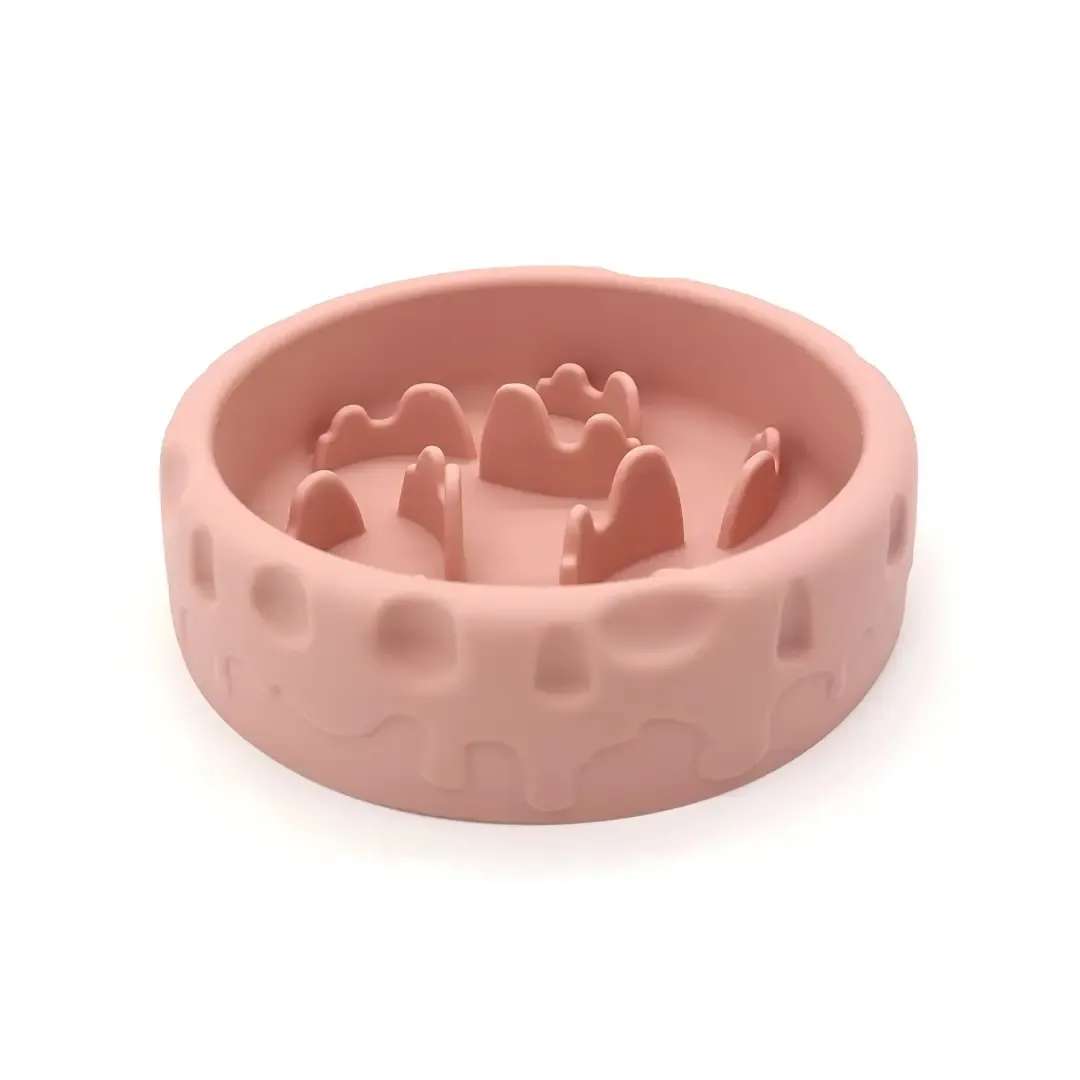
Slow Feeder Bowls
Keep the feeding pattern and capacity, then coordinate the bowl color with a seasonal range. Compare designs in our slow feeder manufacturing collection.

Lick Mats & Enrichment Trays
Choose complementary textures, sizes and matching colors. Reuse an established lick mat design while refreshing the seasonal presentation.
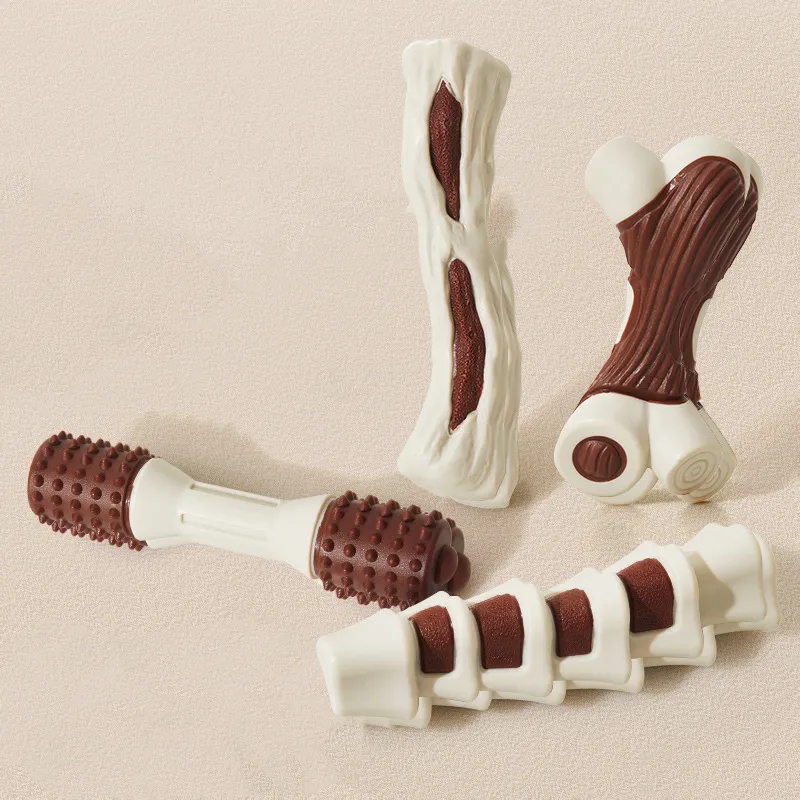
Chew & Treat Toys
Complement feeding items with an established pet toy design. Evaluate material-specific color options and functional safety separately.
Factory product examples above show existing forms—not necessarily final Halloween or Christmas colorways.
A cohesive line does not need every product to perform the same task. The slow feeder serves meals, the lick mat supports food-based enrichment, and the toy expands the playtime offering. The connection is the consistent visual language, pack design and brand story.
3. Use Seasonal Color Systems, Not Random Single Colors
Color is often the most visible difference between an evergreen SKU and a seasonal one. A stronger strategy is to define a small palette for the whole collection, including the products, packaging and marketing imagery.
Halloween Collection
Pumpkin orange, muted cream, deep charcoal and dusty violet.
Holiday / Christmas Collection
Forest green, warm berry, winter cream and a subdued gold accent.
For molded silicone, the visual result depends on pigment formulation, raw material, thickness and curing conditions. Natural rubber may require its own color matching process; do not assume an identical pigment formula will produce identical shades across both materials. Use a signed physical standard rather than relying on an RGB screenshot.
NEWTOP's customization service covers colors, branding and packaging. For repeat programs, brands should agree on an approved master color, sample retention and how color variation will be assessed for each production run.
4. Turn Existing SKUs into a Collection, Not a Loose Assortment
Seasonal relevance improves when the assortment is easy for a distributor or retailer to understand. Instead of adding an arbitrary holiday color to ten unrelated products, organize the range into purchasing tiers.
Entry SKU
One slow feeder or lick mat in a seasonal color, supplied with a printed sleeve or branded label. Suitable for a low-complexity line extension.
Coordinated Pair
One feeder + one mat in matching colors, grouped in coordinated packaging. Useful for a themed mealtime assortment.
Gift Collection
Feeder + lick mat + compatible toy with a cohesive carton, insert and product information. Verify packaging fit, weight and safety labels for each component.
Bundles should have a defined purpose. A lick mat may complement a slow feeder, while a food-compatible enrichment toy can extend the use occasion. Confirm that combined items suit the intended pet size and that each item retains its relevant instructions and warnings.
Packaging can provide much of the seasonal identity: kraft boxes with illustrated sleeves, color-coded labels, belly bands, recyclable cartons where suitable, or a matched insert across multiple SKUs. Branded materials may require print or die-cutting setup even when the silicone or rubber molds remain unchanged.
5. What Actually Changes in Production?
Reusing a mold avoids starting from a blank geometry, but a seasonal order still involves manufacturing decisions. At NEWTOP, engineering and production planning can align the selected mature designs with the order's colors, packaging and target delivery window.
SKU & tooling confirmation
Confirm the exact existing product versions, ownership or permitted mold access, dimensions, material, texture and production feasibility.
Color and packaging sampling
Approve physical colors, any printing method, carton artwork, labels and representative bundled samples before bulk production.
Multi-SKU manufacturing control
Specify the approved reference sample for each color and style. Track component counts and separate seasonal variants to limit mix-ups.
Packing and final verification
Check the packing list, barcode and label matching, kit completeness, appearance, and agreed product inspection criteria.
Factory capability is valuable here because the challenge shifts from new shape development to order consistency. A brand may approve three colors of a slow feeder, two lick mat styles and one chew toy—but every finished carton still needs the correct combination and artwork. Material batch tracking, sample comparison, packaging controls and clear change approvals help reduce avoidable errors.
For products marketed with food-contact, safety or durability claims, confirm the documentation and testing applicable to the final item and target market. A color or supplier change may justify renewed assessment; a generic material certificate is not a substitute for all relevant product verification.
6. How Much Time and Cost Can Existing Tooling Save?
The advantage is primarily in avoiding a brand-new tool-design and mold-validation stage—not in making the entire order instantaneous. Exact savings depend on available mold capacity, materials, quantities, decoration, testing, packaging and production schedules.
| Launch route | Upfront development | Main variable costs | Best suited to |
|---|---|---|---|
| Existing design + new colors | Lower tooling requirement | Color matching, samples, material batches | Fast seasonal extensions |
| Existing design + custom packaging | No new product mold | Artwork, packaging MOQ, printing setup, packing | Private-label retail collections |
| Reuse existing holiday-pattern mold | No new mold if available and approved | Production, color, pack setup and possible licensing | Holiday-themed molded shapes |
| New seasonal relief or silhouette | Tool modification or new mold likely | Engineering, tooling, sampling and validation | Exclusive product design |
Rather than promising a universal MOQ or delivery period, request a quote on the complete assortment. The relevant variables include quantities per SKU and per color, the total number of packs, material requirements, packaging design and the requested ship date.
7. A Practical Seasonal Launch Plan for Pet Brands
Begin planning backward from your retailer delivery date, not from the holiday itself. The following sequence is a planning framework rather than a guaranteed production calendar.
Before purchase-order confirmation
- Choose the seasonal theme and target markets.
- Shortlist mature slow feeder, lick mat and toy SKUs.
- Confirm usable molds and material requirements.
- Approve color references and packaging dielines.
- Request a cost and lead-time breakdown by SKU.
Before bulk shipment
- Approve physical pre-production samples.
- Lock the assortment and retail artwork.
- Confirm product-specific labeling and test needs.
- Agree on inspection criteria and carton configurations.
- Allow time for transport, customs and retailer receiving.
The strongest programs also plan for the next season. Keeping reference samples, artwork files and approved color specifications gives the brand a repeatable foundation for reorders. Production plans should be reconfirmed for each order rather than assumed from the previous holiday campaign.
8. What to Include in Your Seasonal Pet Product RFQ
For an accurate OEM/ODM quotation, send more than a mood board. A concise request containing the details below gives the factory enough information to check mold availability, costing, sampling and production.
- Target holiday and planned selling market
- Selected product links or SKU photos
- Quantity per style and per color
- Physical color standard or Pantone references
- Material and performance requirements
- Logo or label treatment
- Bundle list and units per retail pack
- Packaging artwork or design requirements
- Desired shipment date and destination
- Required testing and inspection criteria
NEWTOP can discuss assortment development using its existing slow feeder designs, lick mat styles and pet toy range. This is a more practical starting point than commissioning a new seasonal mold before the assortment has been validated.
Frequently Asked Questions
Can pet brands change slow feeder colors without new molds?
Usually yes, if the product shape and existing tooling remain unchanged. Color matching, compound approval and production samples are still required.
Can a brand add Christmas trees or pumpkins without new tooling?
Only when the desired molded motif already exists in an available, approved tool. Adding a new raised or recessed design commonly needs a new cavity, insert or mold modification. Printed packaging graphics typically do not change the product mold.
Can silicone feeding items and natural rubber toys be packaged together?
Yes, they can be developed as a coordinated assortment, subject to item compatibility, material-specific testing, correct labeling and packing requirements. They may need separate manufacturing and color approvals.
Does reusing a mold remove all setup costs?
No. Color samples, new packaging artwork, printing setups, testing, packing configurations and other order-specific costs may still apply.
What is the MOQ for a seasonal private-label pet collection?
There is no single MOQ for every collection. It depends on the available mold, production process, number of colors, product mix, packaging and supplier schedule. Request quantities per item and color for a useful quotation.
What makes a seasonal collection feel like one brand?
A limited, repeated color palette; consistent packaging artwork; compatible product shapes and sizes; and a clear assortment structure. Visual coordination usually matters more than adding a different novelty shape to every SKU.
Build a Seasonal Pet Line with NEWTOP SILICONE
Start with mature slow feeders, lick mats and pet toys. Share your target colors, product mix, packaging requirements and quantities; our team can review practical OEM/ODM options before you commit to new tooling.
Discuss Your Seasonal Collection Browse Pet Product RangesEditorial note: seasonal palettes and collection examples are illustrative concepts. Final specifications, safety claims, MOQ, pricing and lead times should be confirmed for each product and order.
Hi, I am the author of this article. For the past 10 years or so, we have been dedicated to meeting the custom silicone product needs of our customers from over 50 countries and regions around the world.
If you have any questions, please contact us for a free, no-obligation quote.

